Arranging furniture involves more than simply positioning pieces. Often, when it comes time to place furniture, we don't always pay enough attention and choose the easiest options. However, it's good to know that the way you arrange furniture can influence the atmosphere of a room and create functions you may not have considered.
Let's explore some ideas to help you with future renovations.
Functionality is the first keyword. Depending on the space, certain pieces of This document outlines the interior design concept for a new restaurant in Bucharest called "La Mama". The goal is to create a warm and inviting atmosphere that reflects traditional Romanian cuisine and hospitality.When arranging furniture, consider accessibility and ease of use. For example, in the kitchen you want cooking utensils to be readily available, while in your office, all books and study materials should be within easy reach. Based on these criteria, you will know how to best arrange your furniture.
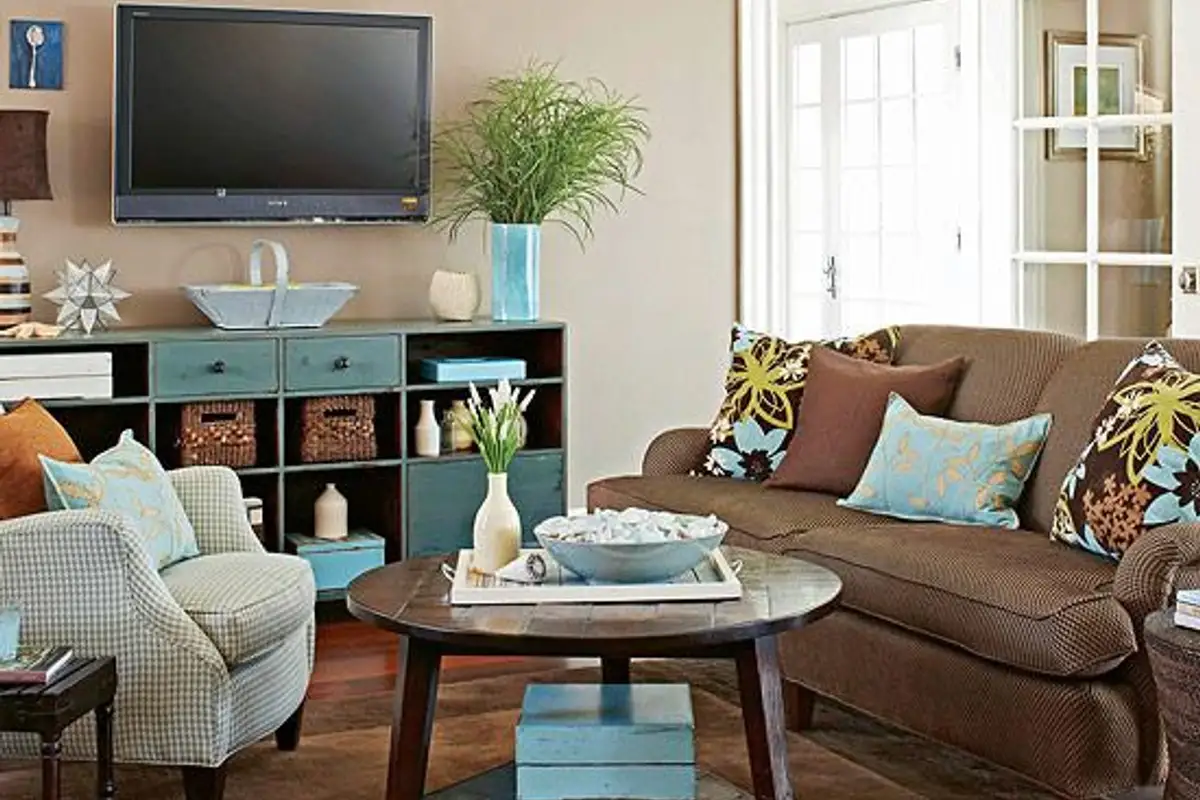
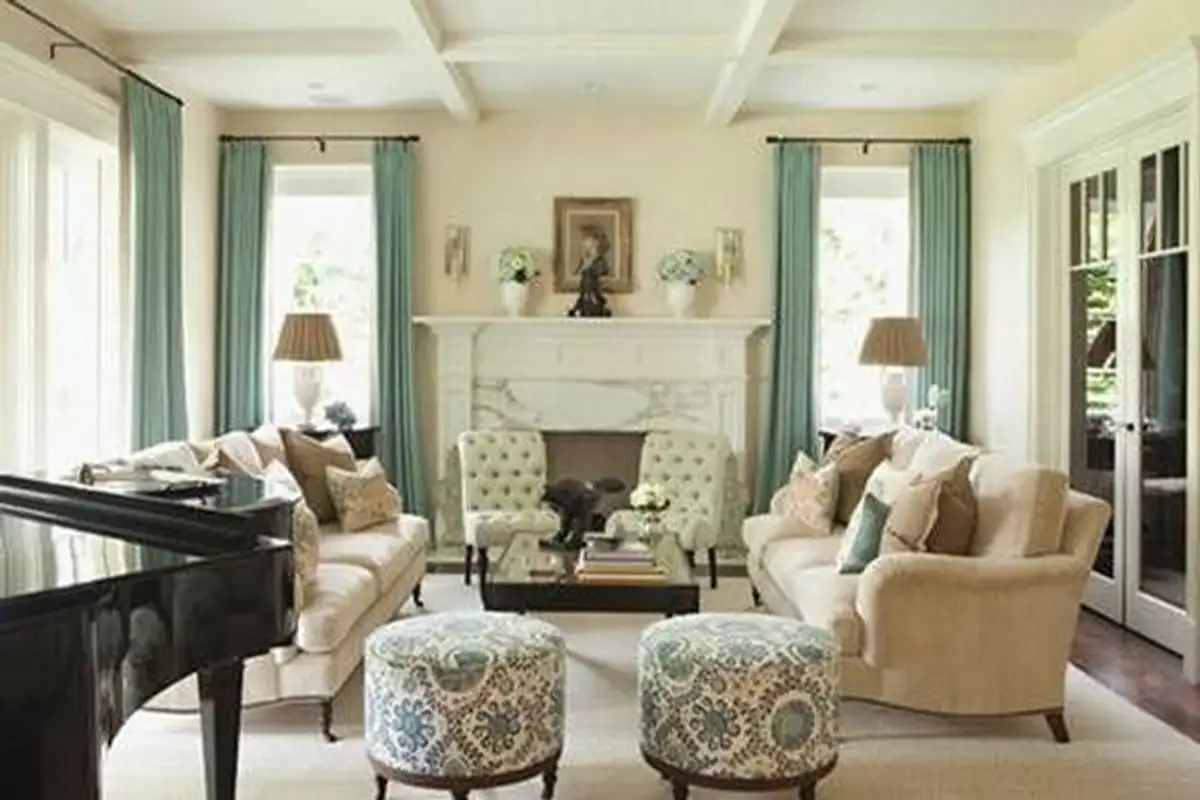
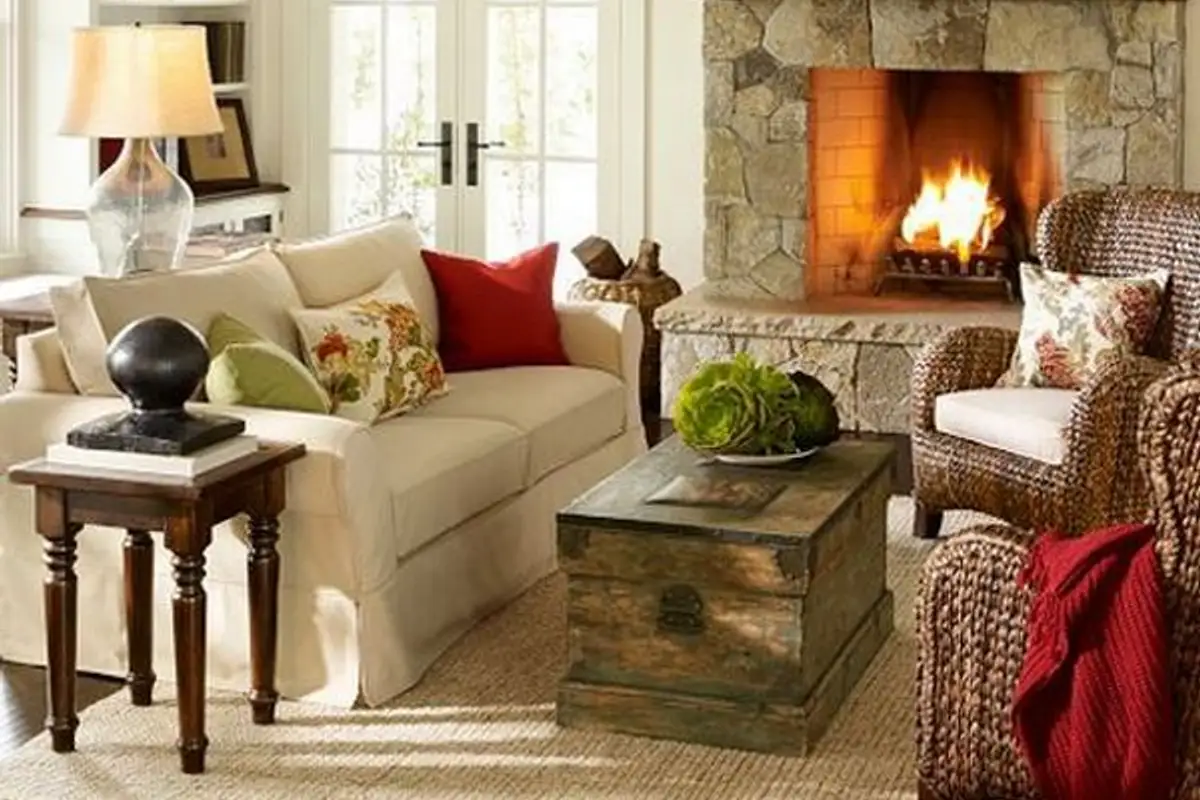
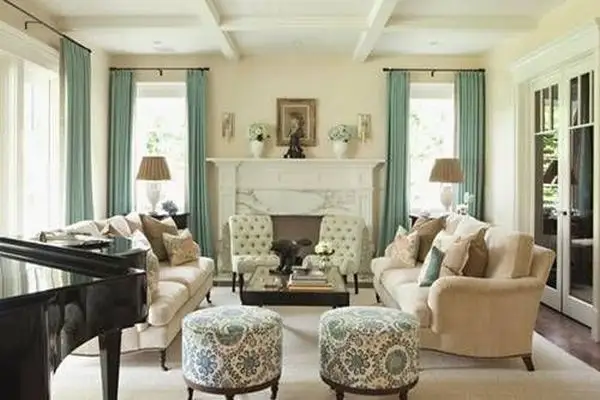
For the living room, consider a circular arrangement. This way, place the sofa, armchairs, or chairs in a circular shape, creating a comfortable setting that encourages conversation. Then, the rest of the furniture should form barriers around this circle: the wardrobe or shelves can be placed along the walls.
Another aspect to consider is creating a focal point within the room and then arranging the furniture around it. This could be a fireplace, a piano, or a unique piece of art that you want to highlight.
The respective element of interest should not create a contrast in the room but should integrate with the rest of the color palette to create balance.
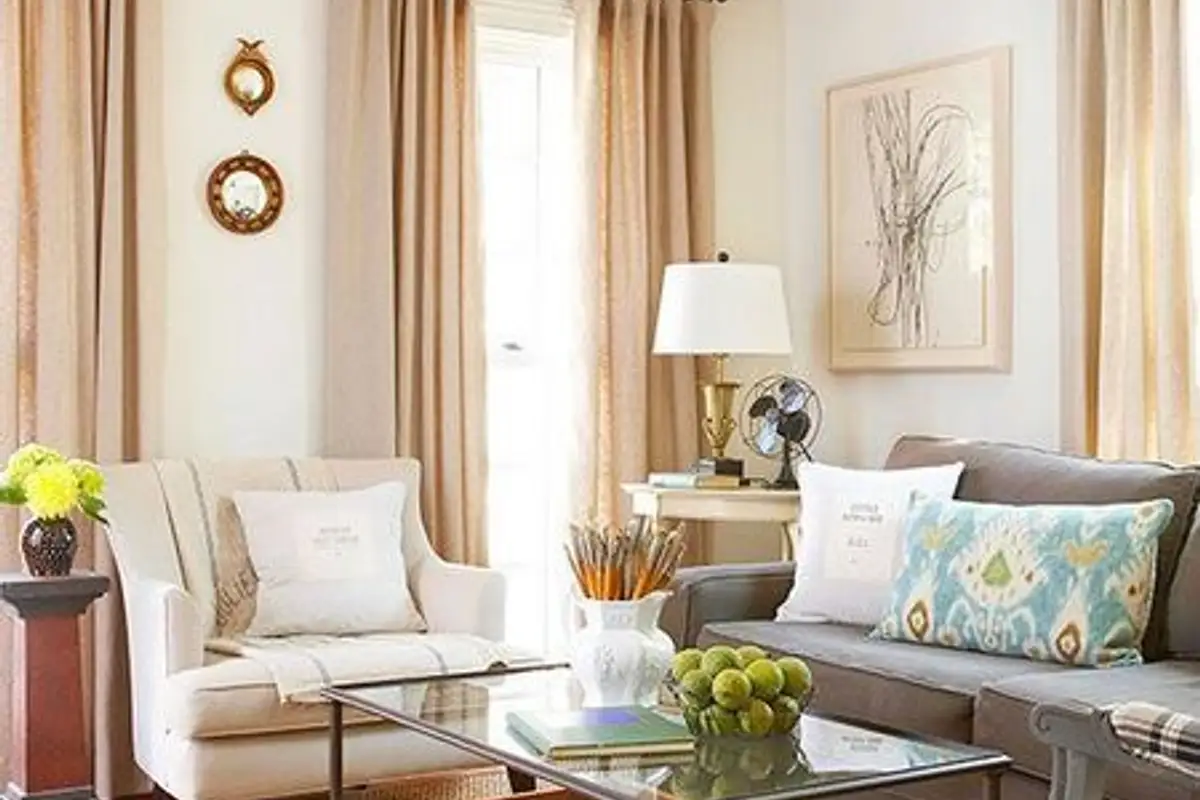
For high-traffic areas, it's important to create enough space for passage and for the camera to flow freely. When hanging a painting above a piece of furniture, leave some space between the two to prevent a feeling of clutter and for visual balance.
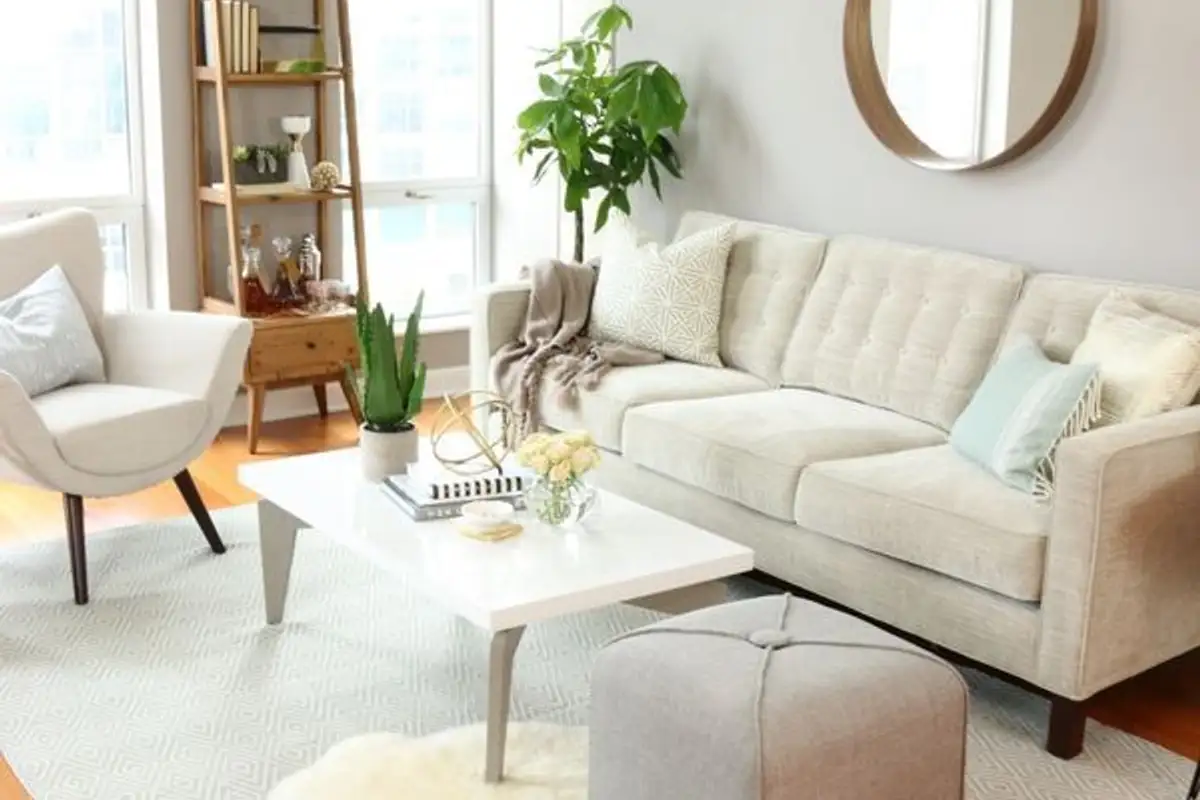
Furniture can be arranged in the living room according to the triangle rule. Thus, two ends of a table frame the sofa, and above it hangs a painting. This method ensures symmetry and provides support when there are areas we don't know how to furnish.
Avoid scattering furniture pieces such as tables or an ottoman throughout the room simply to fill the space. Instead, use them to create cohesion. For example, the ottoman can be placed under the coffee table, or two identical coffee tables can be positioned next to each other.
The idea is to group similar elements or those that can complement each other in order to create meaningful arrangements.