Designing a child's room sparks imagination and creativity. An explosion of colors and drawings, cheerful bedding, and many toys smiling from every corner. It may be the only room in your house where you can dare to put into practice quirky design ideas.
Try as much as possible to reflect your child's personality. This is where he will spend a lot of time playing, learning, and sleeping. His room will be his universe.
One of the first tasks is to analyze the space well. Where will you place the bed, how much natural light does the room receive, where will his desk be, what about storage spaces for clothes and toys? Respect his passions, hobbies, preferences, and try as much as possible to capture this in the basic concept of his room design.
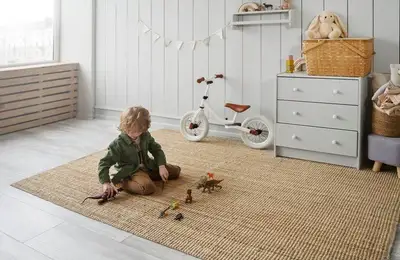
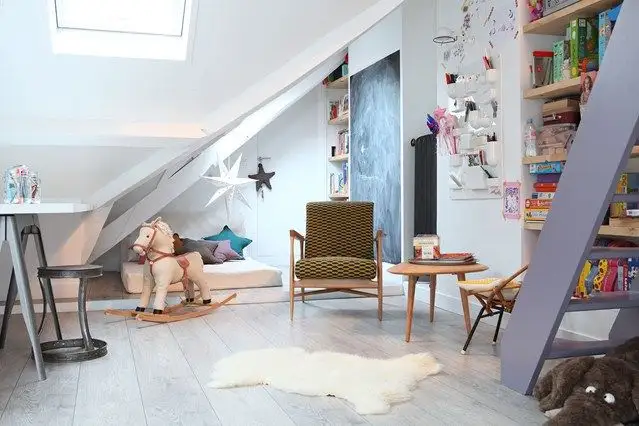
Unlike your bedroom, for a child it is important to ensure good circulation in the room. Leave the middle of the room free for him to play (he will often prefer to color directly on the floor or play with cars); make sure that furniture pieces are not in his way and there are no other obstacles in his path through the room.
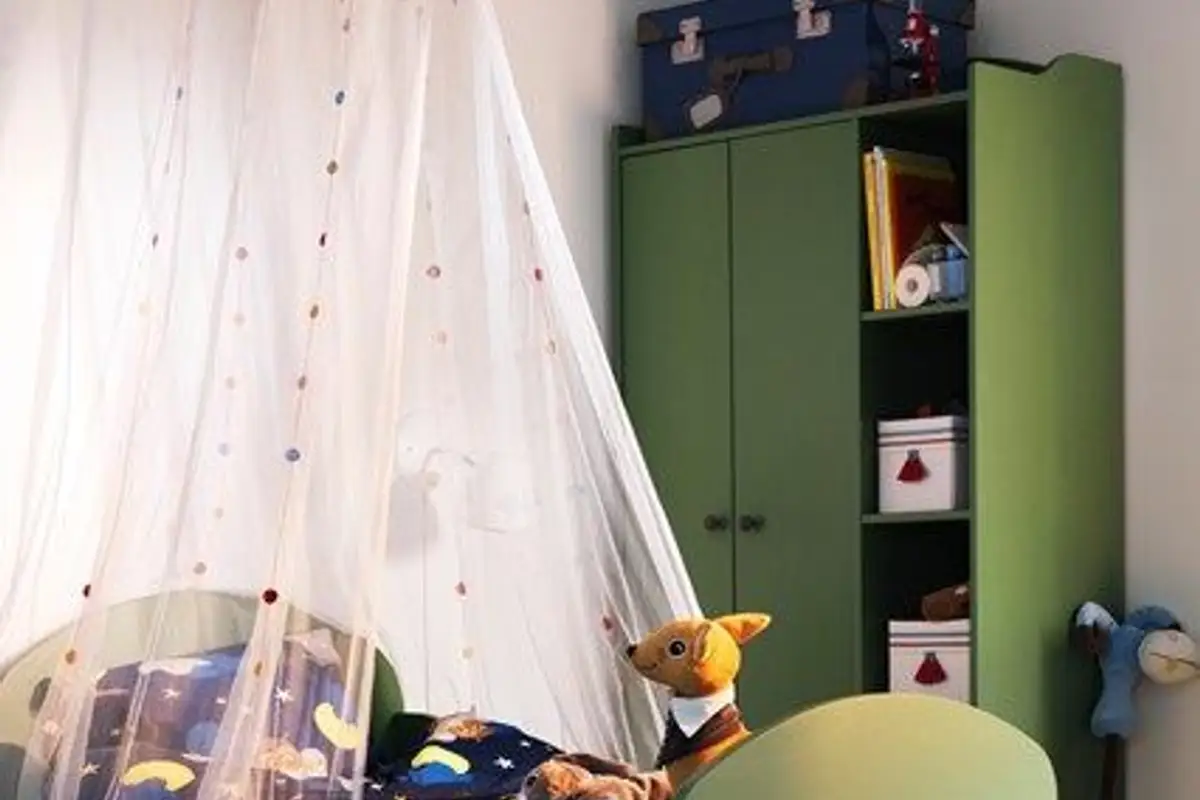
It is recommended that there be as much natural light as possible in his room. Choose a translucent curtain, in very light shades, white, cream, pastels. Ambient lighting is also important. He will need a desk lamp and a bedside lamp for when you read him stories in the evening or when he starts reading himself.
Make sure the furniture is age-appropriate. Don't choose a bed that is too high or too long when he is still young. The same goes for the desk. When he reaches school age, he will need a more complex piece that offers him enough space for homework, reading, and other activities. Until then, a simple table with a chair of the right size may be sufficient.
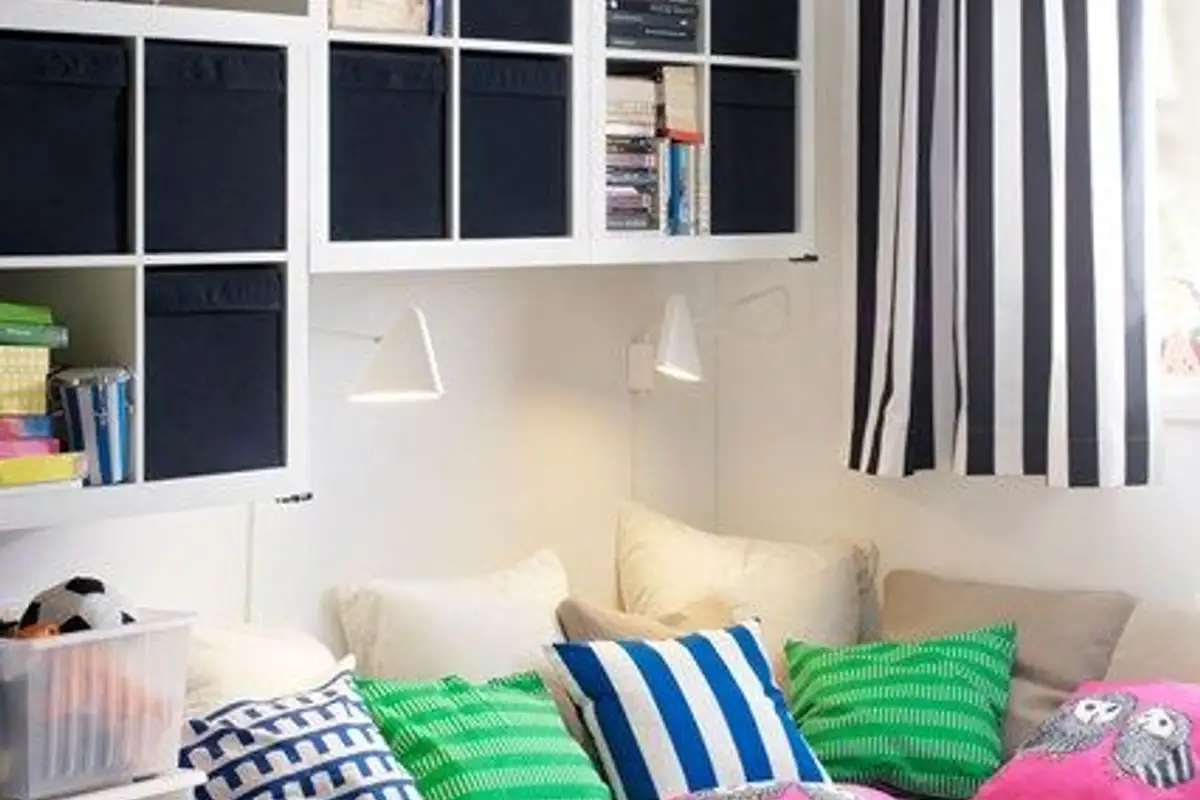
The same applies to his wardrobe or chest of drawers for clothes. Choose a model that he can easily access; the same is true for his toys.
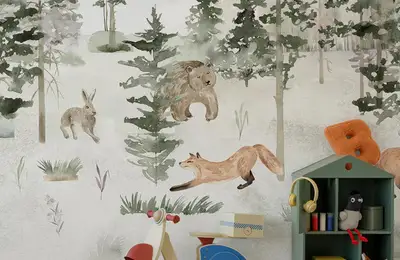
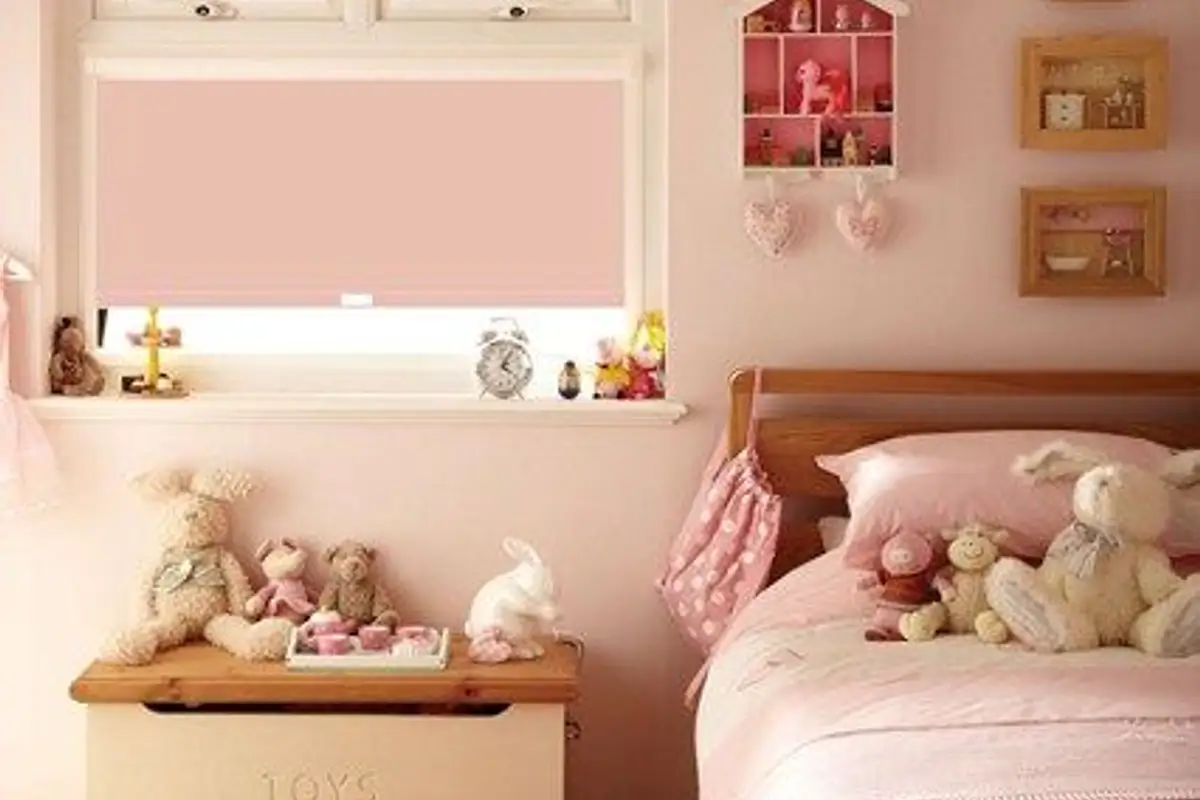
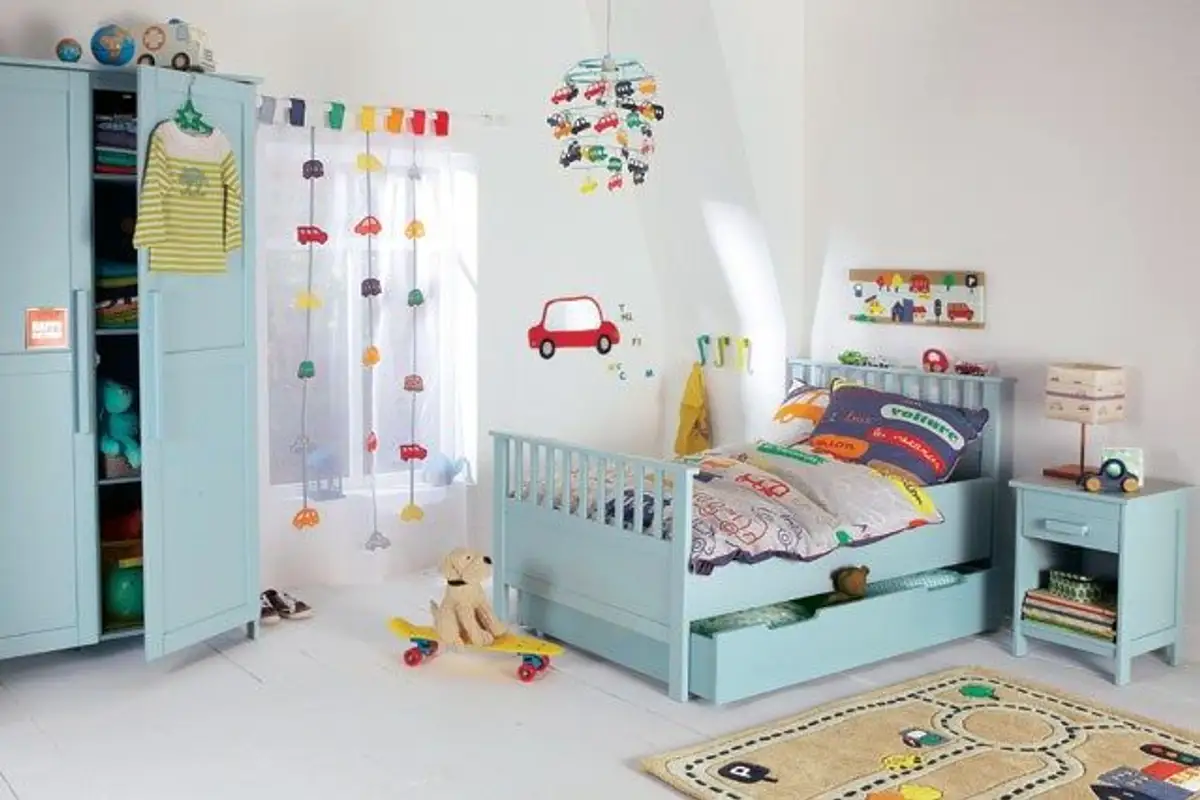
Add color! Choose a color palette together with your child and bring the room to life as much as possible. Since the walls will most likely be invaded by posters of characters from cartoons and movies, opt for suitable paint. A trendy solution is a chalkboard wall where the child can write and draw freely and then erase and write again.