Every home is different and every room is an opportunity for design. When it comes time to decorate it, this can be a real challenge. To make your task a little easier, we thought we'd put together a selection of the most useful and practical furniture arrangement methods.
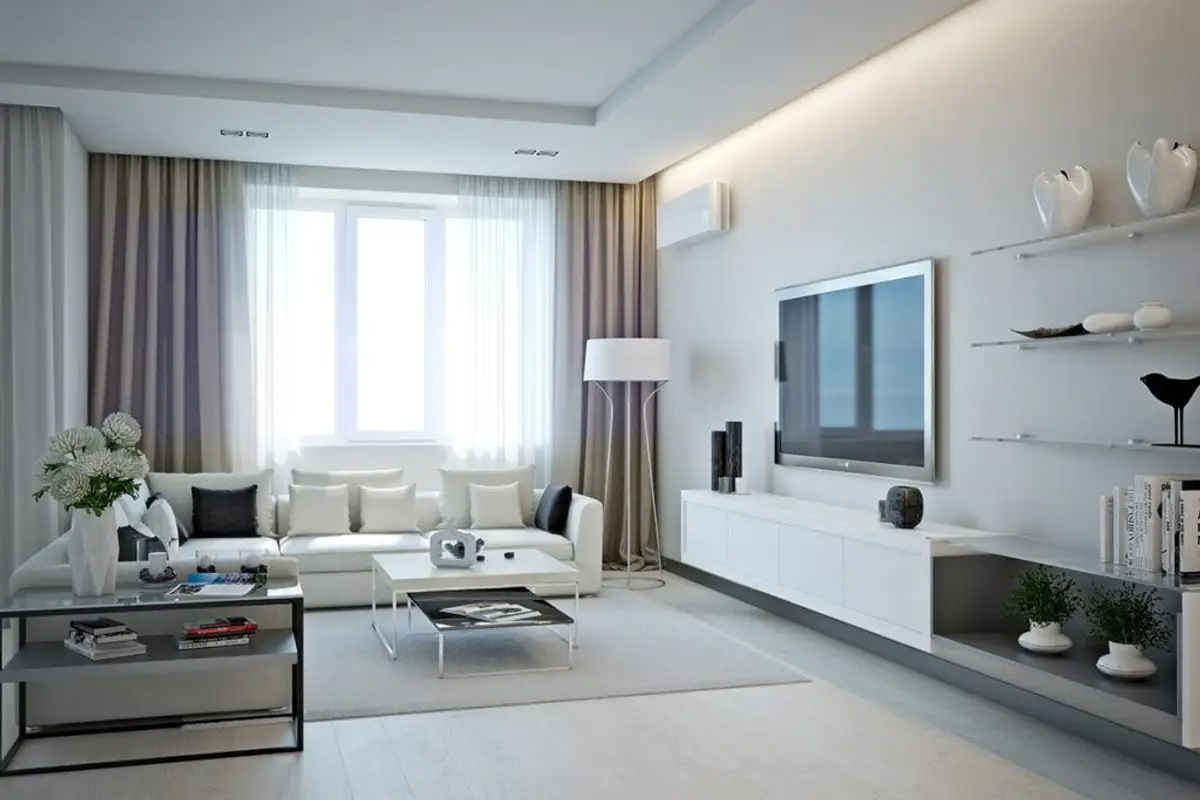
The first and one of the most important pieces of advice comes from architect Iuliana Dinca: the object dictates the function of the space. When entering a living room, the first thing we should see is the sofa, just as in the bedroom it's the bed or in the bathroom the sink. Similarly, in the kitchen, the stove, sink, and refrigerator will be positioned according to habits and routine.
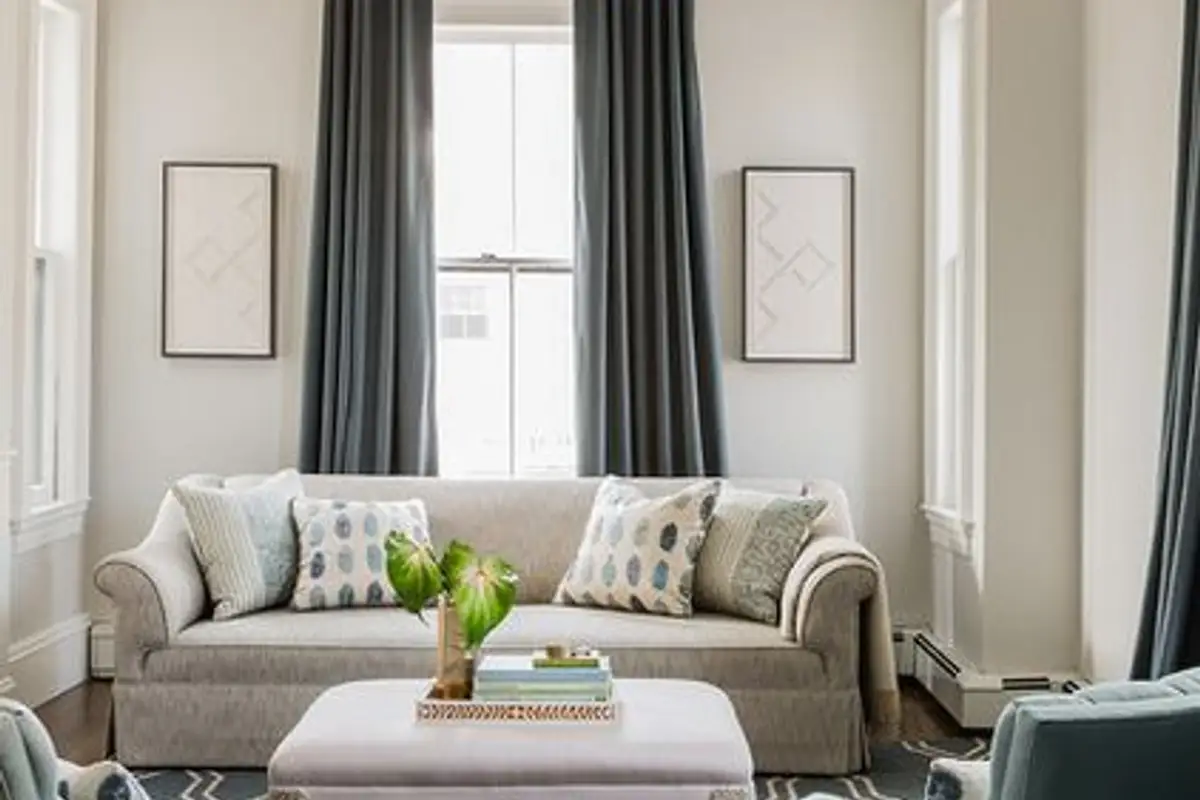
Prioritize to large furniture pieces When arranging furniture, start by placing the largest pieces first. In the living room, position the sofa initially and then arrange the remaining elements around it. Follow the same approach in the bedroom. It's also advisable to place heavier objects as far away from the room entrance as possible to avoid creating a cluttered impression.
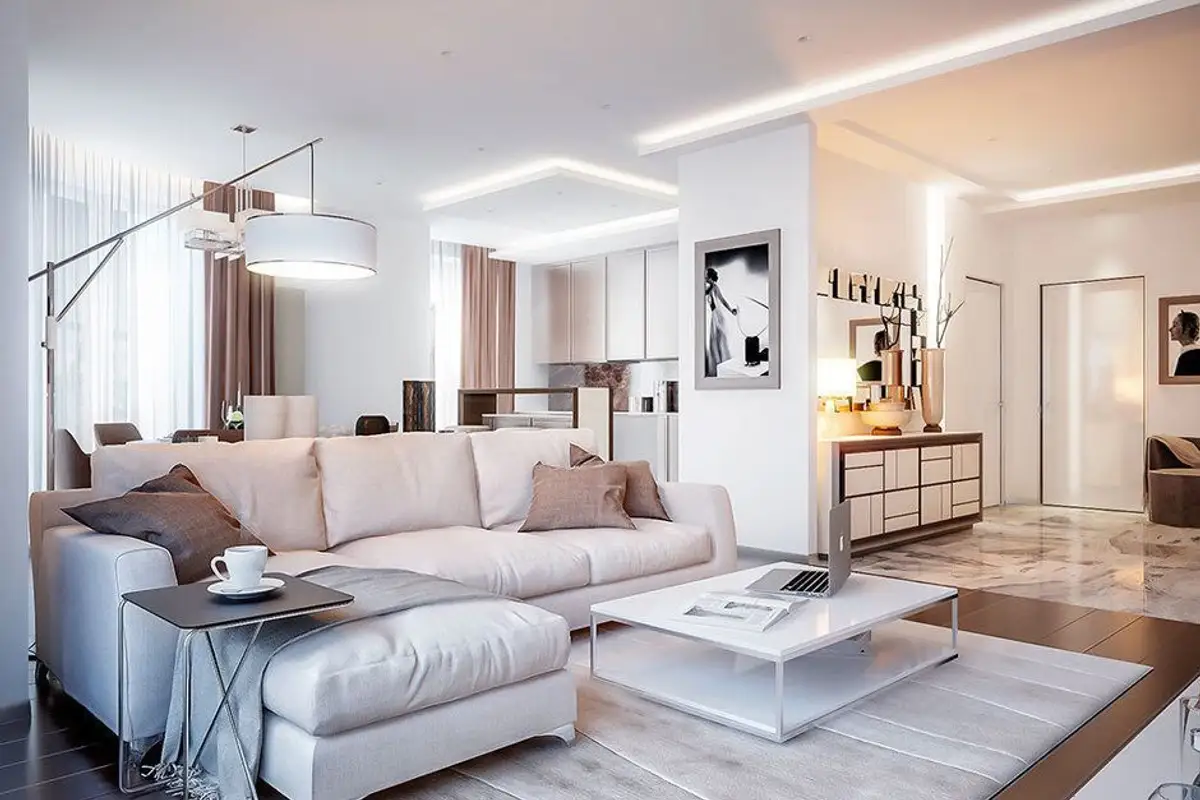
Often we tend to push furniture towards the walls of a room. However, this creates an unpleasant effect of enclosing the space, leaving the center empty and somewhat imbalanced. We recommend that you don't place all furniture pieces against the wall; bring some towards the middle of the room, such as the sofa or dining table with chairs.
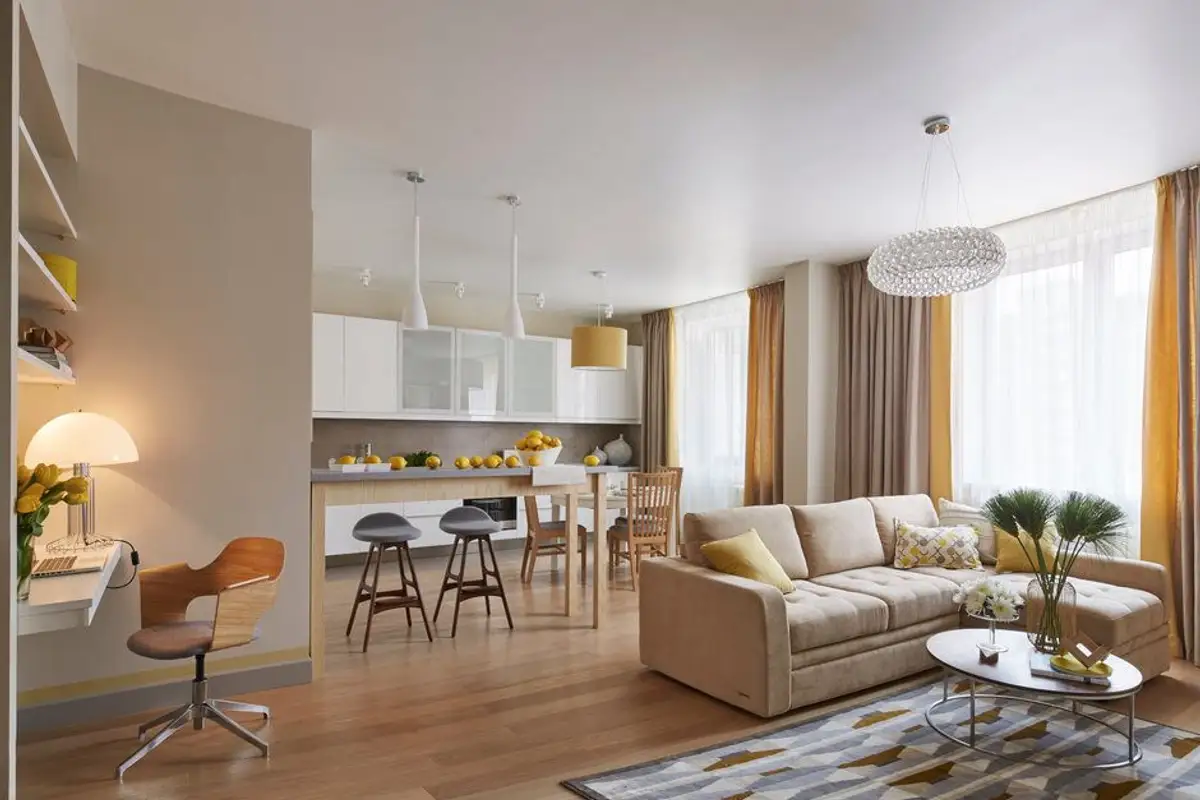
You can also use certain pieces as separators between spaces, such as the dining area from the living room. You can use a sofa in this way or a small wardrobe, a dresser that gives the impression that the two spaces are separated, at least visually.
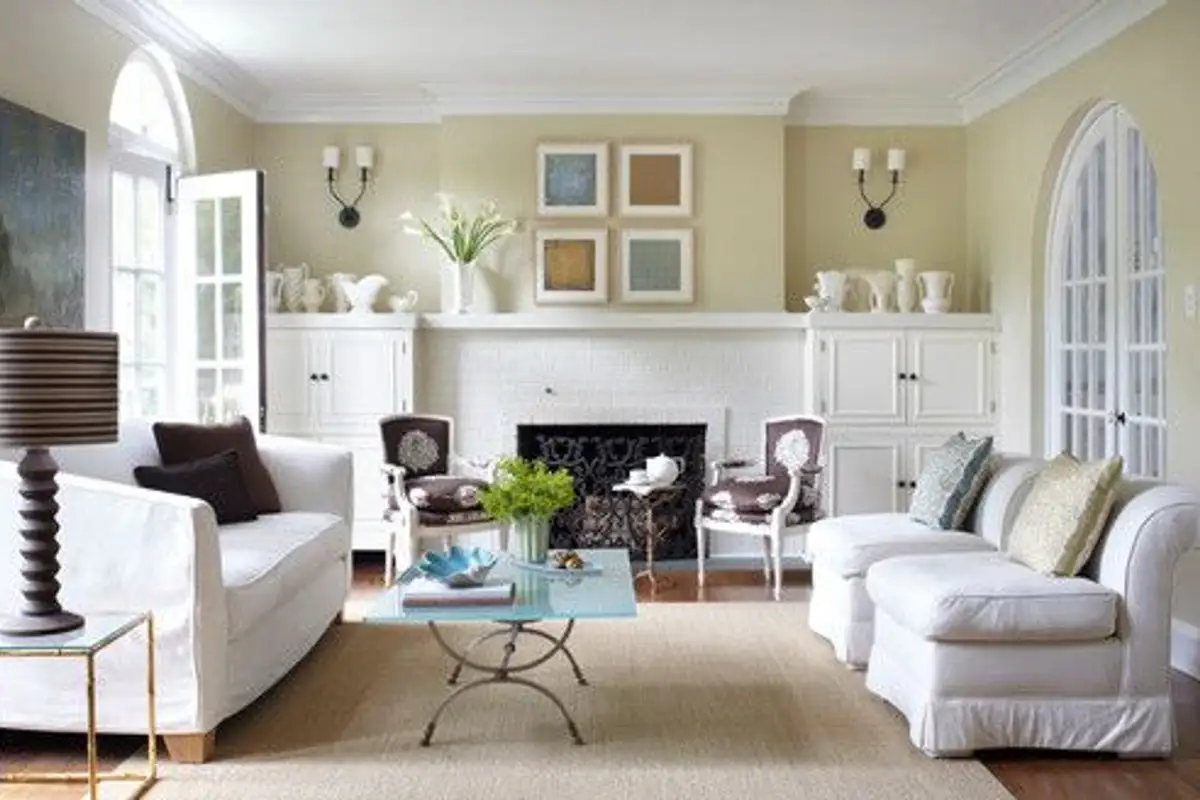
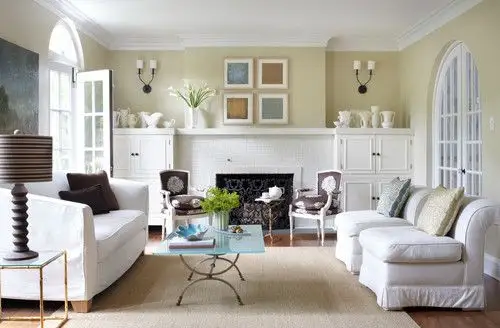
Consider symmetry of furniture pieces These elements provide a formal air to a room, while asymmetry (different chairs and armchairs, two bedside tables that are not identical) gives us a more relaxed and carefree feeling.
Traffic flow through the room is an important consideration. Ensure you have ample space to move around freely without navigating obstacles like armchairs, sofas, or tables. Avoid blocking access points to other rooms, hallways, or even the room's entrance with furniture.
Contrasts are welcome in any interior design. They are the ones that bring an extra touch of interest, making our home more attractive. Therefore, when arranging furniture, keep in mind a few simple ideas: combine straight lines with curved ones. If straight-lined furniture predominates, integrate a round table for contrast.
The same principle applies to variety within a space – it's good to have different sizes and/or heights in a room so the eye perceives differences. Avoid placing two tall pieces next to each other.
Here are some clever ways you can give your home a fresh new look with just a few furniture arrangement tweaks. Take a look around your space right now. What would you change?