Some trends seen in recent years in interior design are starting to fade into obscurity. Whether for reasons of efficiency, cost, or excessive marketing, there are trends that have begun to be integrated less and less frequently into the projects of architects and designers. Here are a few of them.
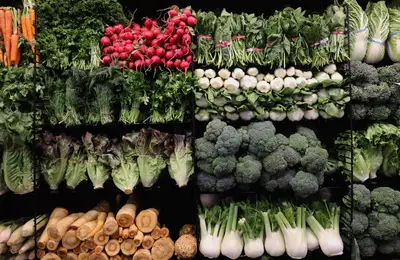
Opening the EcoGallery or eco-friendly was one of the most popular trends in recent years, culminating in the choice of the color of the year 2017, a raw green called Greenery. In many projects we have encountered plant inserts, tropical prints, organic materials or shades of green that evoke the theme of nature.
Although, in essence, concern for the environment should be a constant in our actions, with implications at the level of interior design as well, excess leads us to saturation, which inevitably means a decline of the respective trend. There is nothing wrong with having plants in the house, but in moderation.
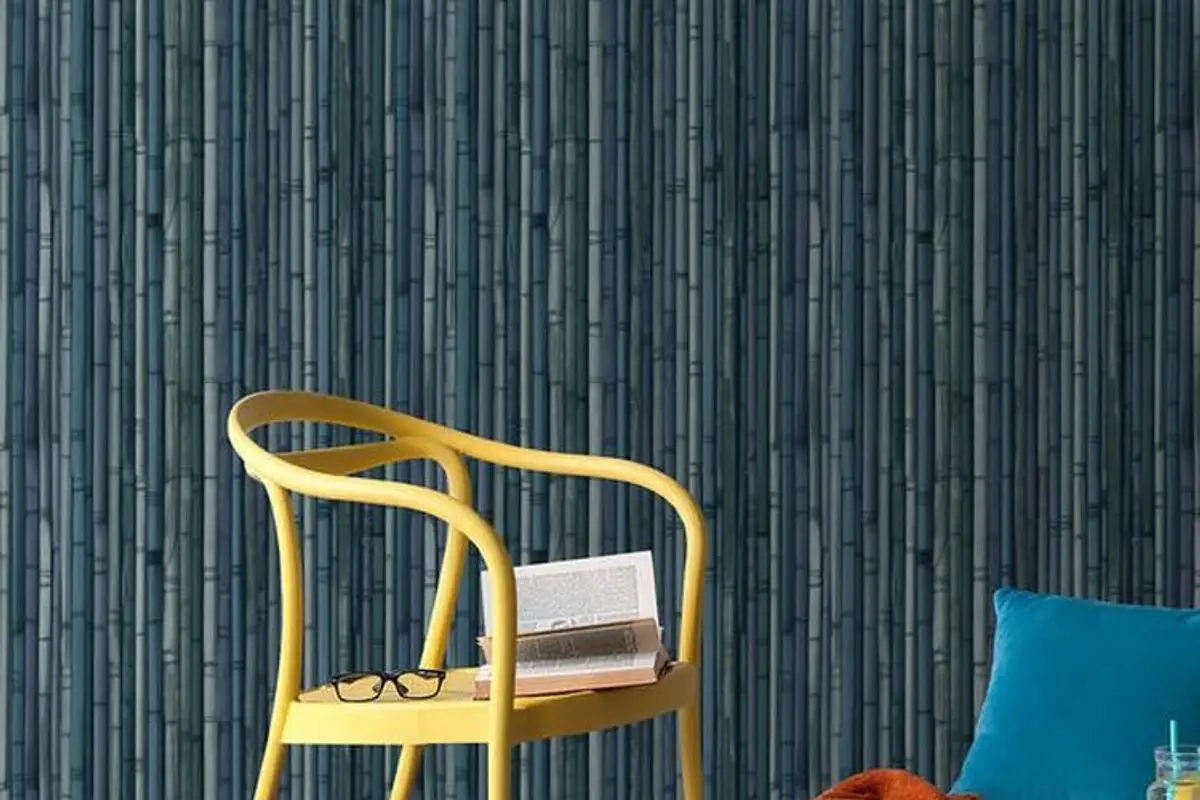
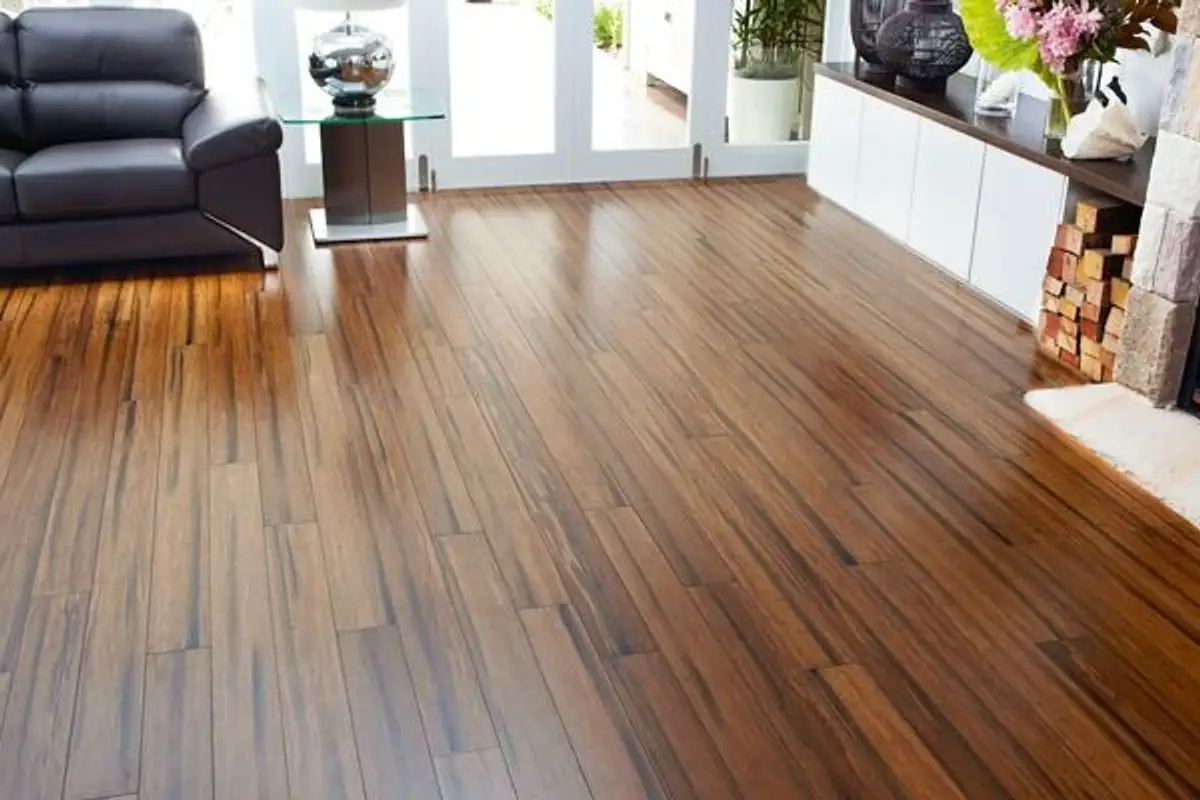
In direct connection with the above, one of the trendy materials within this eco current is bamboo. However, designers have begun to replace it due to cost and maintenance reasons.
Bamboo is an expensive material, especially for flooring; moreover, its sensitivity to direct light, humidity and temperature fluctuations does not place it among the designers' favorites. There are viable options, resistant and with decent costs that can replace it brilliantly. The solution lies in finding those that affect the environment as little as possible through the manufacturing process.
The discussion remains open, as do the options you can choose for your own home.
It seems that the attachment to wallpaper with a tropical print (especially the one with palm leaves) is also on the decline. Overexposure leads to customer saturation, whether they are designers or beneficiaries.
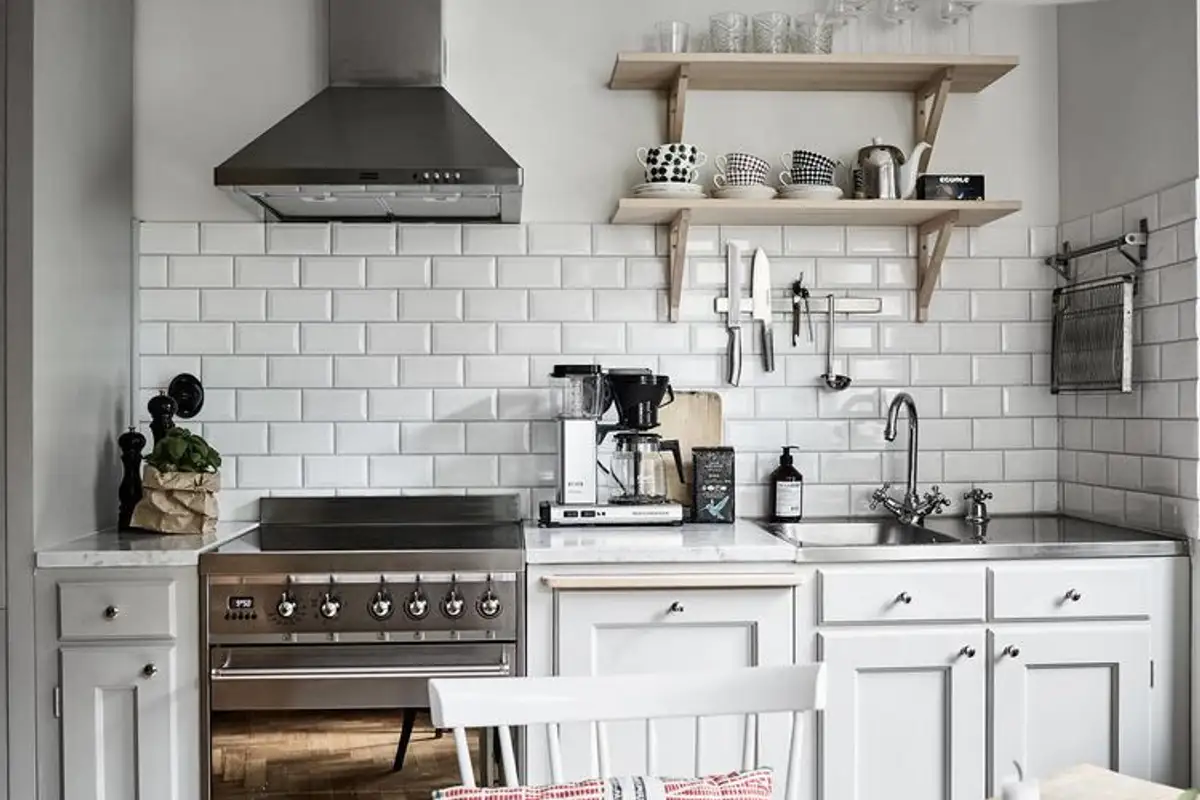
Natural stone for countertops. Granite or even marble are two materials with high acquisition costs and which require specific care. Designers have turned to composite materials that do just as well and look good in any kitchen.
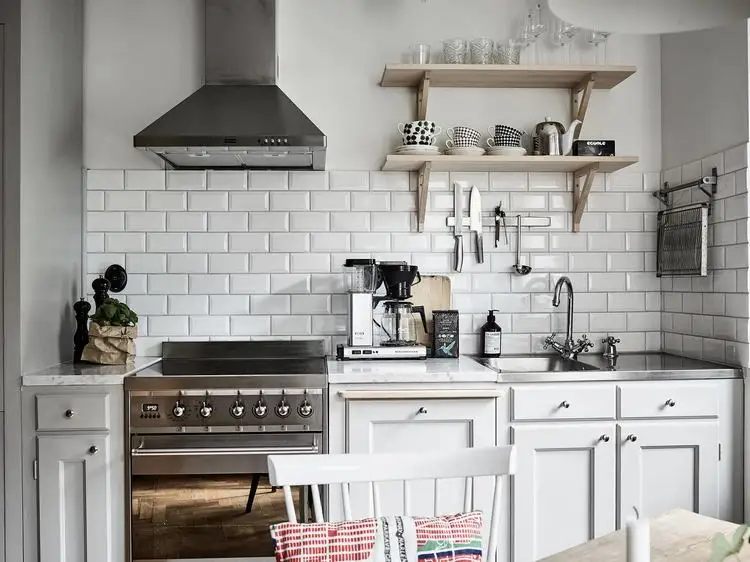
We remain in the kitchen and stop at open shelves, or rather, at open storage. Whether it's fashionable or not, no one likes to clean so often among glasses, cups, mugs or glasses exposed on shelves, shelves or consoles. In addition, it creates the impression of disorder and clutter.
Stored in cupboards they will be protected from dust, and the kitchen will appear more organized, a detail especially important in small and narrow spaces.
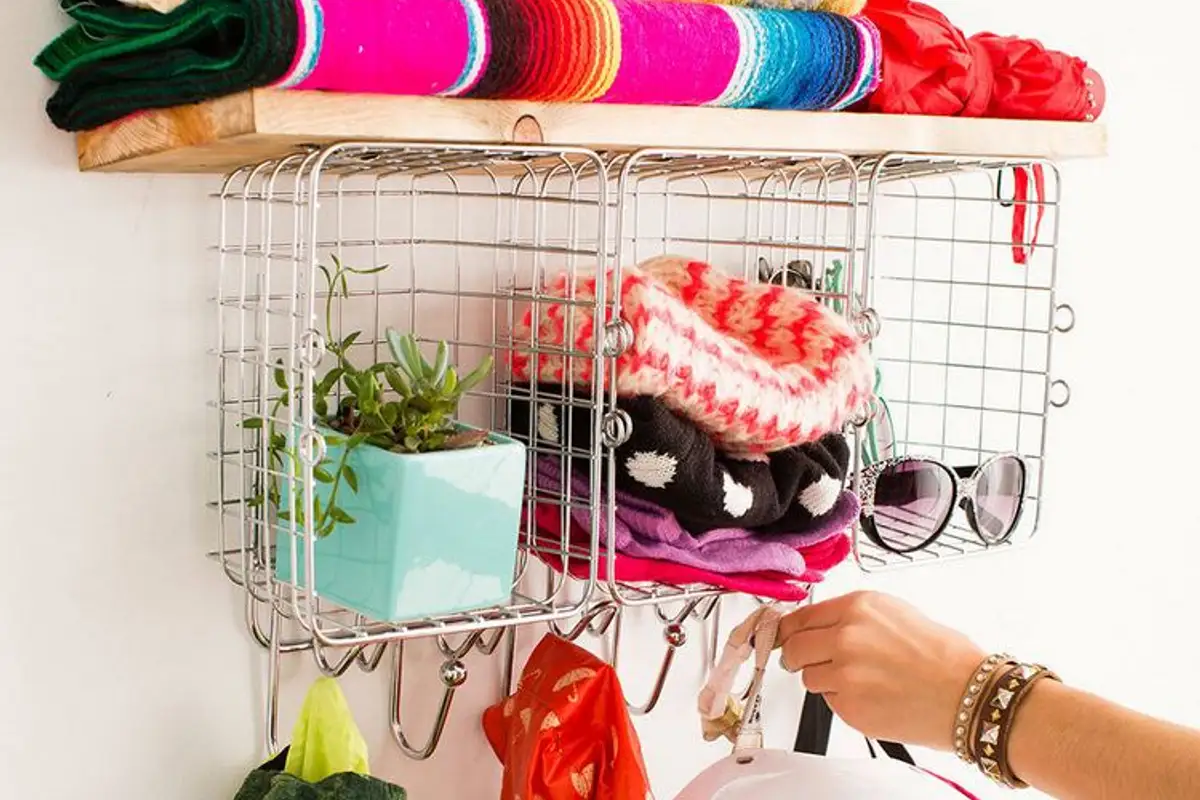
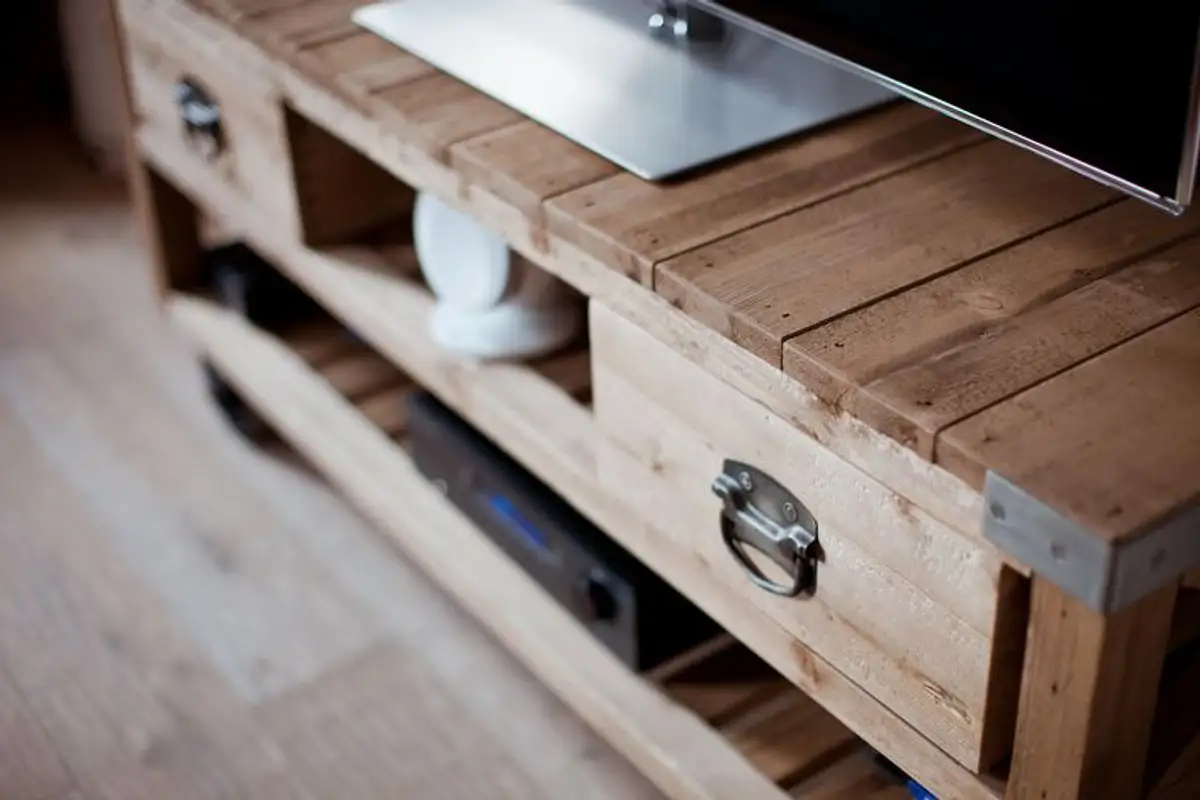
Handmade storage projects. We are referring here specifically to those projects that you make yourself with what you have around the house or with objects that you reuse for a new purpose. Nothing wrong with this, it's just that aesthetically speaking, not all of them are okay for your interior, especially in visible places. Today there is a wide selection available for storage, so you have plenty to choose from.