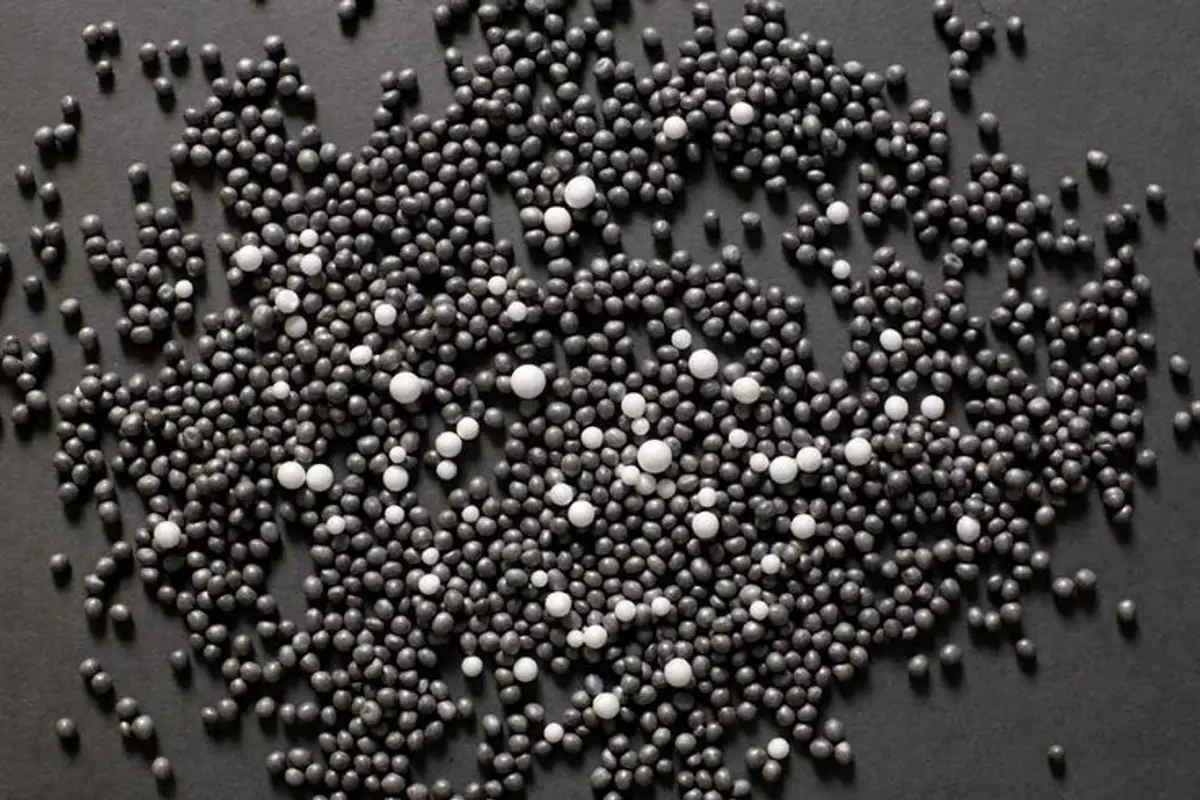
Due to its technical characteristics, expanded polystyrene is very suitable for thermal rehabilitation works. That is why the Romanian Expanded Polystyrene Producers Association (ROM EPS) offers a series of tips related to the correct execution of thermal insulation and also presents a series of advantages that efficient insulation can bring.
In housing insulation projects, thermal insulation is usually positioned on the outer face of the walls. This way there is no risk of reducing the living space, and the house will benefit from a unitary treatment and continuous protection, in order to eliminate thermal bridges.
Delia Filip, Executive Director ROM EPS, adds: "Thermal insulation of a house facade with expanded polystyrene contributes to protecting the walls from freeze-thaw cycles, significantly reducing heat loss, as well as maintaining indoor temperatures within thermal comfort limits during summer.
Correct thermal insulation of a facade
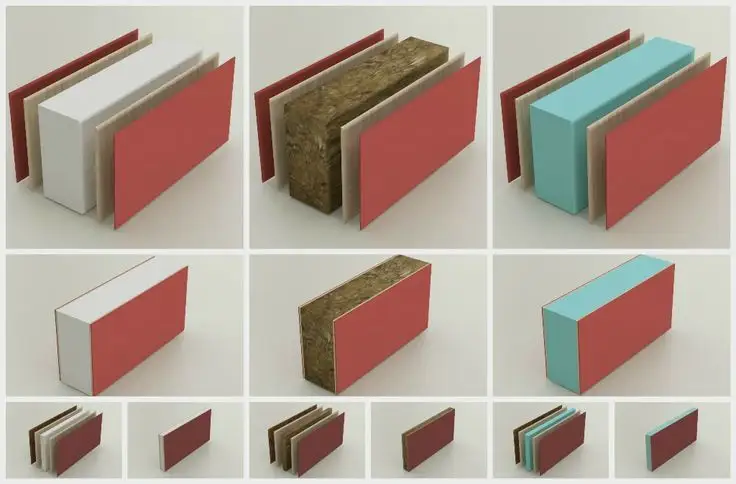
To correctly mount the external thermal insulation composite system (ETICS), fireproof expanded polystyrene boards are applied to the facade as a thermal insulation layer. These can be applied on all mineral supports, on full and hollow bricks, BCA, prefabricated concrete walls, plaster and other mineral supports.
They are fixed by gluing with a special adhesive for polystyrene and mechanically, using dowels. The work thus carried out will be protected with an armoring layer consisting of a fiberglass mesh embedded in an elastic and fine-finished mortar and finished with a protective hydrophobic and thin plaster coat.
The latter are made from mineral materials with acrylic, silicate or silicone binders, as the case may be.
read also how to remove stains from materials such as wood or marble
The steps necessary for the actual execution of the works are as follows:
Gluing the thermal insulation boards For gluing, polystyrene adhesive or mortar is used.
Doweling For ensuring additional mechanical anchoring, the thermal insulation boards are dowelled using plastic dowels of type D SH 10 K (three dowels/board), 24 hours after gluing the boards.
Plastering and armoring For plastering, mortar is used, and for armoring fiberglass mesh with a minimum density of 145 gr/mp. After at least 24 hours from gluing the polystyrene boards and at least 12 hours from plastering the dowel ends, the polystyrene boards are sanded.
Additional leveling of the surface obtained after cladding with expanded polystyrene is ensured. If for two weeks the armoring layer is not applied, the boards will have to be sanded and cleaned again of impurities.
Applying the finish - primer and plaster The primer is used as a primer, both for the decorative facade plaster and for the plinth plaster. To avoid the appearance of joints in the finished field, it is recommended to apply continuously on horizontal strips, in scale, from top to bottom.