We often tend to neglect the bedroom both when furnishing a home from scratch and when planning a renovation or redesign. We deceive ourselves by saying that it's a room we only use at night and that guests don't enter anyway.
Incorrect. The bedroom influences our entire well-being. If we don't have a good night's sleep and don't rest in a place where we feel comfortable, in a well-ventilated room, decorated to our liking, free of unnecessary clutter and belongings, our days will be dull and heavy.
Here are some ideas to consider when you start redesigning your bedroom. Let's begin with the walls. Don't neglect them and, before you start planning dozens of cupboards and shelves that could be attached to house clothes, books, and who knows what else, think about what would be the first thing you would like to see in the morning.
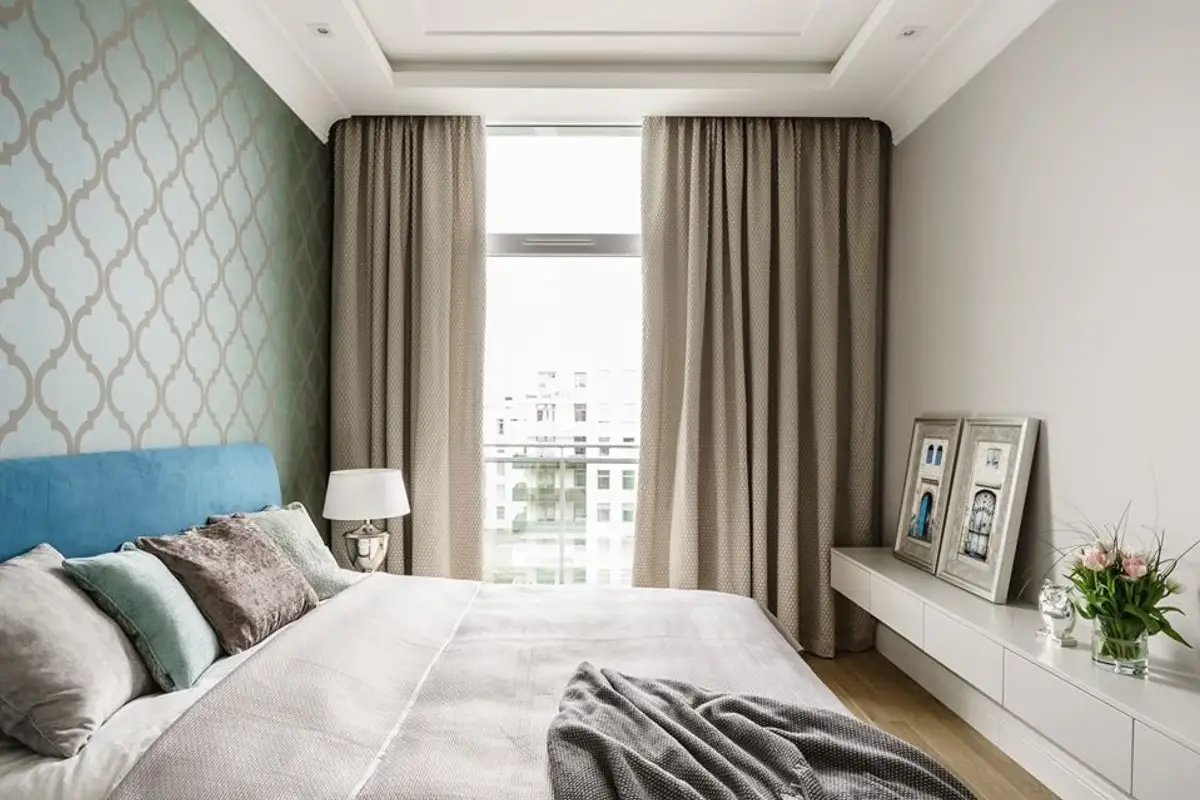
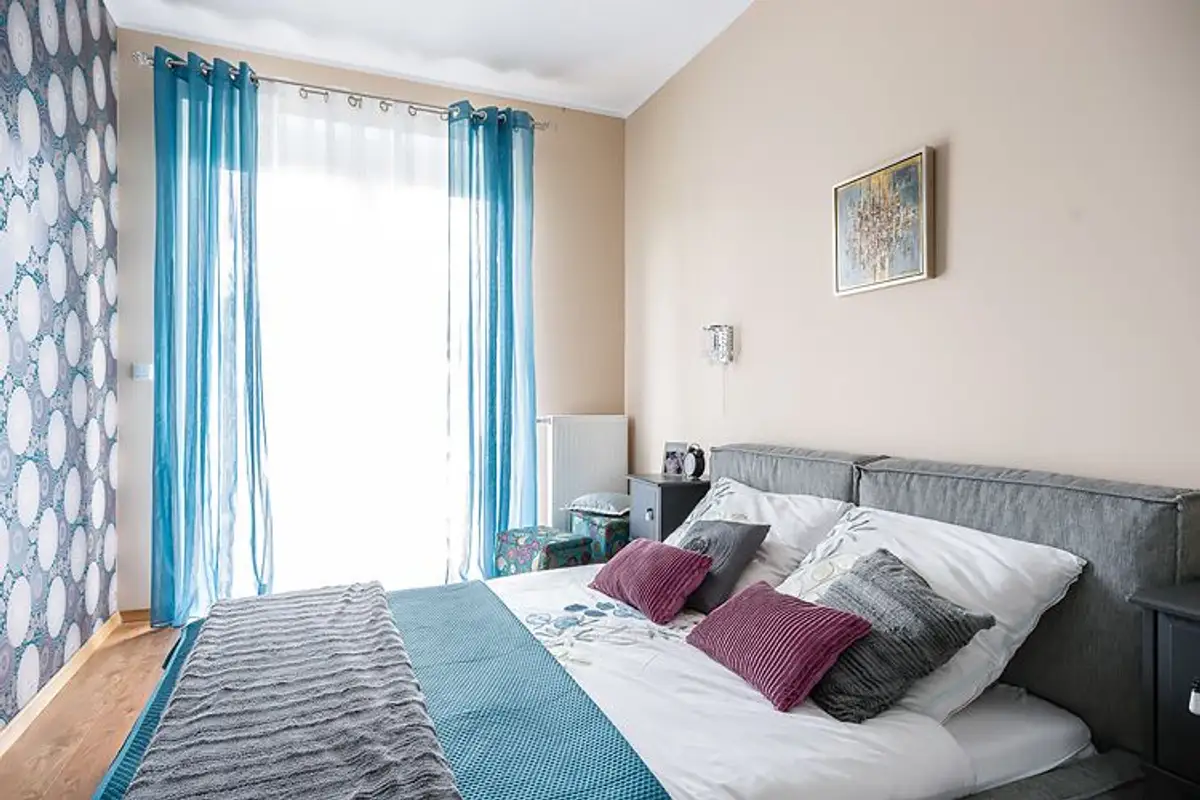
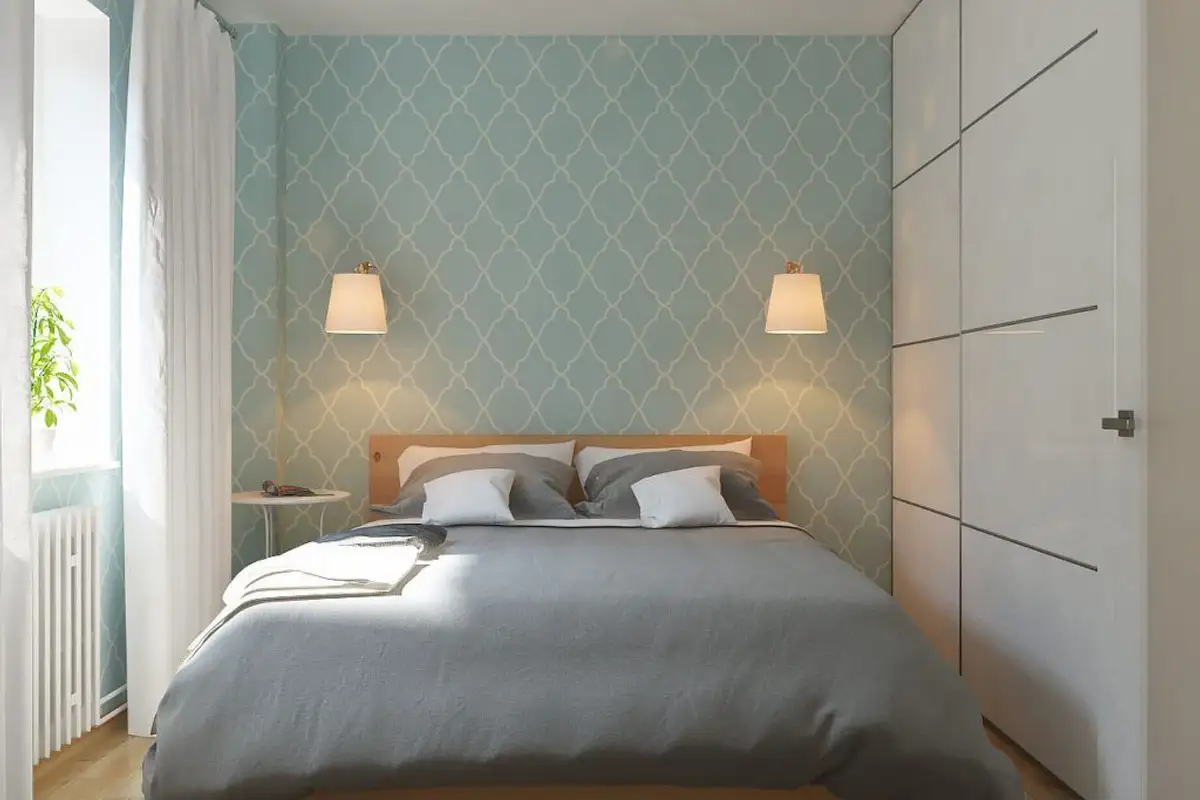
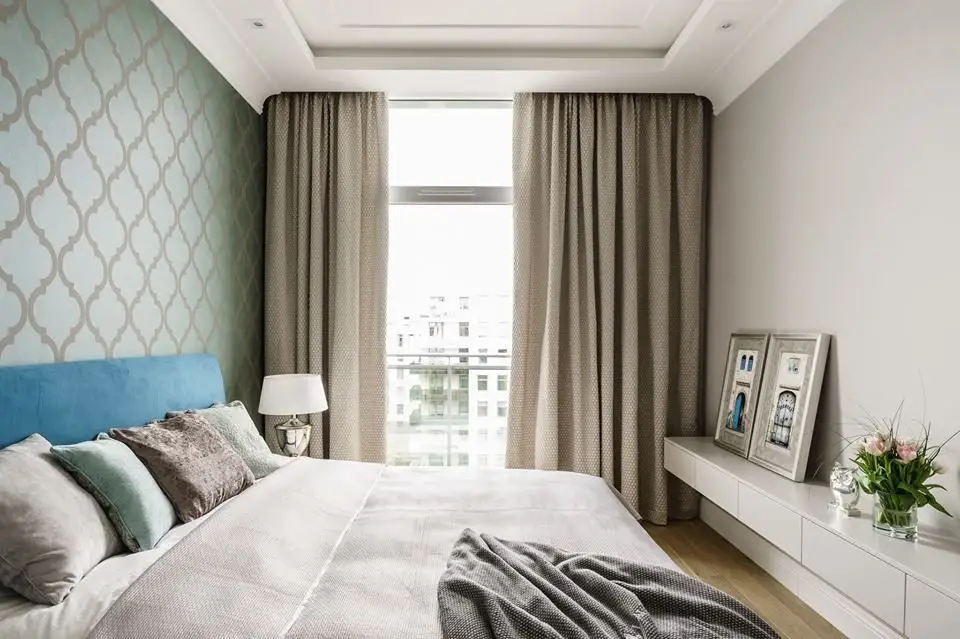
For some it's a landscape, for others a favorite color. Regardless of your choice, opt for a mural painting, wallpaper, or wall sticker and create something special opposite your bed that has meaning for you.
You can also choose a headboard sketched directly onto the wall, eliminating the need for a classic one and thus freeing up some space in the room. What about storage? Consider a bed with a spacious drawer where you can store bulky items like pillows or duvets. This will prevent your walls from becoming cluttered.
If you need to set up a workspace, you may want to consider expandable table models, provided space allows.
Even if you have a ceiling light or wall sconces, it's good to have reading lamps in your bedroom. Both for practical reasons and aesthetic ones. For example, if you have a light-colored floor and whitewashed walls, break up the monotony with a floor lamp, such as a Tolomeo, in red, cobalt blue, or emerald green.
Pair it with drapes or decorative cushions and contrast it strongly with the nightstand.
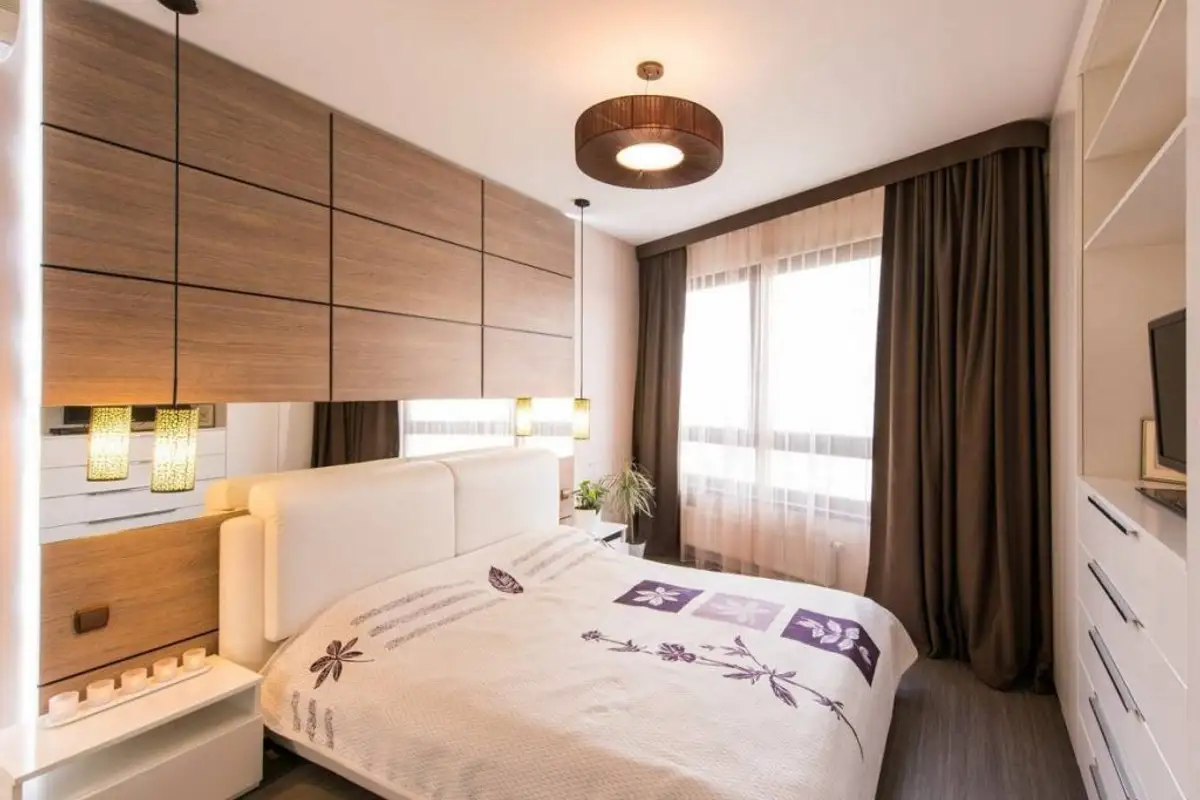
If you keep the wardrobe in the bedroom and have mirror-clad doors, then mount it facing the window to create the illusion of more space. Build the wardrobe in such a way that it uses vertical space as much as possible, to avoid the need for other storage spaces.