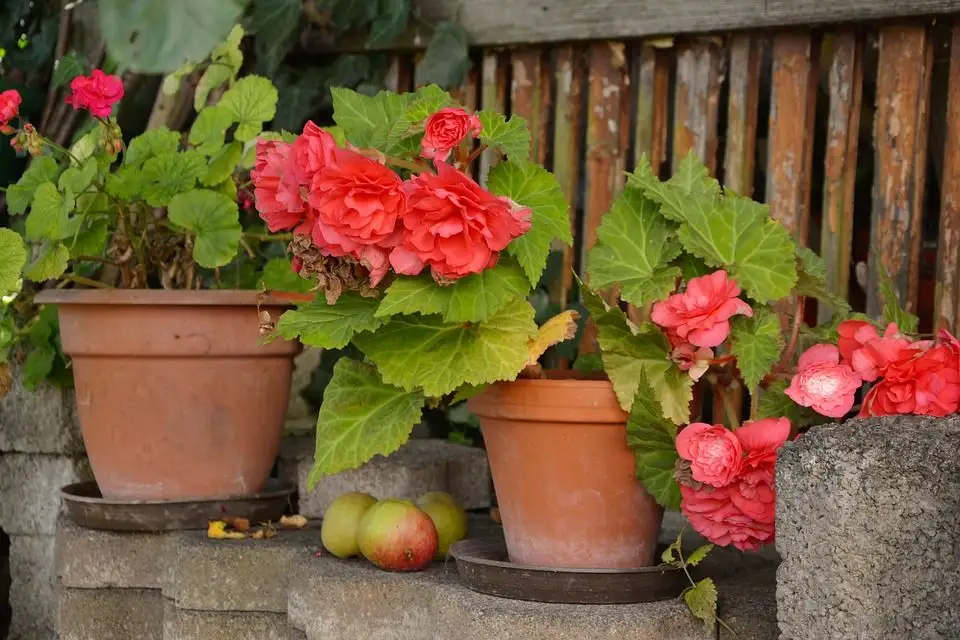
We all know begonias, among the most beautiful ornamental plants, but which give us so many headaches with their care. Most often they dry out, although owners say they have tried various reasons to prolong their life. In what follows, we will talk about begonias, about their species, and above all, how they can be cared for.
Begonia is a herbaceous perennial plant, bushy which can reach a height of 30-40 centimeters and originates from India, Indonesia, Central America, and South America.
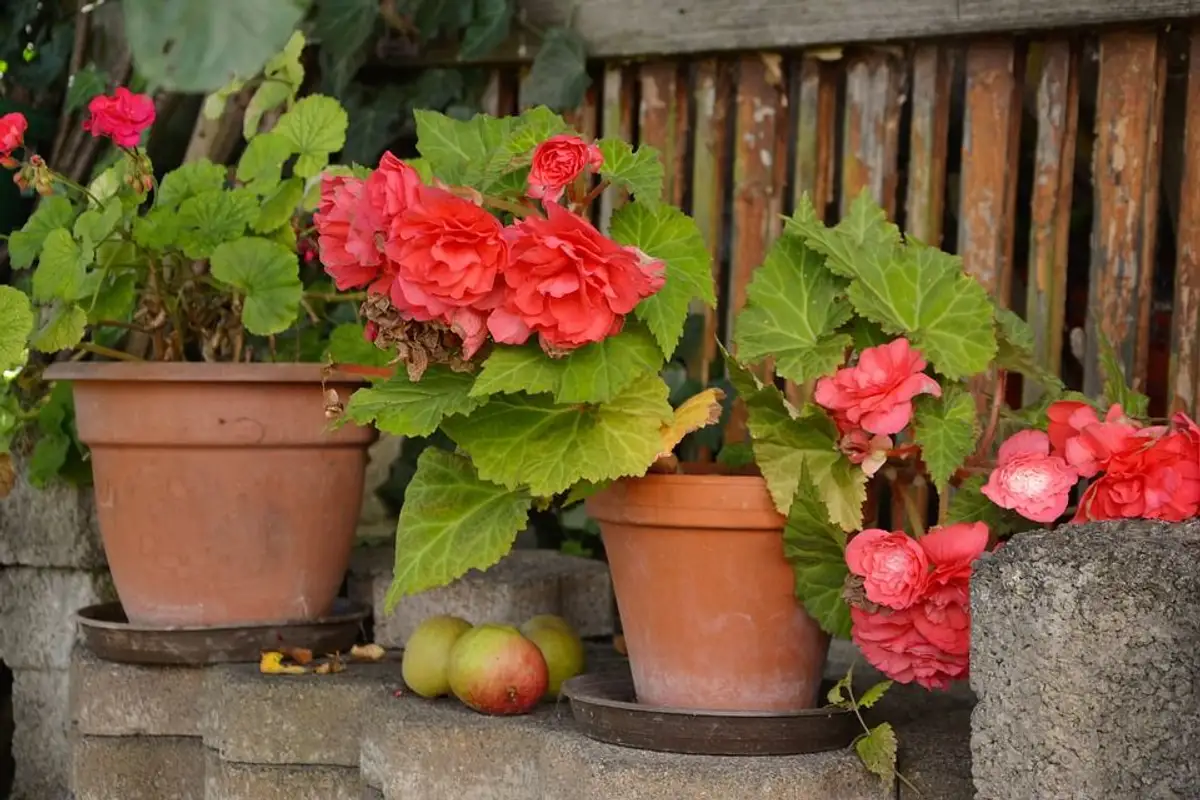
Begonia is perhaps the most beloved ornamental plant, both through its leaves and flowers. If it benefits from adequate care, it will flower all year round, and the species with rich foliage will be a wonderful ornamental plant. The leaves of this plant are shiny and green, and sometimes they can be reddish and fleshy.
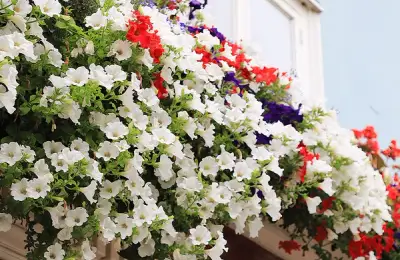
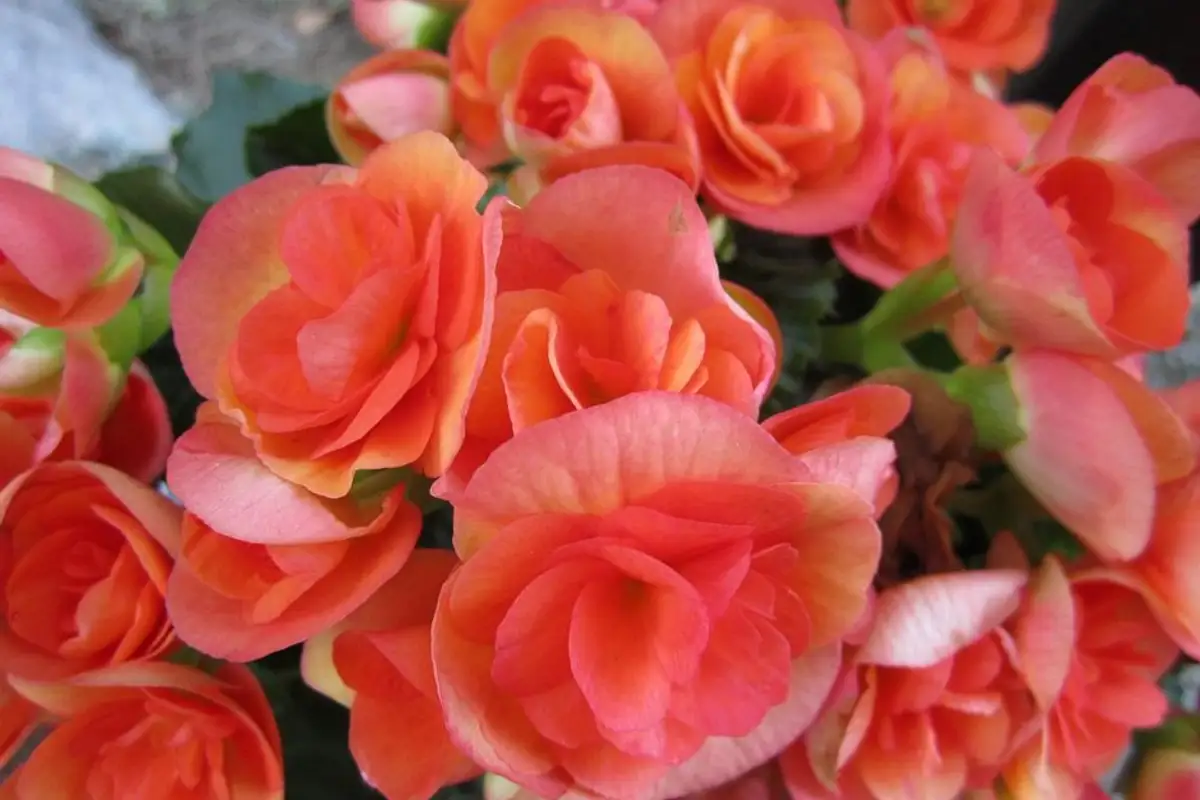
The flowers resemble those of roses and can have different colors, from dark red to pink, from yellow to white.
Flowers are more abundant during the summer when planted outdoors, but some species flower a lot even in winter.
The most popular and well-known species are: Begonia Semperflorens, characterized by a very beautiful appearance, Begonia tuberhibrida, which is a plant with flowers colored white, yellow, or red and which blooms only in summer, but which has very beautiful leaves in winter, Begonia gracilis, the dwarf variety, with small, copper-colored leaves and white, pink, or red flowers.
The Little Diva
Although it is quite difficult to maintain, which makes them not exactly to everyone's liking who grow their flowers indoors, begonias are appreciated for the beauty of their flowers, but also of their leaves (depending on the species).
Begonia is a vast genus, comprising over a thousand species, which are divided into three main categories, depending on the type of roots: tuberous, rhizomatous, and fasciculate (fibrous).
Despite this multitude of species, there are however some common characteristics among them, including: asymmetrical growth of leaves along the stems, male flowers separated from female ones, but which grow in the same inflorescence.
Rhizomatous species are evergreen and are appreciated for the variety and beauty of their leaves. Tuberous begonias are distinguished by the large, colorful flowers they produce during the summer. Fasciculate begonias are indoor evergreen plants that produce delicate florets and can be shrub-shaped or trailing plants.
However, there are also some species that lose some of their leaves in winter.
How to plant begonias
Rhizomatous Begonias
During the warm period of the year, they should be exposed to strong light, but protected from direct sunlight. Watering them should be done once or twice a week. If the weather is very hot, they can be watered even more often, as the temperature at which this species feels best is 15 degrees Celsius.