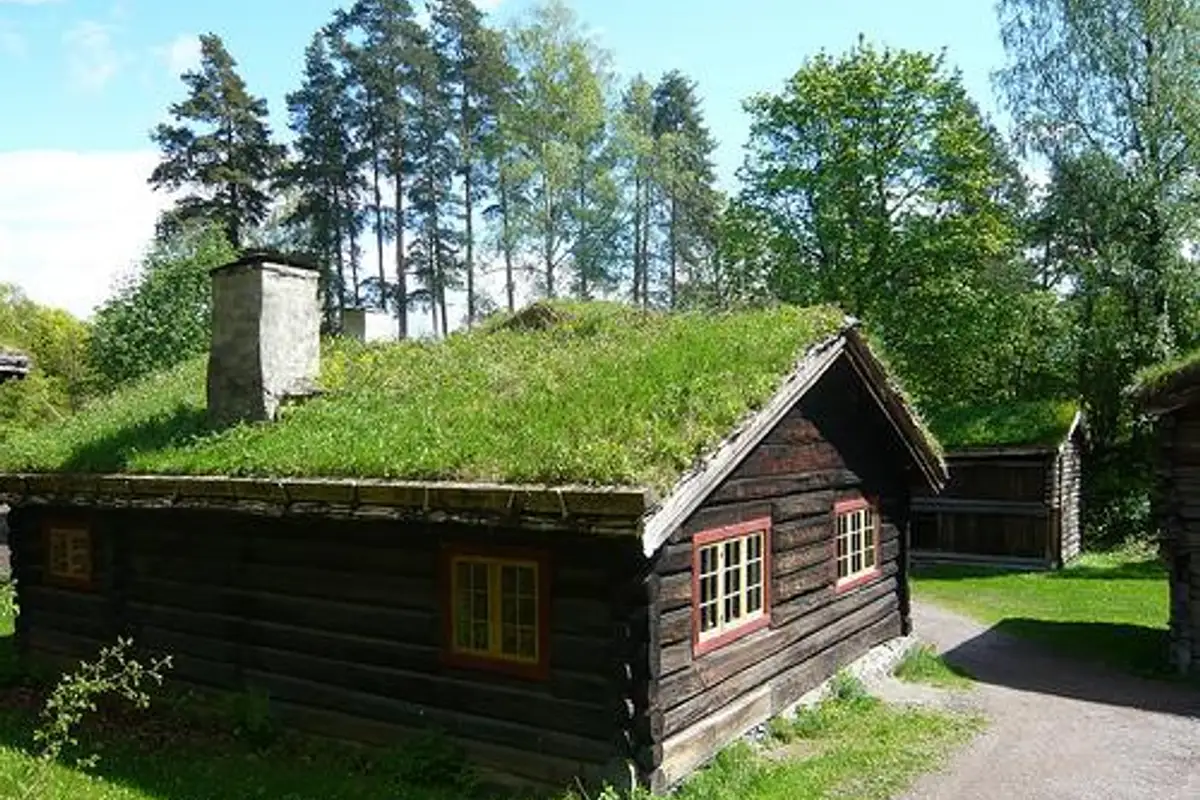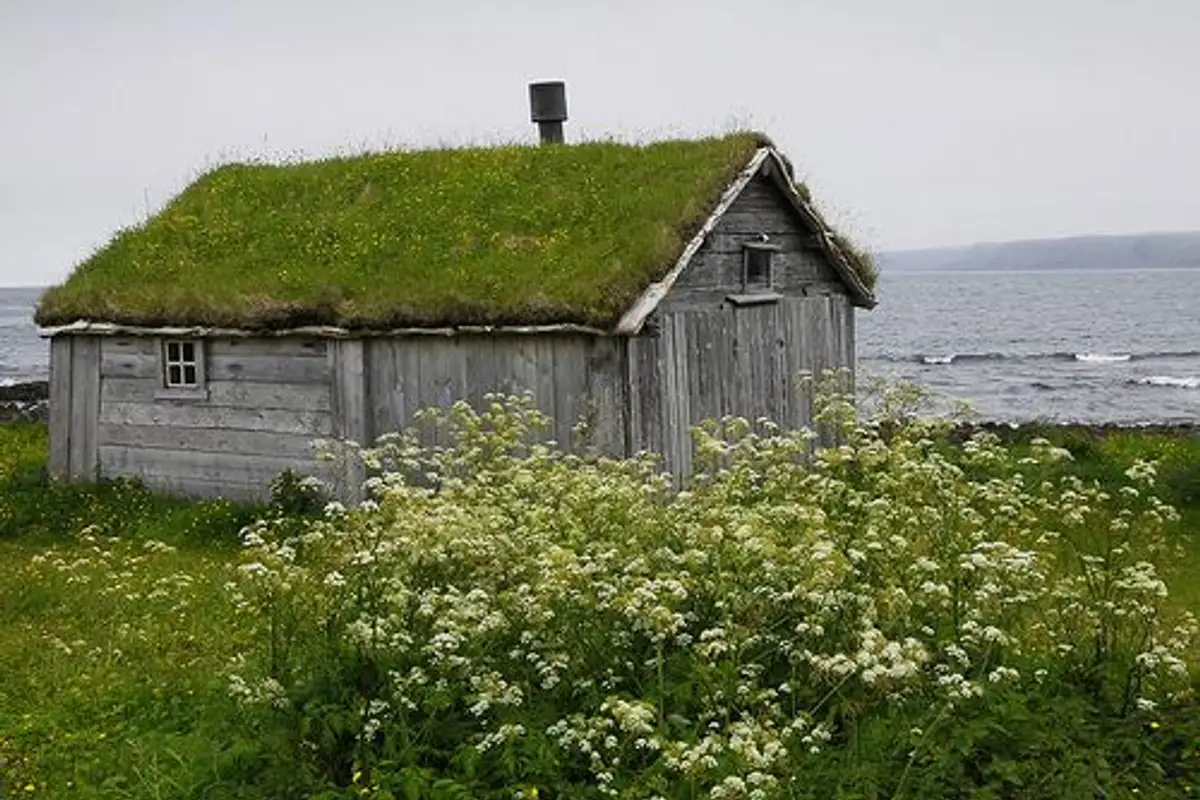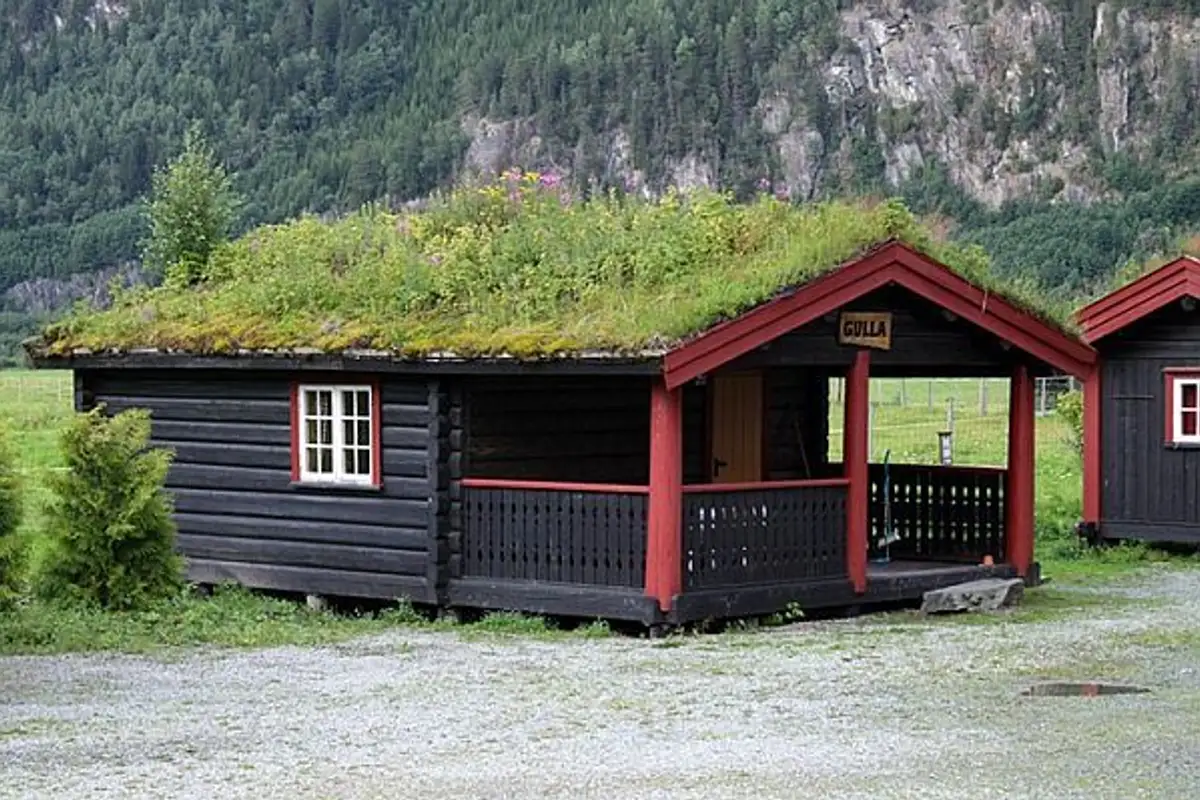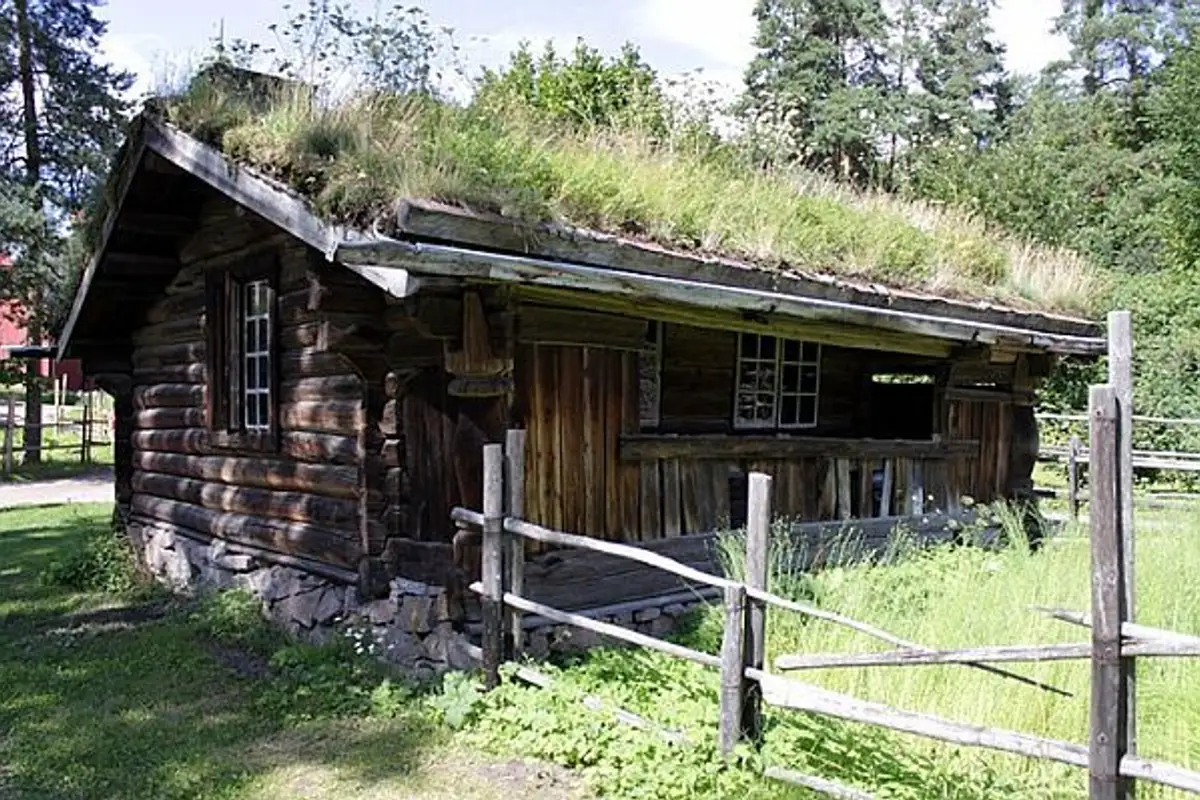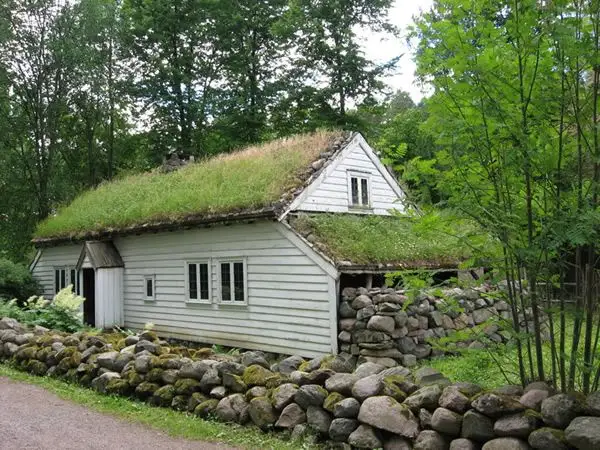
The use of a green roof is a new trend in Romania. It is a recent concept that has emerged here, but with tradition in Europe, especially in Scandinavian countries.
What does a green roof mean? A green roof is a roof covered totally or partially with vegetation: grass, lichens, or other green plants that can grow with or without human intervention.
The structure of such a roof is different and more complex than that of a conventional one. A green roof includes several layers, each with a well-defined role, the most important being waterproofing and the layer that prevents plant roots from damaging other parts of the structure.
Benefits of a Green Roof
The benefits for the environment are not to be ignored. The green roof has the ability to maintain a constant temperature inside the house, regardless of the season. In addition, it is an excellent thermal and acoustic insulator, significantly reducing the amount of energy needed to cool or heat the house. It also provides protection against fires.
But perhaps one of the most important effects of green roofs is their ability to retain dust particles, heavy metal particles, and other pollutants from the atmosphere. Some of the pollutants are filtered by the plants, releasing oxygen into the atmosphere. Recent research shows that vegetation can reduce the effects of electromagnetic radiation.
The vegetation planted on the roof retains some of the rainwater, reducing the risk of flooding. Through photosynthesis, some of it returns to the atmosphere, thus supporting the water cycle in nature.
Another advantage of using a green roof is its durability. Having multiple layers, such a roof lasts longer because it is protected from extreme weather phenomena, with the vegetation layer taking on thermal shocks, water, and strong winds.
Overall, the green roof offers long-term savings and a simple and efficient alternative to the polluted environment we live in.
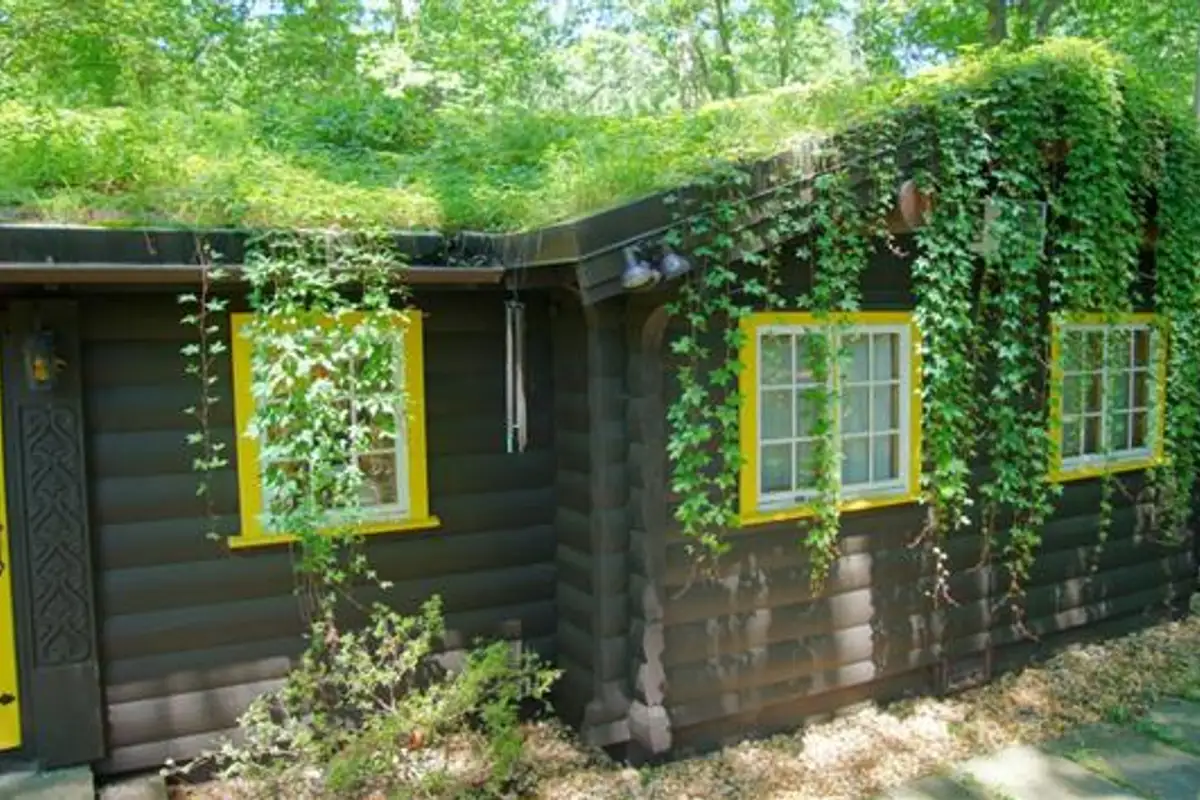
Green Roof House