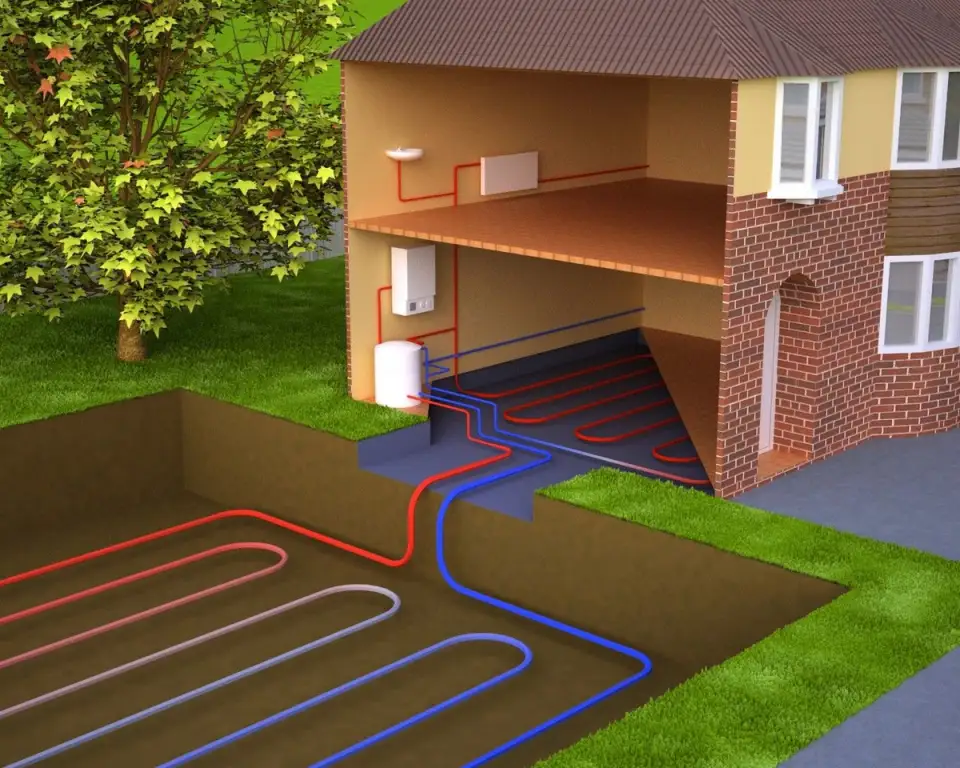
A heat pump is a device that transports heat from a source to a radiator using the temperature accumulated inside the ground. Usually, the process triggered by this pump can be reversed, meaning that the pump can transport both hot and cold air.
This system also works for pumps found among the components of refrigerators, freezers, and air conditioners.
The heat pump extracts energy from the natural environment – soil, surrounding air, or groundwater – energy with inexhaustible potential. It is important to know that a heat pump cannot make these transfers without mechanical work; in other words, the installation must use a certain amount of electrical energy to achieve the heat transfer between the two media.
Heat pumps are relatively new products on the Romanian market but are very well known in Scandinavian countries, where the need for home heating has made people try to adapt to our times when natural resources have become very important.
Advantages of a Heat Pump
One of the benefits of this heating system is that it ensures independence from fuels (gaseous, solid, or liquid);
It provides the same amount of heat as gas or electric central heating systems but with much lower consumption costs;
These types of pumps can provide the necessary heat indoors in winter and cool air for air conditioning during summer;
They do not produce harmful fumes, waste resulting from combustion such as ash, and pose no risk of explosion;
Heat pumps can be installed for both normal homes and villas, apartment blocks, hospitals, public places, or company headquarters.
Homeowners who have installed a heating system based on a heat pump can have more comfortable winters than others. The heat emitted by a gas boiler, for example, has low humidity, while a heat pump releases a temperature with a normal humidity level.
Steps for Installing a Heat Pump
The first step in installing a heat pump is the thermal calculation of the building, which is done by a specialist engineer. This specialist establishes the global coefficient of thermal insulation of the building and, based on the thermal needs of the house, also dimensions the heat pump.
Then comes the drilling operation, which is carried out according to European directives that aim to protect the environment.
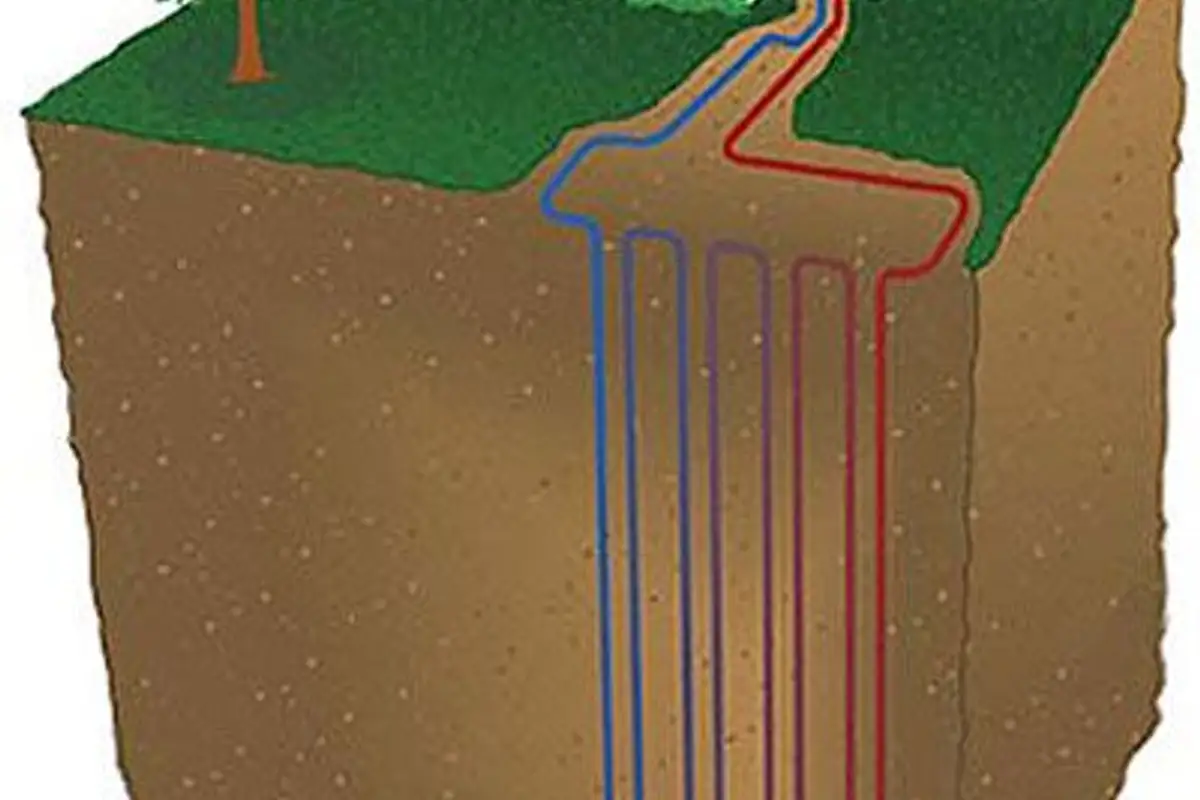
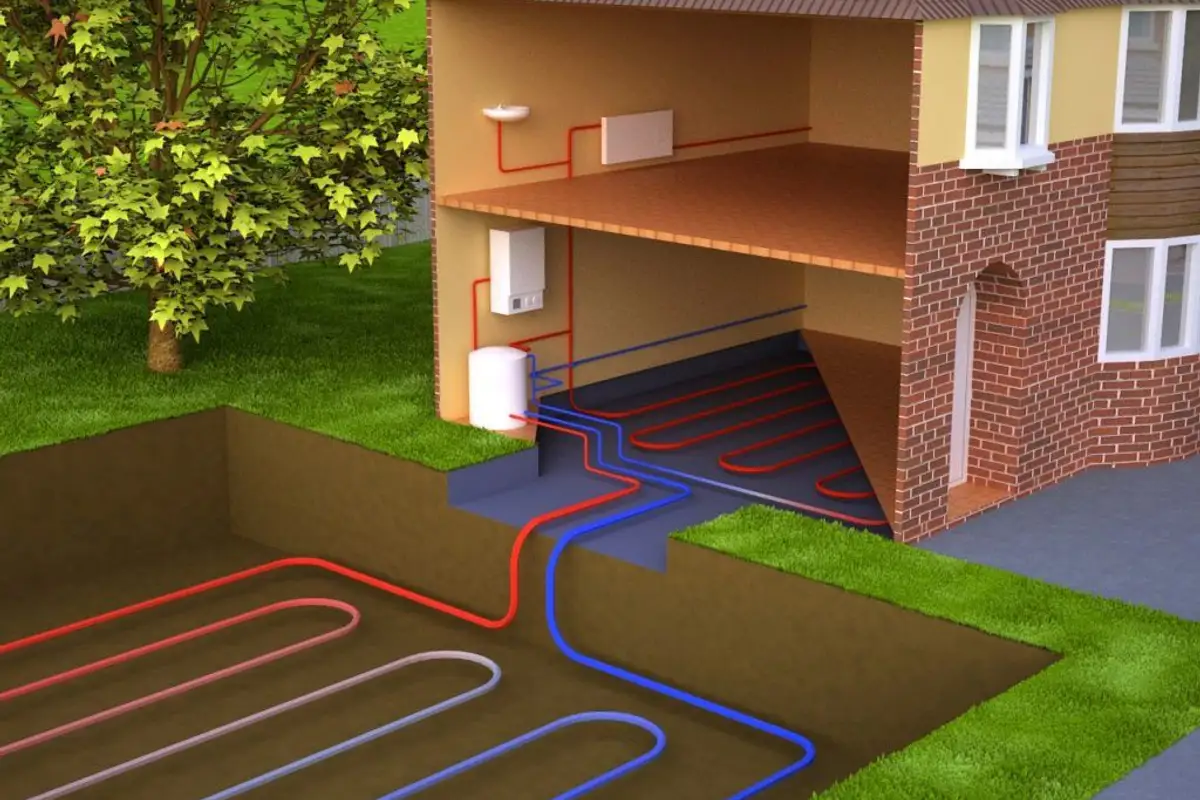
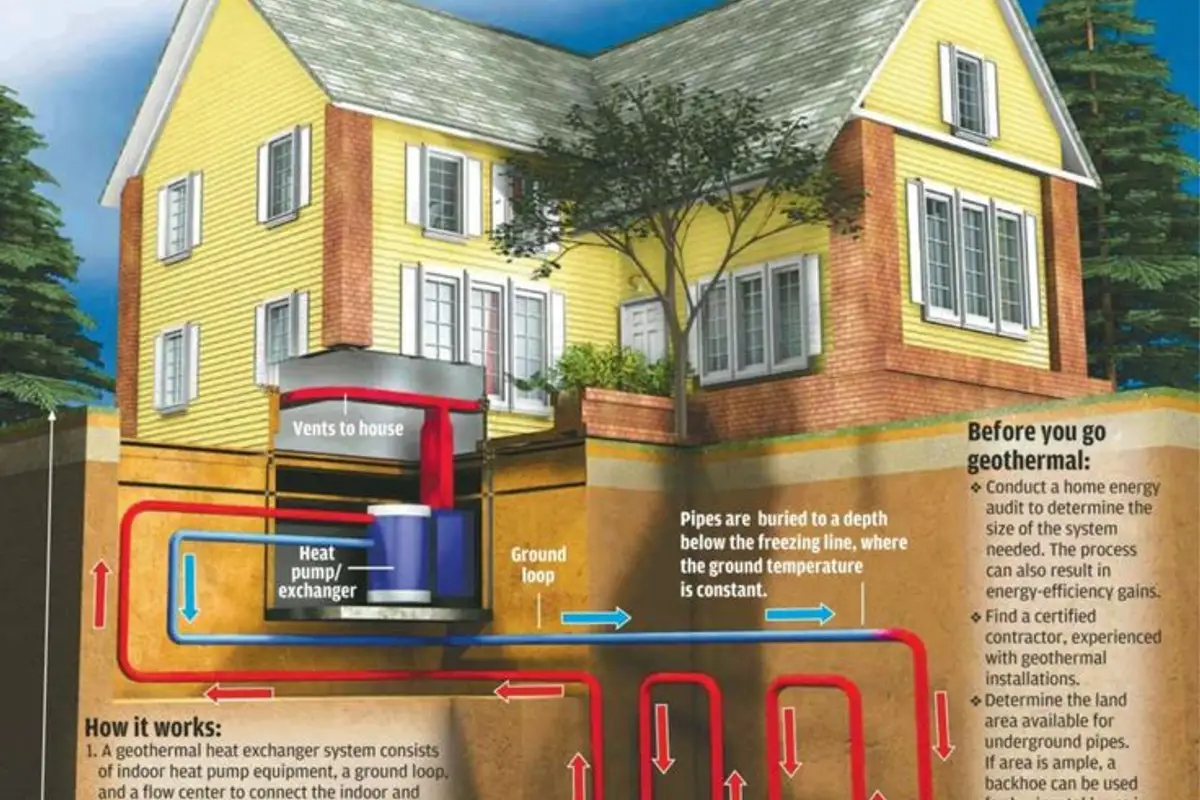
After the drilling is completed, heat collectors are introduced into the ground. Through this closed system, made up of polyethylene pipes, an antifreeze circulates, which connects to the pump. The energy extracted from the ground is transmitted to the coolant. The thermal agent, through vaporization, transforms into a gas that is absorbed by the compressor.
This is compressed and as a result of this process, the temperature of the gas rises to 70 – 100 degrees Celsius. The temperature is taken over by the thermal agent through the condenser and then used for heating buildings or producing hot water.