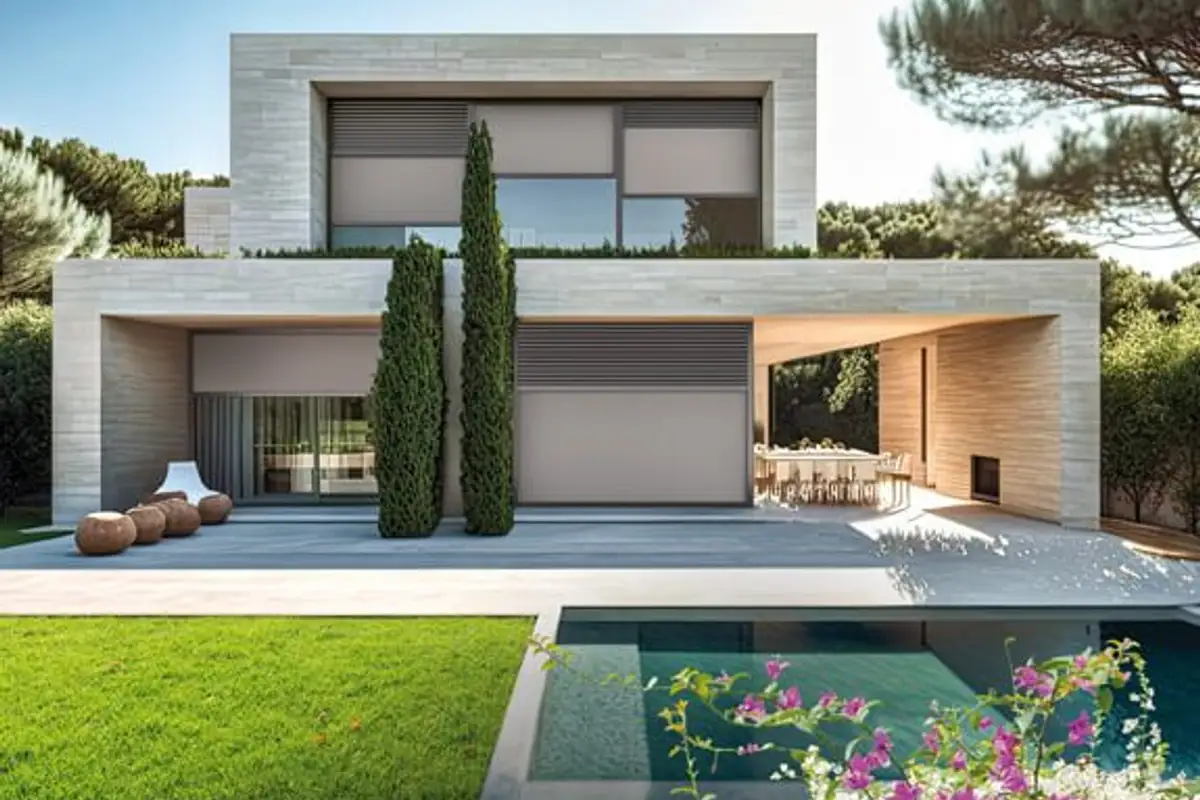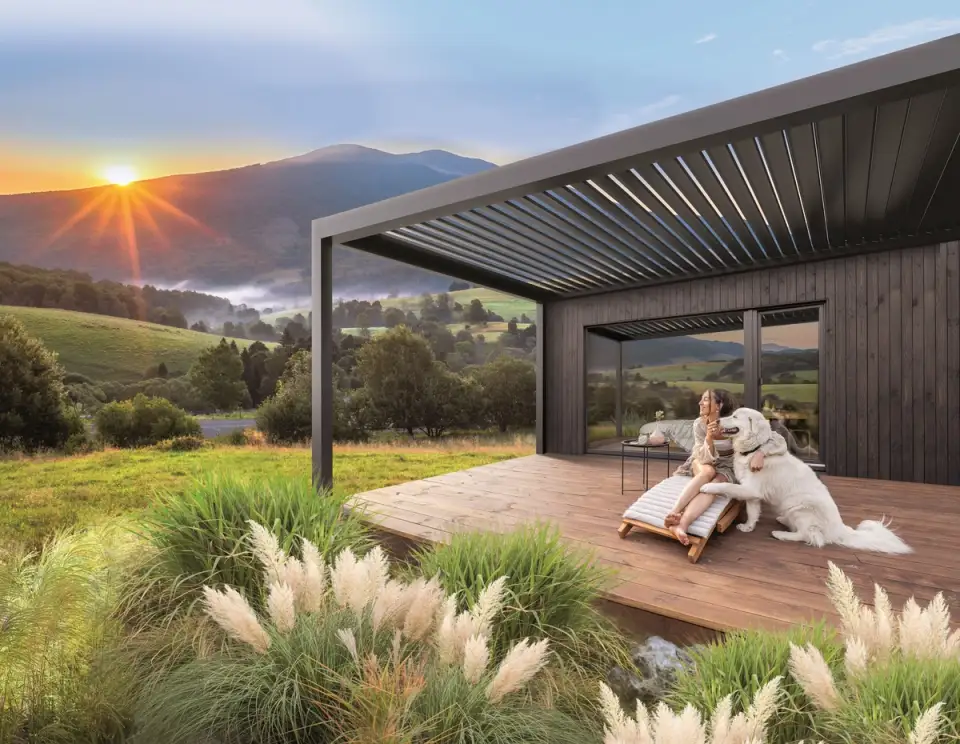
In the context of recent climate change, Romania's climate is increasingly characterized by prolonged episodes of intense solar radiation and frequent heat waves. The impact of these phenomena is particularly pronounced in the southern and eastern regions, as well as in large urban agglomerations such as Bucharest, Cluj-Napoca, and Timișoara.
Consequently, the design of contemporary buildings imposes new approaches, in which the management and control of solar radiation flux represent an essential criterion.
According to meteorological data, Romania is among the countries with a relatively high annual solar balance, reaching 2,000 and even 2,300 hours of sun exposure per year in many regions.
In Bucharest, the number of sunny hours often exceeds 2,100, which, during the summer season, leads to a significant increase in the risk of building overheating, especially those with extensive glazed facades and southern or western orientation.
The complex configuration of built-up areas, characterized by the coexistence of modern multi-family buildings and continuously expanding residential neighborhoods, reduces the effectiveness of traditional passive solutions, such as deep eaves.
In these conditions, modern solar protection systems play an important role in optimizing indoor comfort and limiting the need for cooling energy.
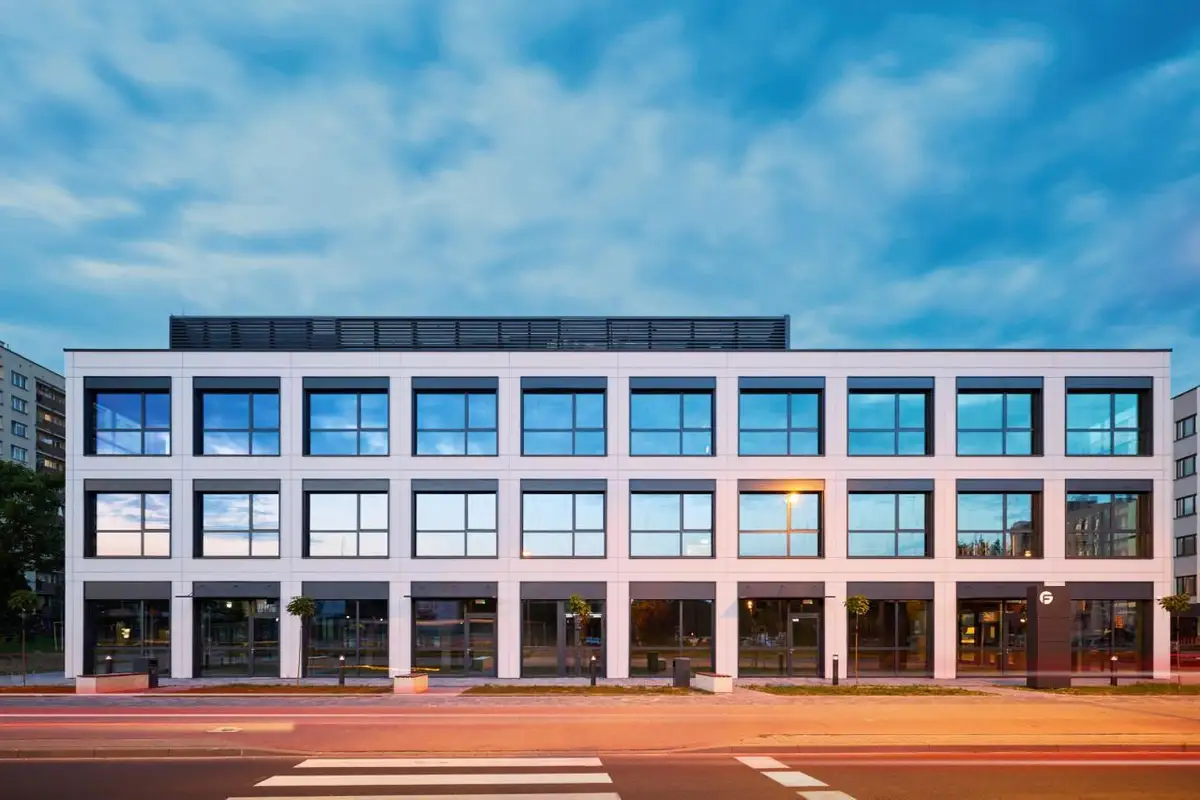
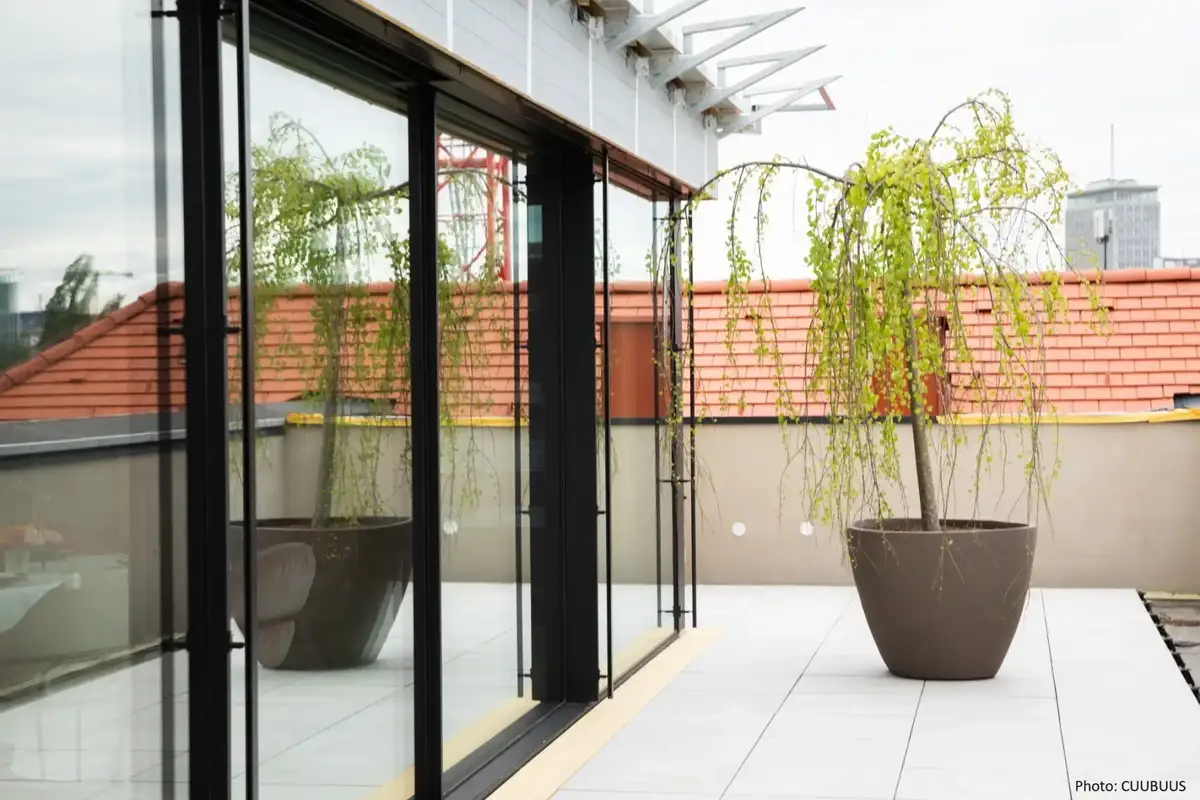
Das Artmann, Vienna, Austria. Systems used: Sky Roll CLASSIC, MB-S R50N ZS,MB-S R50N HI+, MB-SKYLINE, MB-86N
Solar protection design – requirements, standards, recommendations
The Romanian regulatory framework in the field of building energy efficiency, developed following the implementation of Directive EPBD and the requirements for nearly zero-energy buildings (nZEB [A K1.1]), increasingly obliges the evaluation and integration of solutions to limit thermal gains from the initial design phases. The integration of solar protections into the facade architecture must be carried out in a coherent way, both aesthetically and functionally, so as to support the building's energy performance and its contemporary architectural expression. An example of this approach is the MB-S R50N ZS aluminum facade, designed for compatibility with Sky Roll screens.
This solution uses specially designed tensioning profiles that also act as guides for the screens, allowing their discreet and aesthetic use within the MB-S R50N supporting facade.
Thanks to this configuration, solar protections can be provided or added in later stages of project implementation without requiring modification of the facade structure.
Of course, there is no obstacle to using solar protections on existing buildings. – Sky Roll ZIP screens are becoming increasingly popular, available in plasterable (under plaster), above-window mounting and applied variants. They offer transparency, reduce glare and radiation, without limiting access to natural light.