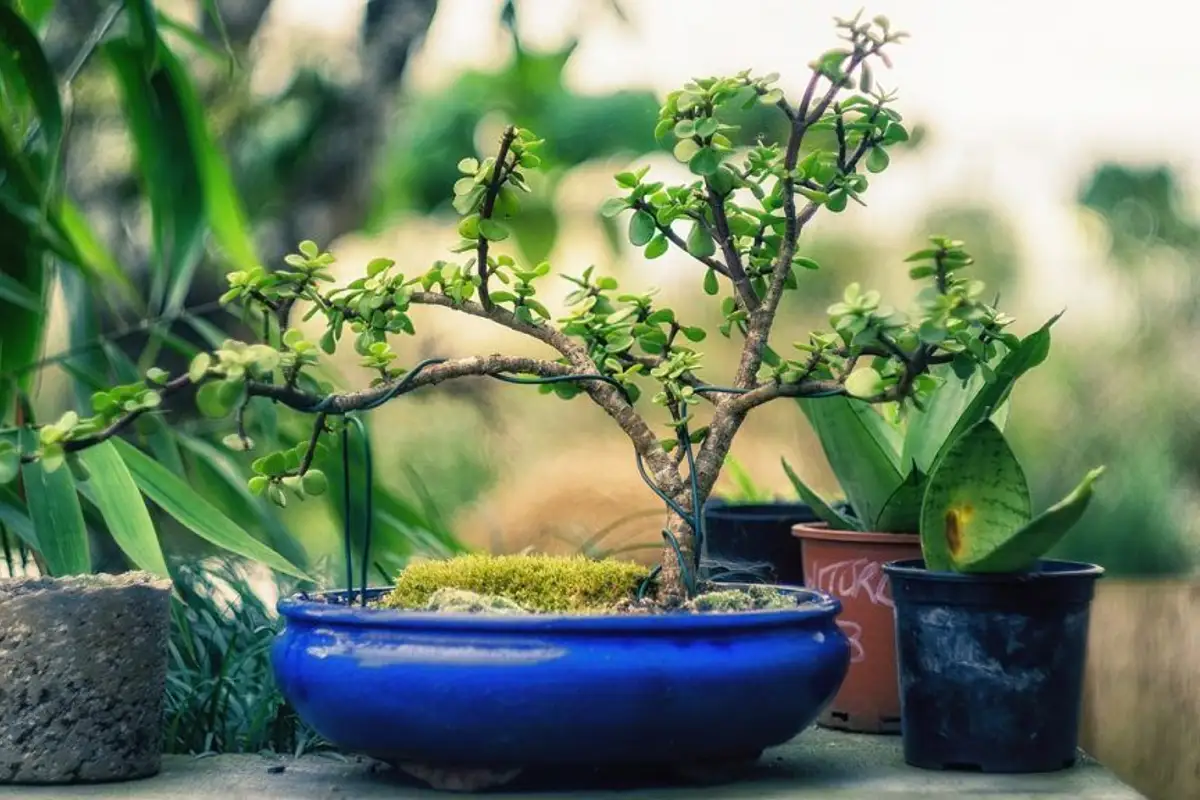
Bonsai (in Japanese means, in an approximate translation "gardening in a tray") represents the art and science of growing miniature plants and trees, by forcing their growth in spaces much more restricted than are naturally required for their development, through proper guidance and cutting of branches and minimal feeding with water and fertilizers.
Trees thus grow into an aesthetic form, which most often suggests advanced age. You should know, however, that the impression of aging is not false because many bonsai trees are indeed old, but they show this in their miniature form, so appreciated.
In short, Bonsai is the art of growing plants, usually shrubs or trees, so that they remain small.
Currently, the term bonsai refers to the shrub itself. Traditionally, bonsai was grown in the garden. Over time, the art has been "„adapted”" and can be practiced indoors as well.
It starts with seedlings
If you have decided that you want to take up this art, the first step towards your own bonsai is to choose whether to start with seeds or seedlings. However, experts recommend starting with seedlings. The recommendation is especially for those who have never done this before.
Another important step is choosing the variety you want to plant, each variety having its own care regimen. In general, varieties with small leaves or conifers are preferred. Plant care techniques involve pruning certain leaves, grafting, tying branches with string to give them the desired shape, and shaping the trunk and branches using special tools.
But let's illustrate a bit better so you know what it's all about.
Bonsai styling styles
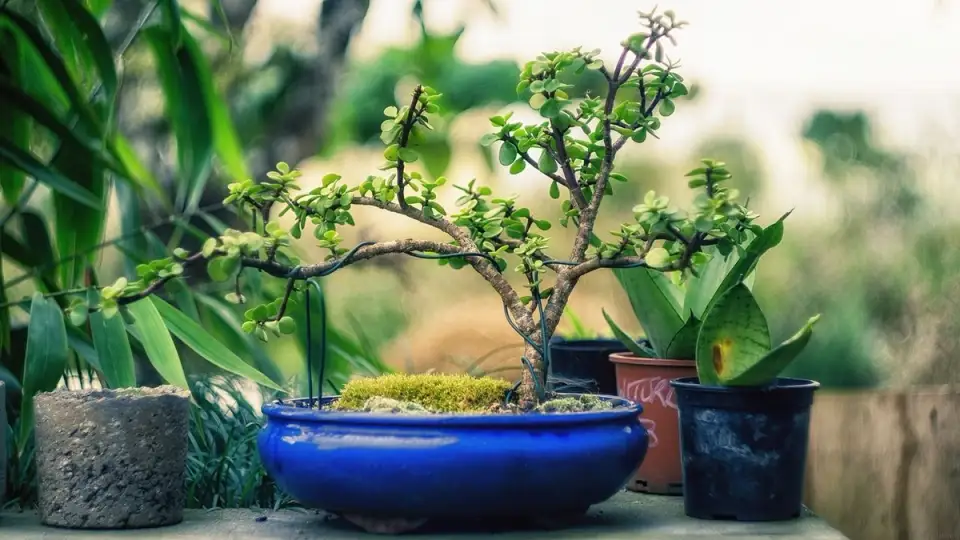
-The informal upright style is similar to the formal one, but incorporates visible curves. The progression of the branches is the same, but the pruning is more irregular.
-The slanting style involves a straight trunk, as in the previous styles, but this time the top of the tree is no longer directly above the root, but slightly shifted either to the right or to the left.
-The cascade style imitates the shape of trees growing on the banks of water bodies. The tops of the trees fall somewhere below the base of the pot.
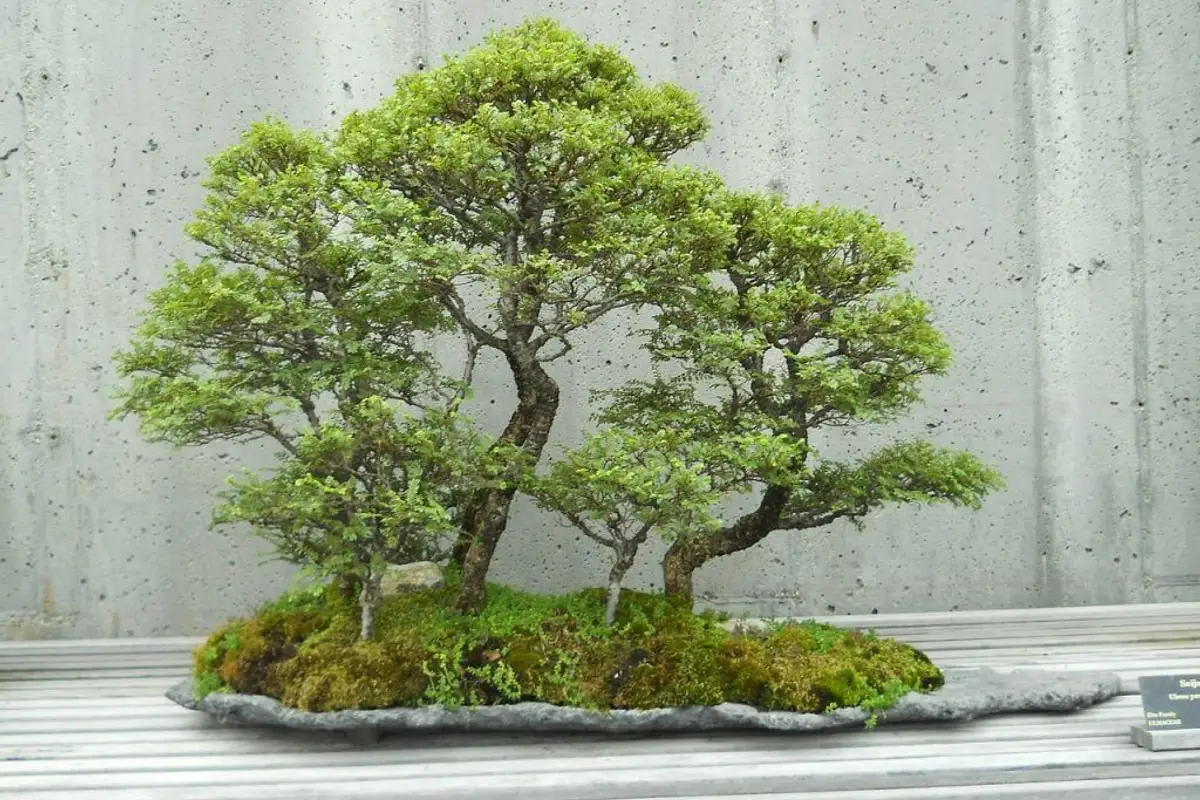
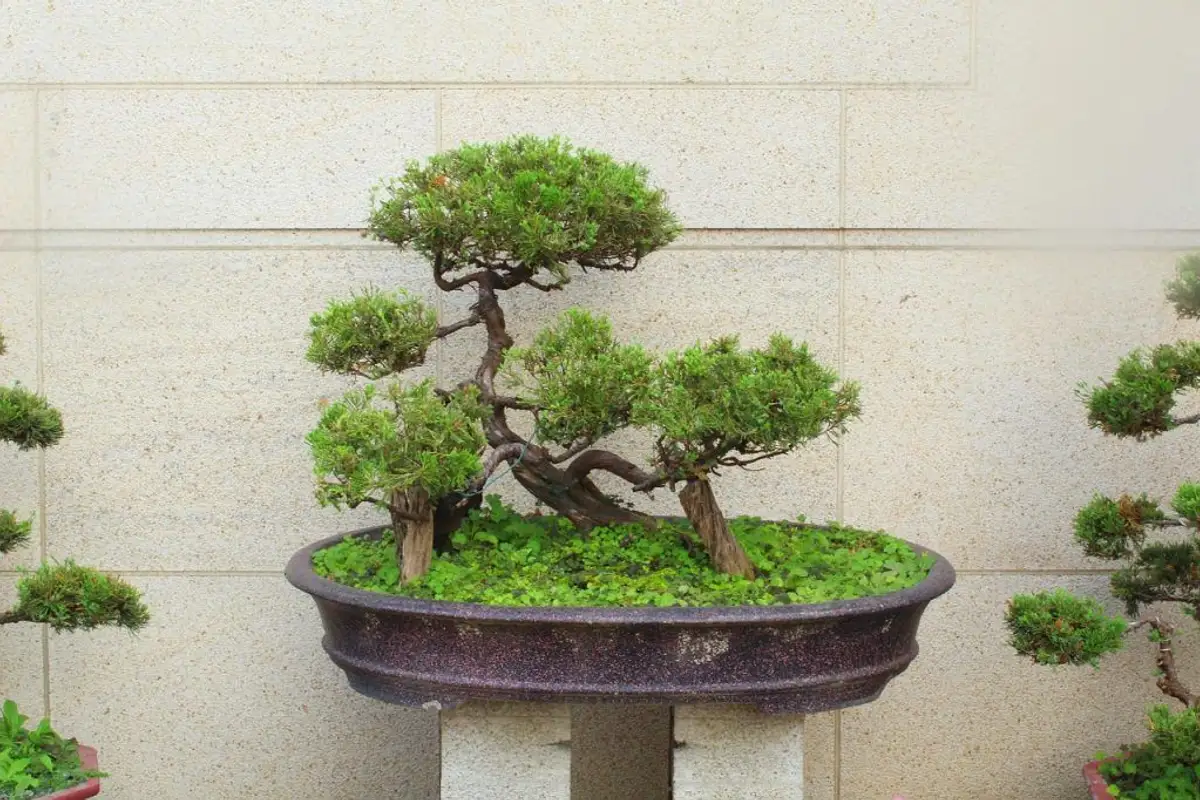
-The forest style involves several trees, usually of the same species and of different heights, grown in the same pot.
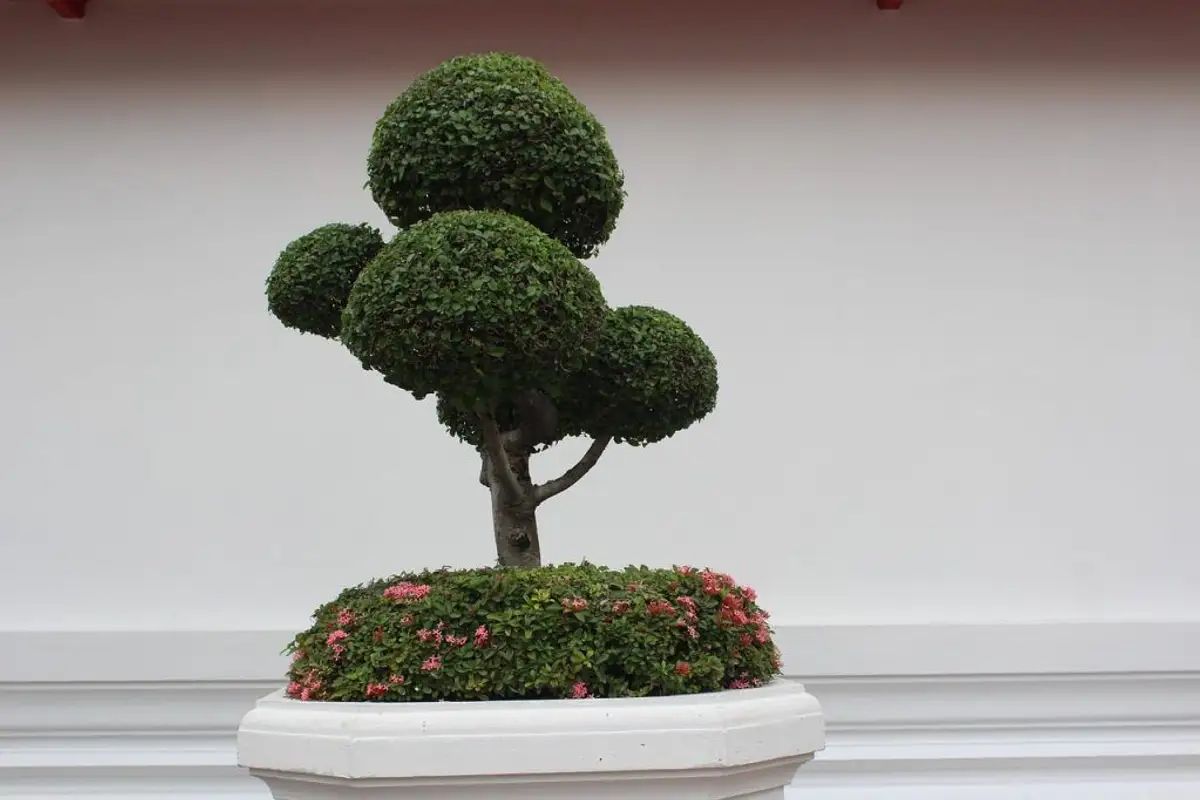
-The literati style is very suitable for species with spreading and delicate branches. The branches are allowed to grow in all directions, about a third of the height of the trunk. At the top they form a sphere.
Patience, patience, as much patience as possible
A bonsai can be obtained from seeds planted in a pot or by cleaning and unusually grafting fragile branches onto strong roots. Even trees with strange shapes can be taken from their environment and planted in a pot, but the cleaning and pruning operations must be done systematically.