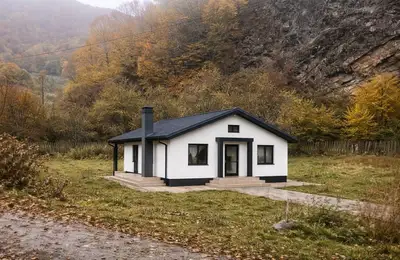
Brick or B CA is the most frequently asked question before starting to build a house. To a large extent, brick is the predominant material, but B CA has also seen significant growth in recent years. However, the dilemma remains: which is the right material for your future home?
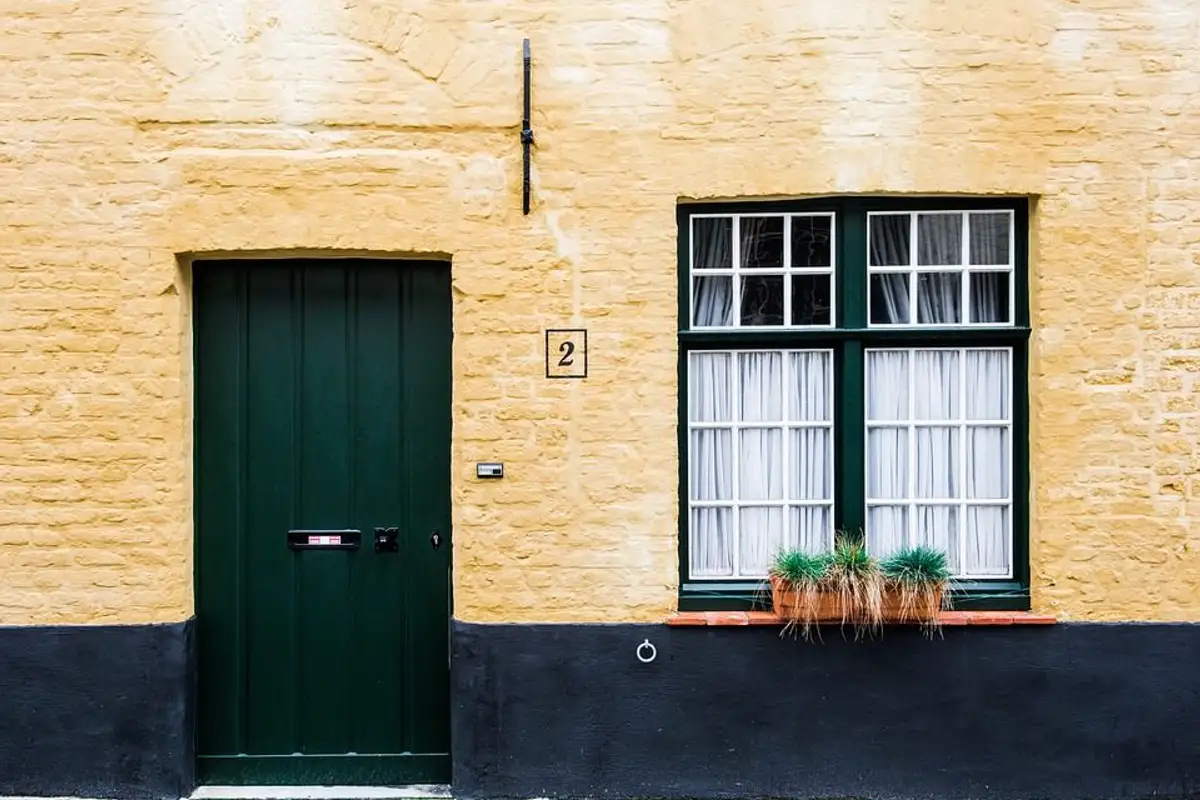
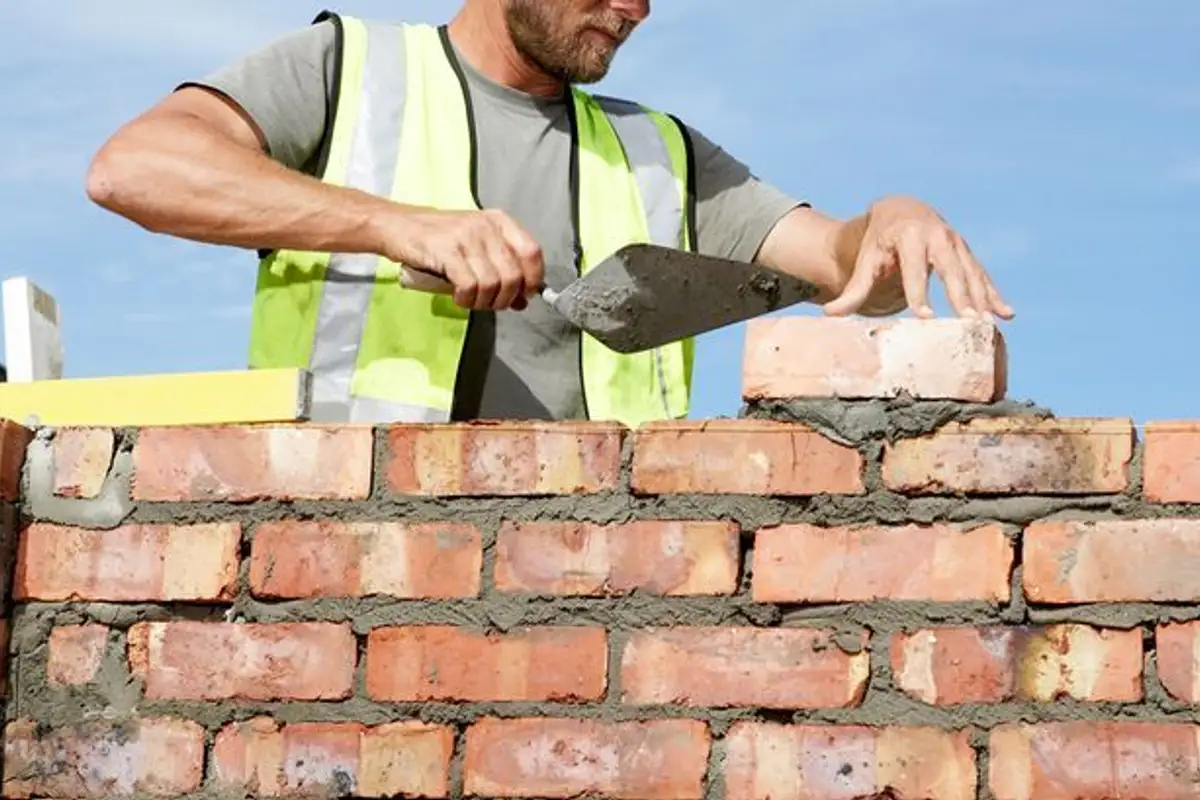
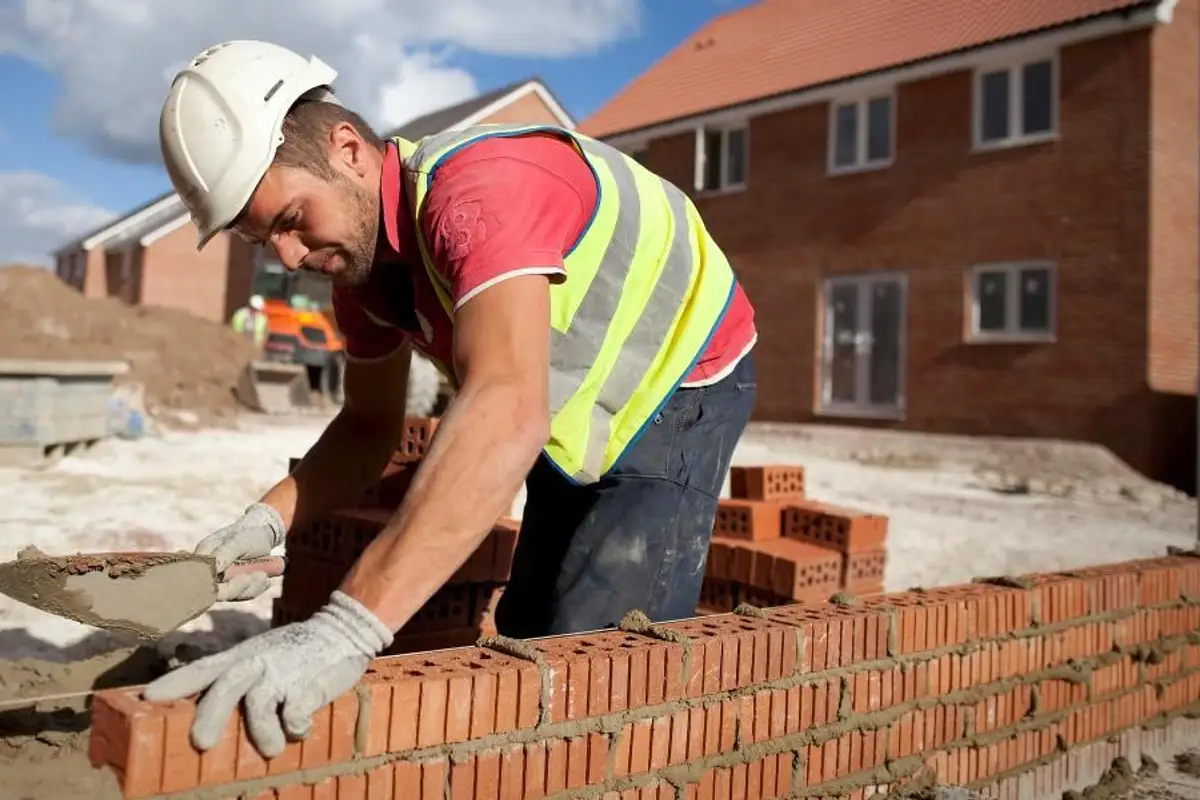
Opening Gallery Brick remains one of the most beloved materials with which we choose to build our homes. It's no wonder, considering its characteristics and advantages. Made from natural materials, it does not promote the appearance of mold. However, one of the most important characteristics of brick walls is their ability to take on some of the weight of the structure.
In technical terms, this characteristic is called load-bearing capacity. This reduces the consumption of concrete and steel used for the supporting structure.
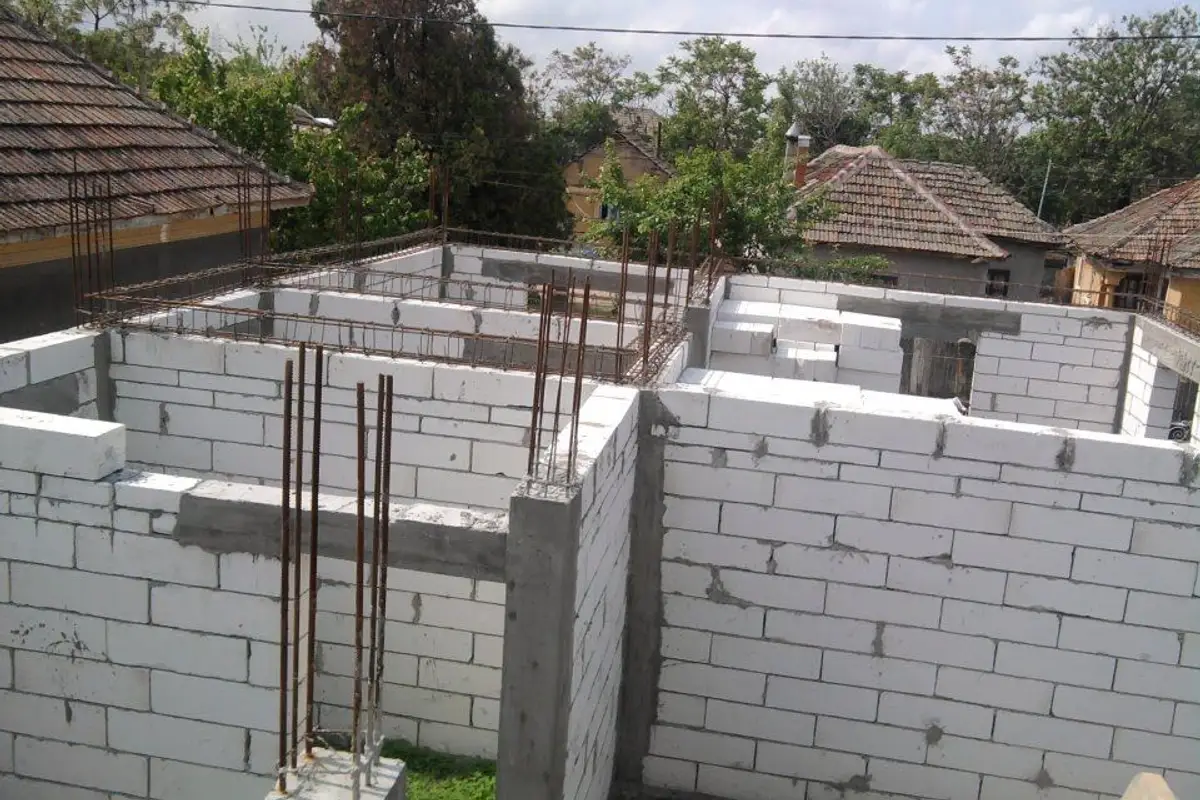
B CA, short for autoclaved cellular concrete, is made from limestone powder, sand, water, and various additives that help form air pockets inside. It is lighter than brick and can be used for both exterior and interior walls. Unlike a house built from brick, one built from B CA will need a higher degree of reinforcement.
Professionals recommend that in the case of using B CA, the supporting structure should be made with reinforced concrete frames or metal elements.
Due to its low water absorption, B CA walls have high resistance to successive freeze-thaw cycles. It is also easy to use, easy to cut and can be placed on any side. Therefore, a construction with B CA blocks will be completed faster than one with brick.
Being a very good thermal insulator, additional material use is not necessary. A brick house may require additional insulation.