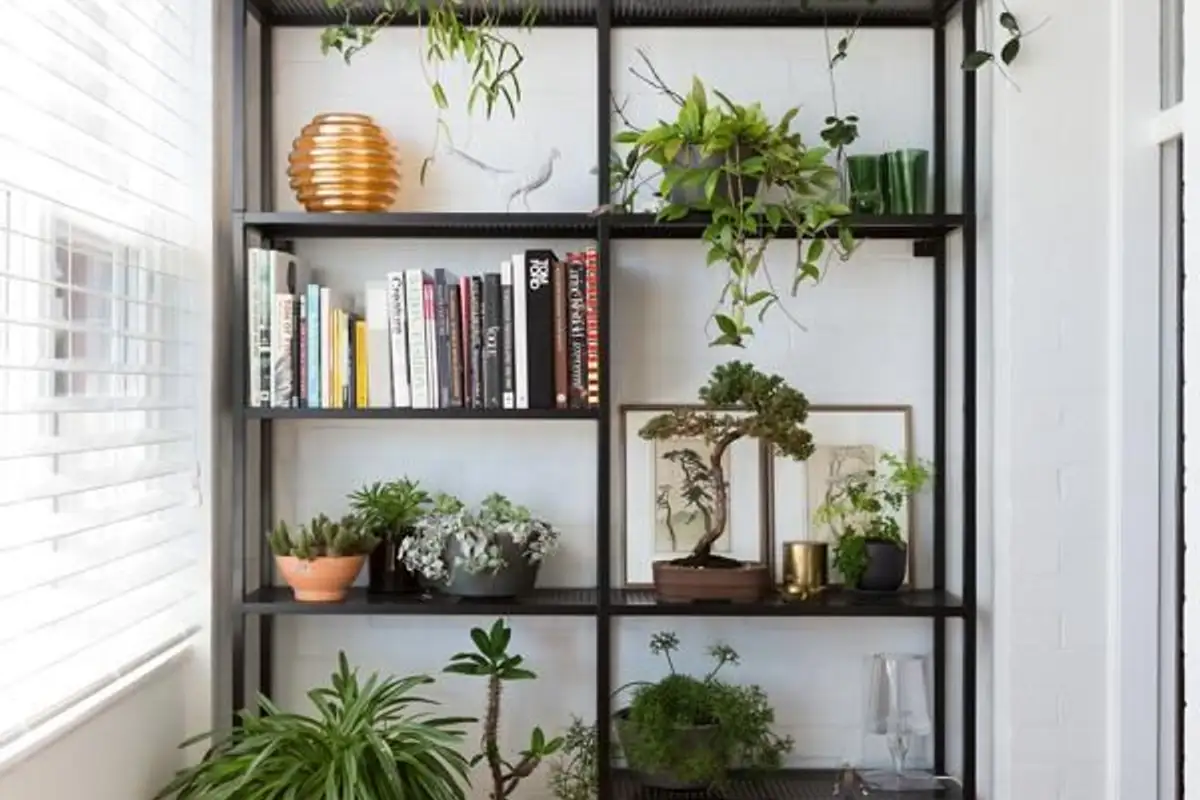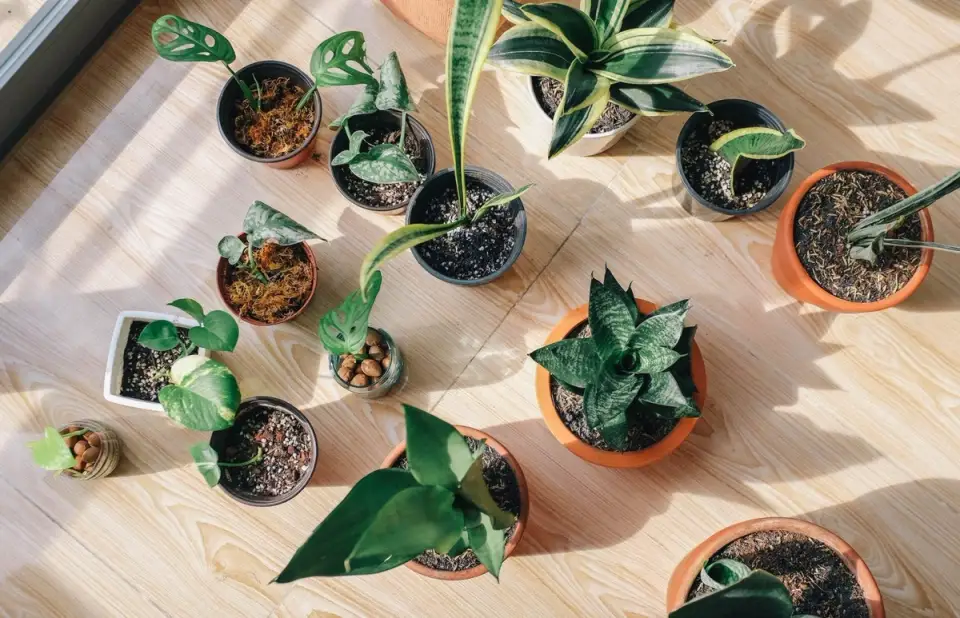
Long autumn and winter days affect our houseplants. If, in addition, pests appear, the plants in pots die faster than we imagined. In what follows, we will present seven of the most common inconveniences, as well as useful tips for solving them.
1. Too little light
In winter, curtains, drapes, and blinds are poison to plants. South-facing windows are ideal because during this period the most important element is light. In the winter months, even orchids like Phalaenopsis crave sunny spots.
2. Desert conditions above the radiator
In locations with central heating, the biggest problem is the air that is too dry. These conditions are ideal for the spread of mites, especially the red spider mite (Tetranycus urticae). A solution to solve the problem is to use a tray with clay granules as a support for flower pots.
The granules must always be moist, but waterlogging in the pots should be avoided. Spraying water on the leaves can also correct air humidity.
3. Draft and cold air
As important as the position of the plants on the windowsill or near the window is, so are drafts or cold windowsills dangerous. The cold windowsill is insulated, and when airing the plants are moved to more sheltered places.
4. Leaves lose their green color and turn grayish
Dust deposited on leaves is harmful. It prevents photosynthesis from taking place under proper conditions and is not healthy for us either. The leaves are cleaned with beer or milk diluted in water. This way they regain their shine and the plant feels much better.
5. Invasion of the fungus gnat Arachnocampa luminosa
Arachnocampa luminosa usually appears only in places where the soil moisture is very high. Therefore, it is good for the substrate to dry out between two waterings.
6. Appearance of gray mold on the surface of the substrate
As a rule, this phenomenon is not a disease, what appears on the surface of the substrate representing calcium deposits from the watering water. This is often visible on clay pots as well. A solution to solve the problems would be to water with rainwater or standing water. Water in which potatoes have been boiled is highly recommended due to its high content of minerals.