Imagine a power outage on a winter evening when you need light, heat, and internet access. Or a construction site where every minute without electricity means lost money. In such moments, a power generator is not just a useful accessory but a vital solution that provides safety, comfort, and independence.
However, to enjoy all the benefits it offers, you must choose the right model. What types of portable electric generators are available, and what are the main aspects to consider, you will find out below.
Characteristics of a high-performance power generator
For a generator to be considered high-performing and durable, it must meet, in addition to the necessary power, other technical and construction characteristics. Here are the most important ones:
1. Rated power and maximum power:
Rated power (“continuous”, “normal operation”) is what the generator can deliver stably for a long time without overheating or damage.
Maximum power is what it can deliver at startup (when there are sources with high initial consumption, such as a compressor, pump, etc.).
You need to choose a generator that has enough power for both normal current consumption and peak consumption.
2. Type of fuel:
Gasoline engines: easy to find, relatively inexpensive, ideal for occasional use, but have higher consumption and require frequent maintenance.
Diesel engines: more energy-efficient, more robust, and suitable for frequent work.
Gas generators: environmentally friendly, less polluting, but may require the appropriate infrastructure.
3. Durability and robustness:
High-quality materials, a protected casing, components resistant to vibrations, dust, and humidity.
An efficient cooling system, overload protection, low oil level protection, and protection against extreme temperatures.
Maintenance is easy and cost-effective because you have quick access to filters, oil, and spare parts.
Types of power generators
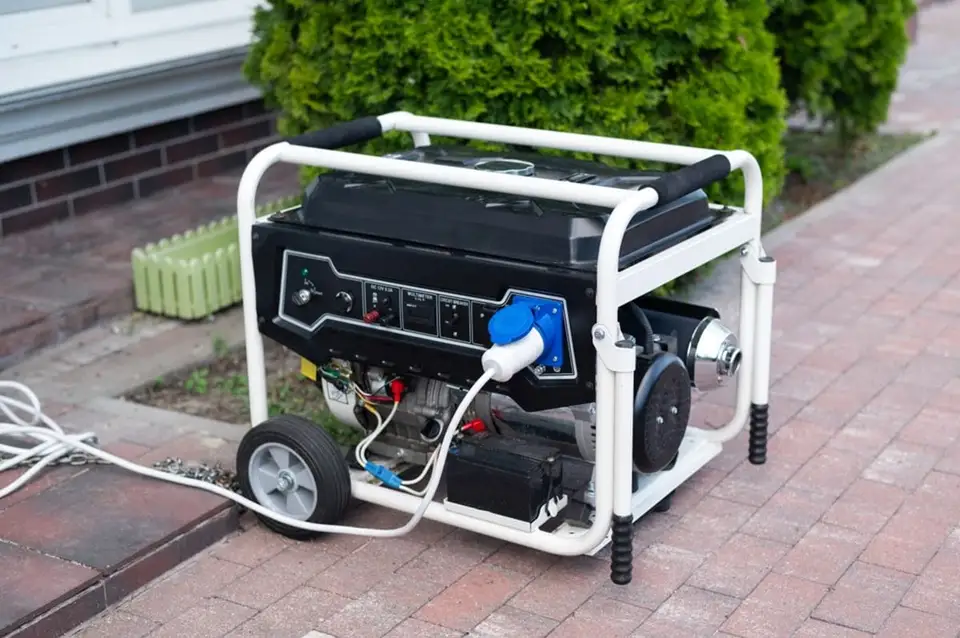
From power generators portable, perfect for excursions and camping, to stationary or inverter ones, there are many options on the market. Here's how to distinguish them and when to use them:
Portable They have a relatively small tank and are intended for occasional use. They can be easily transported, which is an added advantage if you are working in multiple locations. Compared to other options, they are cheaper.