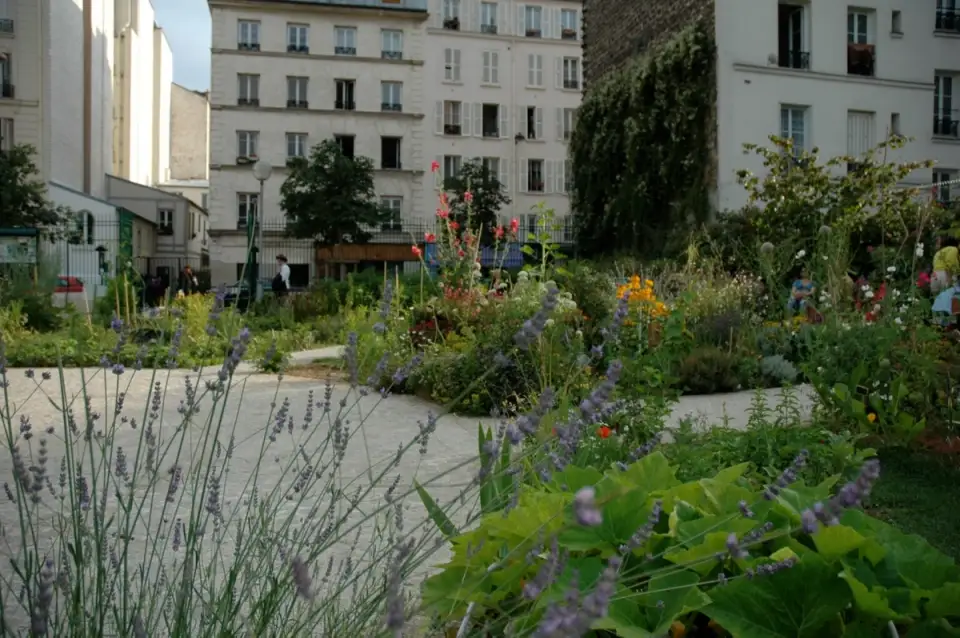
As cities in Romania continue to develop, many of us feel an increasing desire to reconnect with nature, to find oases of peace and greenery in the urban landscape. Fortunately, a vibrant and hopeful movement is taking root (literally!) in more and more communities: community gardening, as well as rooftop gardens.
These initiatives are not just an aesthetic trend, but a complex solution with profound benefits, transforming forgotten spaces into biodiversity hotspots and social cohesion hubs.
The Impact of Urban Gardens
Implementing urban greening projects, such as community gardens and suspended rooftop gardens, brings a multitude of essential advantages for the quality of life in the urban environment:
Vital ecological benefits: They contribute to improving air quality by absorbing pollutants, reducing the urban heat island effect (that feeling of a scorching city during summer), increasing biodiversity by attracting pollinating insects and birds, and better managing rainwater runoff, relieving sewer systems.
Invaluable social and community benefits: These green spaces become meeting points for neighbors, strengthening social bonds and community spirit. They are ideal places for ecological education (especially for children), for combating daily stress, and, not least, they provide access to fresh, local, and healthy food.
Obvious aesthetic benefits: They transform dull areas, wasteland or gray rooftops into splashes of color and life, contributing to the overall beautification of the city.
Case Studies from Romania: Where Community Seeds Have Blossomed
Even though we don't have a long-standing tradition yet, success stories are beginning to emerge and inspire in various cities across Romania:
The Roadele Vecinilor community garden in the Titan neighborhood, Bucharest Imagine a space between blocks, previously neglected, now full of raised beds where residents, from young people to retirees, cultivate vegetables, flowers, and aromatic herbs together.
The project started with the initiative of a few enthusiasts, received support from the homeowners' association and a small sponsorship from a local DIY store. Today, it is a meeting place, a place for sharing experiences, and local pride.
The Productive Roof of an Educational Center in Brașov: A school or youth center could transform a flat roof into a didactic garden. Here, children and young people learn about the cycles of nature, cultivate vegetables that they use in the canteen or during healthy cooking workshops. The impact is enormous in shaping a more eco-conscious generation.
The Grădina de pe Bloc initiative in Timișoara: A group of tenants from a block with a walkable terrace decided to invest in large planters and quality substrate. Now, their roof is an explosion of color with flowers, but also a source of cherry tomatoes, peppers, and basil for their own consumption. They have demonstrated that even suspended spaces can become productive and delightful.