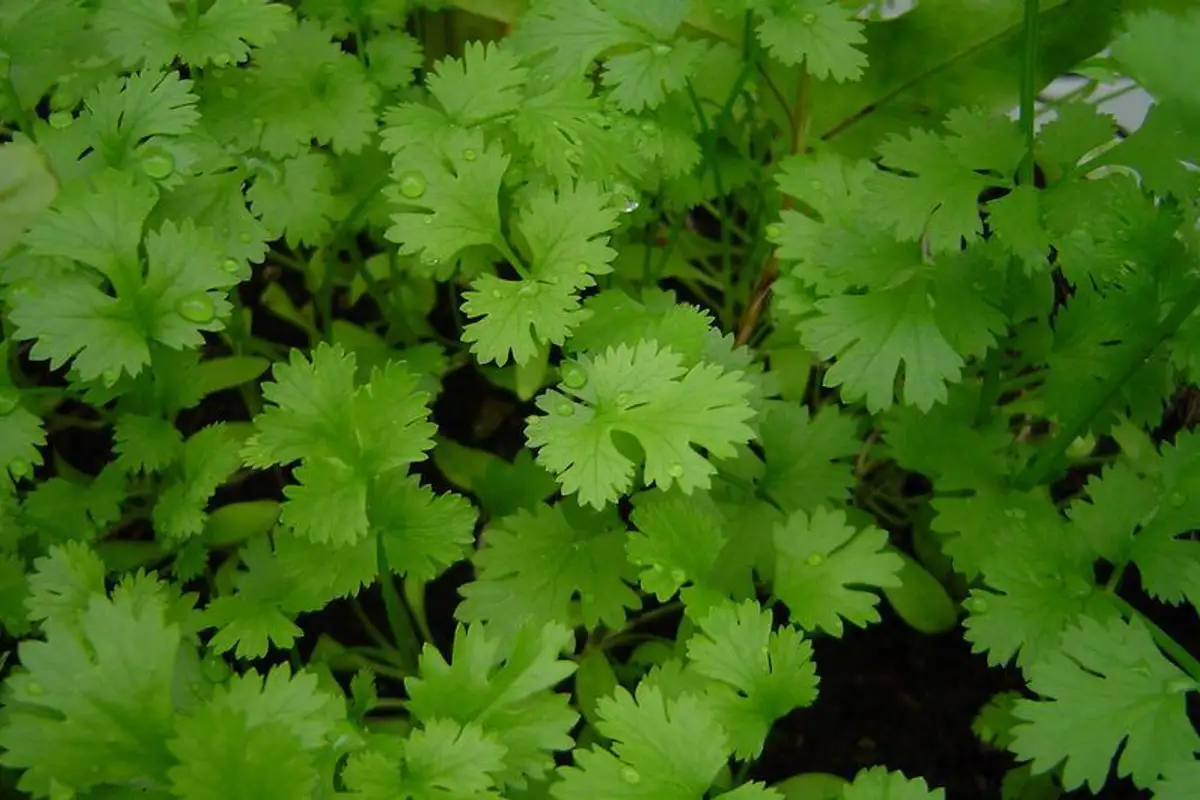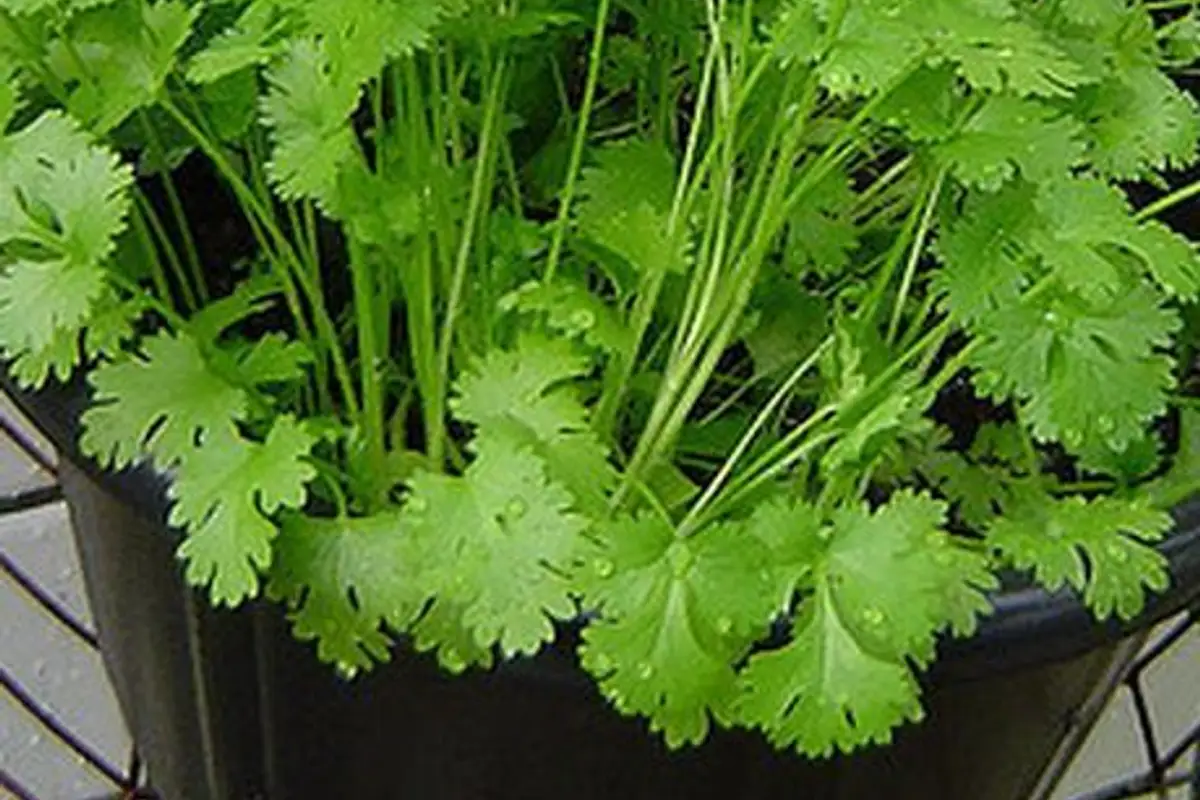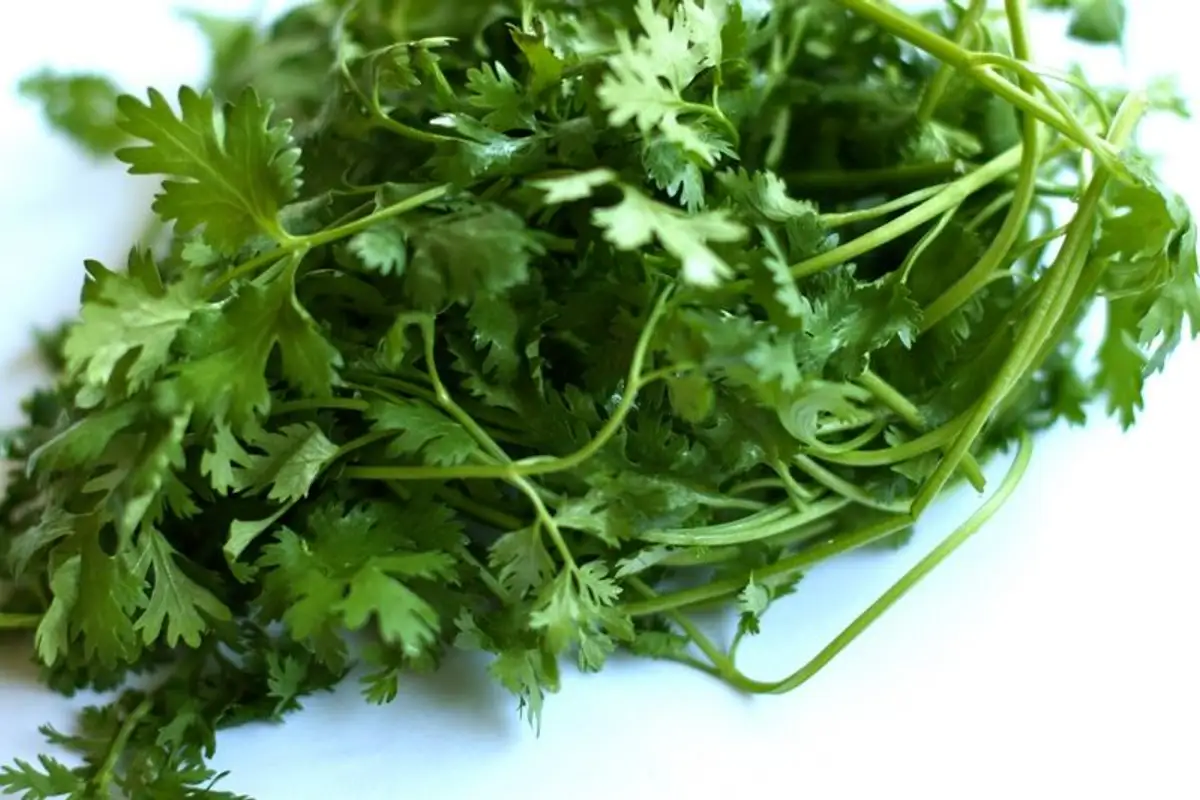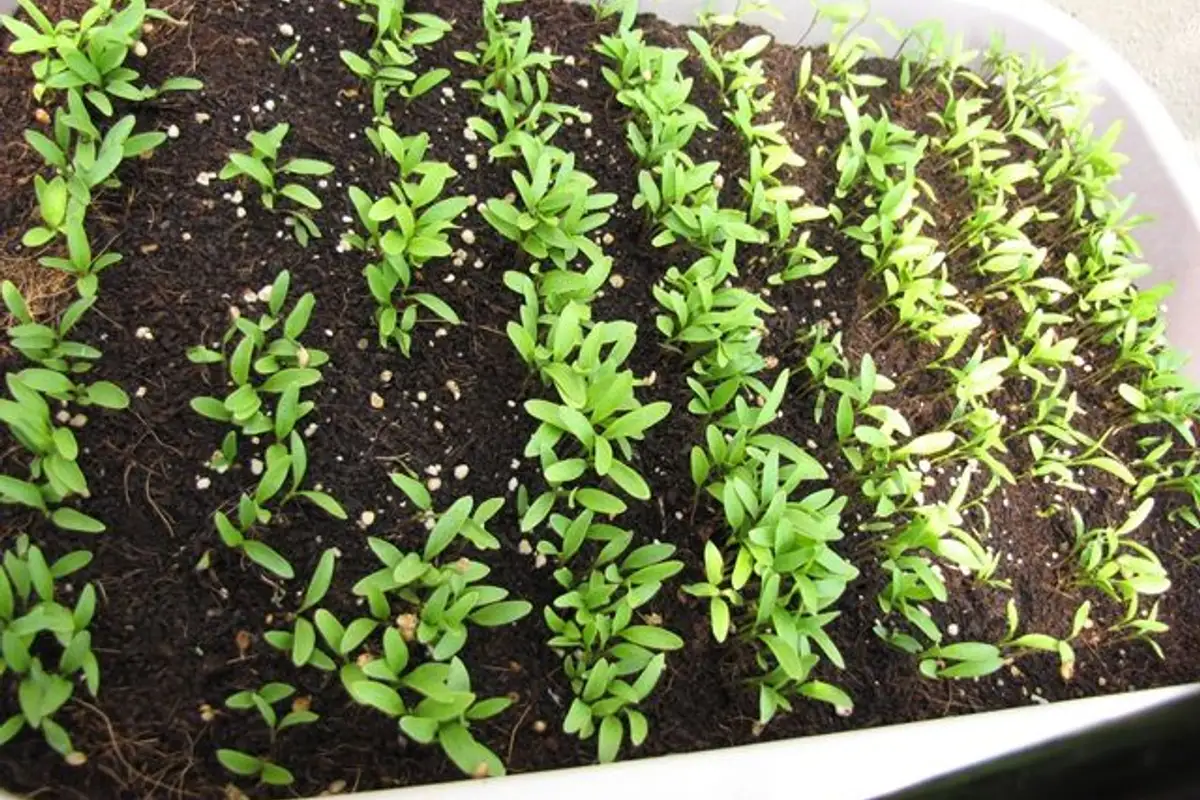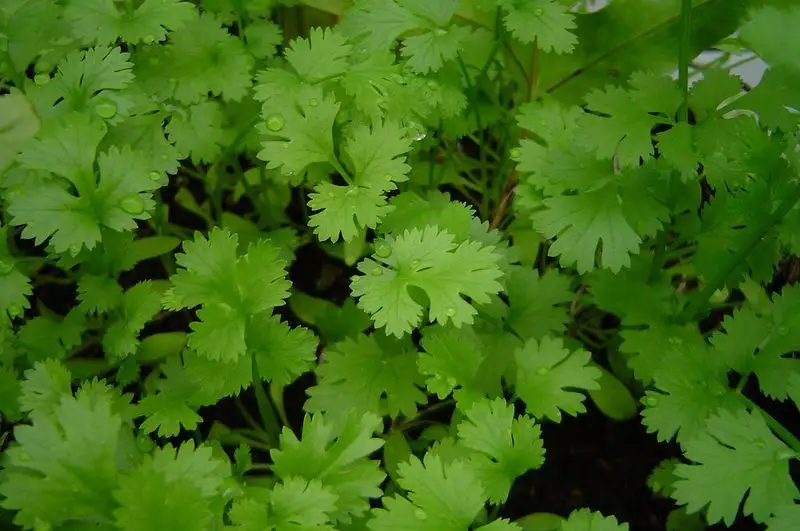
Coriander is a plant native to the Mediterranean basin, known since 3500 BC. Records of this plant have also been found in the Ebers Papyrus. We know that coriander is a main component of the curry spice. It is primarily cultivated for its fruits, but the leaves of the plant are also used.
Open GalleryDescription It is an annual herbaceous plant with an erect, highly branched stem, reaching a height of 30-150 cm depending on environmental conditions. The shape of the leaves varies from the base of the stem to the upper part. The inflorescence is umbelliferous, consisting of white flowers that bloom at the beginning of June.
The fruit is a spherical diachene, formed by two hemispherical unicarps.
Although it is a plant native to the Mediterranean region, it also tolerates low temperatures well. High temperatures are not favorable for fruit setting. It has high light requirements, being a long-day plant. This means that if it does not receive at least 14 hours of light, flowering will not occur or it will produce infertile flowers, and therefore no fruits will form.
Coriander has moderate water requirements, with its new growth occurring especially during flowering. It grows on any type of soil, having moderate requirements regarding the amount of nutrients in the soil.
Cultivation
Uses
Article published in the book Herb Garden, Casa Publishing House