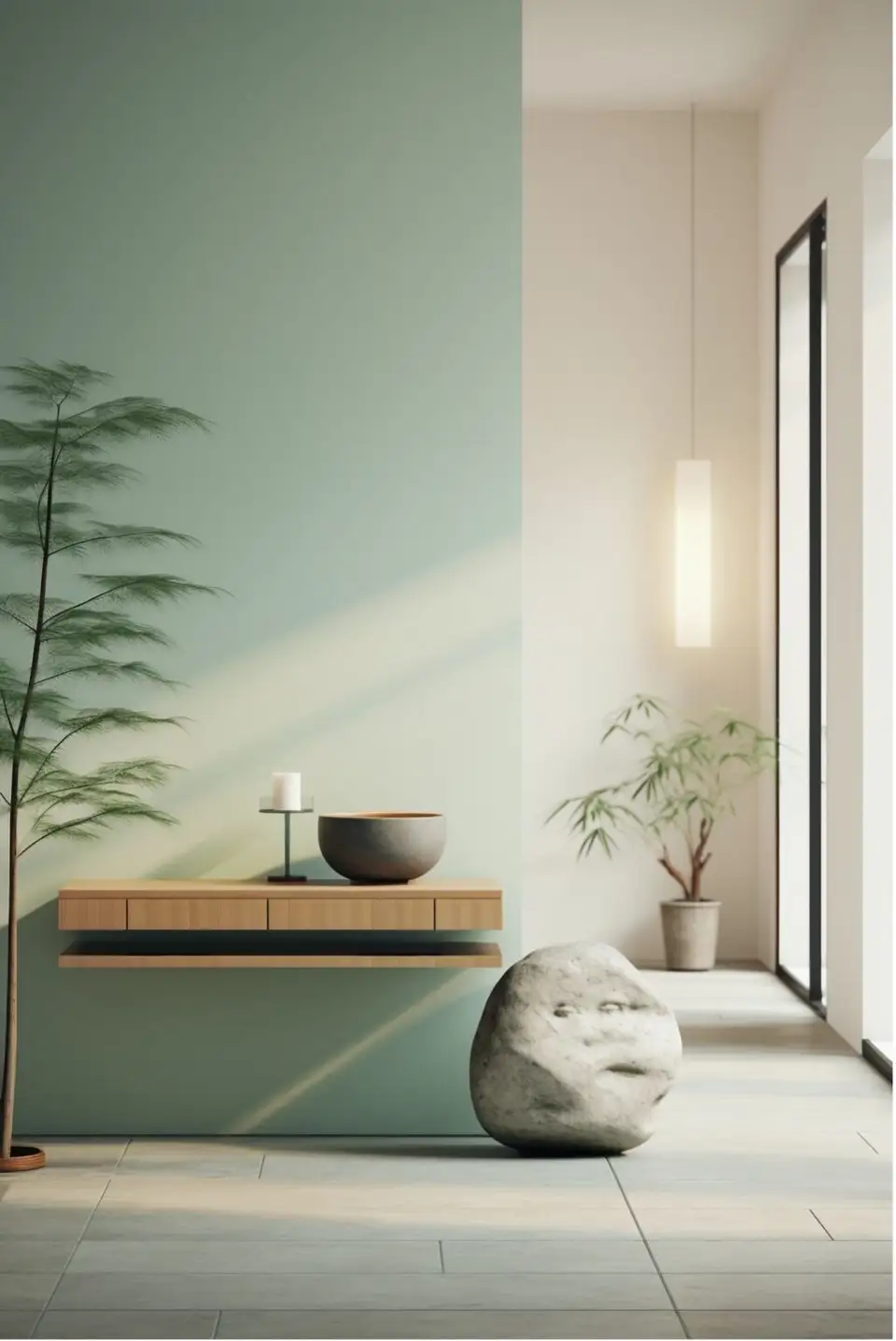
In a world where stress and daily hustle seem endless, more and more people seek ways to transform their homes into sanctuaries of peace. A Zen space at home is not just a beautifully decorated corner, but a true oasis of mental and emotional balance.
What does a Zen space mean?
The word "Zen" comes from Japanese Buddhist philosophy and refers to meditation, inner peace, and simplicity. In interior design, a Zen space is airy, harmonious, and designed to inspire tranquility. It's not just about aesthetics but also the state it conveys.
Choose neutral and natural colors
The color palette plays an essential role in the Zen atmosphere. Opt for shades of beige, cream, white, light gray, pale green, or natural wood tones. Avoid strong or contrasting colors. They can be visually tiring and contradict the principle of calm and simplicity.
Eliminate clutter – "less is more
A Zen space is clean, airy, and free of unnecessary objects. Get rid of things that don't bring you joy or have a clear function. Every object in the room should have a purpose or meaning. External clutter contributes to inner chaos, so organization is key.
Use natural materials
Furniture and decorations made from wood, cotton, linen, bamboo, or stone create a connection with nature and induce a sense of comfort. Avoid plastic or synthetic materials, especially in relaxation areas (bedroom, meditation corner, bathroom).
Natural light – the essential element
A Zen space should be as bright as possible. Draw the curtains, open the windows, and let the sun shine in. If you don't have enough natural light, choose lamps with warm and diffused light. Candles and Himalayan salt lamps can add a calming and comforting touch.
Integrate indoor plants