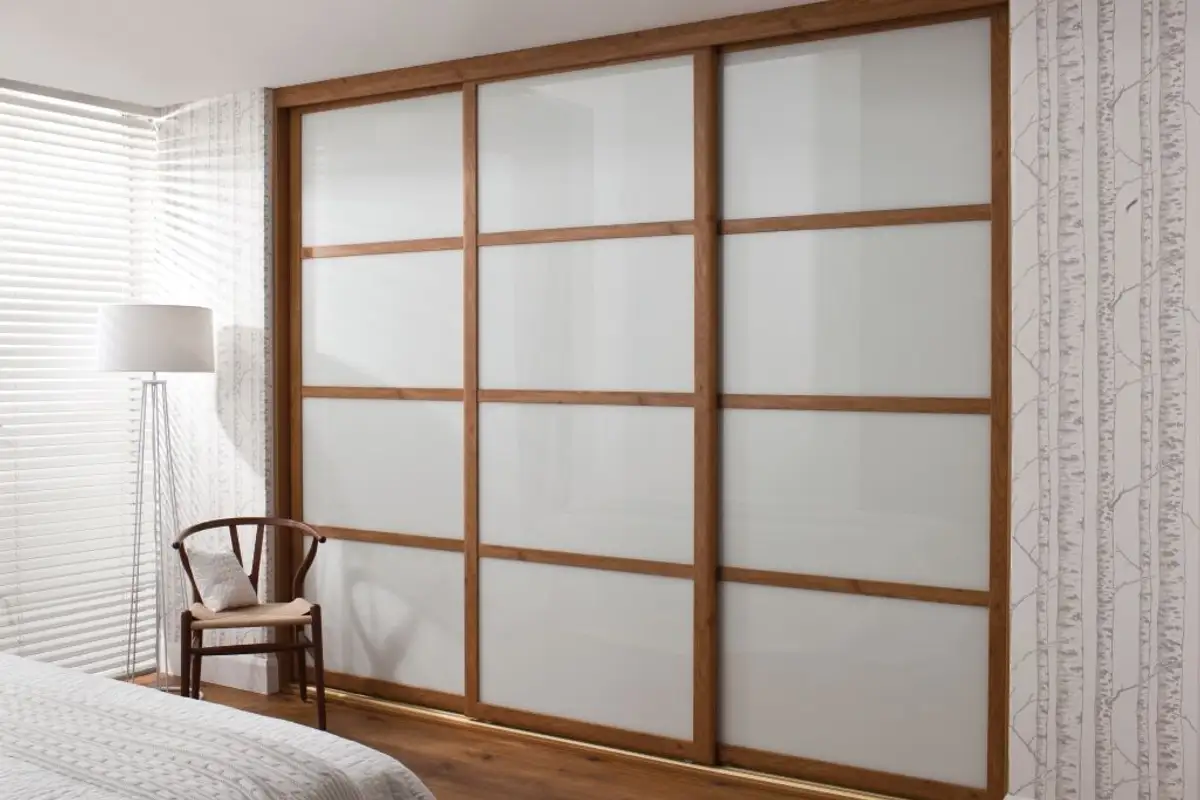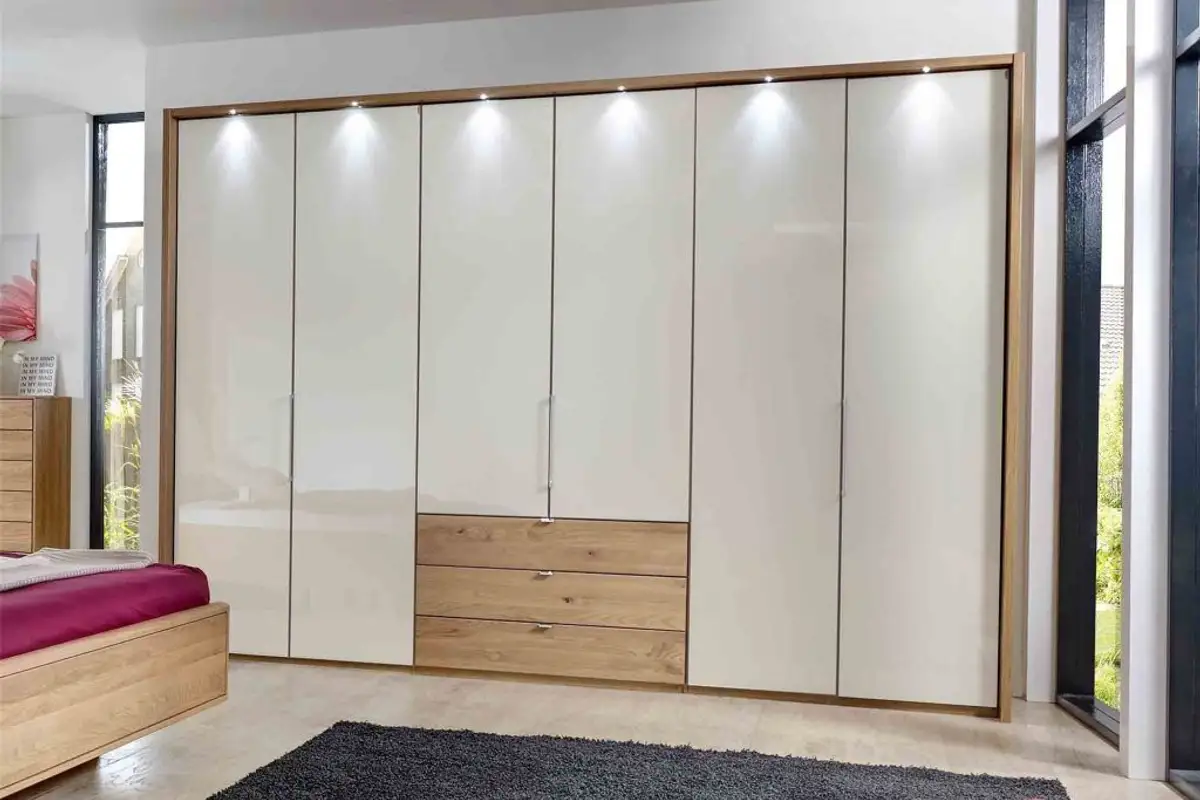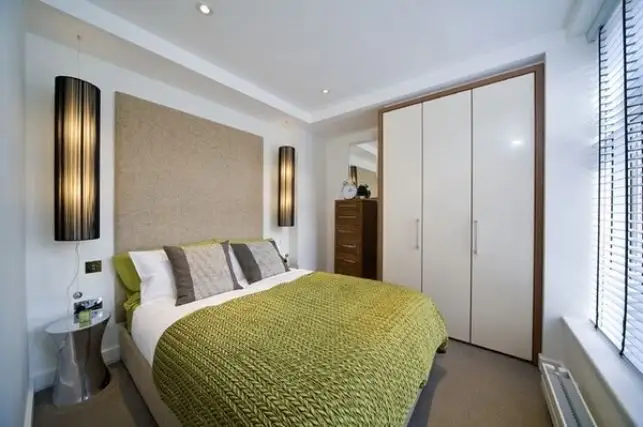
The number of clothes and accessories continues to grow and you don't have much room for any more? It's time to seriously consider a dressing room that meets your storage needs. To do this, you need to take into account some important details such as dimensions, height, compartmentalization, technical information that is good to keep in mind even from the planning stage.
Before anything else, you have to think about where you will install it. Is there enough space in the bedroom? Or maybe it's more suitable in the hallway? Or maybe both. Then, its function: which pieces will go into the dressing room in the bedroom and which will remain in the hallway closet or in another storage space.
If the bedroom wardrobe is not spacious enough, you will probably need to rethink the place for linens or your pillows and duvets.
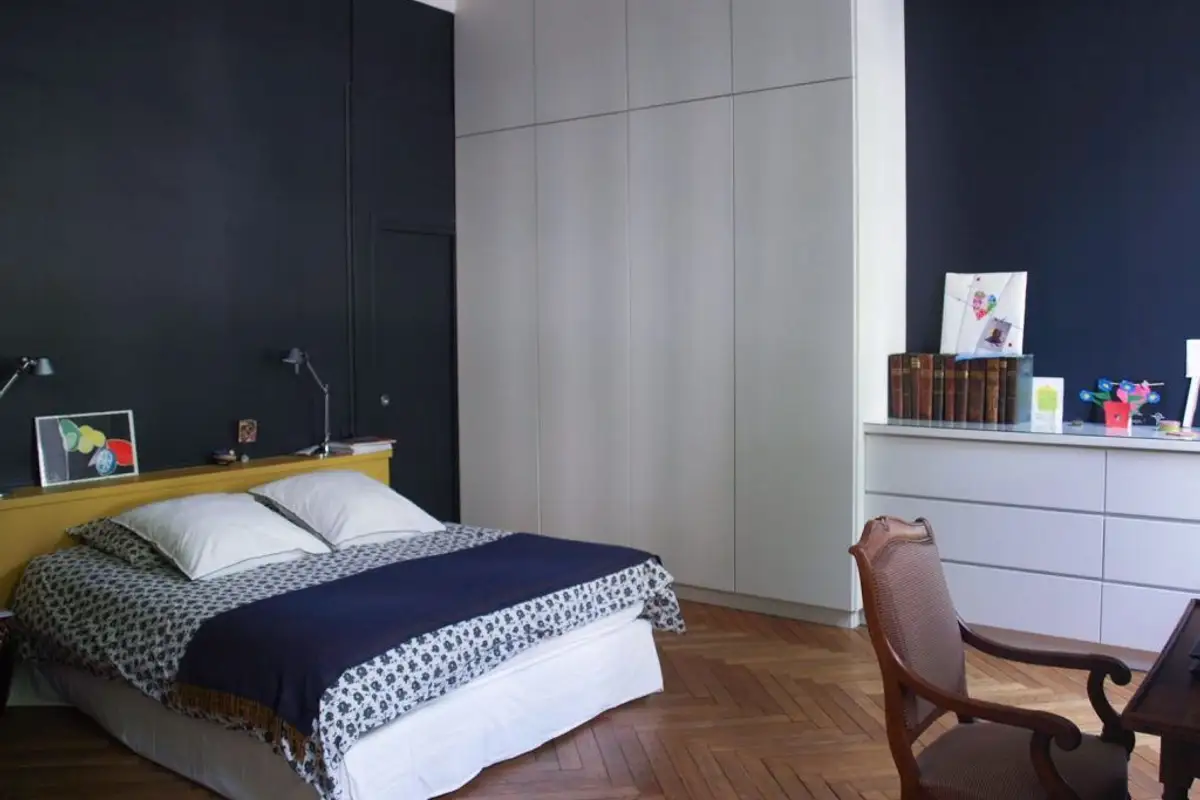
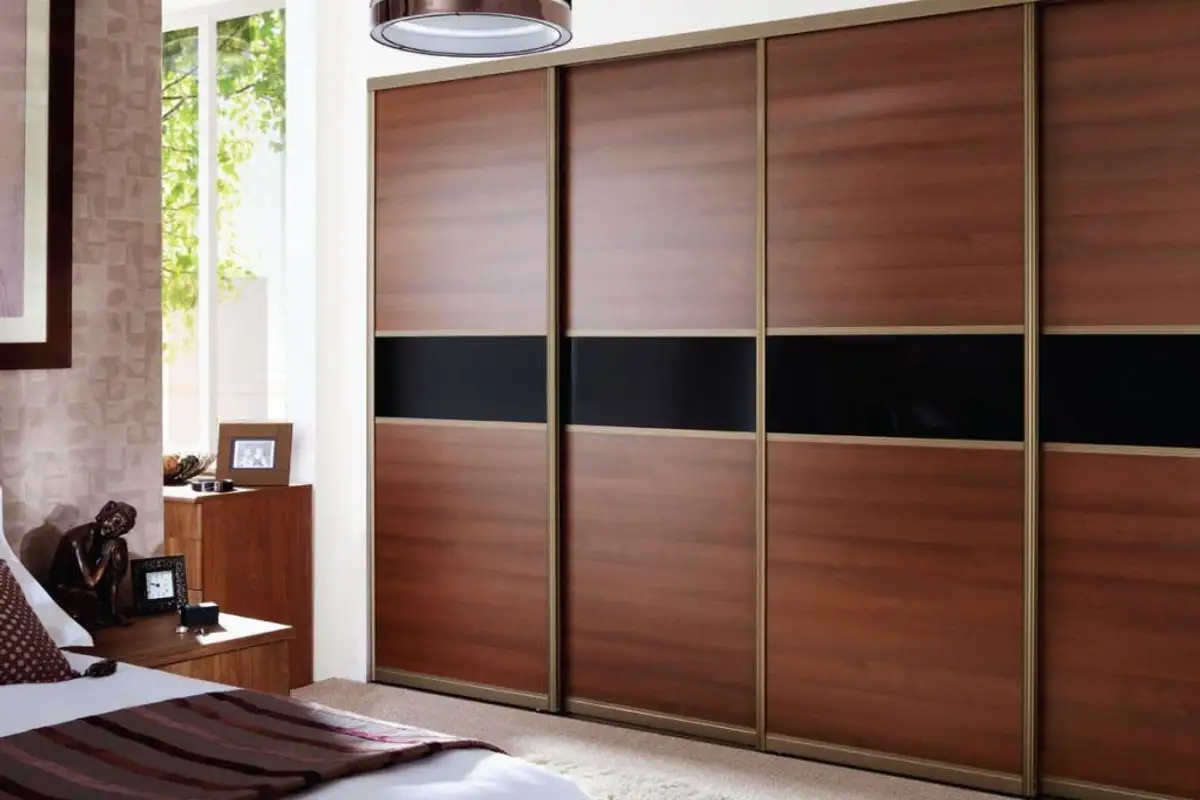
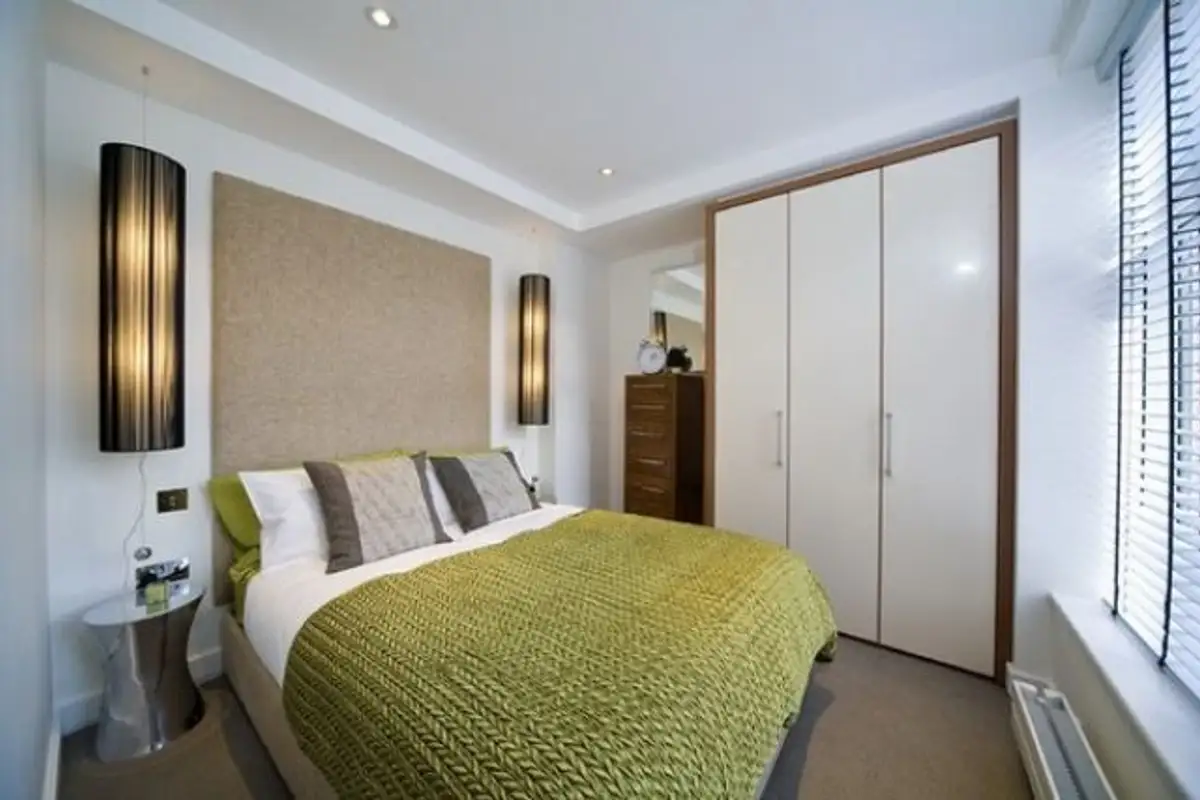
The dressing room in the bedroom is the preferred option for many of us, being the most comfortable. But let's not forget that this function should not suffocate us. We need at least 70 cm between the bed and the wardrobe to be able to move around. It's pointless to install a massive dressing room if we have to squeeze past it just to get into bed.
Specialists recommend that, wherever space allows, the dressing room should have an L-shaped structure. This way you can take advantage of often unused corners, gaining extra storage space. To the same end, you can go all the way up, to the ceiling or close to it, obtaining more usable space.
Even for rooms with a more difficult configuration, such as long and narrow ones, there is the possibility of installing a dressing room. You can opt for a delimitation with a false wall, a semi-room that can be compartmentalized as desired.
So that natural light can penetrate this newly created space, the partition wall can be one with a glass structure, similar to a window (see the model in the gallery).
After you have decided on the location and layout, you can now think about the constituent elements, namely its internal compartmentalization. To be as efficient as possible in storing different types of clothes, it is good to vary the hanging bar with shelves and drawers that will thus provide space for your entire wardrobe, including accessories.
The bar should be between 160 and 180 cm long for long garments stored on hangers and a minimum depth of 50 cm for shelves where you will place folded blouses or sweaters. In a drawer integrated into the same dressing room, you can store ties, bow ties, scarves, shawls, gloves, belts and maybe even jewelry.