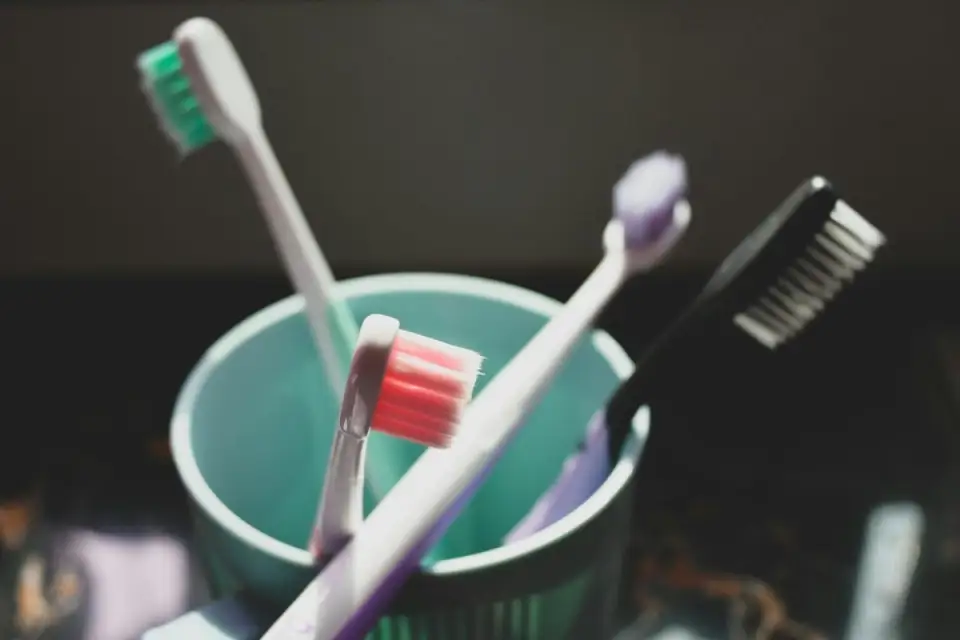
Oral hygiene is one of those daily routines that directly influences overall health, and the evolution of technology has transformed the way we care for our teeth. If manual brushing was the only option in the past, today an electric toothbrush offers a completely different experience, more efficient and more comfortable.
More and more users are discovering the clear measurable advantages of electric brushing, from deep cleaning to gum protection, which transforms a mundane gesture into an intelligent ritual.
Moreover, the adaptation of electric brushing to various lifestyles has contributed to the growing popularity of these devices. Modern models have become intuitive, quiet, and adaptable, meaning that every member of the family can find a variant suitable for their needs.
For children, teenagers or adults, the difference between manual brushing and one done with a high-performance device becomes evident after just a few days of use.
Consistent performance is most often what convinces users to make the switch.
As people become more attentive to health details, including prevention, efficiency, and comfort, interest in an electric toothbrush is constantly growing. It is no longer perceived as an optional gadget but as an investment in long-term health.
After all, better cleaning every day means fewer problems, fewer unexpected visits to the doctor, and a healthier smile.
Performance, protection, and comfort in one gesture
One of the essential differences between manual and electric brushing is the consistency of movements. An electric toothbrush performs thousands of oscillations, rotations, or pulsations per minute, which ensures that tooth surfaces are cleaned uniformly without extra effort.
Precise movements reach difficult-to-access areas, such as the gum line or interdental spaces, where plaque can accumulate unnoticed. This level of efficiency is difficult to achieve with manual technique.
Another important advantage is connectivity and feedback. Many modern models include pressure sensors that alert the user when they are pressing too hard, thus protecting sensitive gums. The integrated timer helps respect the two minutes recommended by dentists, dividing brushing into intervals dedicated to each area of the mouth.
These seemingly simple functions have a major impact on the routine because they transform brushing into a controlled, correct, and constant activity.