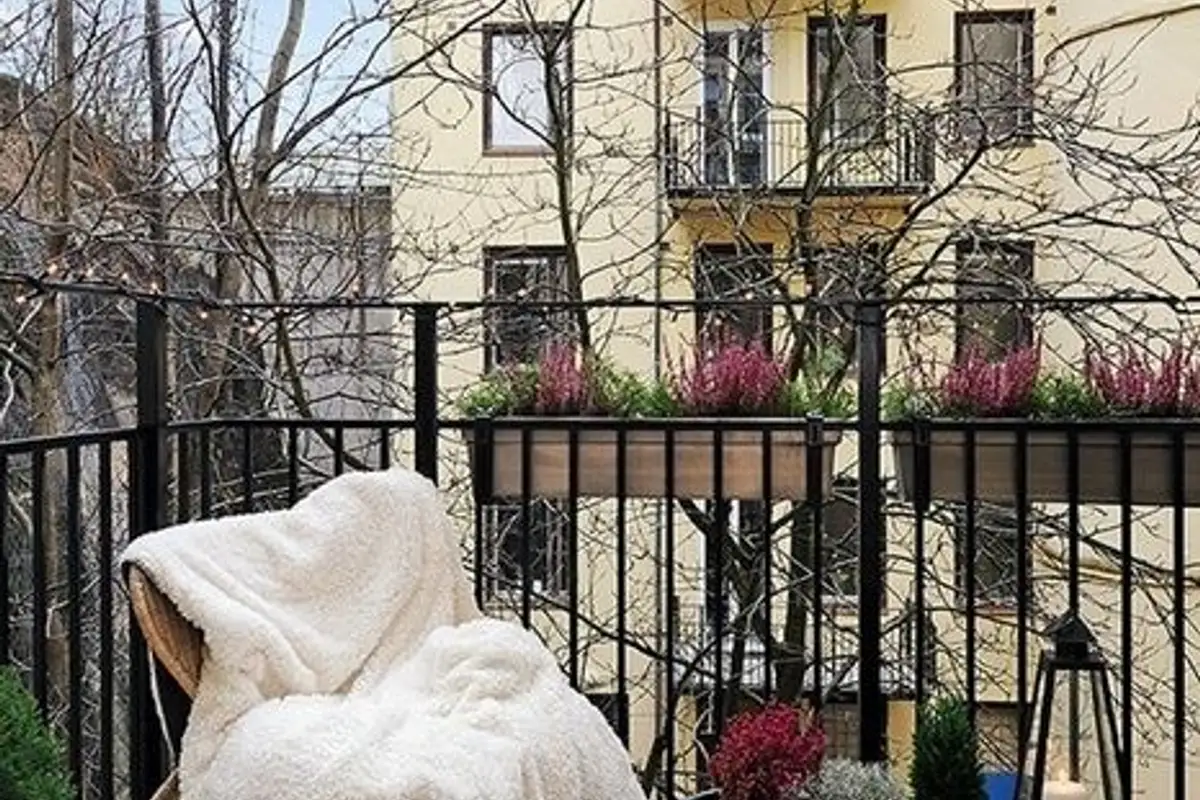
As winter approaches and flowers wilt, potted plants need to be moved to their overwintering locations. This leaves the balcony or terrace empty, but with the help of frost-resistant plants, we can create a welcoming atmosphere.
Essentially, the first frost ends with the remaining annual flowers (petunias or sweet alyssum). From this point, lifeless stems only enrich the compost, and we've already sheltered sensitive perennial plants from the frost.
During the winter months, we don't have to endure the dreary appearance of the terrace. For the winter season, we can choose evergreen plants, which bring color to the walls on these gloomy days, and on cold days we can admire them from the warm room.
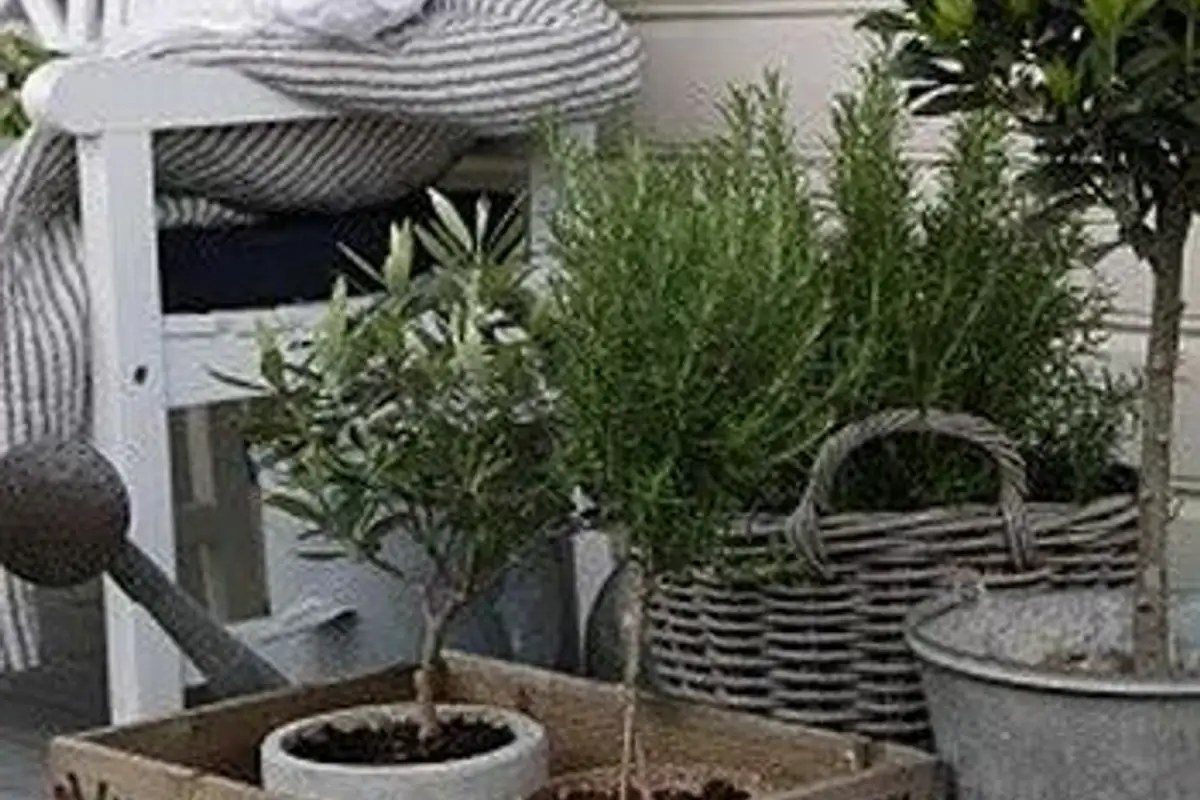
During winter, we can place evergreen shrubs and dwarf trees in decorative pots on the balcony. These bring life and color. We can use broadleaf evergreens and needle-leaved plants, which look good in various combinations as well as placed next to each other.
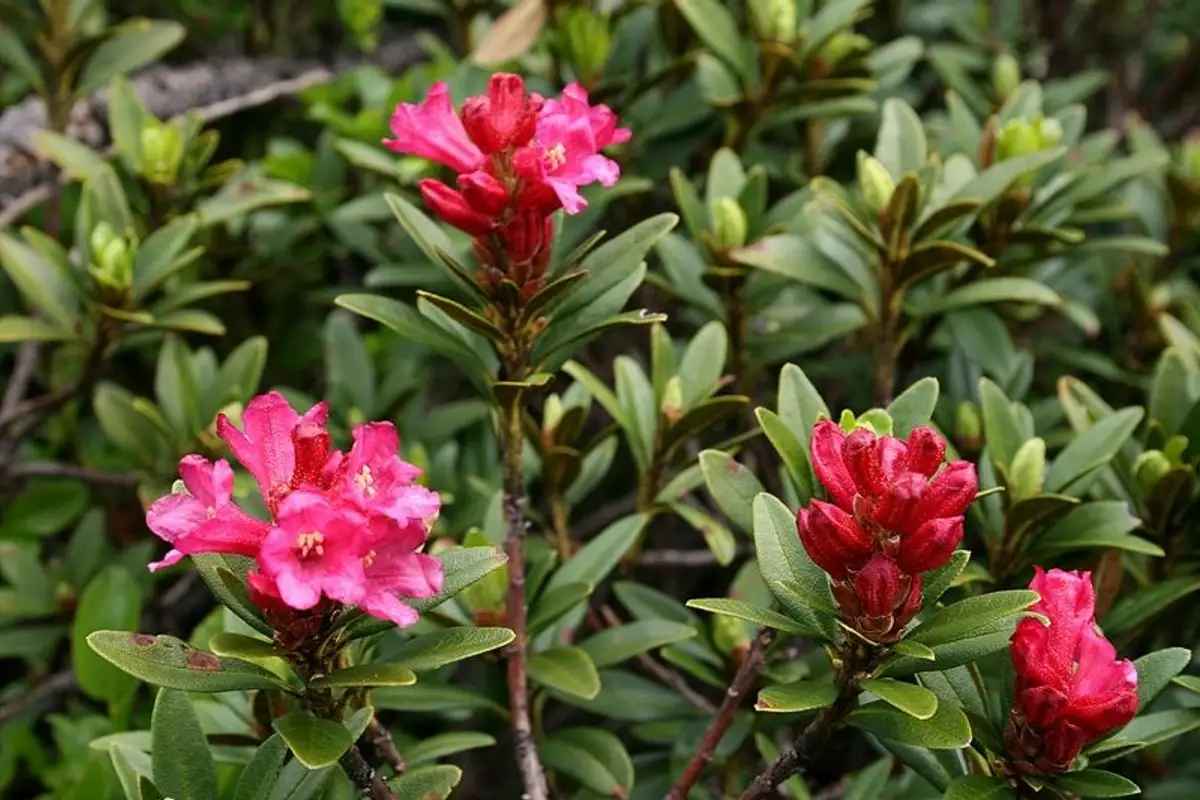
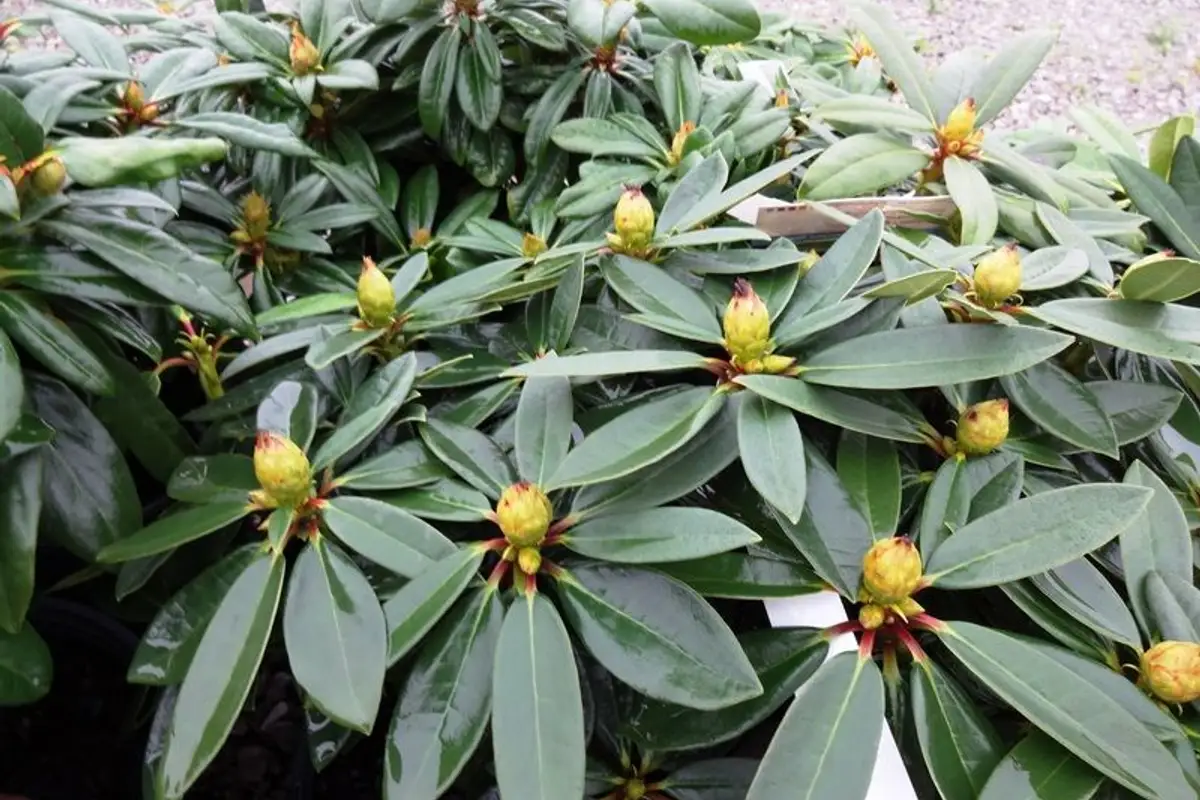
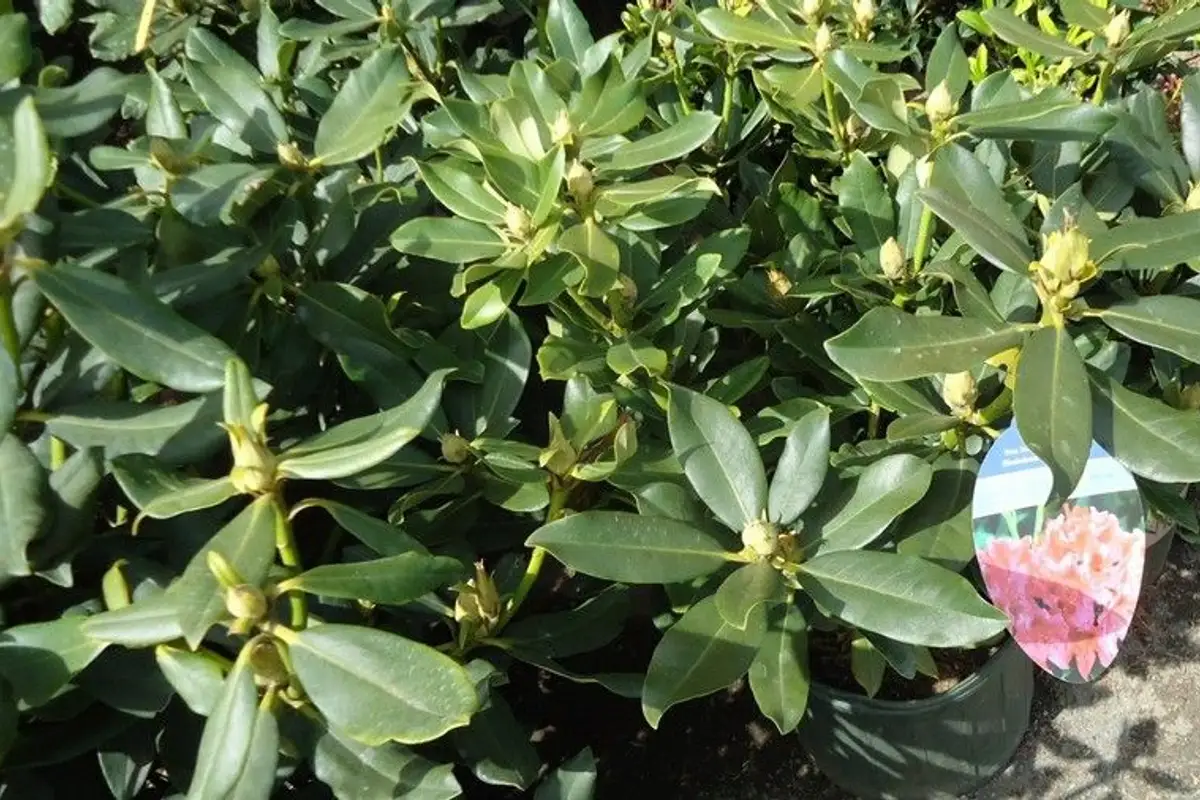
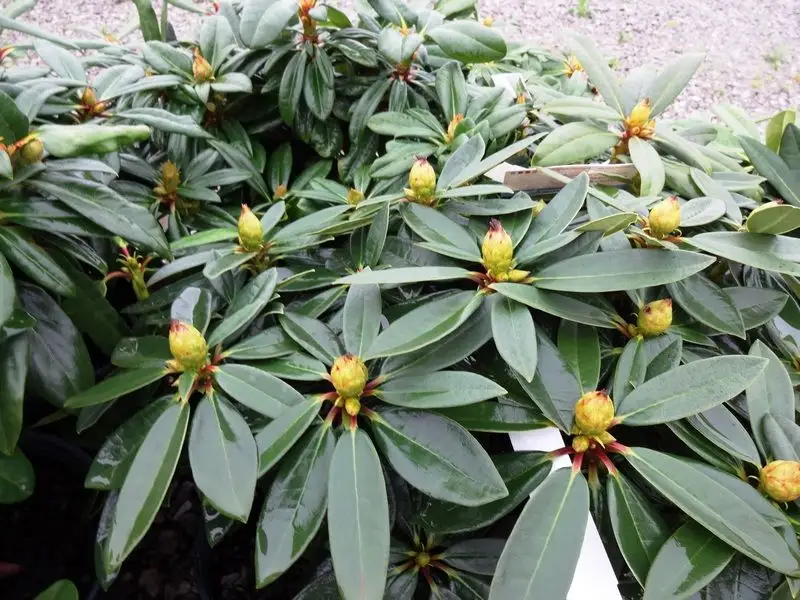
Due to their glossy leaves, rhododendrons create a unified, tranquil backdrop, and in spring when they bloom, they become the focal point of the space.
Among evergreen deciduous plants, the most commonly used are: cimisir, various varieties of Prunus laurocerasus and rhododendron species. Among conifers, the most suitable for pot culture are dwarf species: mountain pine or fir, variety "Conica". Cypress or juniper are also suitable.
On a medium-sized terrace, only a few beautiful specimens can fit. For example, we can plant cotoneaster and lonicera under a columnar yew, species that cover the ground. We can create true models depending on the shapes in which we prune the shrubs, globular or conical.
Pruning is done regularly and with measure, from the first years after planting. Grown in pots, the plants remain small and dense, as the development of the root system is limited.
Before the winter holidays, we find a large offer of potted fir trees, which can withstand indoor conditions for a few days. It is best to keep these firs on the balcony or terrace until Christmas Eve and afterwards, as they tolerate the cold on the terrace more easily than the warm, dry air indoors.
Plants need to be watered regularly indoors, as well as on terraces or balconies, especially if they are located in covered areas where precipitation does not reach them.
At the same time, we must avoid overwatering: make sure there is no excess water in or under the pot. Most potted Christmas firs are younger specimens of wild species, so they can only remain in pots for a few years before needing to be transplanted into the garden.
Most evergreen plants in pots are content with a commercially purchased potting mix, which largely consists of peat moss and manure. If the flower soil is too loose, we can supplement it with garden soil.
Article published in the book