Question: which do you think is more polluted, the air inside homes or the air outside? Studies have shown that in 10 out of 10 cases, indoor air is more polluted. Household objects release chemicals into the air that in certain quantities can be harmful.
Fortunately, houseplants can help us solve some of these problems and improve the air quality in our homes.
Here are five of the most popular houseplants that purify the air:
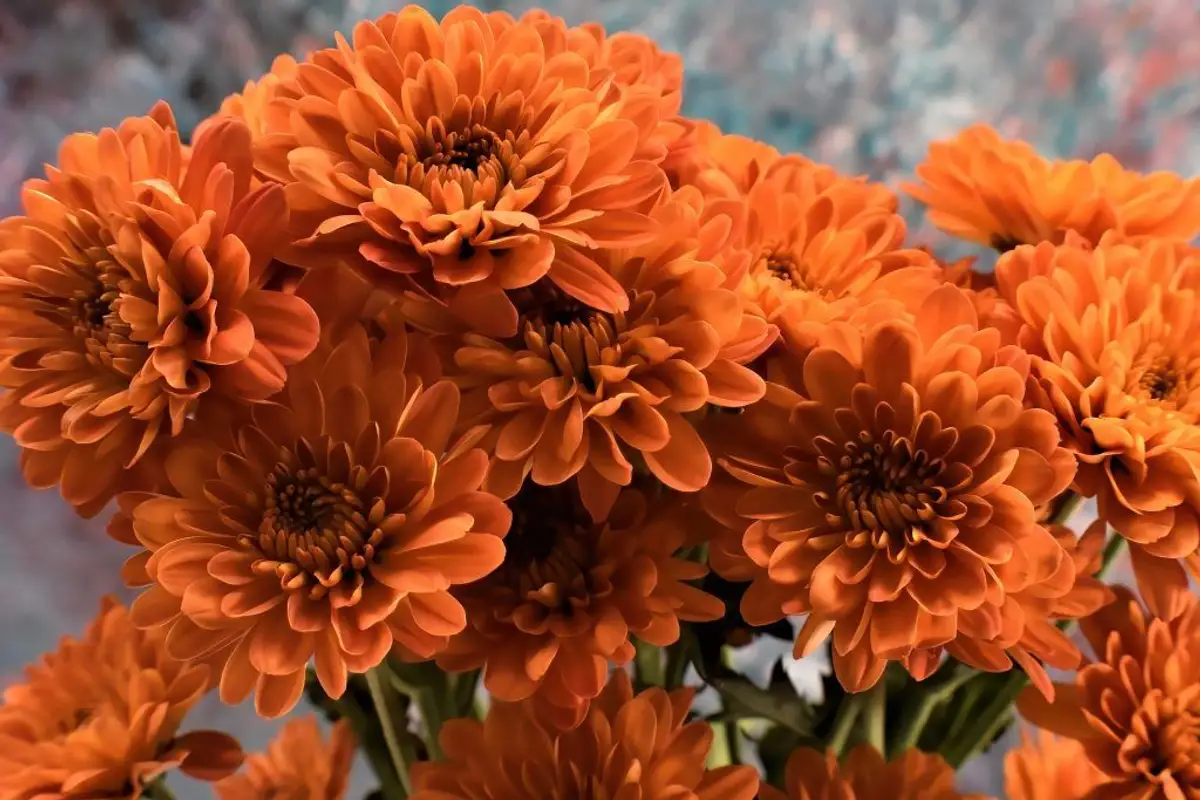
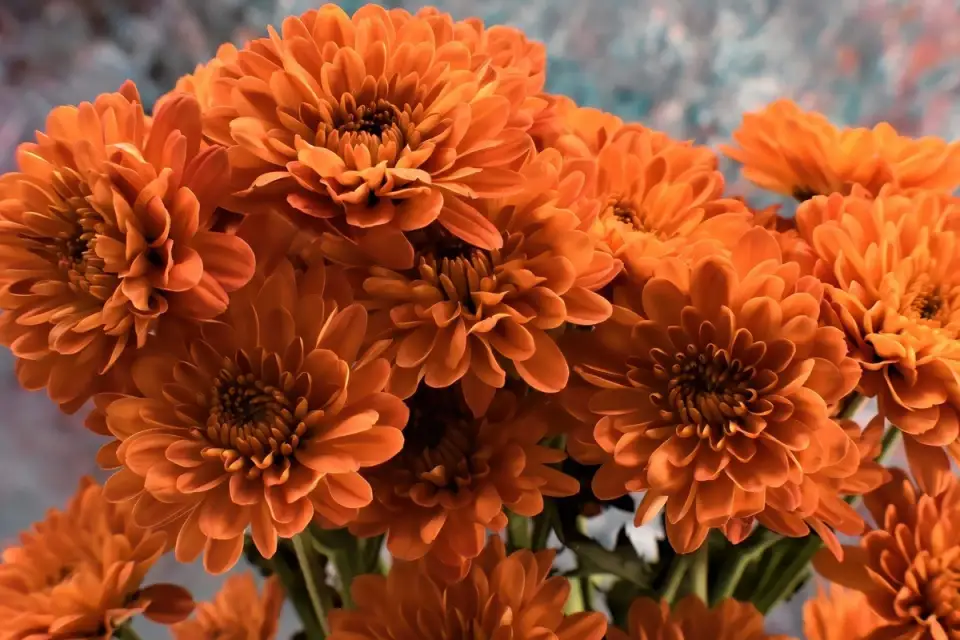
Chrysanthemums Chrysanthemums, also known as mums or autumn daisies, are flowers belonging to the Asteraceae family and native to Asia and northeastern Europe. NASA has discovered that this flower helps filter indoor air, removing substances such as benzene, present in paints, glue, detergents, and plastics.
The most aesthetically pleasing bamboo variety is Phyllostachys Aurea. This exotic plant originates from southeastern China and is known as golden bamboo, because its leaves turn yellowish when exposed to natural light. It can be planted in planters for apartments or balconies.
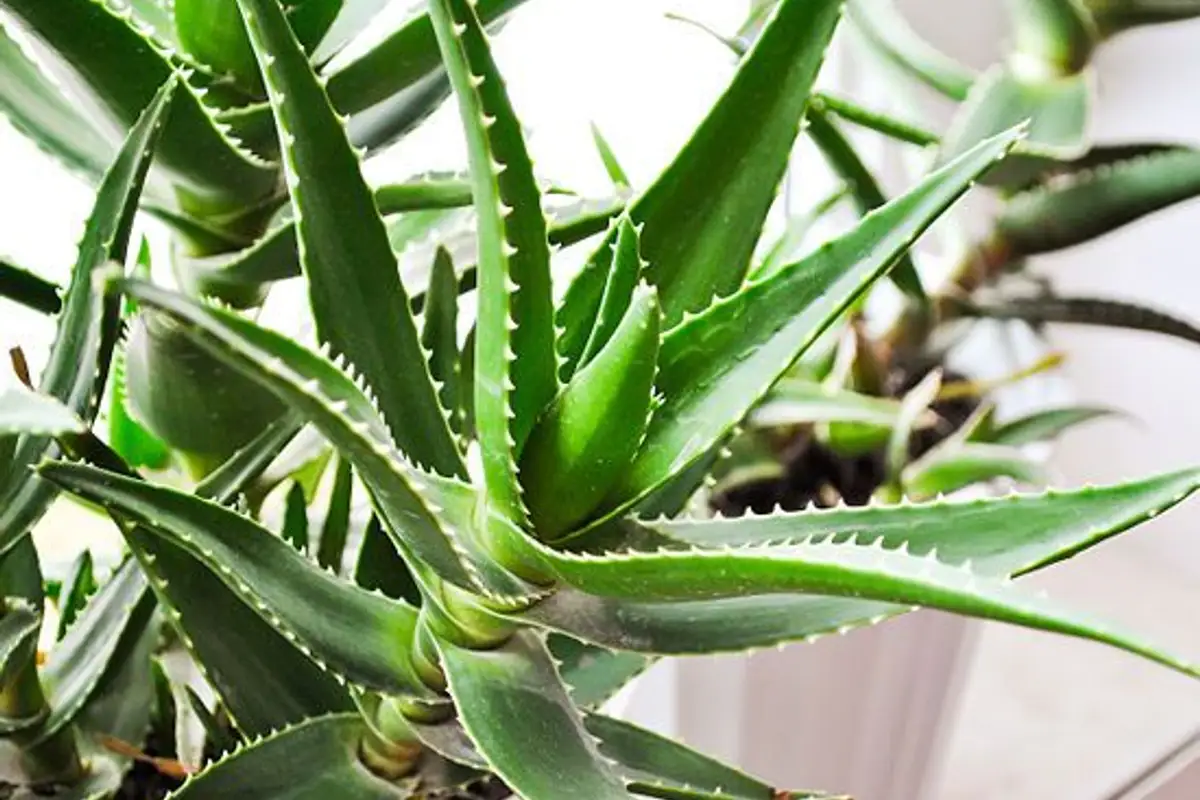
Aloe vera (Aloe Barbadensis) is a succulent plant species native to North Africa. As a houseplant, it is fairly easy to maintain and the pot in which it is grown can be exposed to direct sunlight. It is effective at filtering benzene and formaldehyde, substances resulting from chemicals used for cleaning or paints.
Aloe vera is a plant that, when consumed in small quantities, can have health benefits.
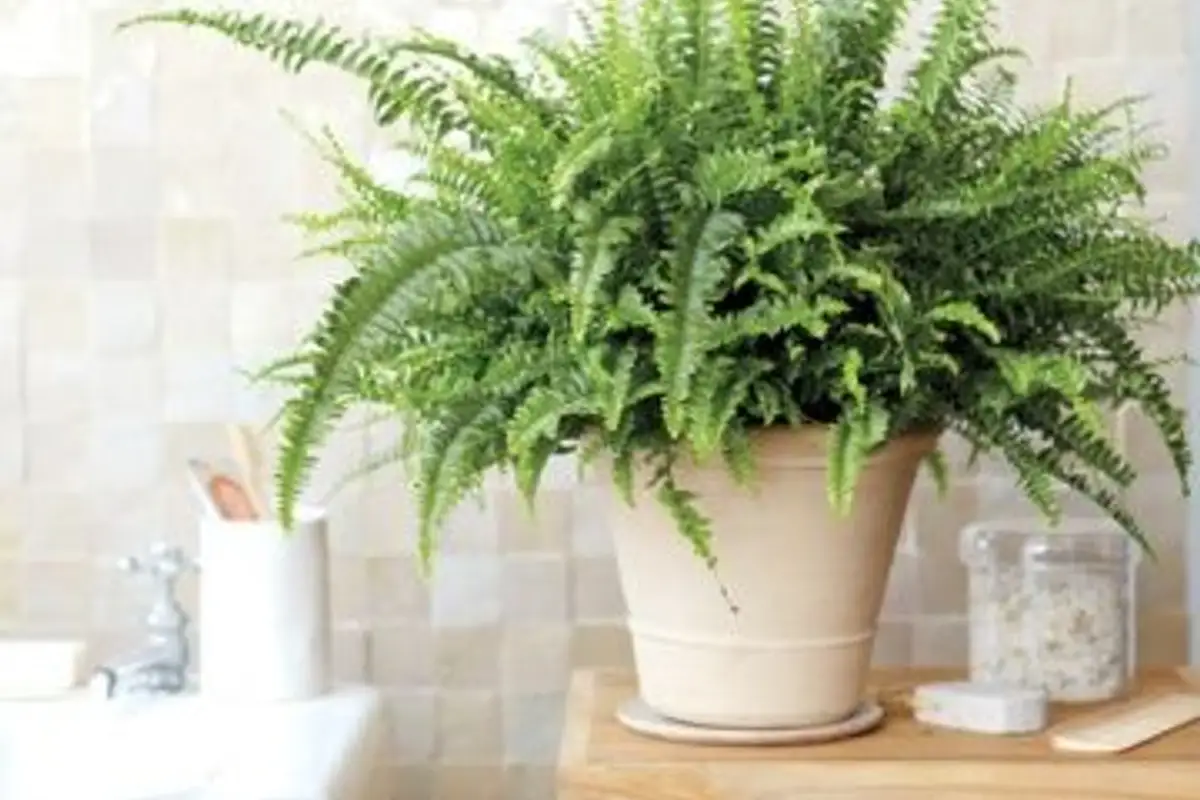
Feriga (Dryopteris filix-mas) is a herbaceous perennial plant from the Dryopteridaceae family. It has large, twice pinnately divided leaves on the underside of which are sporangia containing spores, covered by an indusium. It is a common plant species found in montane and subalpine forests in Romania.
If you're considering using it as a houseplant, you should know that ferns enjoy humid places, both shady and sunny. It can easily grow in the bathroom.
Sansevieria is a plant native to Africa and Asia that belongs to the Ruscaceae family. Sansevieria is one of the most beloved and resilient houseplants; besides its decorative qualities, it filters chemicals found in cleaning products. They can be placed in the bathroom, as a humid environment is optimal for this plant.
It is commonly found in restaurants and offices due to its beneficial air-purifying properties.

Question: which do you think is more polluted, the air inside homes or the outdoor air? Studies have shown that in 10 out of 10 cases, indoor air is more polluted. Household objects release chemicals into the air that, in a certain quantity, can be harmful.