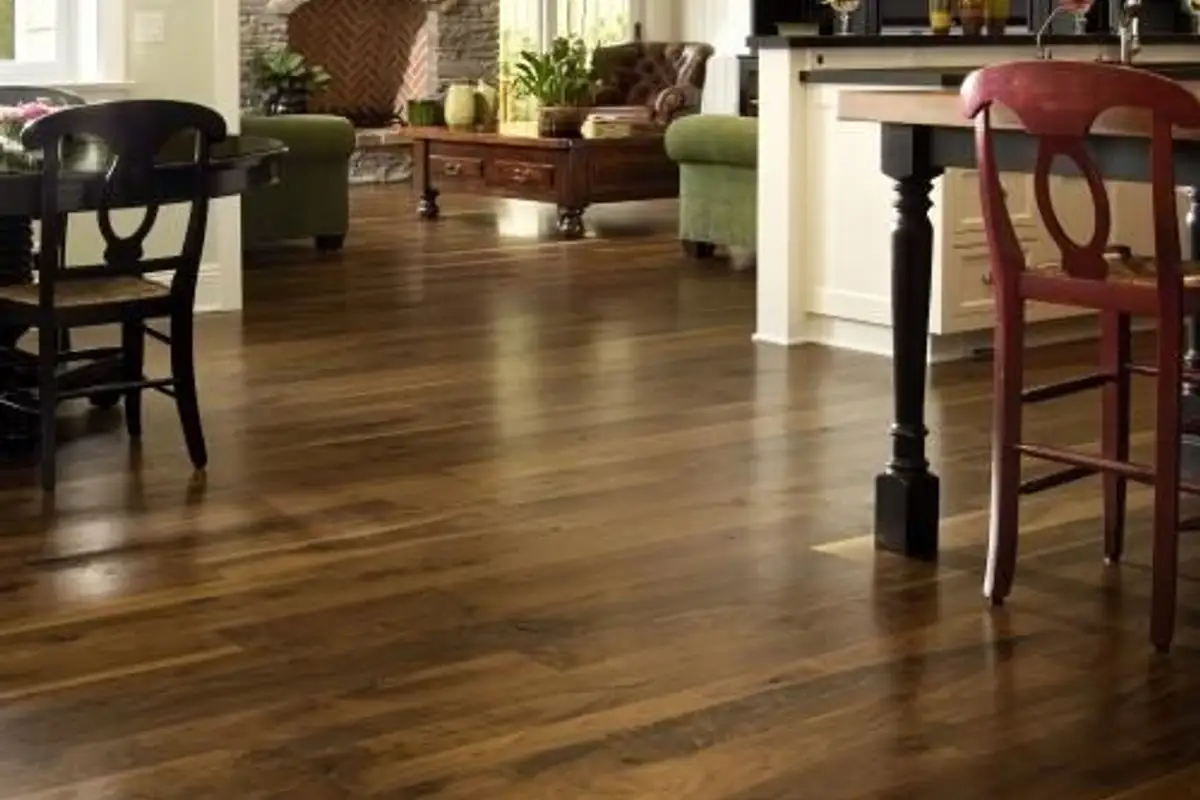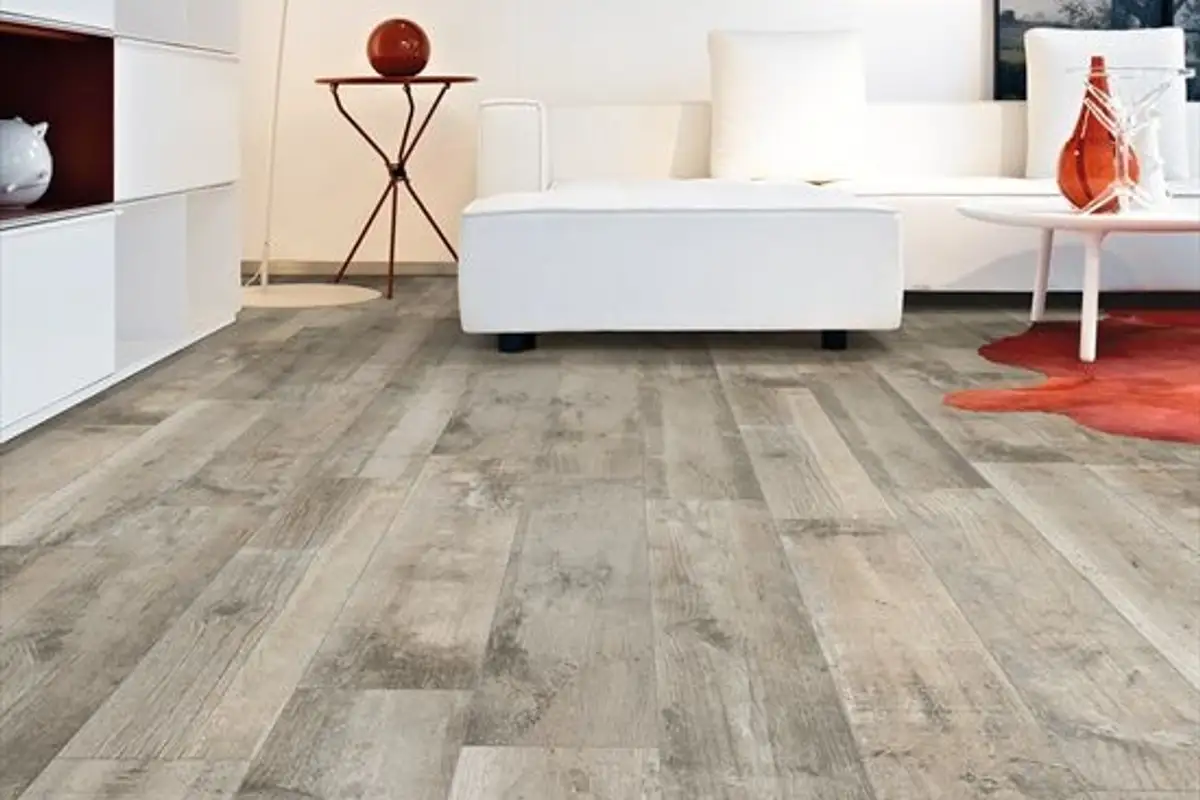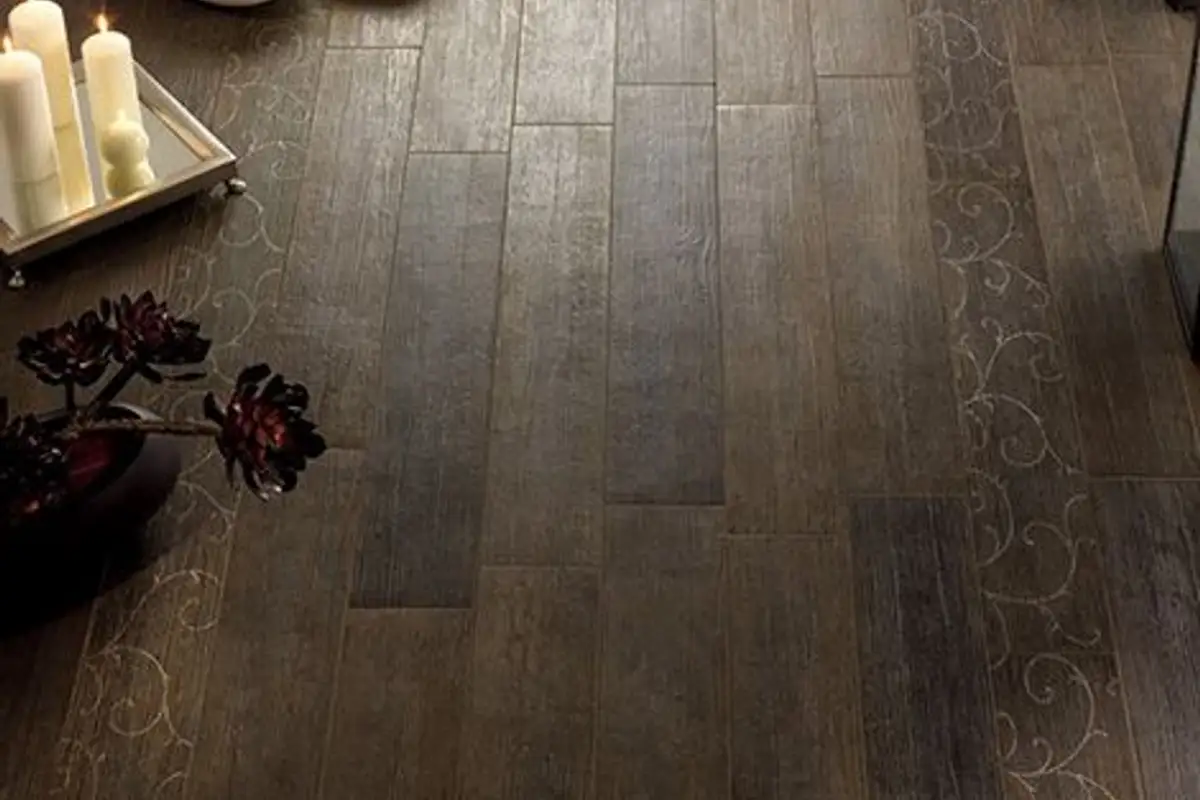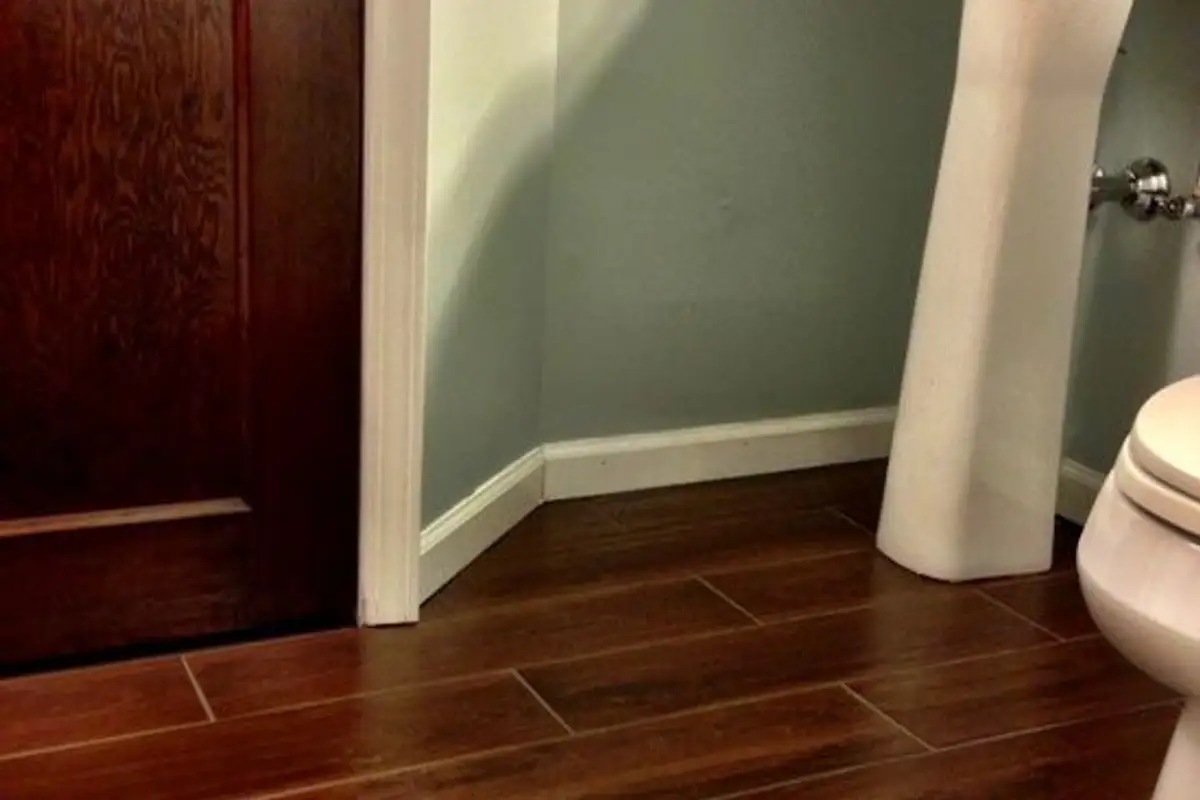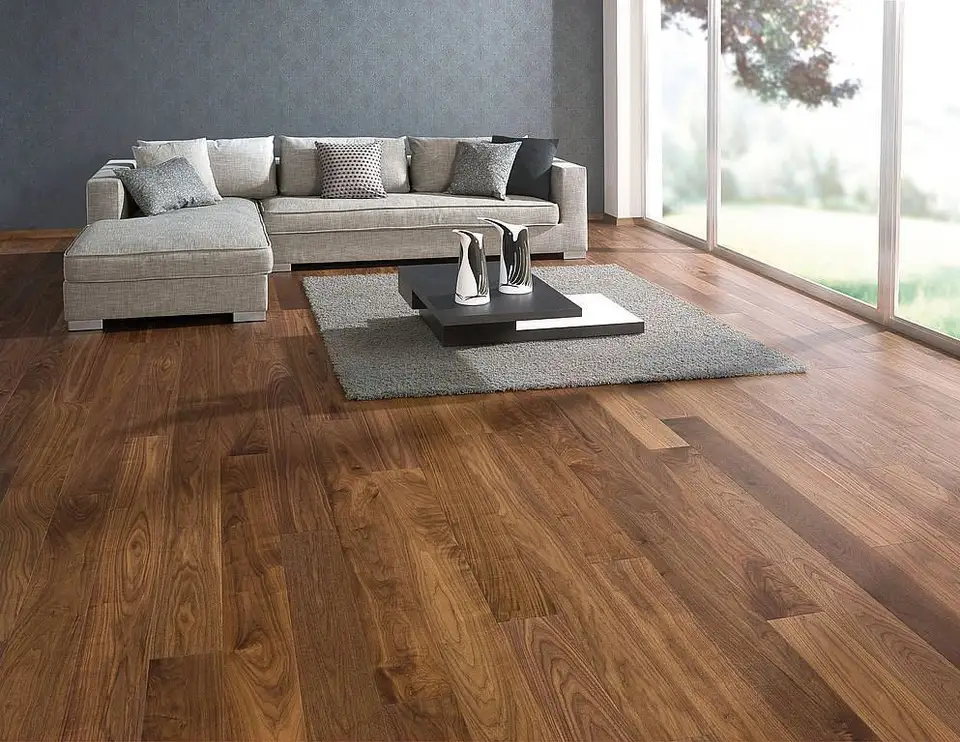
In the field of ceramic tiles, technology has evolved so much that we can enjoy the best materials with unique patterns and textures. In this sense, research results in this field have led to the creation of ceramic tiles inspired by natural materials such as wood or stone.
Manufacturers have created increasingly faithful tiles, with various facets, such as textured, super glossy, patinated, or aged.
The effect of a floor with ceramic tiles inspired by wood is exceptional. Practically, if you cannot choose wood, you will have the same benefits for the decor with a different type of material, cheaper.
To better understand what type of material would be suitable for the floors in our homes, we turned to interior architect Mihai Constantin to talk to us about the two types of materials through comparison, mentioning both advantages and disadvantages:
Ceramic tiles that imitate wood have become increasingly widespread in recent years and have reached a very high quality level. I believe that there is no longer a renowned ceramic tile manufacturer whose portfolio does not include this type of tile. The reason why they have focused on this type of product is probably, first of all, the necessity, through the advantages it offers.
Unlike wood, a ceramic tile that reproduces its texture has the advantage of material hardness, wear resistance, formal stability, easy installation, and very easy maintenance during use, unlike wood, which is a more demanding material both in processing and use.
Technically speaking, wood working refers to its ability to change dimensions by absorbing moisture from the environment even after it has been dried and processed. "That's why you can see that with parquet or flooring, even though it didn't have very visible joints between elements when you installed it, over time these increase (by reducing the volume of the elements).
Thus, the surface of the floor can deform if the elements swell, absorbing moisture. This is where the limitations of the spaces where wood can be used come from.
For example, in the bathroom I do not recommend using wood in areas that have direct contact with water without it being treated with special solutions for water resistance which can be expensive and should be redone at a certain interval," adds Mihai Constantin.
On the other hand, ceramics are brittle and, over time, can crack or break if not installed correctly. It does not resist very well shocks caused by harder materials. It has no elasticity. It is a material with high thermal conductivity, so ceramic floors are called "cold floors" because they do not insulate thermally and lose heat quickly.
However, it also presents an advantage: ceramics are fire-resistant and do not support combustion.
Wood, on the other hand, is a material with greater or lesser elasticity depending on the essence. It is an insulating material. That's why wooden floors are called "warm floors". Due to its elasticity, it resists shocks from harder materials better, leaving marks on the surface but not affecting the entire element.