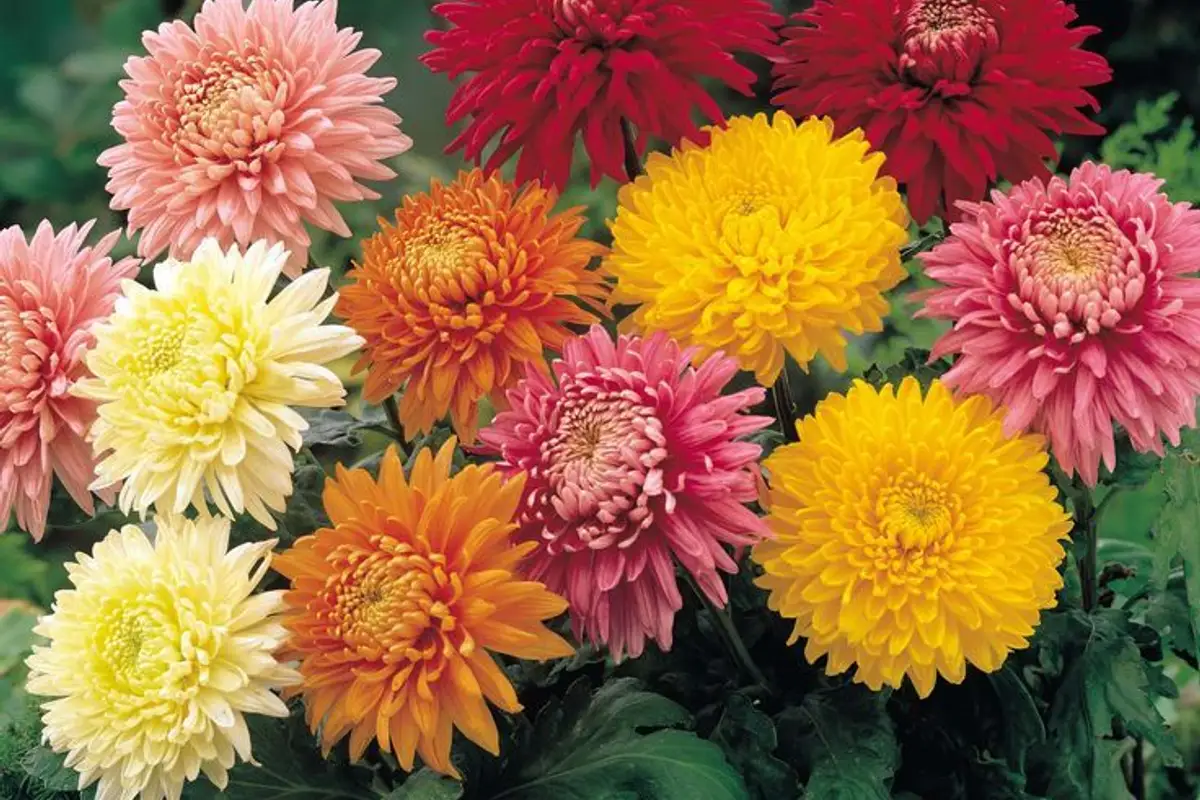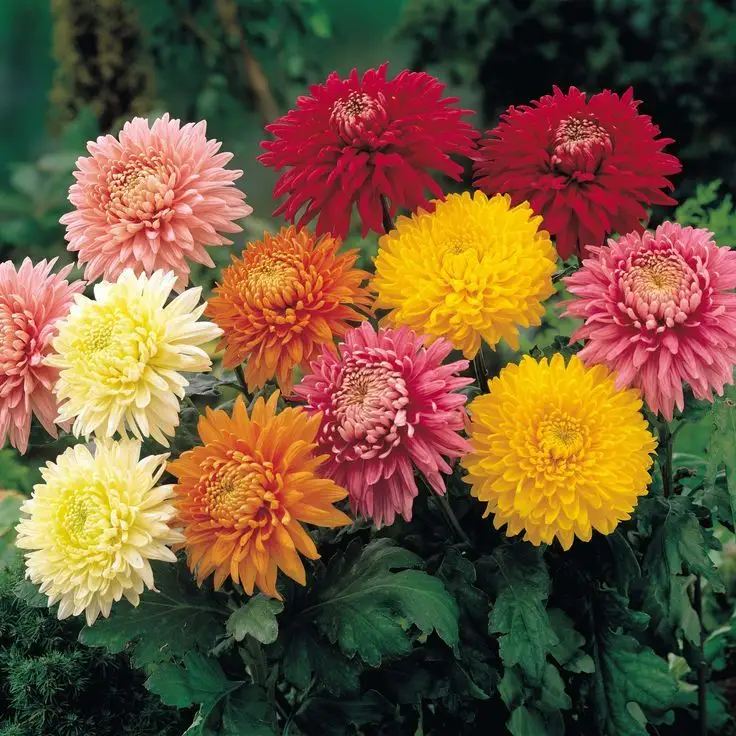
Chrysanthemum is the flower of autumn. In common parlance, chrysanthemums are also called tufanele, dumitrite or autumn daisies. Originating from Asia, garden chrysanthemum belongs to the Asteraceae family. Chrysanthemums have been cultivated in China since the 15th century BC and in Japan there is even a chrysanthemum festival called "Festival of Happiness".
When and how to plant garden chrysanthemum
Chrysanthemums are recommended to be planted in spring to allow time for development. During the summer they should be watered generously, and the tops of the plants should be broken off two or three times until July. Breaking off the tops serves to stimulate full flowering, and if this process does not occur, the flowers will remain very small.
The perfect environment for a chrysanthemum to grow harmoniously is one with plenty of light and water. In the garden, chrysanthemums can be planted with their pots or directly into the ground. For clumps of garden chrysanthemums, it is necessary to thin them out as this practice favors air circulation among the flowers.
Chrysanthemum is a hardy garden plant because it remains in bloom and even buds after the frost falls.
In winter, garden chrysanthemum bulbs must be protected from frost by transferring them to pots that can be kept indoors (in a cellar or pantry) at a constant temperature of 10 degrees. During wintering, the chrysanthemum bulbs should be watered sparingly, just enough to prevent them from drying out, i.e., once every two weeks. They will be replanted in the garden at the end of March.
The soil in which chrysanthemums are to be grown must be sufficiently moist, permeable and fertile.
Chrysanthemum propagation can be done by dividing clumps (only in spring or autumn), by cuttings or sowing seeds in spring, in the case of annual varieties. When the plant has 6-7 pairs of leaves, pinching is practiced, which consists of cutting off the tops above half of the leaf pairs.