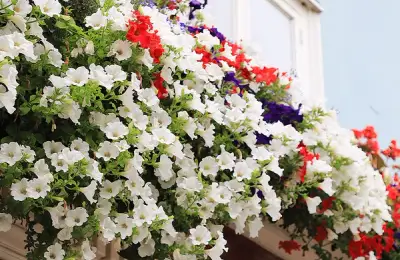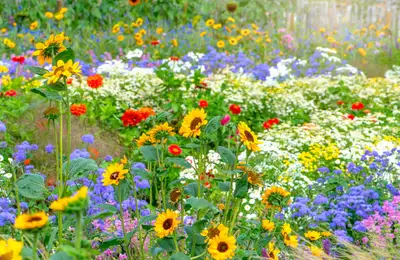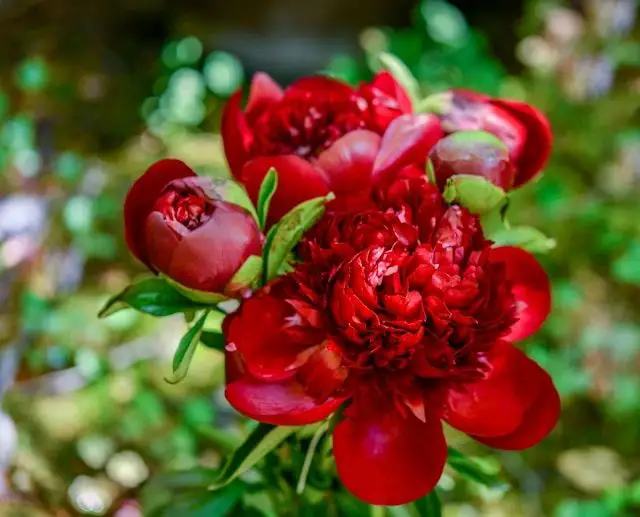
Roses are true stars of any green space. Loved by people, bees and butterflies alike, these perennial shrubs are remarkably resilient and, once established, bloom spectacularly year after year with minimal care.
An impressive diversity
There is a multitude of rose species and varieties, from cultivated ones with sophisticated flowers to wild forms of pure beauty. They can be small, medium-sized or form imposing shrubs. Flowers range from simple to double, many being fragrant.
The color palette is wide: immaculate white (relatively rare), delicate shades of pink (the most common), vibrant yellow (very rare), passionate red or deep violet.
Botanically, most garden roses belong to the genus Paeonia, the most well-known species being Paeonia lactiflora (Chinese peony) and Paeonia officinalis (Romanian or common peony).
The flowering rhythm
Roses are perennials that, depending on climate and variety, bloom from late April to mid-July. Interestingly, the flowering rhythm often depends on the color of the flower: the first to open their cups are the red ones, followed by the pink ones, and finally, the white ones.
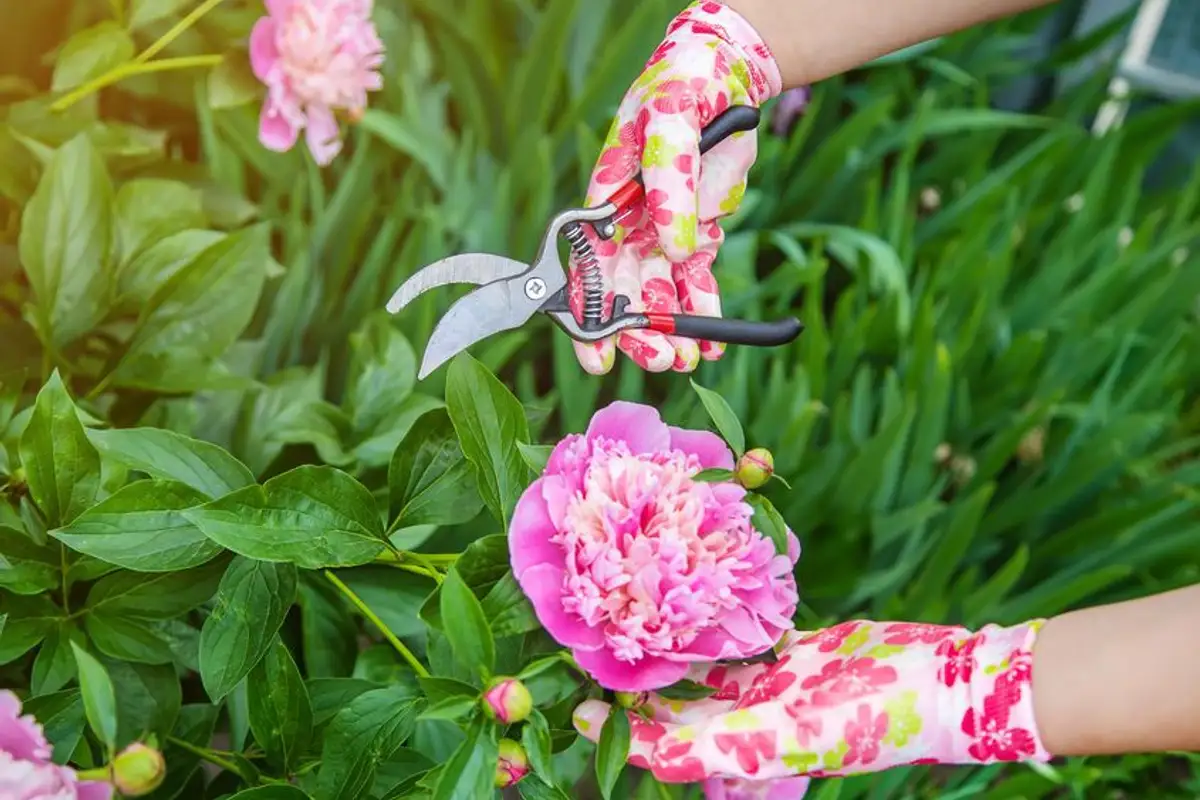
I. Planting roses: steps for a spectacular garden
Correct planting is the key to long-term success.
Ideal period:
Autumn (mid-September to mid-October): This is the optimal time. Plants have time to develop their root system before the first frost, ensuring a vigorous start in spring. This is also the ideal time to move a mature bush.
Spring: If necessary, plant as soon as the soil can be worked and there is no longer a risk of frost. Roses planted in spring may have a one-year delay in flowering compared to those planted in autumn.
Choosing the location:
Full sun: They need at least 6-8 hours of direct sunlight per day for abundant flowering.
Well-drained soil: They do not tolerate waterlogging. The ideal soil is clayey, fertile, mixed with compost.
Air circulation: Plant them at a sufficient distance (about 1 meter between bushes) to allow good air circulation and prevent diseases.
Shelter: Protect them from strong winds by planting them near a fence or other structures, but not too close to trees or large shrubs with which they would compete for resources.
Stability: Rose roots do not appreciate being disturbed. Choose a location where they can stay for many years.
Planting technique:
Soil preparation: Loosen the soil well to a considerable depth and width.
For tubers (Bare Roots): Dig a wide but not very deep hole. Position the tuber so that the eyes (growth buds, pinkish in color) are no more than 2.5-5 cm below the soil level. Planting too deep is a major cause of non-flowering. Cover with soil, press lightly and water well.