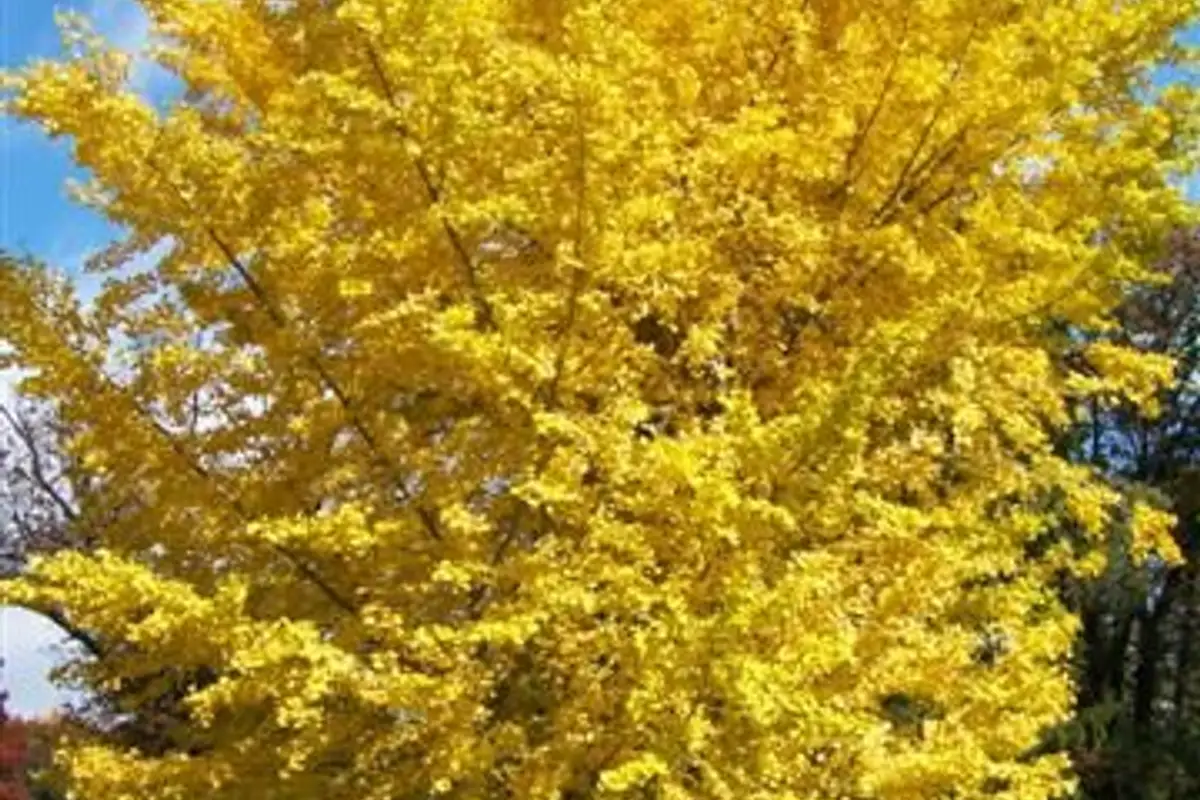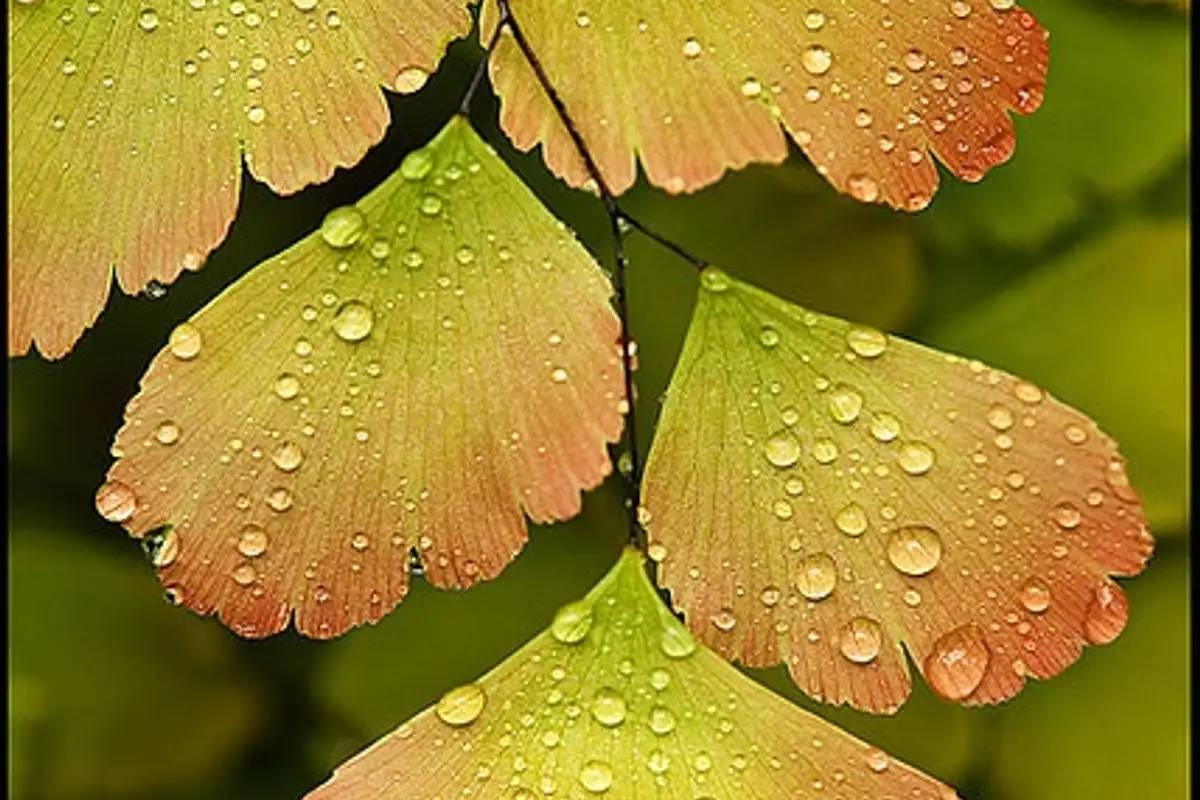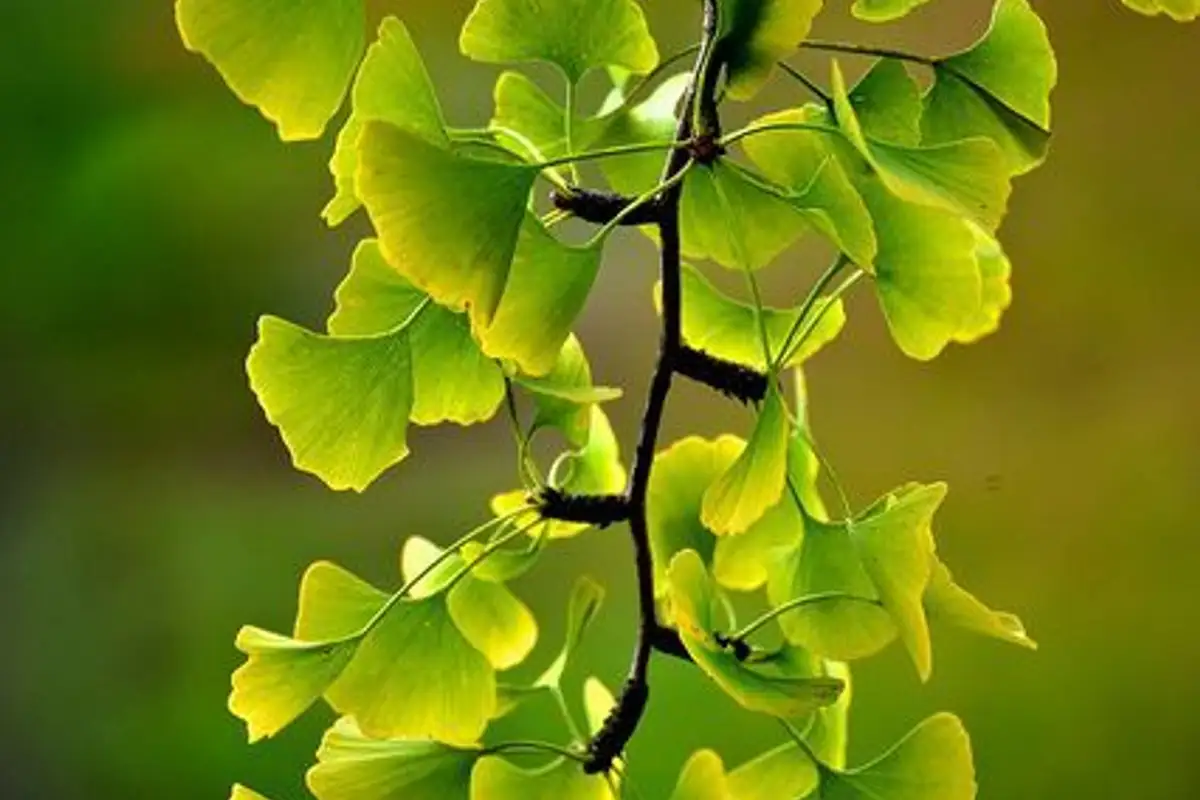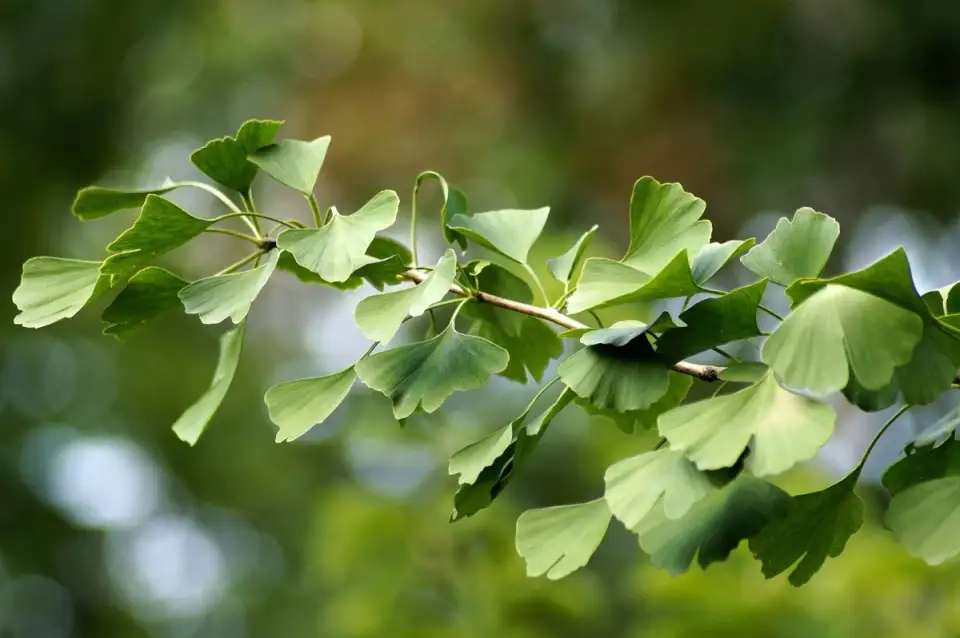
Ginkgo biloba is one of the oldest tree species. It originates from Asia and belongs to the Ginkgoaceae family. It is said to be the oldest surviving species of tree, having resisted since the Mesozoic Era. Charles Darwin, in his work Origin of Species, called this tree a living fossil.
For their beauty, they have been planted around Buddhist temples since antiquity as a symbol of piety. During that same period, ginkgo biloba leaves were used as currency, demonstrating that even then people recognized the preciousness of this tree.
Ginkgo biloba was only introduced to Europe in 1710 and planted in botanical gardens as an ornamental tree. It can reach a height of 20-25 meters and is a very long-lived species, with some specimens exceeding 1000 years old.
Some ginkgo trees even survived the atomic bombing of Hiroshima, proving it to be a species highly adaptable to sudden environmental changes.
Leaving aside its properties decorative We will now also refer to the medicinal qualities of the Ginkgo tree. In traditional medicine, Ginko Biloba can treat a range of circulatory or memory disorders, contains powerful antioxidants, increases metabolic efficiency, and helps reduce cholesterol, among other benefits.
Ginkgo biloba leaves contain two types of substances (flavonoids and terpenoids) believed to have antioxidant properties. These substances fight free radicals, harmful compounds that damage the body (they alter cell membranes, modify DNA, and contribute to aging).
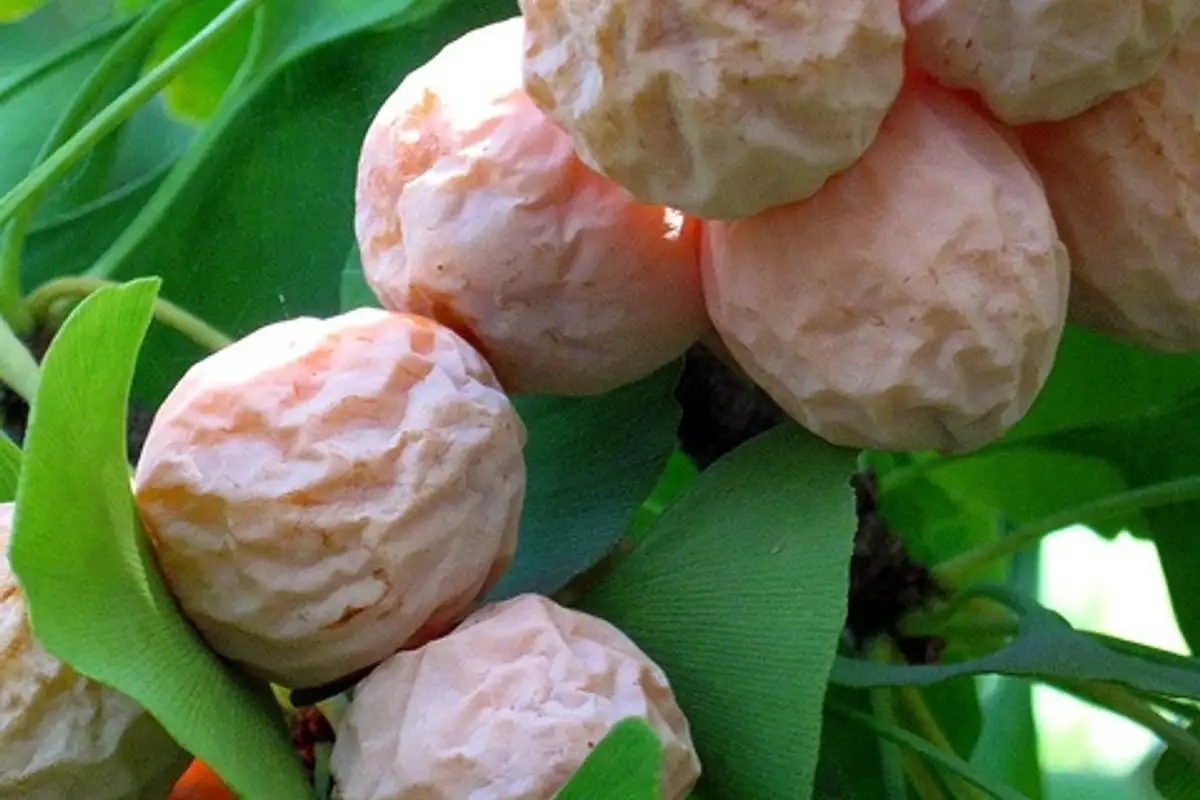
Ginkgo trees reproduce very easily, either through fruit or by grafting. If you wish to plant from fruit, it is good to know that they are harvested between September and October, cleaned of their fleshy covering, and stored in dry places until spring when they will be sown.
Ginkgo biloba is a tree shrouded in mystery. It amazes us both with its appearance and its extraordinary pharmacological properties, having been used as medicine for over 5,000 years.
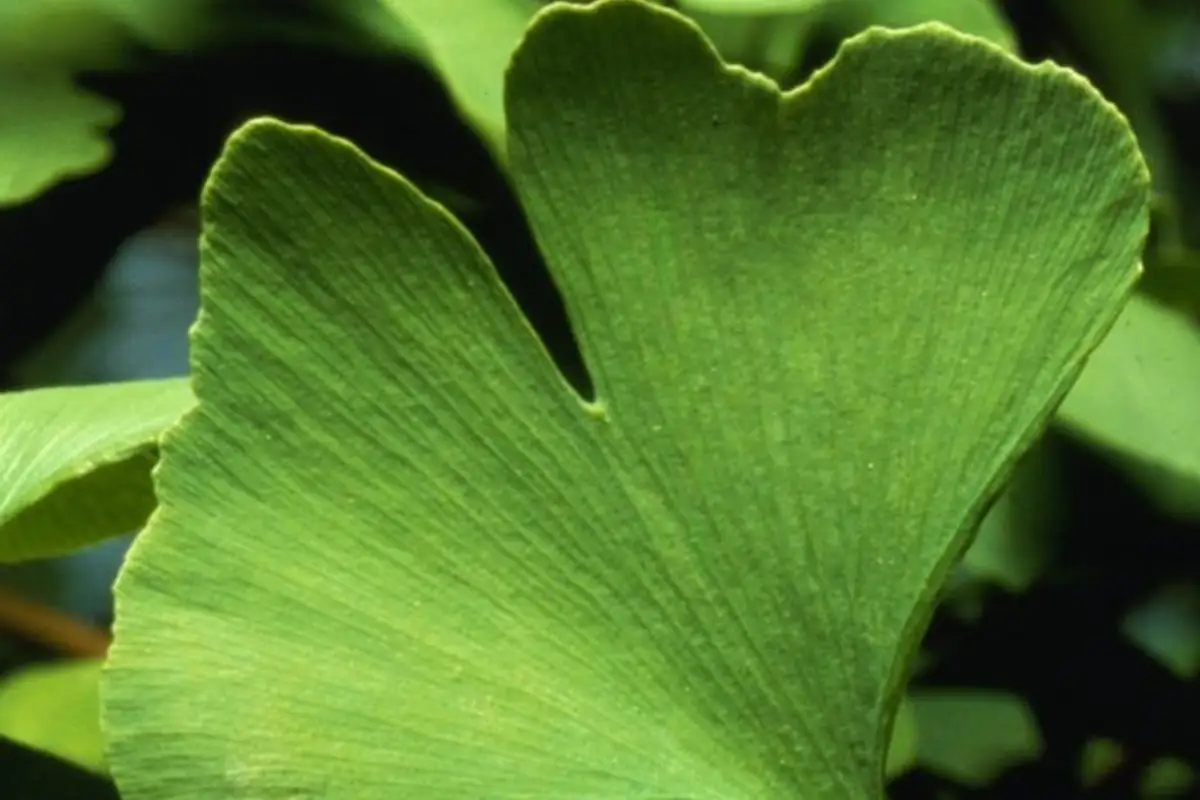
Its leaves have an unmistakable appearance, leading to various names for the tree such as: Bradul Sacru, Arborele de 40 de Taleri, Arborele Vietii, Arborele celor 40 de Steme, Parul Fecioarei, Arborele Pagodelor or Arborele Templier.