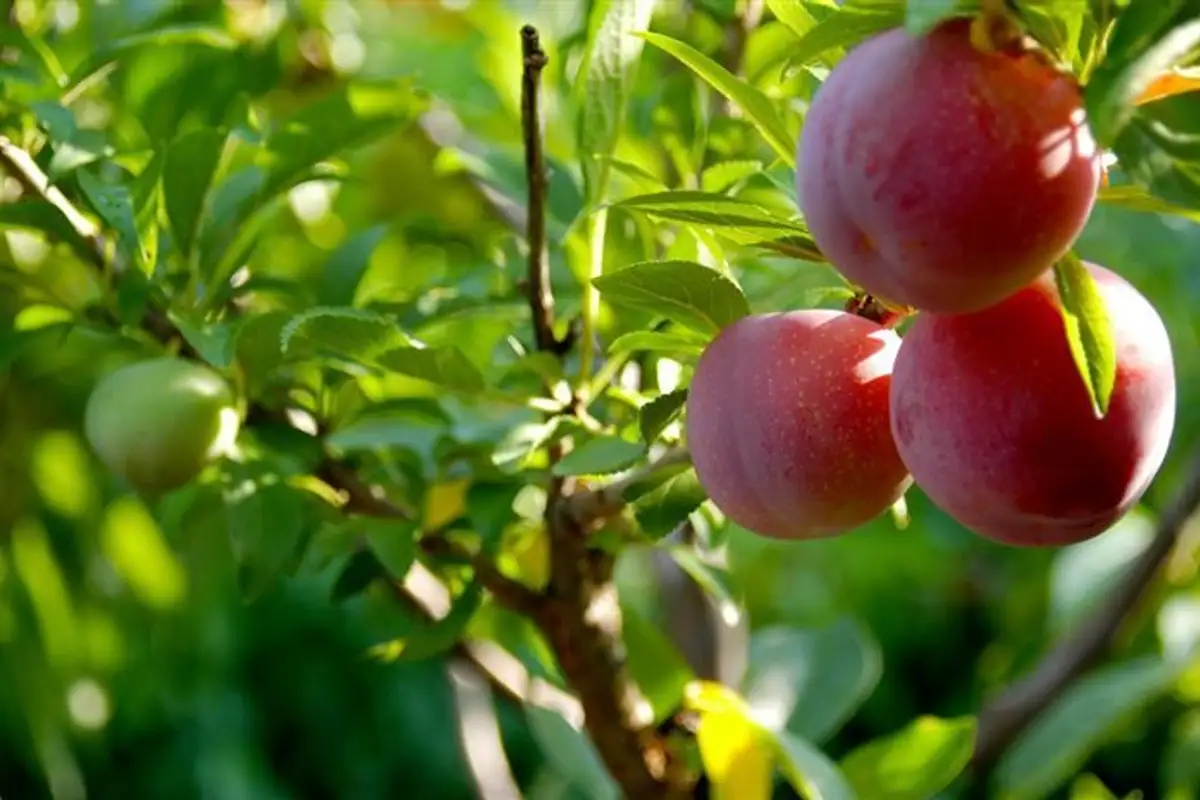
Grafting is a process that involves joining plant tissues of a rootstock (which contains the root part of a resistant species) with the scion (which is a branch or bud from a superior quality species compared to the rootstock).
Any fruit tree can be grafted efficiently, with a grafting success rate of over 90%, in two periods of the year. These favorable periods are spring, between March 15th and May 15th, and summer-autumn, between July 15th and September 15th.
Grafting fruit trees during these two periods of the year will ensure a higher grafting success rate and significantly reduce the chances of grafted trees being affected.
According to D EX Online, grafting means “to introduce a branch of one plant into the tissue of another, thus establishing contact between their generative tissues so that the grafted plant acquires the characteristics of the scion”.
To get a comprehensive idea about the fruit tree grafting process and ensure your shoots take root, you need to consider some specific details in the field.
You will need some tools that will be helpful for grafting fruit trees, such as: pruning shears, shears for thick branches, a horticultural saw, and a universal grafting knife. These tools can be found in any specialized store or you can ask a neighbor who is passionate about gardening.
In addition to these tools, you will need: rootstock, scion branches, grafting tape or electrical tape, and grafting wax.
Now that you have the necessary utensils, here are the steps you should follow to perform a graft:
After selecting and cutting the scion, make a straight cut at its thicker end using the knife;
Make a vertical bark incision on the rootstock, and insert the scion into this location, with the beveled side facing inward towards the rootstock;