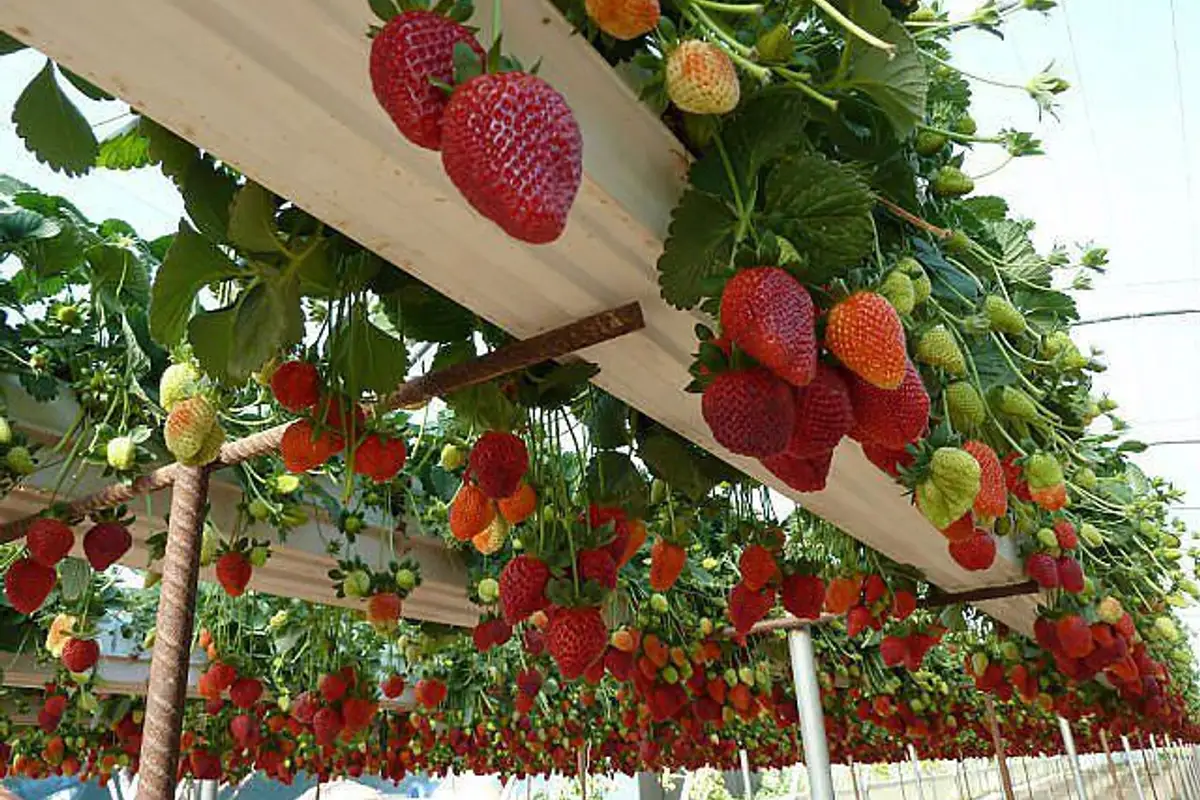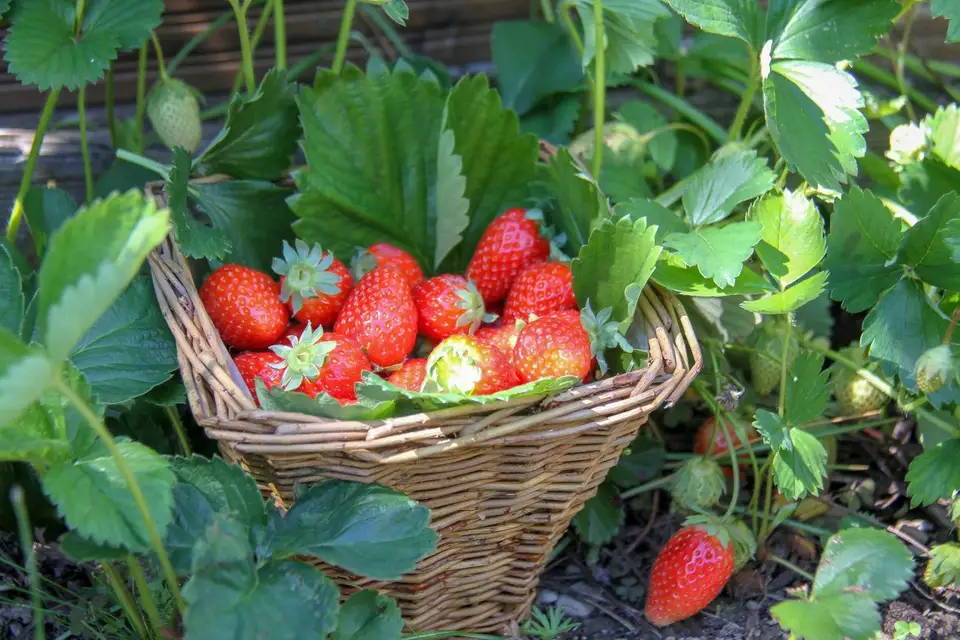
In some countries, the strawberry is considered the king of fruit bushes; we can rightly acknowledge this, as it is one of the most beloved plants.
Although we often encounter cultivated strawberries, in Europe there are also indigenous or wild species such as the woodland strawberry or the aromatic strawberry. Due to deliberate and targeted work, new, noble varieties have emerged. The new varieties are generally more productive and replace the old ones.
If we want to plant strawberries in the garden, we need to consider the taste and resistance of the fruit to diseases and pests. In our country, varieties with darker colored fruits are preferred, unlike Western Europe where paler species are more popular. In the case of strawberries, you can try several varieties, as plantations are renewed every two to three years.
Renewal is necessary because older plants bear fruit less easily and the fruits are smaller.
Strawberries prefer light, well-structured soils rich in humus. They do not tolerate excess water, conditions in which the roots are much more exposed to rotting. Heavy, clayey soils are not ideal for establishing strawberry crops, but if this is unavoidable, it is recommended to model the terrain.
When preparing the soil, it is fertilized with compost or well-rotted manure. Strawberry rhizomes are very sensitive to frost, and on unprotected land they can freeze.
In Romania, strawberries are planted in autumn, between September 10th and October 15th, spring in the period March-April or summer in the period June-July. In the planting year, no fruit is obtained, and the flowers that appear are removed.
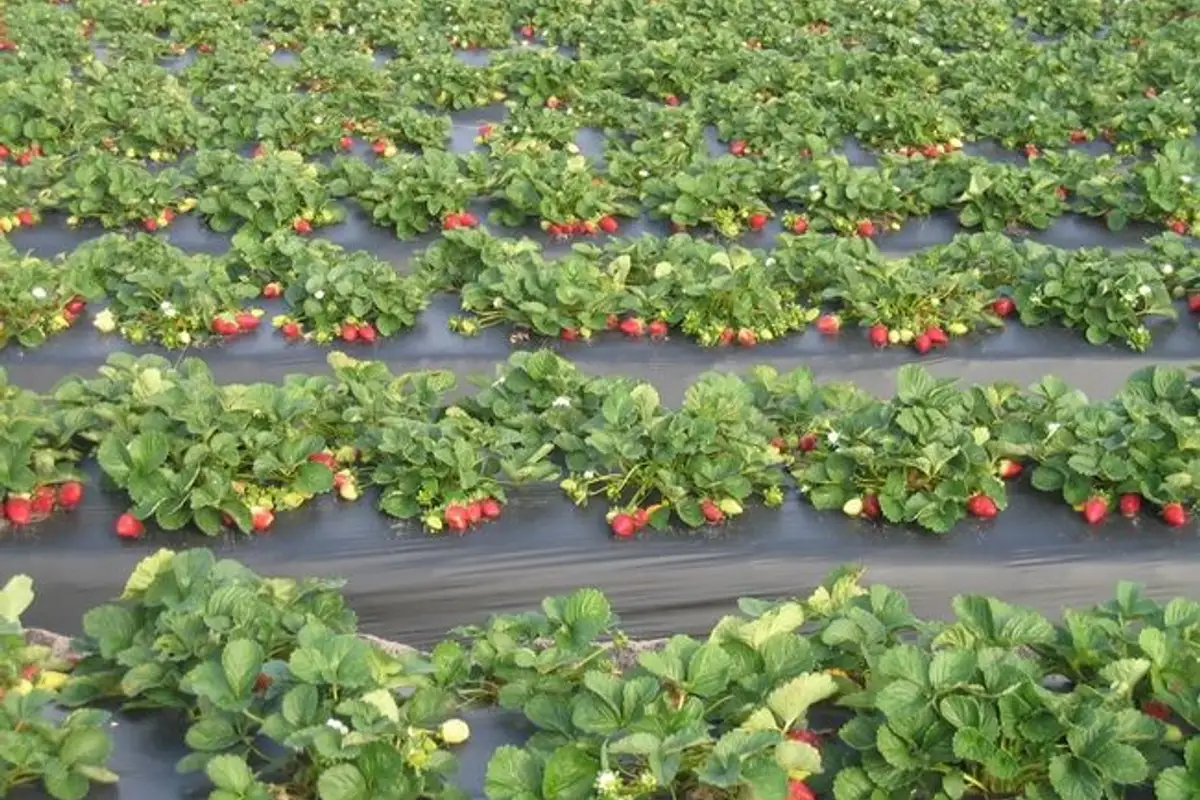
Runners are planted in single rows or bands of two rows, at a distance of 35 cm between rows and 20-25 cm between plants/row, for better development, aeration, and soil loosening. Strawberry roots are very sensitive, so the correct planting depth is very important. Strawberries cannot be cultivated for more than three years on the same land.
Strawberry beds are moved after three years because the quality of production suffers, and the plants are much more susceptible to attack by diseases and pests. When establishing new crops, the amount of humus in the soil is taken into account. If this is insufficient, it is corrected. If the appearance of mildew in the crop is reported, avoid establishing new crops on the same land.
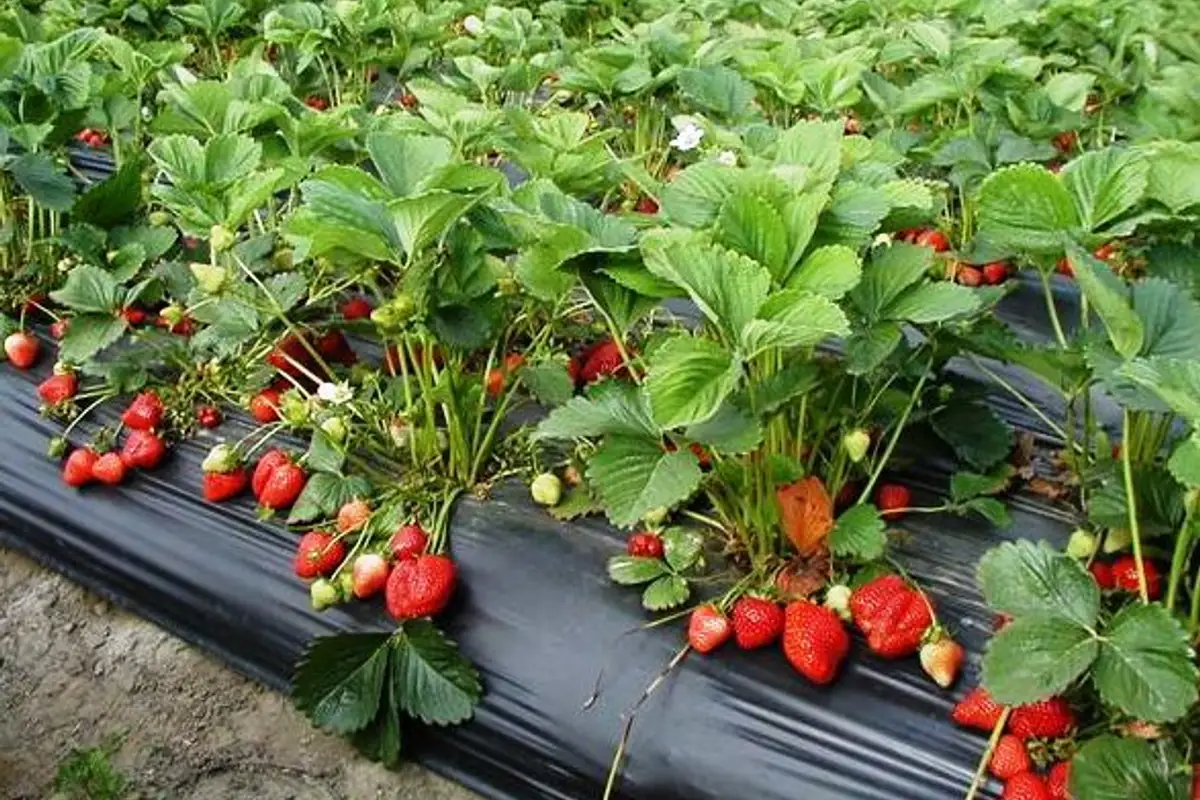
At the beginning of the formation of the first fruits from the inflorescence, mulching of the soil with clean straw or black or white plastic foil will be done. Mulching prevents the fruit from getting dirty, contact with the soil and consequently rotting, as well as the appearance of weeds.
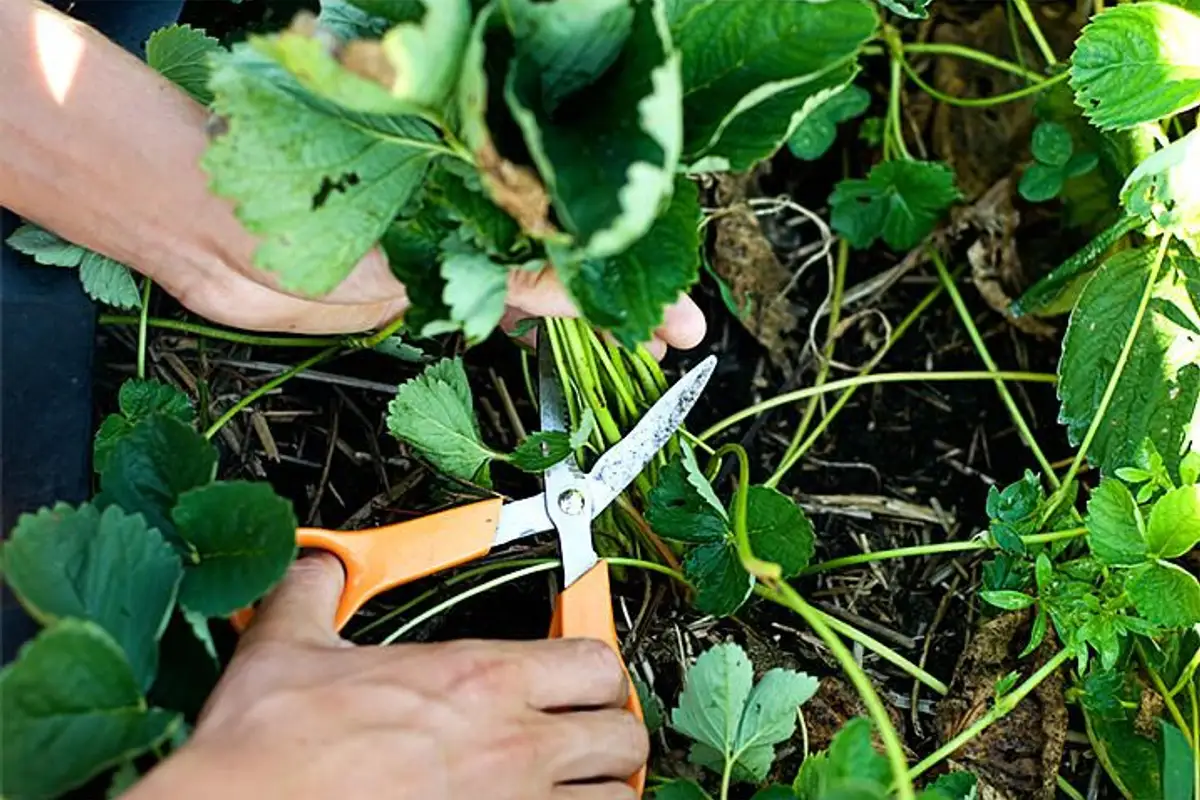
After harvesting, in old plantations (over two years old), with foliage attacked by diseases, it is recommended to mow the leaves. The work can also be done with the help of a lawnmower. It should be considered that the middle of the plant should not be affected, as this is where the new leaf rosette develops. By autumn, the foliage recovers quickly and the plants survive better during the winter.