If you are passionate about gardening or a great lover of flowers, then you certainly want to know as much as possible about hibiscus.
Hibiscus is a flowering plant genus belonging to the mallow family, Malvaceae. The genus is quite diverse and comprises hundreds of species native to warm temperate, tropical, and subtropical regions worldwide.
Hibiscus species are renowned for their large, showy flowers and are commonly known simply as hibiscus, or less commonly as nalba. The genus includes both annual and perennial herbaceous plants, as well as woody shrubs and small trees.
The generic name is derived from the Greek word ἱβίσκος (hibiskos), given by Pedanius Dioscorides, a Greek physician, pharmacologist and botanist who lived in Rome during the reign of Emperor Nero.
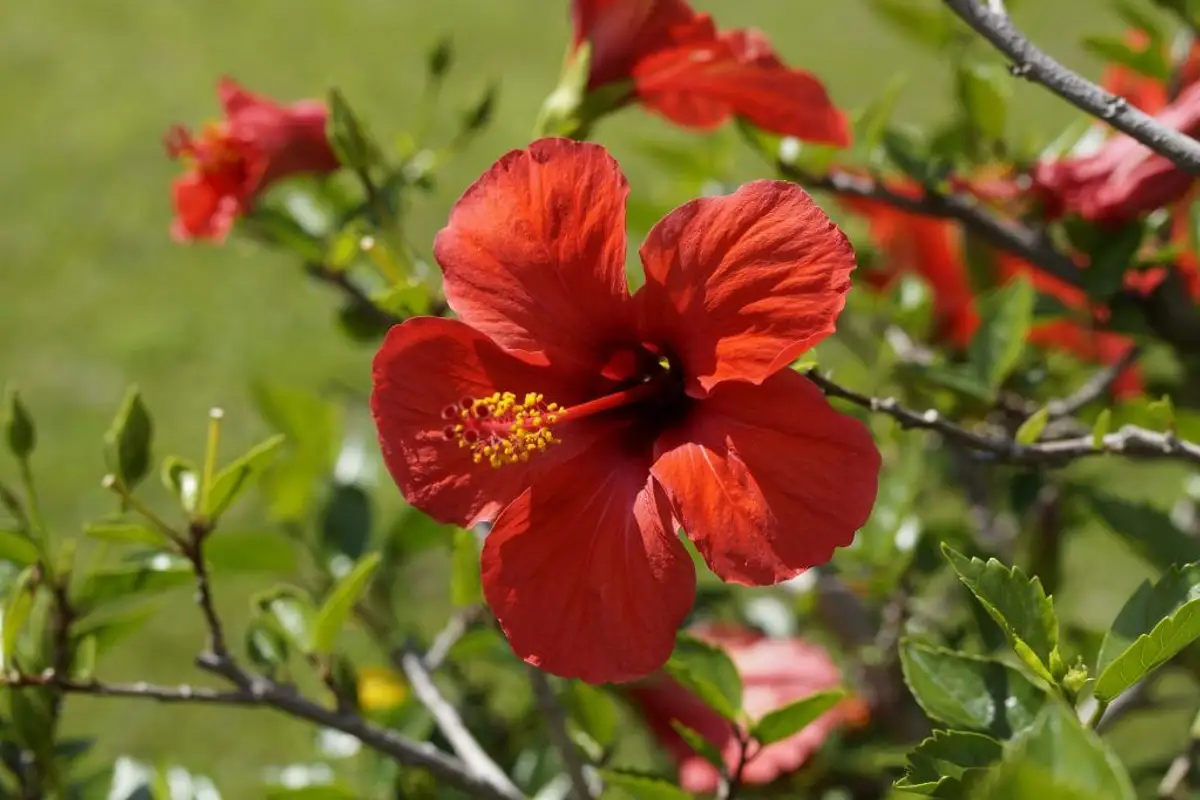
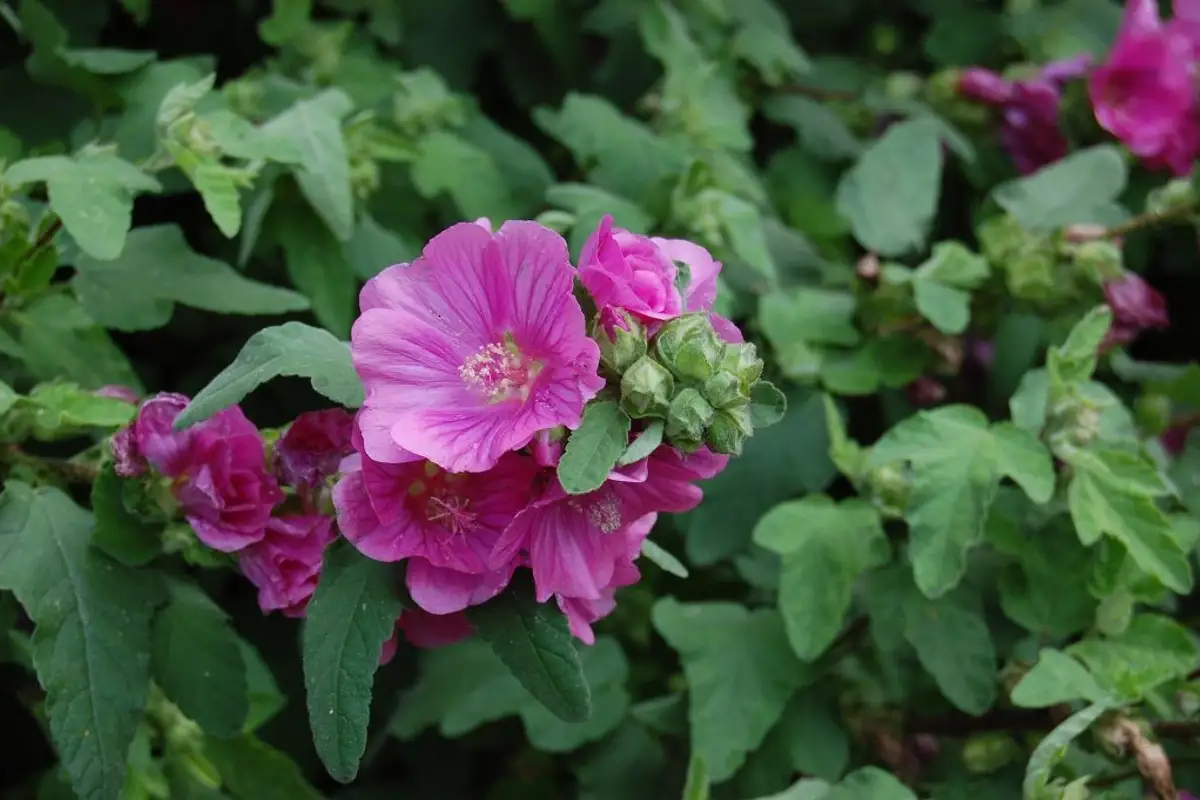
Flowers grow at the tips of stems and can be single or double, in a wide variety of colors. The plant blooms profusely, especially in spring and autumn, but if it receives sufficient light, it can flower all year round. The leaves are successive, oval-shaped and often toothed or lobed.
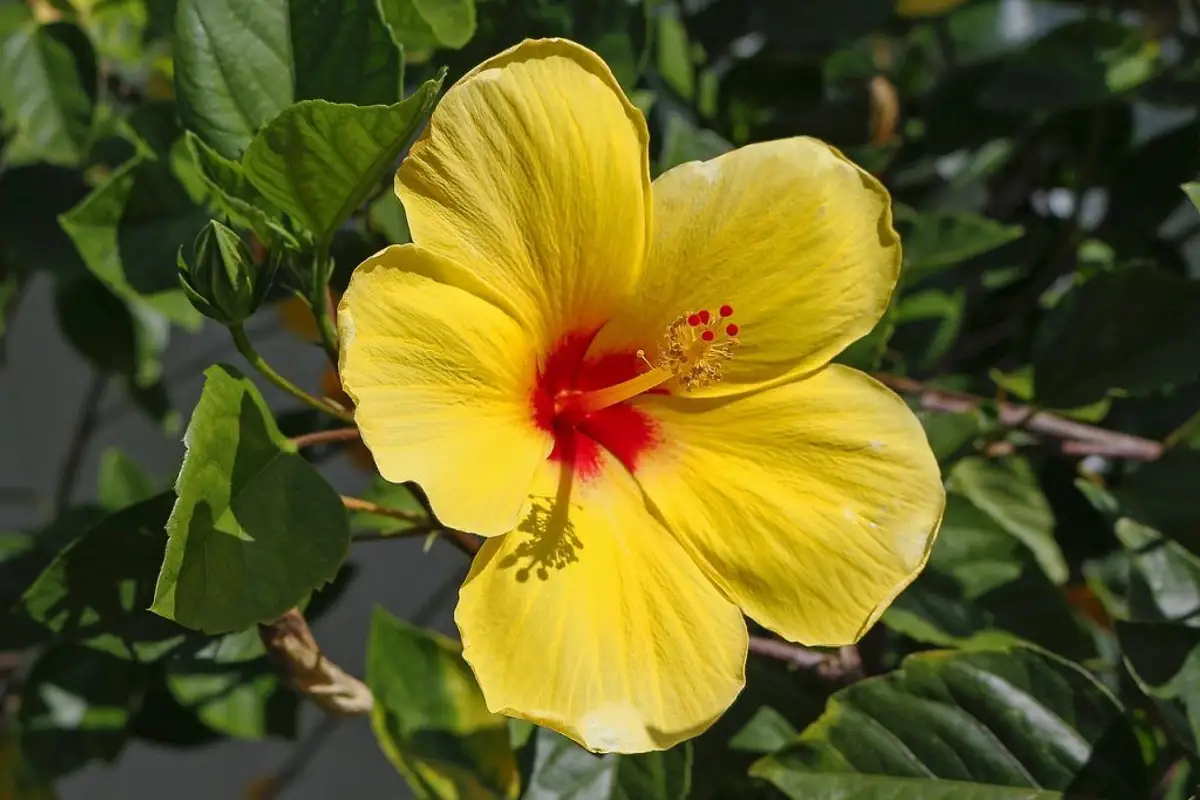
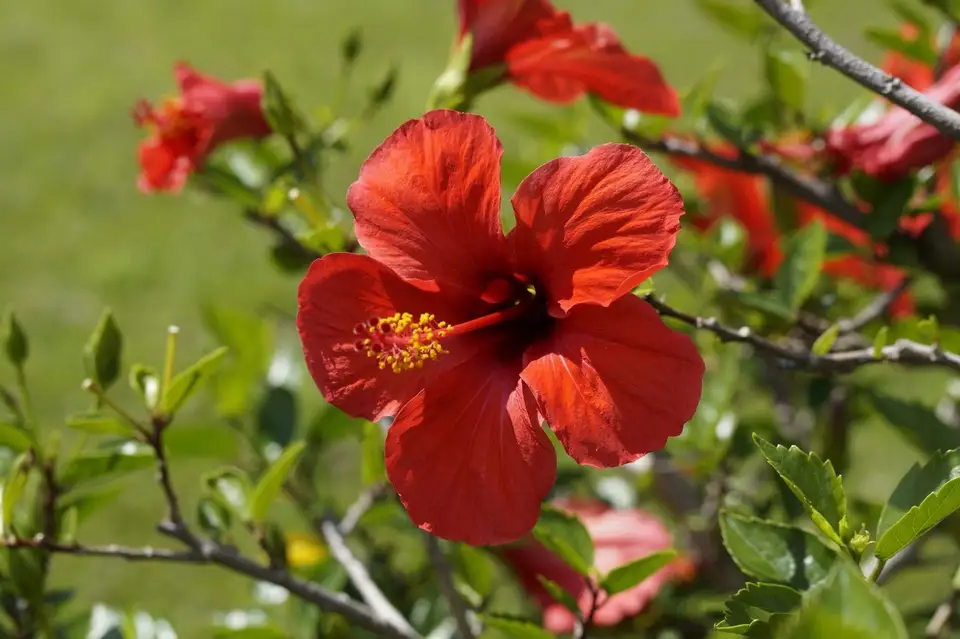
The flowers are large and visible, with five or more petals, in a variety of colors ranging from white to pink, red, orange, peach, yellow, or violet, and have a trumpet shape. The fruit is a dry capsule with five lobes, each containing several seeds that are released when the capsules open at maturity. It is red or white in color.
Although hibiscus flowers last only a day (sometimes two), the plant produces many blooms, especially if its environment is favorable. However, in autumn and winter, when light decreases, it reduces flower production. But from February, it begins a new season of growth and flowering with renewed vigor.
Culture and Symbolism of Hibiscus
Hibiscus is the national flower of Haiti and is used in their national tourism slogan. Hibiscus species are also representative of other nations. Hibiscus syriacus is the national flower of South Korea, while Hibiscus rosa-sinensis is the national flower of Malaysia.
The red hibiscus is the flower of the Hindu goddess Kali and frequently appears in representations of her in Bengali art, most often in the form of a depiction of the goddess with the flower. Hibiscus is used as an offering to the goddess Kali and Lord Ganesha in Hindu worship.
In the Philippines, gumamela (the local name for hibiscus) is used by children as part of a fun game. The flowers and leaves are crushed until sticky juices emerge. Tubular papaya stems are then dipped into this juice and used as straws to blow bubbles. Combined with soap, the hibiscus juices produce even more bubbles.
The hibiscus flower is traditionally worn by Tahitians and Hawaiian women. If the flower is worn behind the left ear, the woman is married or in a relationship. If the flower is worn on the right side, she is single or available for a potential relationship. Hibiscus is the state flower of Hawaii.