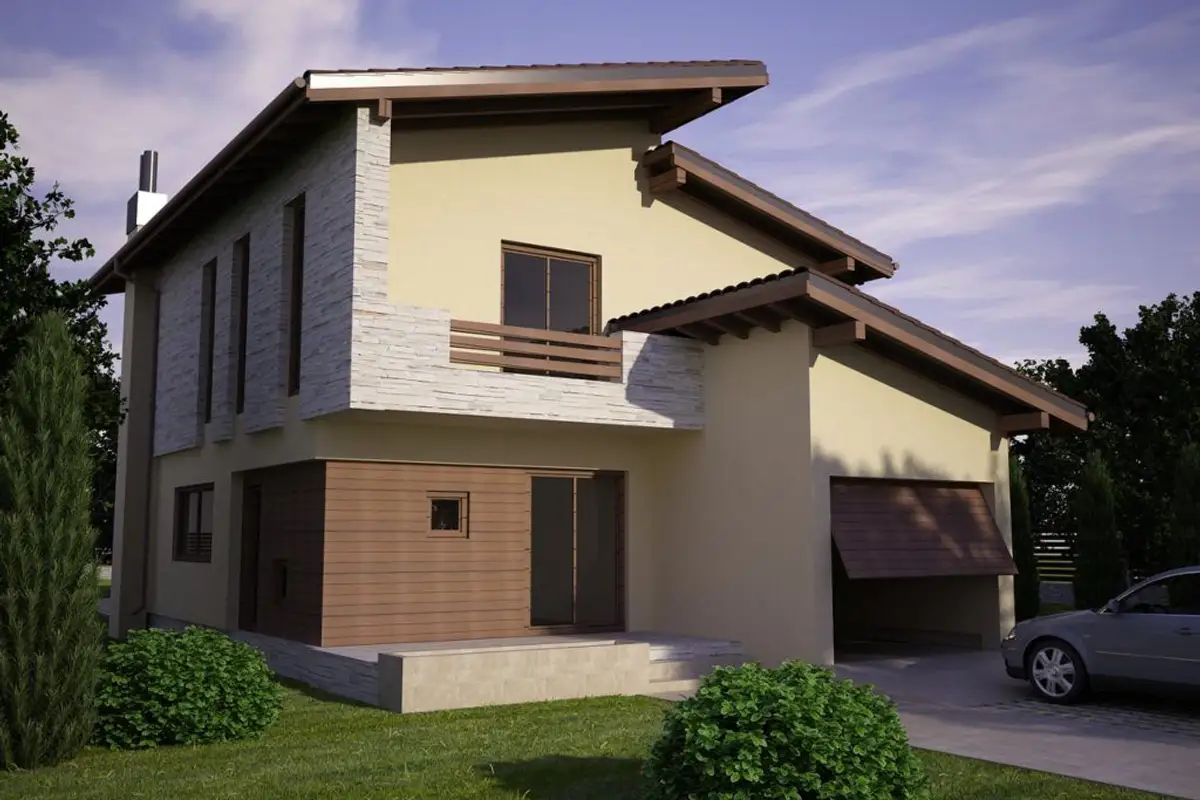
You know the saying "there's no place like home"? How true it can be! It's not enough to just have a house, what matters is turning it into "home". And it all starts with the first line drawn on paper. The house project is the most important stage in building it because only in this stage do you have the chance to put your dream home on paper.
Now you are allowed to let your imagination run wild and describe to the architect the house you used to draw many times in art class and which you talked about to those around you.
The house project is a stage often treated superficially by most owners, considered to be entirely the responsibility of the architect. However, there is also a category of people who are deeply involved in their house project. After all, it's the place where you will spend time with your family, the place where you will make memories and write your story.
We recommend following the next steps in designing your home:
1. Get Inspired
There's nothing wrong with getting inspired. If you remember seeing the perfect house in a movie, watch the movie again, take notes, visualize yourself in that house. Or maybe you have a neighbor with a special house design that catches your eye. Visit them, ask for their help in designing your home, explain what you would like and jot down some ideas.
Remember, there are no good or bad ideas, only ideas that suit your taste or, on the contrary, ideas that don't fit your project. Discuss these ideas with friends, family, with everyone who has spent enough time around you and knows your preferences.
Read specialized magazines, cut out house models that catch your attention, note down any small detail that you think will help you later in the realization of the project.
2. Get Organized
Before going to an architect for help with your home project, organize all your ideas and requirements in a planner. This way, it will be much easier for you to explain what you want. Go further and dare to draw a sketch of the house. Don't worry, you don't have to be an artist, just let your imagination do its thing.
Write down anything small that you think will help you in this endeavor.
3. Use the Internet
It's no secret that we can find anything on the internet with just a click. There are many websites that can help you design your home, from offering solutions for its positioning (for example, towards the west or towards the east) to choosing decorative elements. All you have to do is find the right website for your needs and start your project.
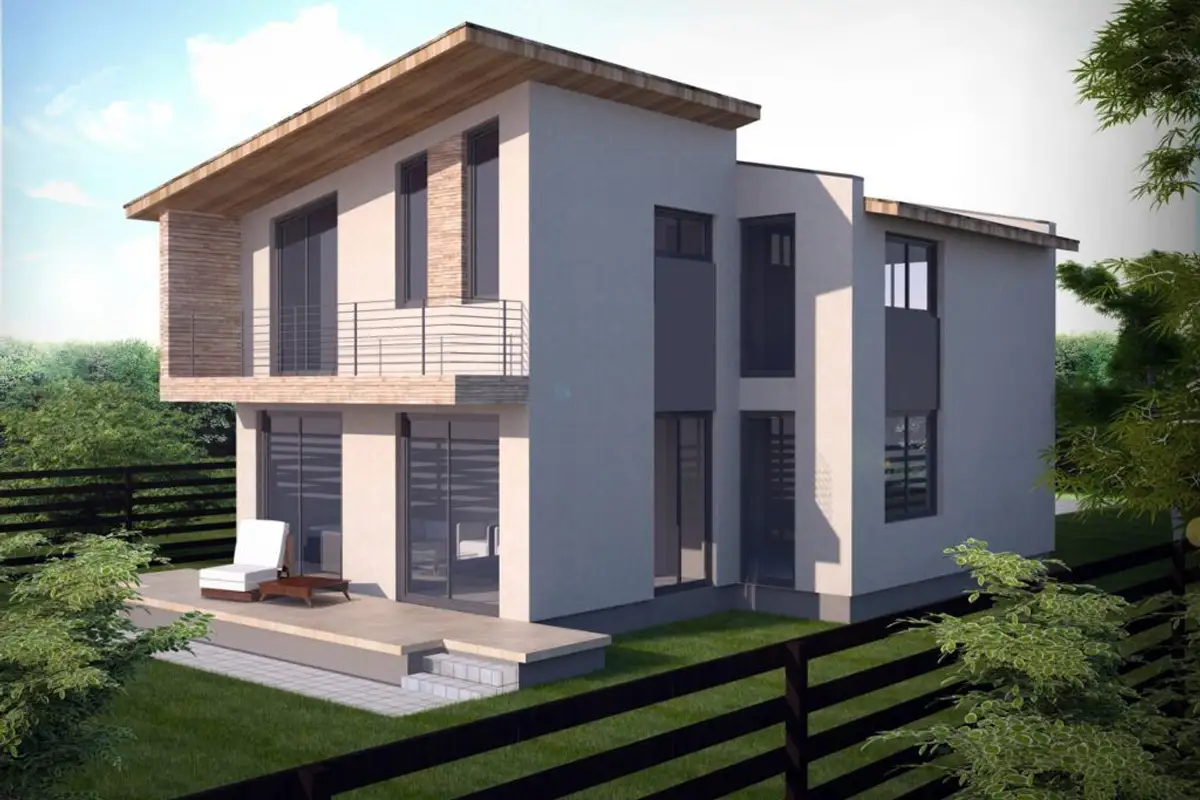
You can simulate different styles and types of architecture to see which one suits you best.
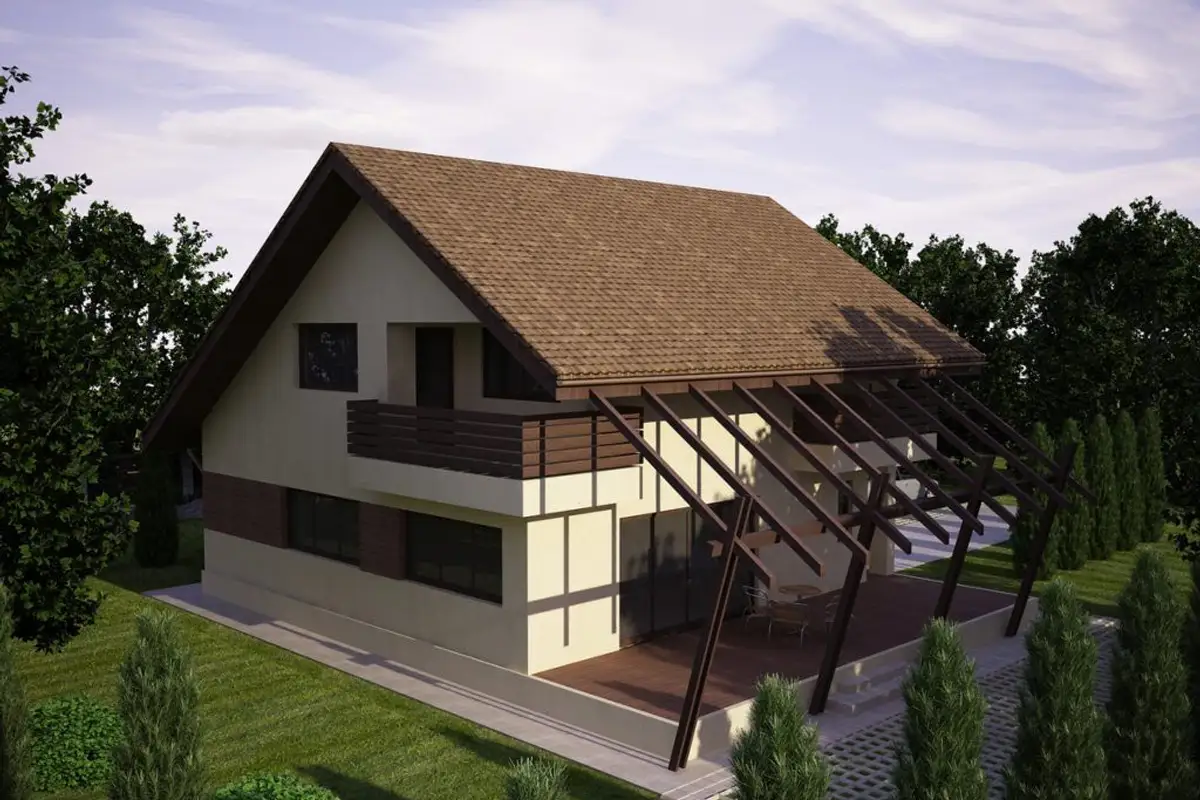
Another advantage of the internet is that it allows you to weigh the pros and cons of certain important aspects. For example, you can compare house projects made of wood with house projects made of brick, or houses with attics and houses with floors.