If you've reached this article, it means you have at least one piece of furniture at home that was about to end up in the trash. Maybe a forgotten wardrobe by its owner in the apartment you just bought, or an extremely boring chair that you cover with a decorative pillow to hide its cracks. Keep it where it is.
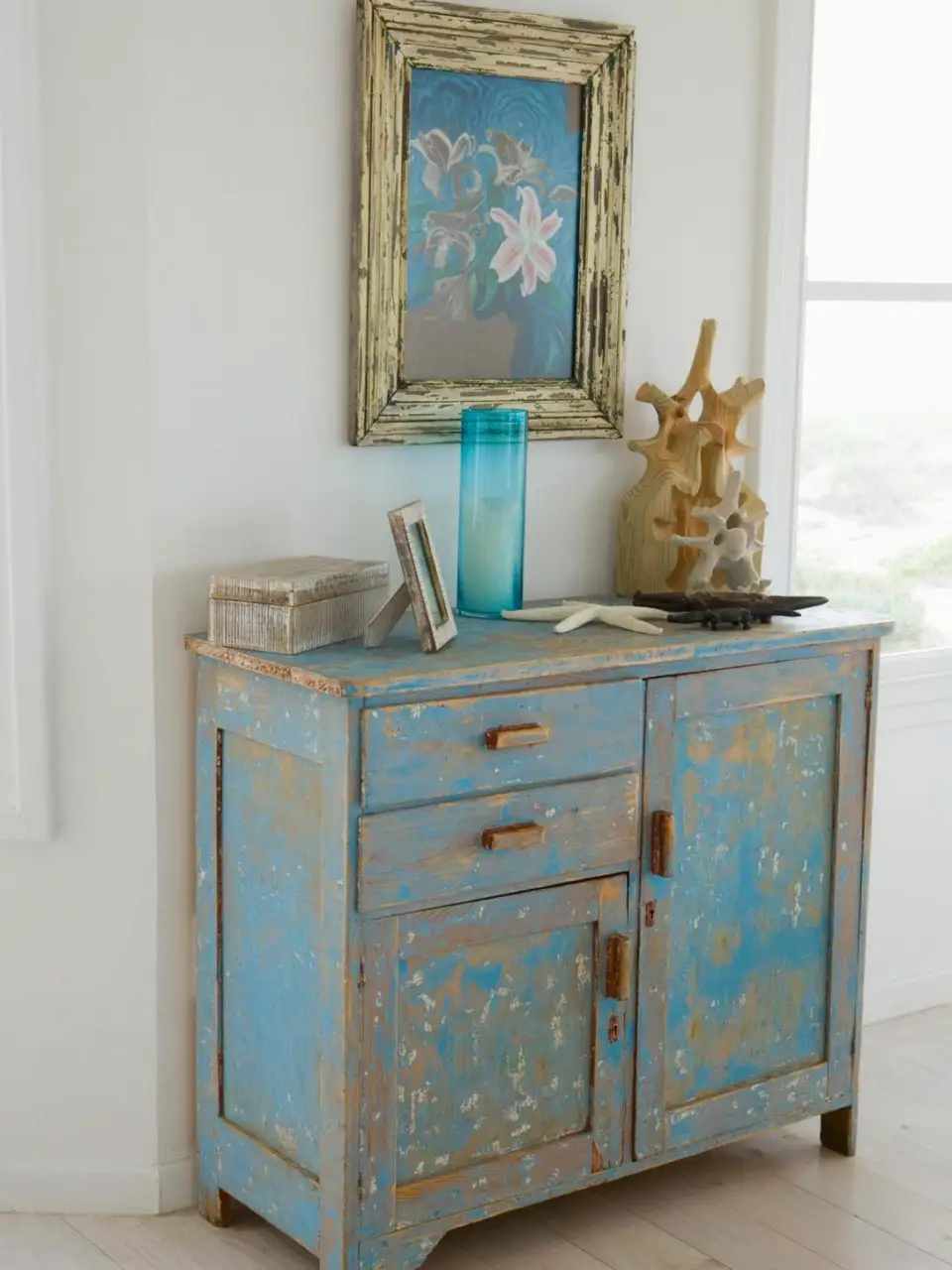
At the end of this article, it will be ready to become the centerpiece of the space where you live.
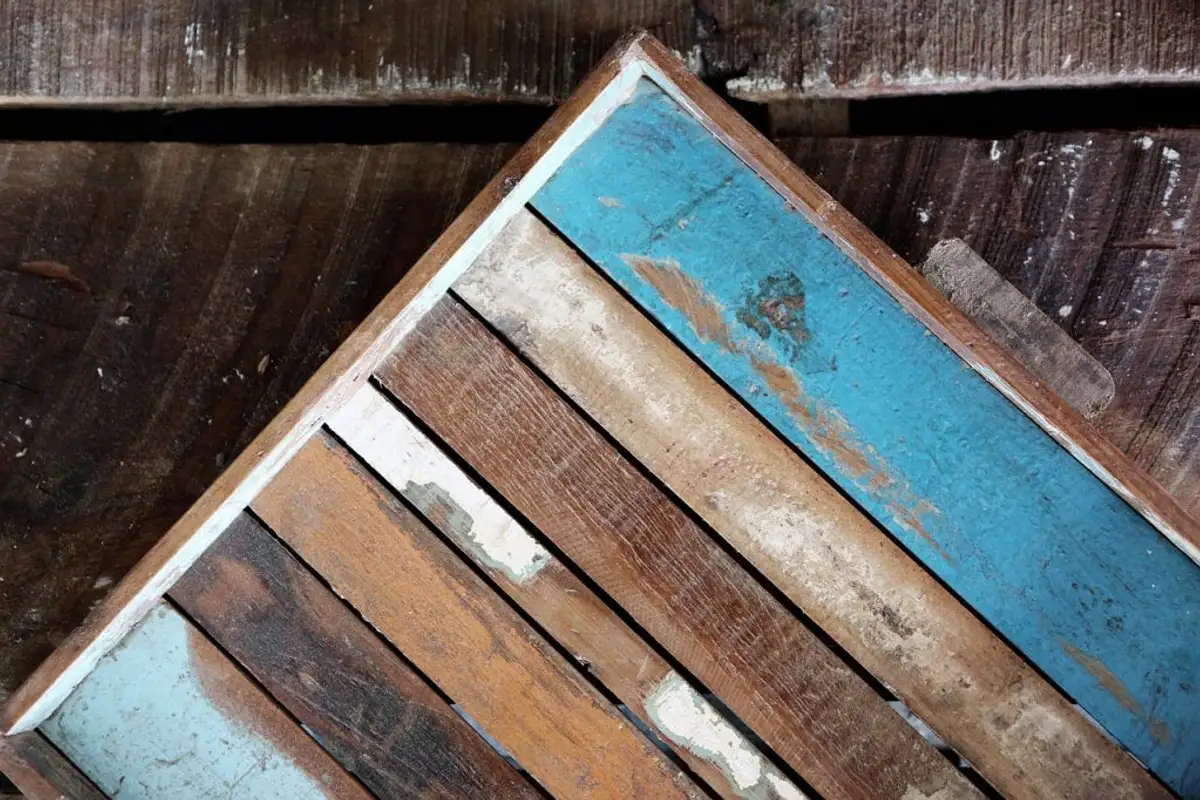
Open GalleryIf you are not in the situation described above and want to acquire a piece of furniture from a flea market, when examining a piece, ignore its aesthetic appearance at the time of purchase. The part that interests you is the wood hidden under layers of poorly applied paint or varnish, scratched, chipped.
The material and construction method are more important than the appearance or details of the object. Look carefully at the surfaces with cracks and crevices to detect the stage of wood preservation.
To give the wood an aged look, you will need (besides the piece of furniture itself):
Sandpaper
Wood paint (preferably water-based) you can use two different shades
Brush
Sponge or cloth
Linseed oil
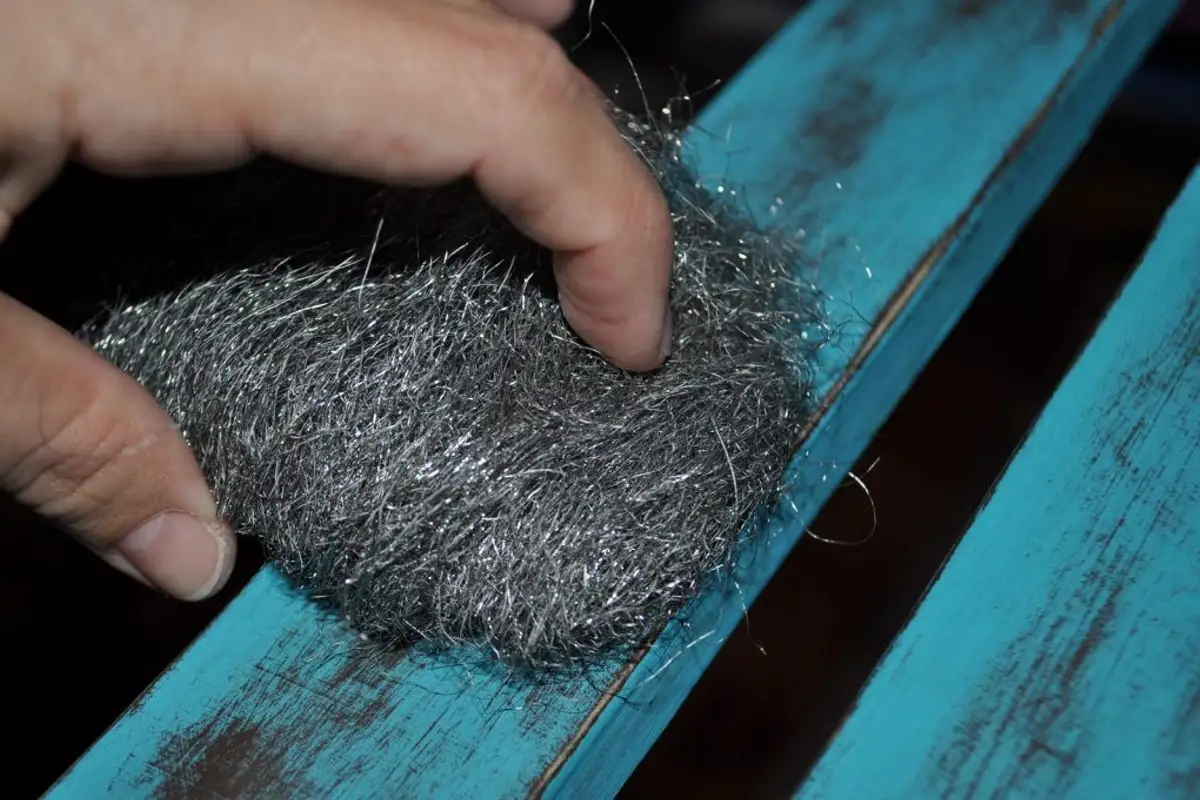
To remove existing varnish, sand the surface with very coarse sandpaper placed on a piece of wood or with the blade of a knife. Ideally, use an angle grinder or sander, as manual sanding takes time and patience. Insist on the edges, where furniture wears out most easily.
Wipe evenly with a damp cloth, then apply linseed oil evenly with a soft cloth or sponge to the cleaned and dried surface. Let it soak into the wood and dry. Before applying the paint, test the shades and viscosity on a surface that is not visible.
If you want the wood grain to stand out more, dilute the paint until you reach the desired transparency.
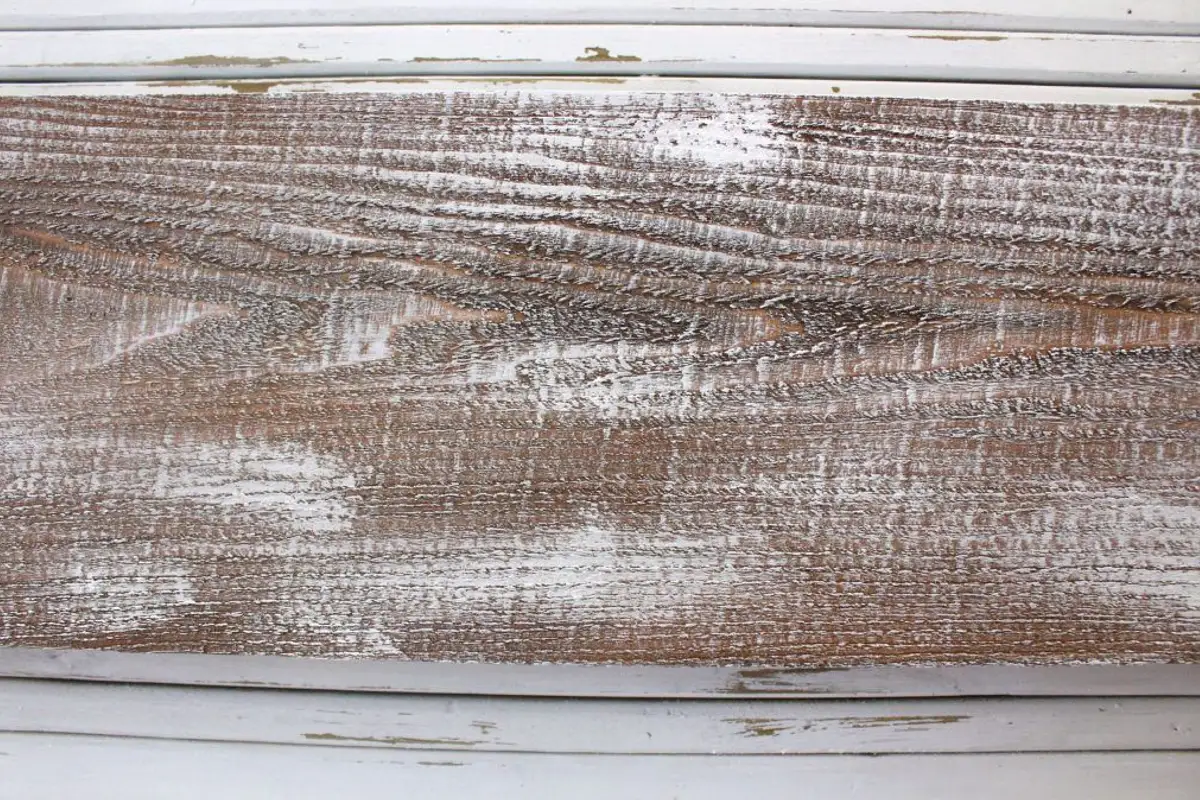
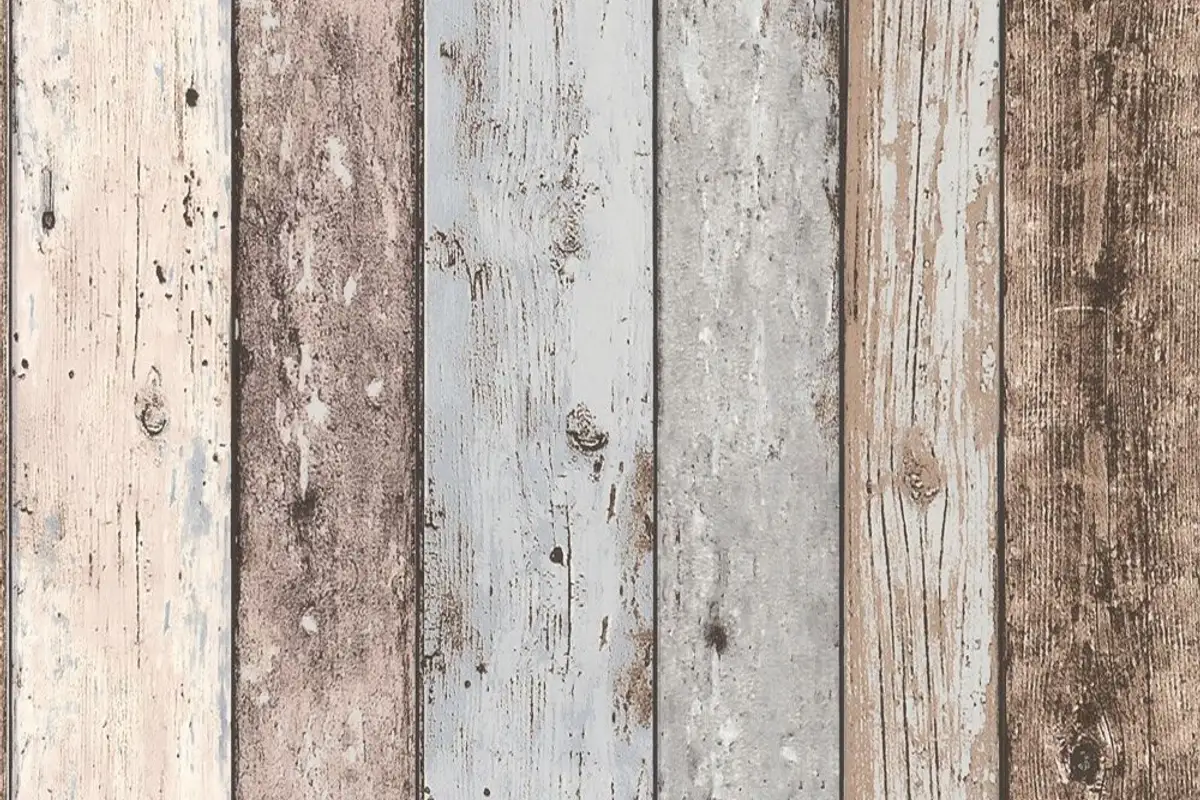
Then apply the paint and let it dry. If you want to age with two shades, apply the second paint only after the first coat has completely dried and, while it is still wet, dab with paper towels to achieve an aged look.