Living fences are a natural and aesthetic choice for those who want to protect their privacy from the indiscreet glances of neighbors. In some countries, such as Great Britain, the concept of living fence has evolved towards art – the famous labyrinths behind imposing houses, built from living fences, are a real attraction for tourists.
Open Gallery What is the usefulness of a living fence In our country, the living fence is not yet so popular, but it is starting to become an increasingly frequent option, both in block areas, as a demarcation of the front garden of the block, and in new residential areas.
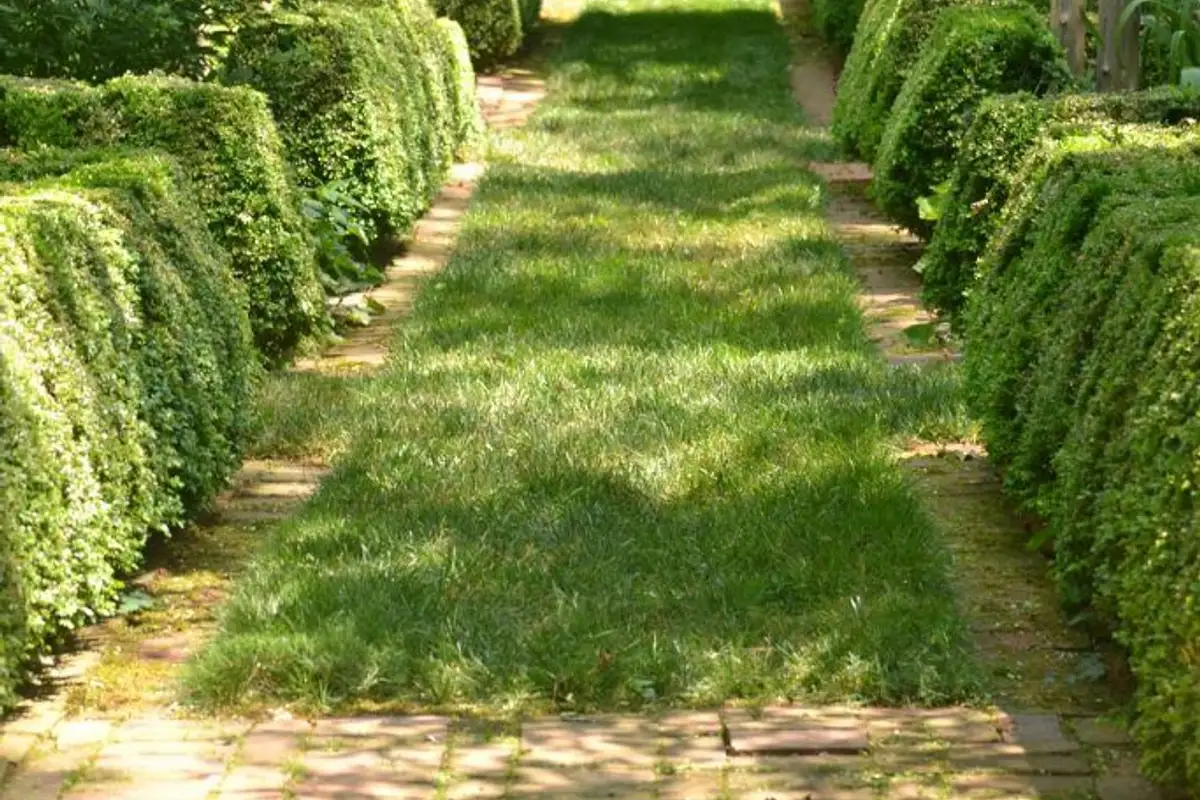
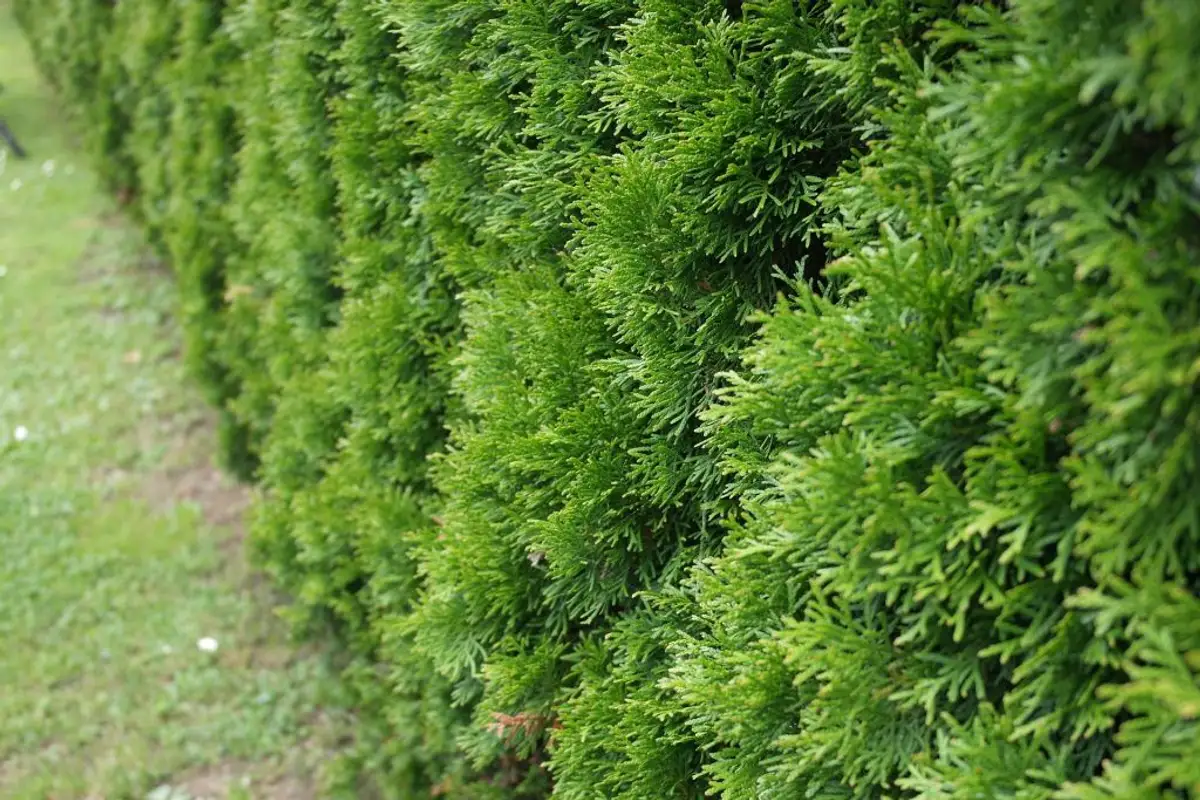
In addition to the fact that it can grow to a height sufficient to hide the house and yard from the eyes of passersby, a living fence will also retain dust and exhaust gases, acting as an air filter.
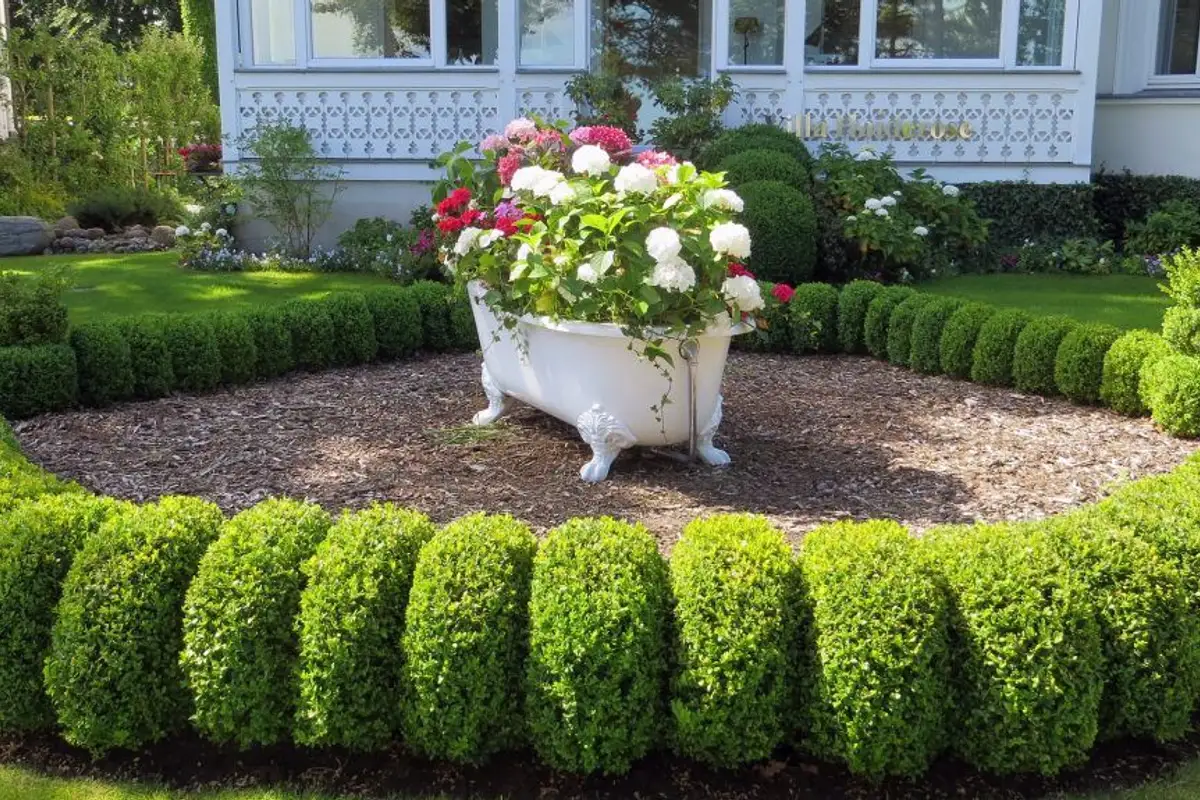
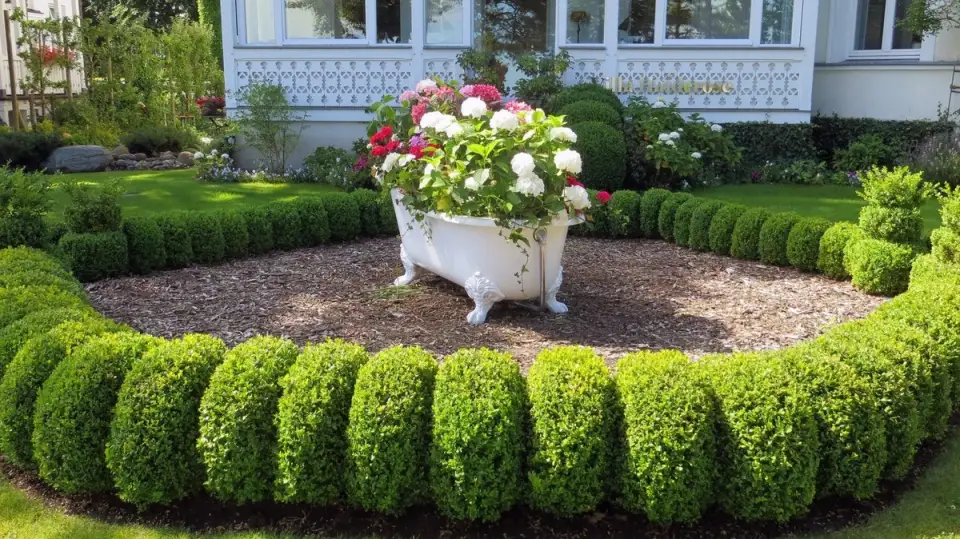
However, a living fence should not only serve a utilitarian purpose. Many shrub species used to create living fences are dwarf varieties – which do not grow more than 40-50 cm in height. From these, you can create a miniature labyrinth (after the English model) or various geometric shapes.
Moreover, there is also the art of pruning shrubs and living fences to give them shapes of animals, people, mythological creatures or anything you desire. Most professional landscape design companies also offer pruning and maintenance services for these true living sculptures in your garden.
How to choose the type of plants to create the living fence
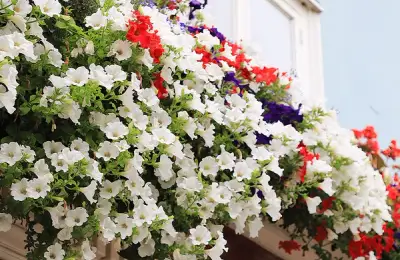
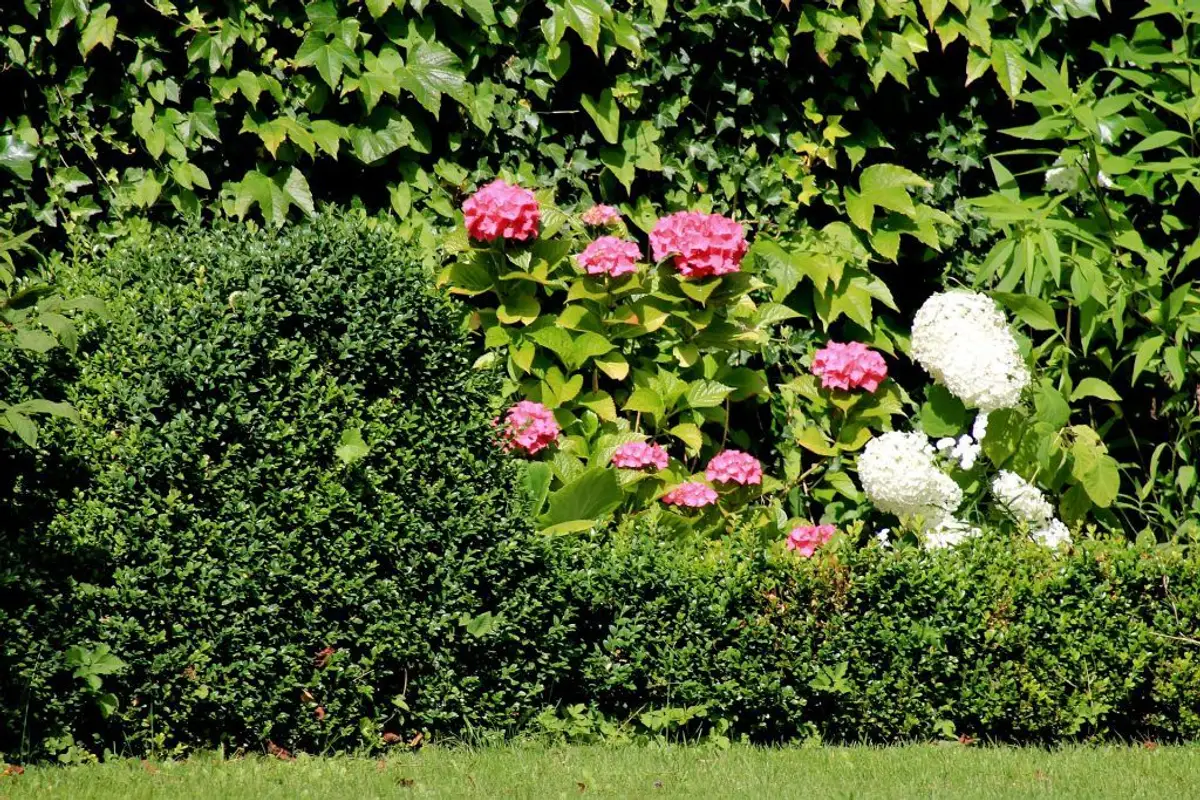
Aesthetically, you can opt for flowering plants – jasmine, ivy with purple or yellow flowers – or plants with red or purple leaves. Depending on your preferences, you can create a mix in various combinations between green-leaved plants and those with leaves in other colors.
Landscape specialists can advise you in this regard and present computer simulations to see the final result.
As a special precaution, plants that dry out during autumn and winter should not be planted near the house, as there is a risk of fire starting and feeding.
Creating the living fence
Sowing
In this case, the main advantage is that you will have a young fence, which will last longer and be more vigorous. It is suitable for climbing and deciduous plants (ivy) and allows you to shape the fence by bending and thinning it according to your preferences, correcting uneven growths (too dense, too sparse).
You can also observe from the beginning whether the plants have taken root in the soil and the specific climate of the area where you live.
The main disadvantage in this type of living fence is that you will have to wait at least a year to have a real fence.
Planting
Cuttings or shrubs planted are usually young plants, not seedlings, so they will fulfill their aesthetic or functional role from the beginning.