The lemon tree is an exotic plant that can also grow in our apartments as a shrub. It has a rather dense crown and blooms all year round, and under optimal conditions, flowers, ripe fruits, and growing fruits can be found on the plant at the same time.
We've all seen a lemon tree at someone's house at some point, whether it be relatives or friends, and in most cases these lemons are purely decorative. That is, they don't bear fruit or if they do, the fruit is small.
To move beyond the ornamental stage, these lemon trees should be grafted. Here is the simplest grafting method for fruit trees and citrus fruits alike. It is also known as "whip and tongue" and is the most commonly used of all grafting methods.
Read also How to Grow a Lemon Tree from Seed - in 6 Steps or How to Plant a Pineapple
If you have a lemon tree that you want to graft, here's what you need and the steps involved:
You will need a scion taken from the crown of a lemon tree in full fruit, and it should have 3-4 well-defined buds.
Cut the plant, maintaining a trunk length of approximately 30 cm. For cutting, use a very sharp knife or a special grafting knife.
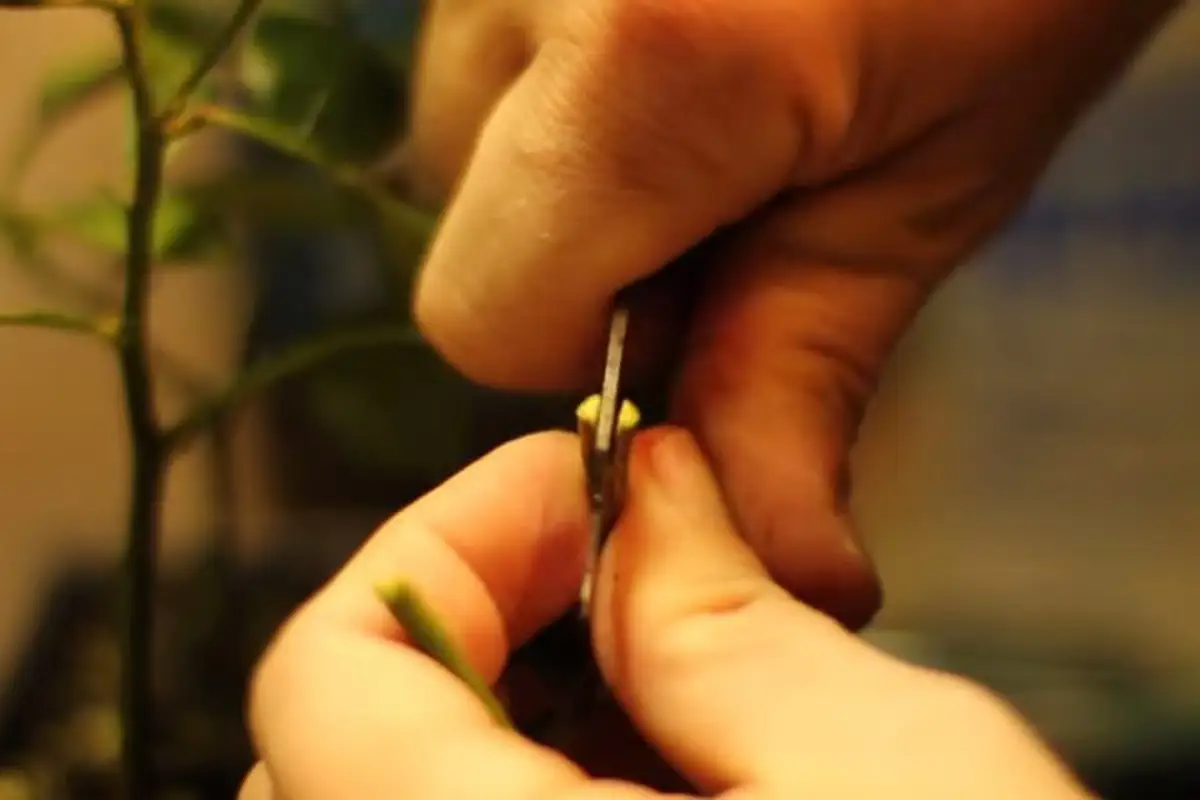
At the end of the cut (which is called the portaltoi), make a section of approximately 2 cm, in the middle of the trunk, where the graft will be inserted.
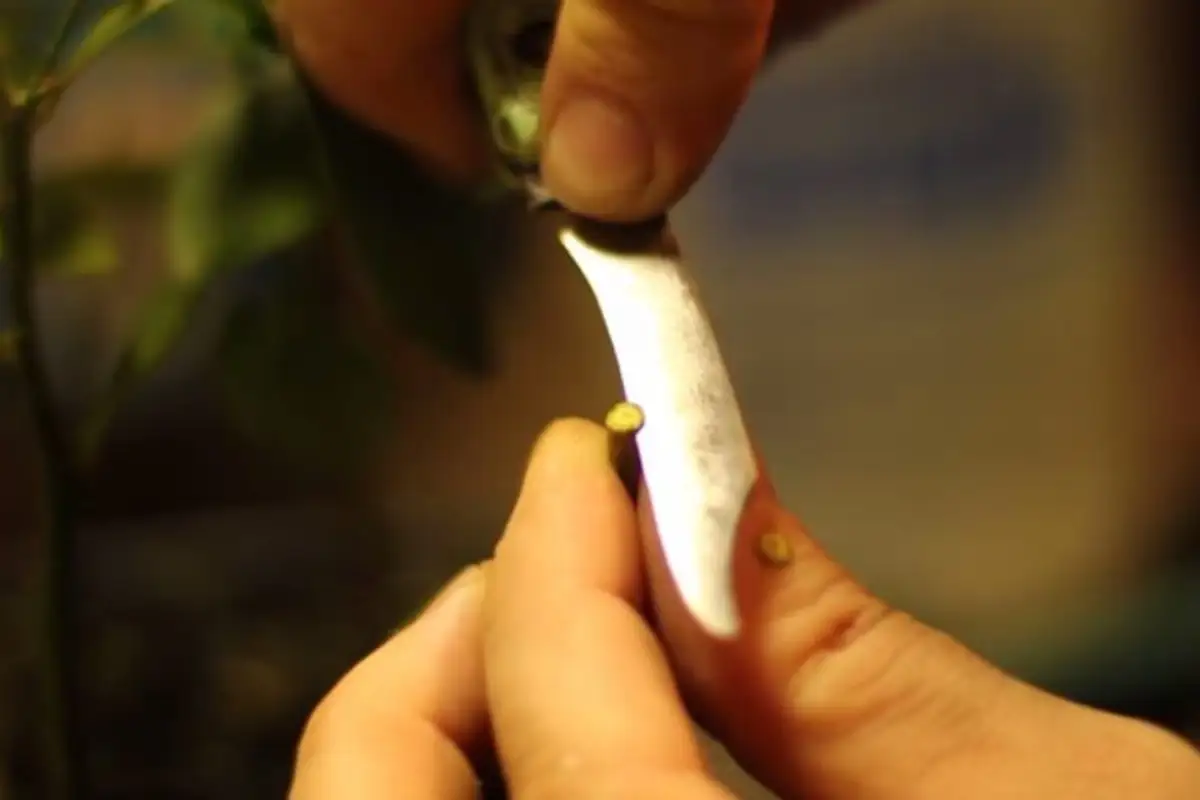
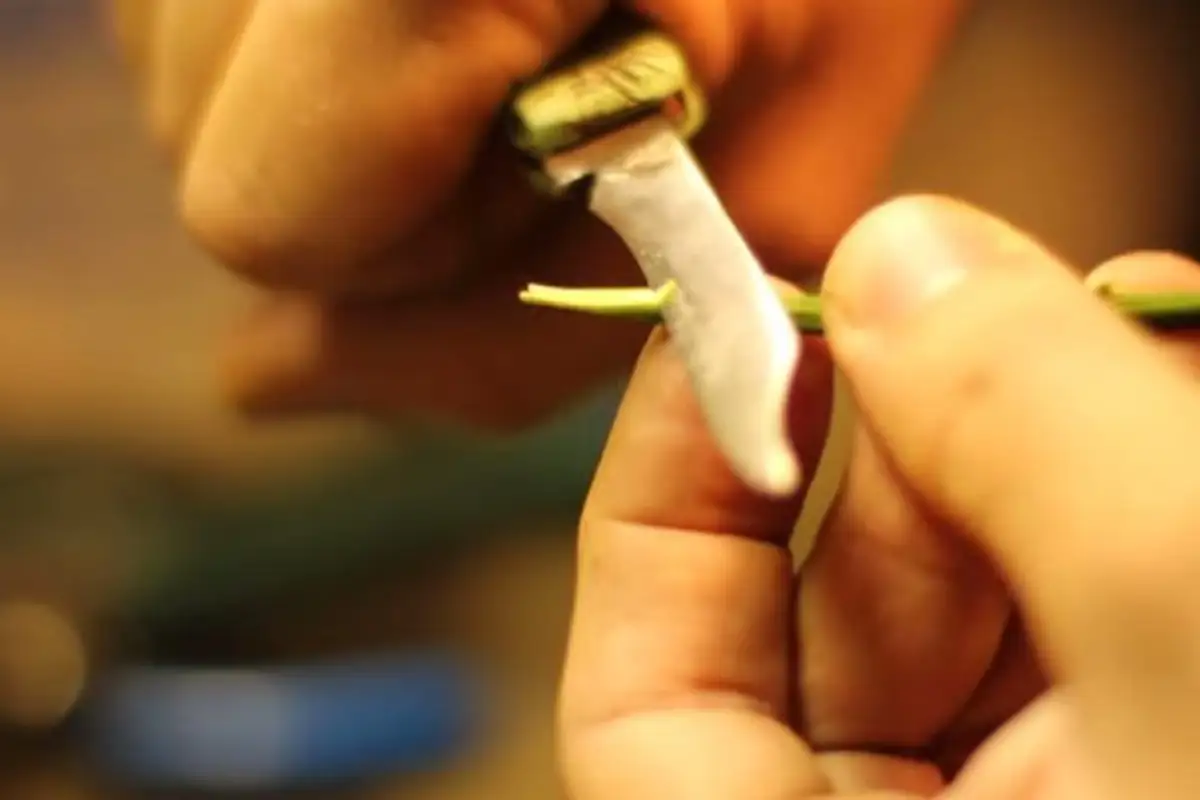
The scion must be split at the base on both sides so that the part entering the trunk is sharpened into a V shape. Approximately 3-4 buds should be retained on the scion.
The Altoiul is attached to the notch of the portaltoiul, then the area is bandaged with some scotch tape.
A hook is attached over the bandage to hold the graft site as tightly as possible.
A bag is placed over both the scion and rootstock to seal the area as tightly as possible. The bag should be secured at the end with a hook.
When you observe that the graft is taking hold, you can remove the bag.