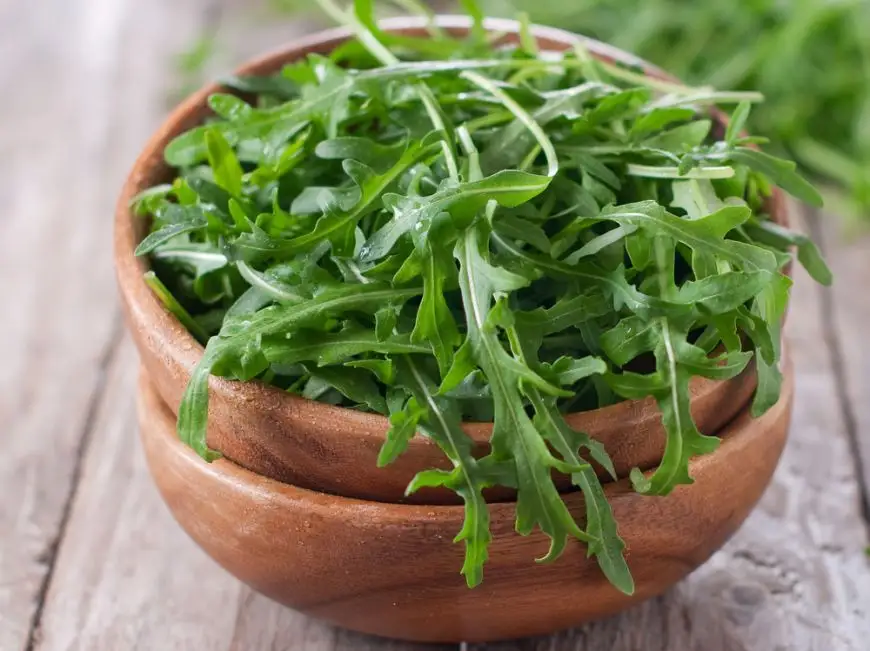
What is arugula?
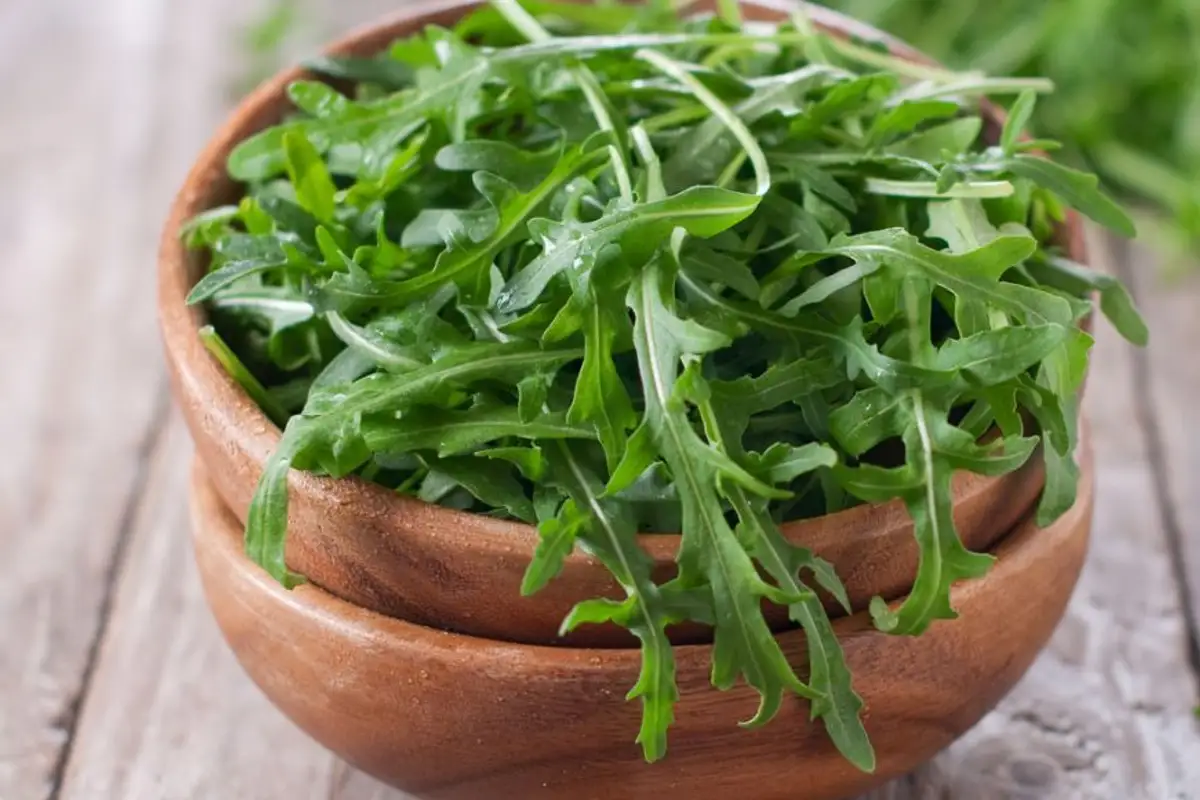
Arugula is an edible plant native to the Mediterranean region, belonging to the Cruciferous family. The local name for arugula salad is Voinicica, which is very similar in appearance to dandelion leaves. Arugula contains mustard oils and a high concentration of vitamin C, its leaves having a strong, slightly bitter flavor.
If it is not cultivated immediately after the growth of the leaves, arugula will produce white-yellow flowers, which will later give birth to seeds that can be used later as a seasoning in cooking or harvested and planted next year.
Arugula has become very popular worldwide with the spread of Italian cuisine. Being an undemanding plant, planting and subsequent care is relatively easy.
How do you plant arugula in the garden?
Because it is not a demanding plant, arugula grows very well on several types of soil. The most favorable, however, is a nutrient-rich and humus-rich soil with a pH between 6 and 7.
The optimal cultivation period will be in the spring and autumn months, when temperatures are neither too low nor too high. Thus, arugula can withstand temperatures of up to -4 degrees and +25 degrees.
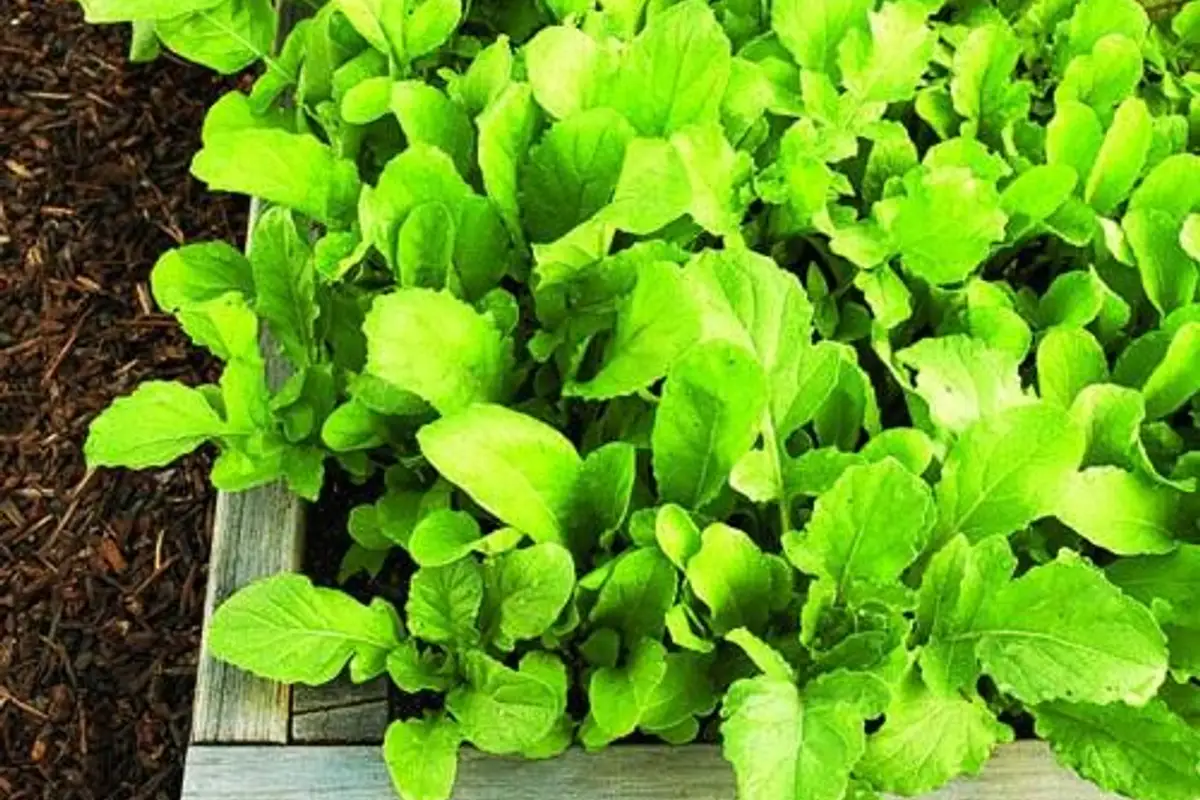
When planting arugula, we recommend leaving a distance of 15-20 centimeters between seedlings and approximately 3 centimeters between plants. Also, opt for organic fertilizers, which will not alter the quality of the plant.
When do you harvest arugula?
Harvesting takes place 40 days after sowing. You can cut the entire plant or choose to pick only the leaves. If you want to harvest multiple sessions from the same plant, choose to cut only the leaves, which will grow back in a short time.
How do you grow arugula in a planter?