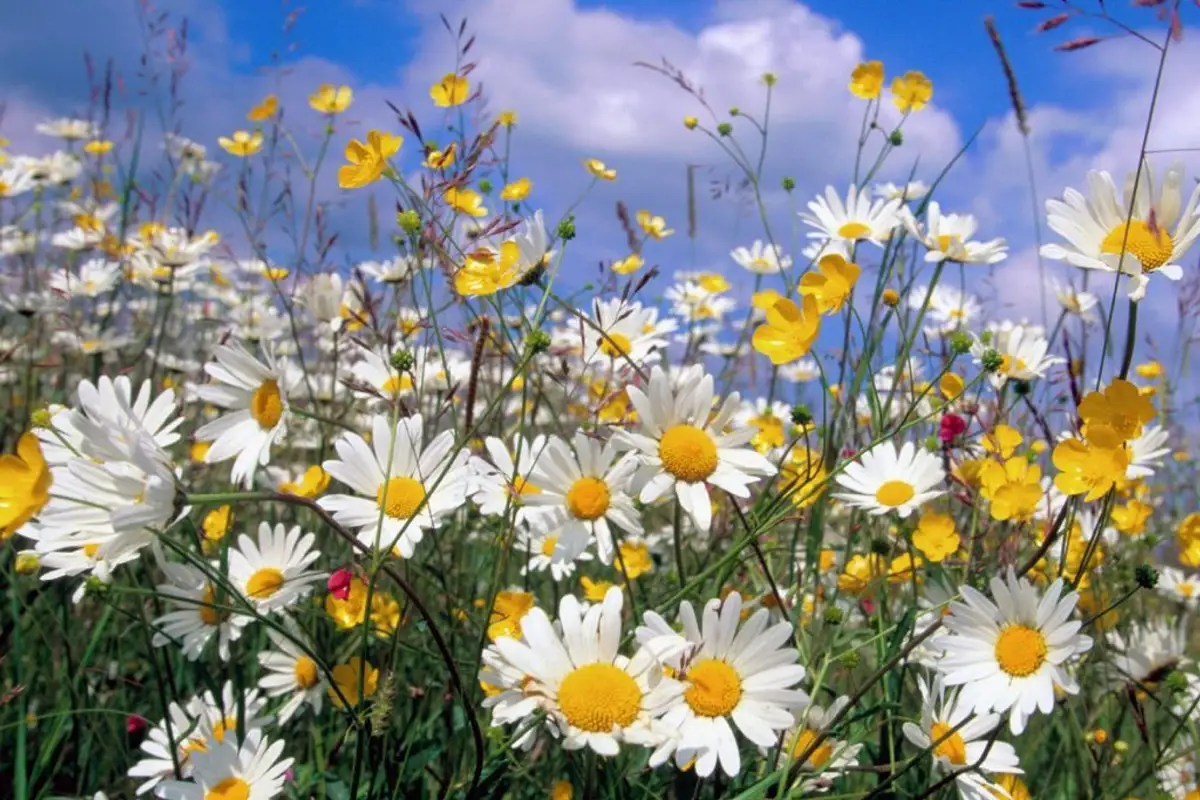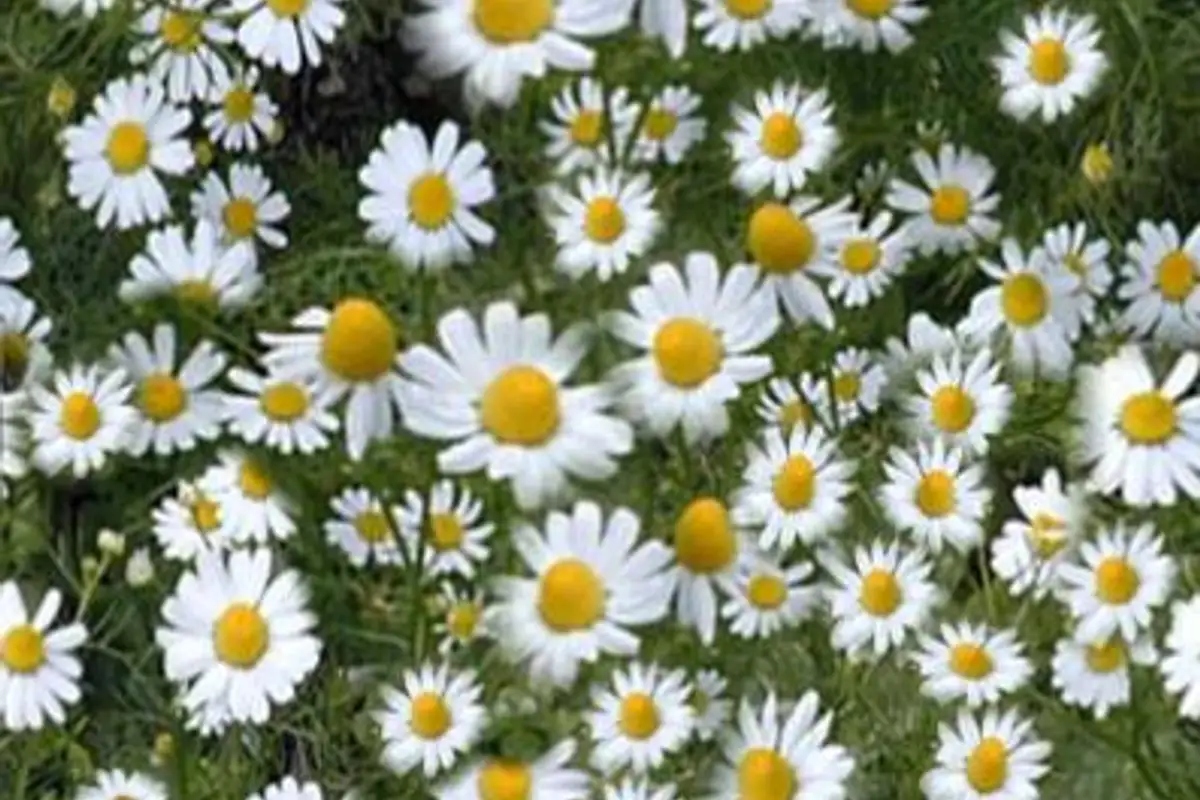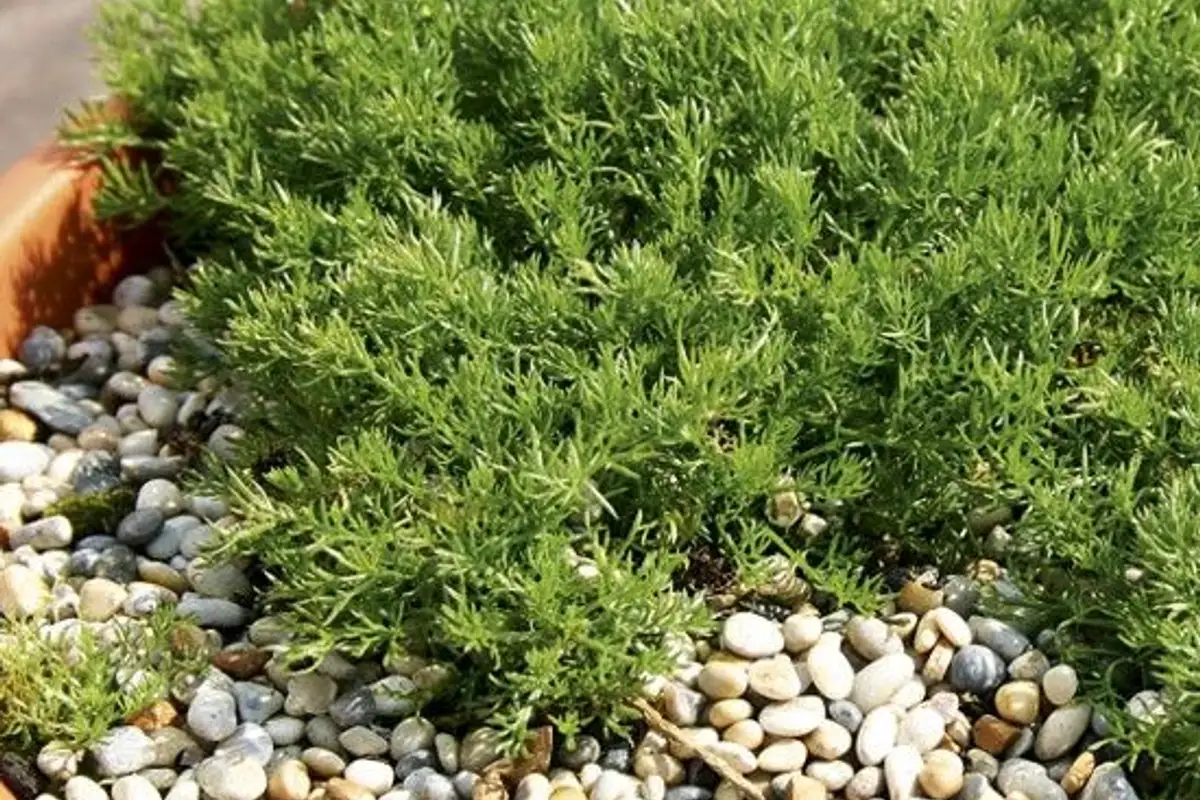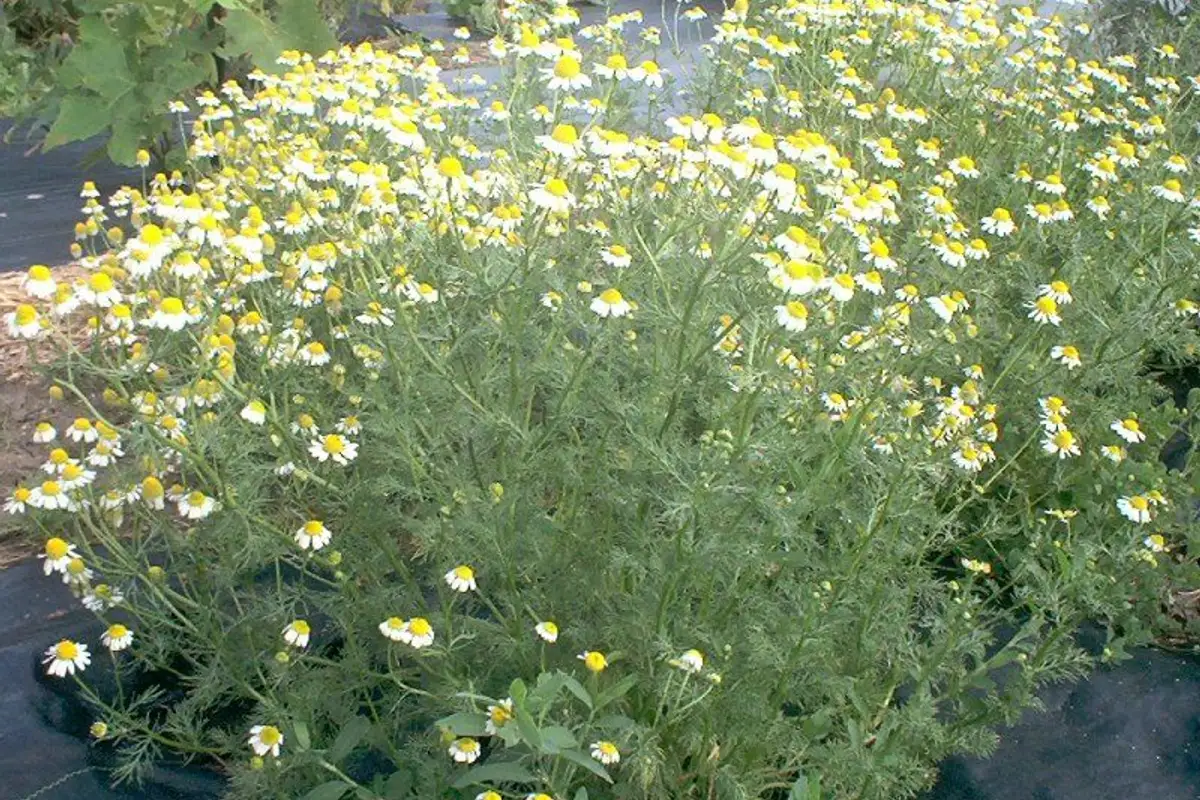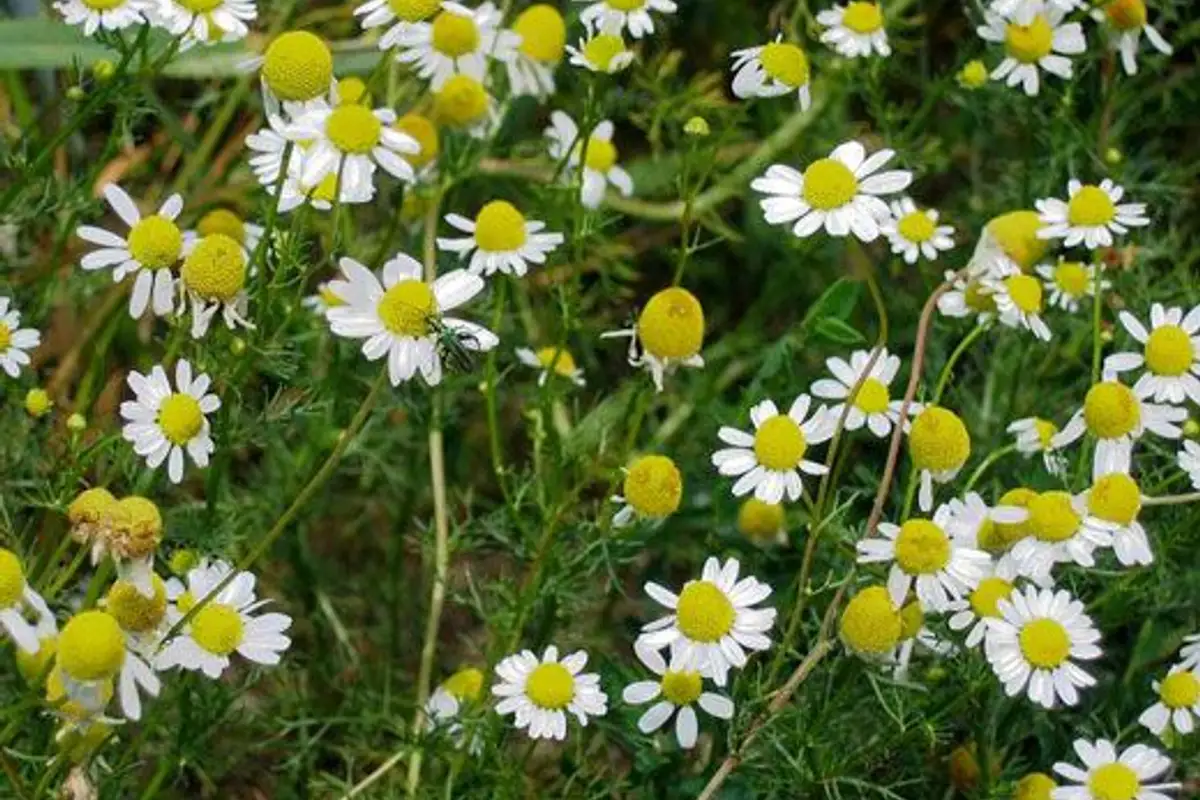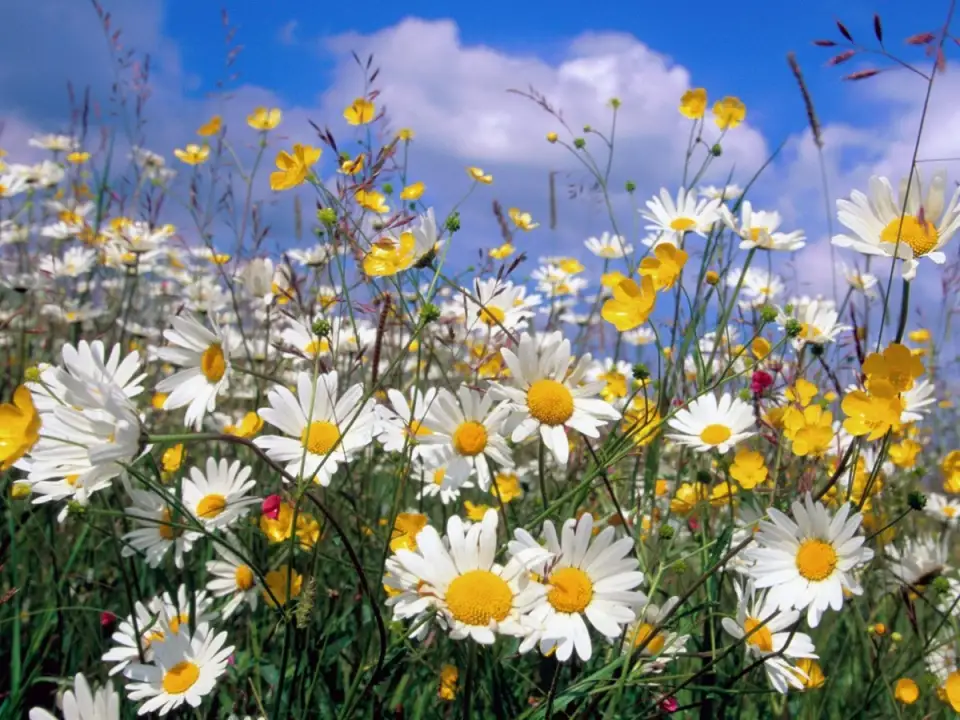
Chamomile is a common plant, primarily used for medicinal purposes. However, its aesthetic role in your garden should not be overlooked.
To ensure successful planting, it is necessary to provide chamomile with good soil, an open location with plenty of sunlight, and well-drained soil. You may also want to add extra fertilizer. Remove any weeds that could harm the chamomile or suffocate it.
It is ideal to make these preparations early spring or autumn, about six weeks before the first frost. It can also be grown in pots and then moved to the garden in the spring when it reaches the seedling stage. As it tends to stretch, we do not recommend it as a houseplant on a windowsill.
Create a designated space for it in your garden or yard to help contain its spread.
Chamomile does not require additional fertilizer, relying solely on the nutrients provided by the soil. Add fertilizer only if you know the soil is lacking in nutrients. It will withstand periods of drought fairly well, but needs a bit more water during its growth period. About a month after planting, chamomile will bloom. This period usually coincides with summer.
You will be able to enjoy its floral scent all summer long.
Don't worry about pests. When applying the pesticide, don't do it close to the harvest period. It is recommended to apply it in the early stages for better results. If you have a garden In beds where you have planted vegetables, you can also sow chamomile nearby as it will help keep pests away from cucumber plants in particular.
If you intend to harvest it, keep in mind that it's not an easy task. It must be done carefully to harvest only the flower and not parts of the stem. Leave it to dry for a period, but not in direct sunlight, rather in a well-ventilated and warm place, preferably indoors, so you can fully enjoy the aroma when you want chamomile tea.