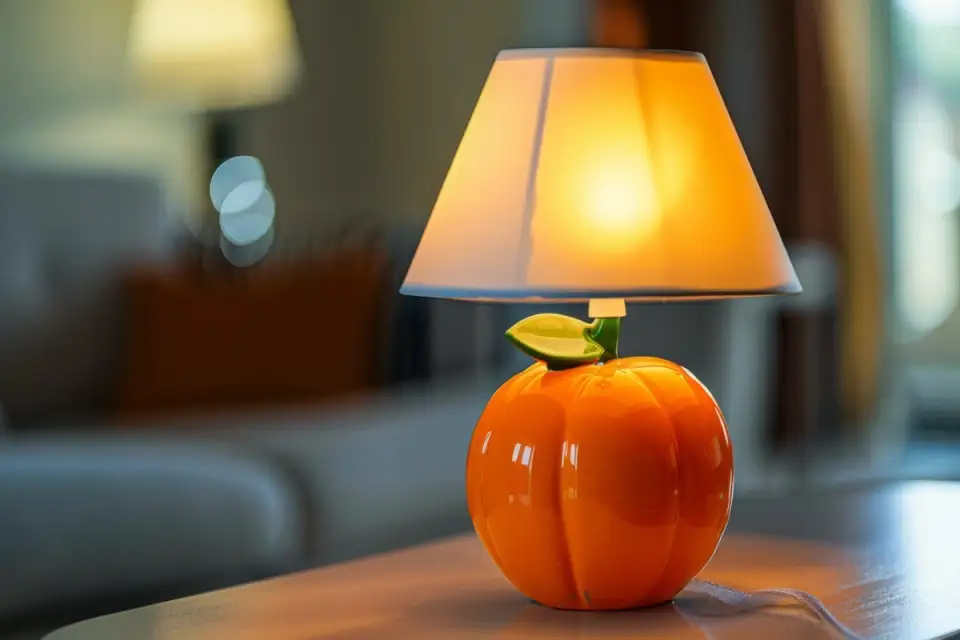
Adequate lighting is essential for creating a comfortable, functional, and aesthetically pleasing space. Both natural and artificial light must be carefully planned to optimize the atmosphere and improve quality of life. Within the "Adecvat Lighting" section on the Povestea Casei website, here are some detailed ideas on how you can structure and present this topic.
1. Valuing Natural Light
Use of skylights: Suggestions for installing skylights or roof windows in rooms without sufficient access to natural light, such as attics or bathrooms.
Light colors on walls: Presenting the importance of using light colors and reflective surfaces to amplify natural light. White, beige, and pastels are excellent for making rooms appear brighter.
Reflective flooring and materials: Discussions on how certain types of flooring, such as glossy or marble floors, can reflect light and make a room appear more spacious and brighter.
2. Planning Artificial Lighting Layered lighting: Explains the concept of layered lighting, which involves using multiple light sources in the same room: ambient lighting, accent lighting, and task lighting. This ensures functionality and flexibility.
Ambient lighting: General lighting, such as ceiling fixtures or chandeliers, that provide uniform coverage throughout the entire room.
Task lighting: More concentrated fixtures, such as desk lamps, under-cabinet kitchen lights, or sconces near a bed, which provide focused light for specific tasks.
Accent lighting: Illuminating artwork, shelves, or areas of interest to add depth and an artistic touch to the space.
3. Types of Artificial Lighting LED bulbs: Discusses the advantages of LED bulbs, which are energy-efficient, have a long lifespan, and are available in various tones (warm, neutral, cool) to suit different needs.
Smart lighting: Explores smart lighting solutions controlled through mobile apps or voice assistants (Alexa, Google Home), allowing for adjustment of light intensity, scheduling on/off times, and even changing colors.
Decorative lighting: How to use lighting fixtures not only for functionality but also as decorative elements. Chandeliers, pendant lights, or floor lamps can become central pieces in a room's design.
4. Choosing the Right Color Temperature Warm light vs. cool light: Articles explaining how different color temperatures influence the atmosphere of a room. Warm light (under 3000K) is relaxing and suitable for bedrooms and living rooms, while cool light (over 5000K) is more energizing and appropriate for kitchens, bathrooms, and workspaces.