Everything you need to know to be safe in your own home.
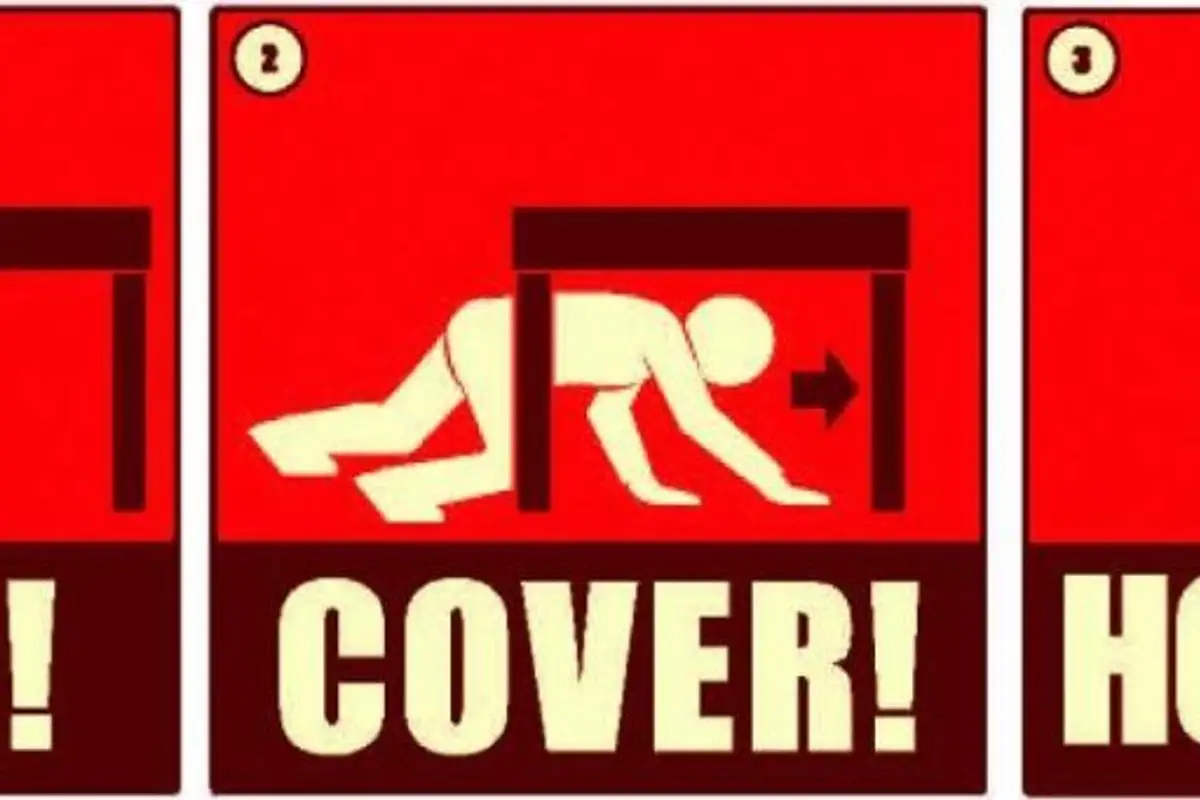
Rescue teams, whose primary purpose is to save people trapped under the rubble and debris of damaged houses after seismic movements known as earthquakes, have created a set of rules that you must follow to protect yourself and reduce the risk of death and accidents during earthquakes, called "Drop, Cover, and Hold On.
You should know that traditional methods, spread orally or through traditional media, such as standing in a vertical position in the door jamb, and the "triangle of life" method are considered dangerous and are not recommended. The reasons can be found below.
You must act at the first signs of an earthquake.
Your past experience with earthquakes may give you a false sense of security; either you did nothing paralyzed by panic, or you ran outside the building and survived without injury. Or maybe you hid under your desk and those around you looked at you in amazement, thinking you were exaggerating.
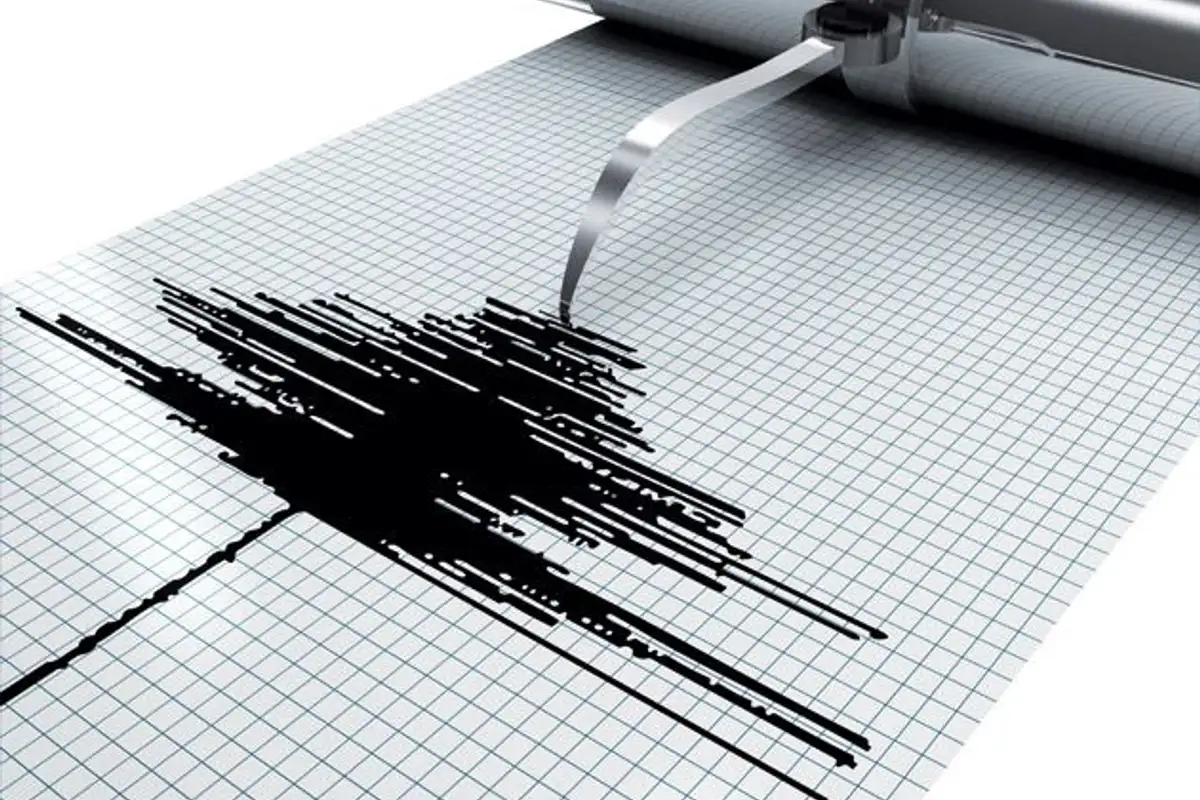
However, it is certain that most of us have not experienced a strong earthquake with all its symptoms: sudden and intense movements back and forth that can even be as fast as a few meters per second.
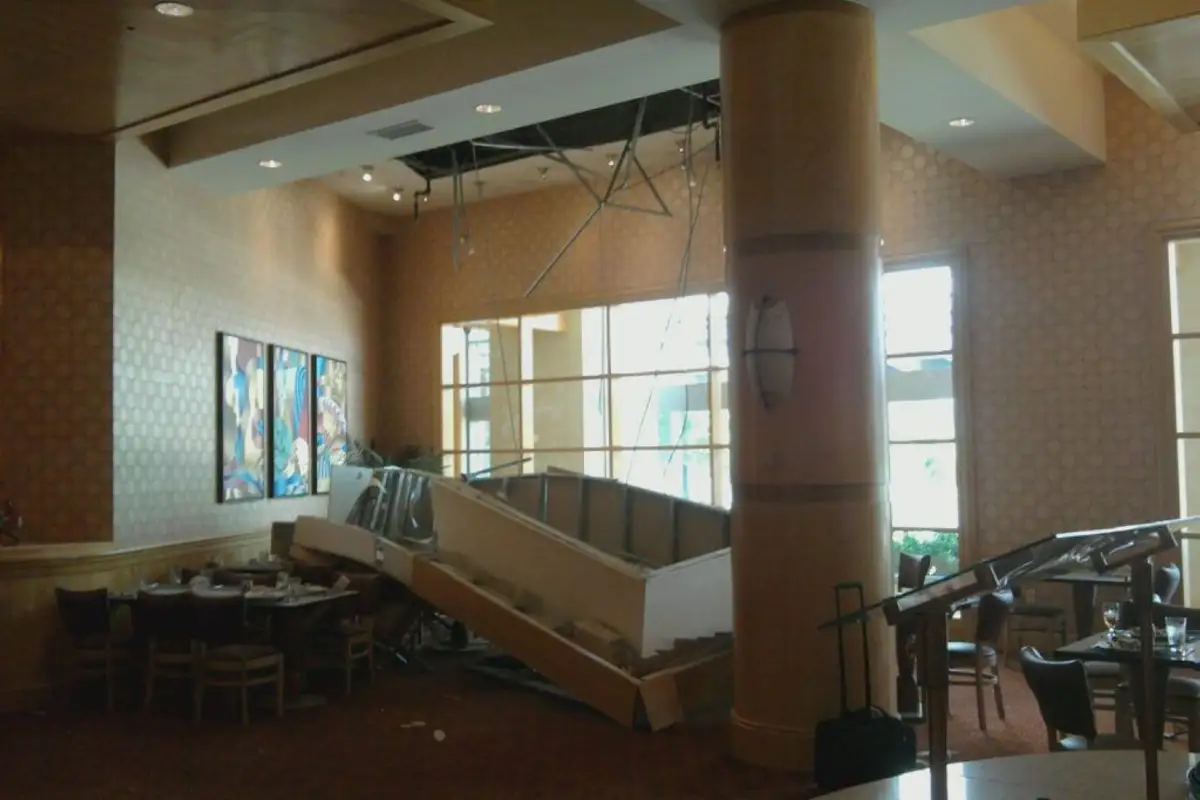
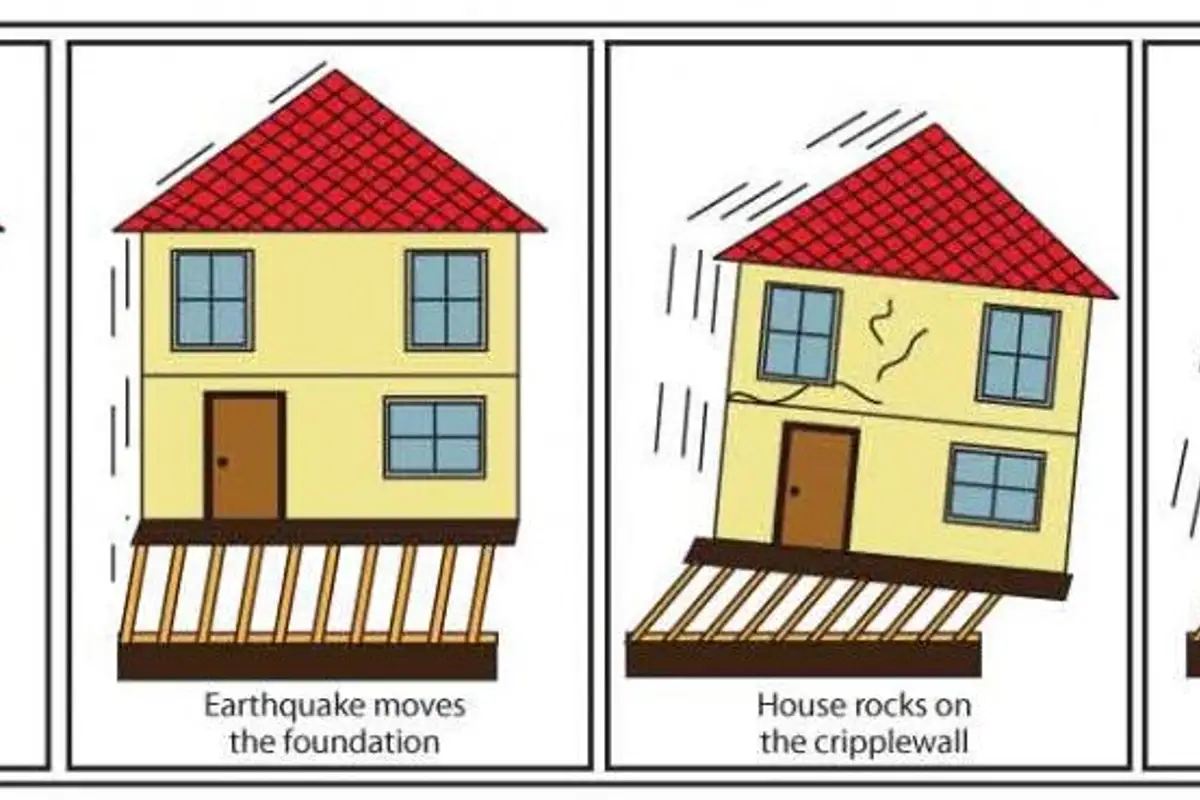
These can, for example, dislodge the floor of the house, collapsing it together with you and everything else in the room above the lower floor or cause the side walls to collapse, dragging the furniture in the room along with them.
The injuries caused by these immediate effects are the reason why you must learn to protect yourself immediately after the first tremor. Do not wait to see if the earthquake intensifies. You must act immediately because your life is in danger of death.
In most situations, if you apply the "Drop, Cover, and Hold On" technique, your chances of survival with minimal injuries increase significantly:
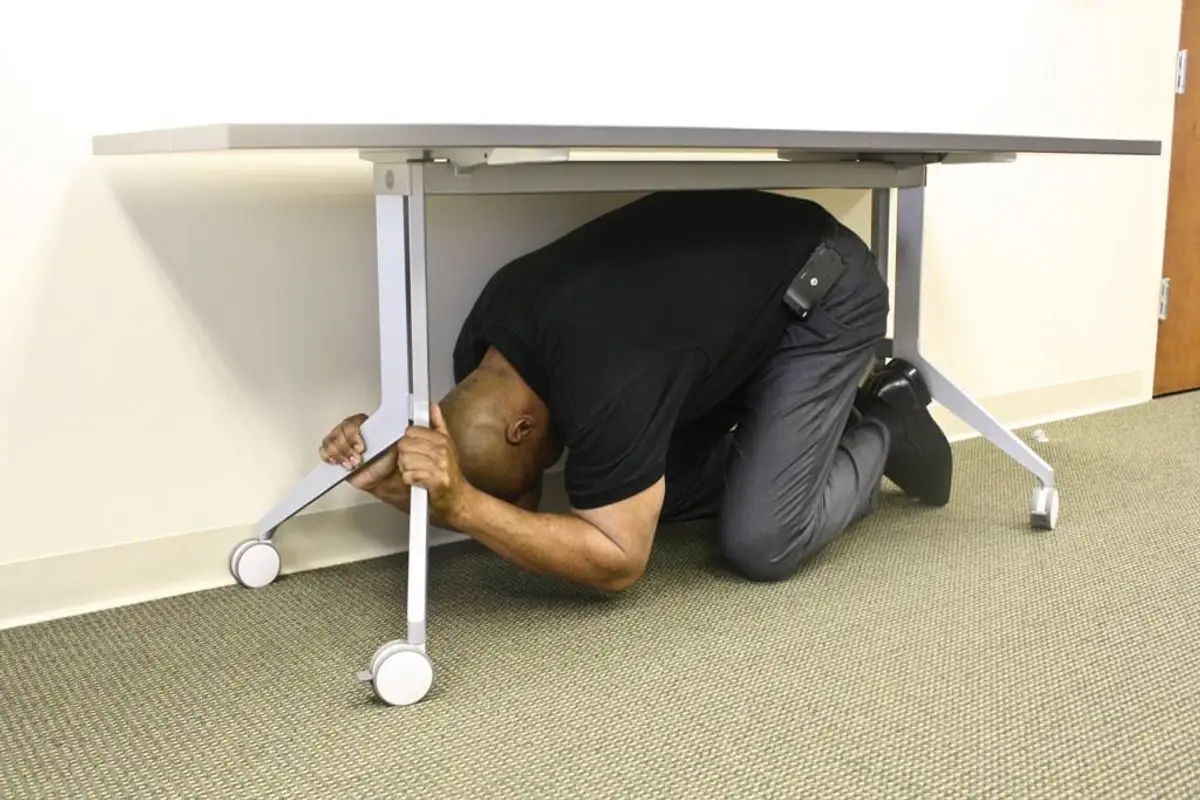
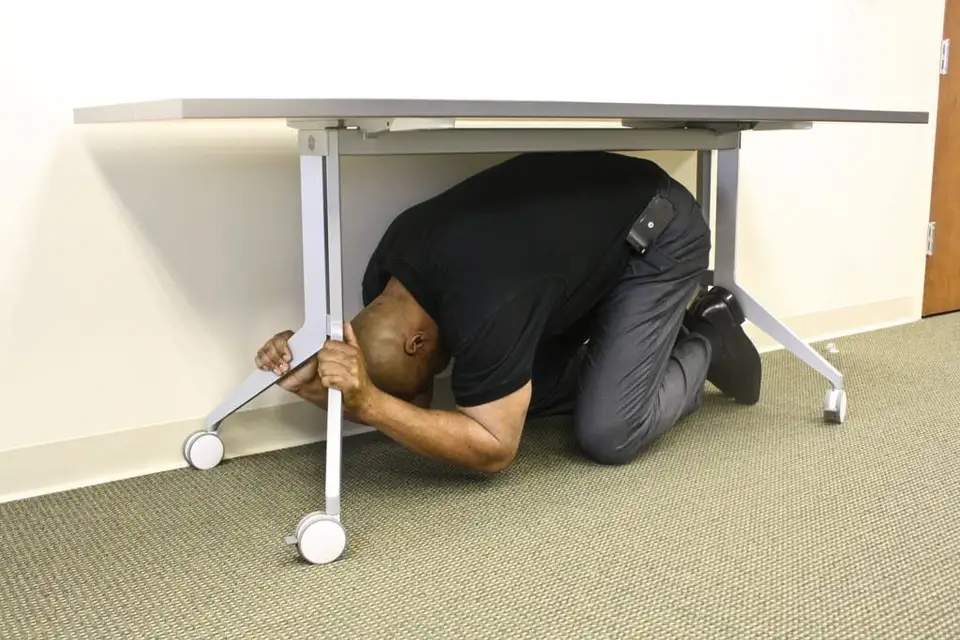
Drop Down onto your hands and knees. Most of the time, the first movement of an earthquake sends you to the ground. This position protects you from serious, uncontrolled falls, but it allows you to move around if necessary.
Cover your head and neck and your entire body if possible, under a sturdy table or desk, for example. If there is no shelter, then only in case of an earthquake are you allowed to sit down next to an interior wall or next to a piece of furniture that is secured and will not fall on you, try as much as possible to protect your vital organs with your arms.
Pathological studies of injuries that have caused deaths from earthquakes in recent decades show that you are much more likely to be injured by falling objects dislodged from the room, such as televisions, lamps, glass objects, bookcases, etc., than by those caused by the collapse of a structural element of the building you are in.
Hold On until the seismic movement and vibration in the building you are in stops. Be prepared to move under the protection of your makeshift shelter - the desk or table if the movement continues for a long time.