If you need to replant a plant, there are a few important things to remember so that the process is as easy as possible for the plant. If you do it carefully, the plant will continue to grow healthy. Here are the steps you should follow:
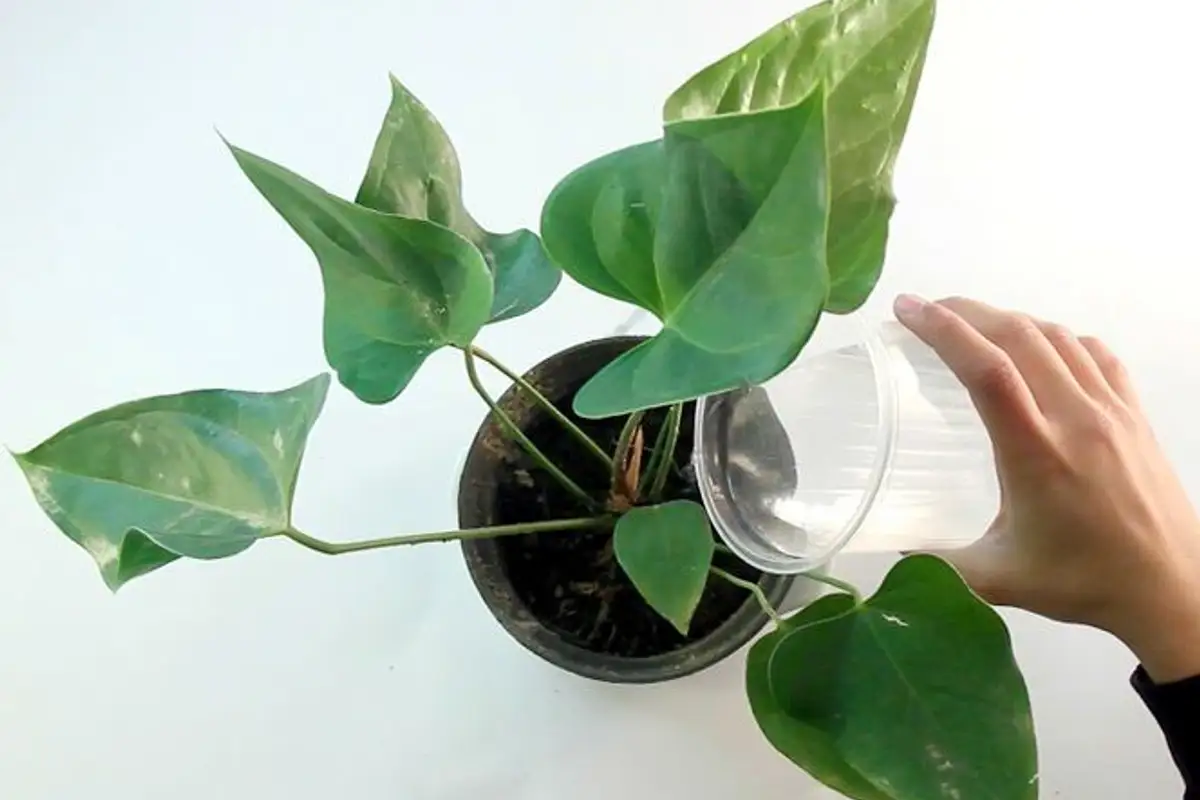
1. Water the plant a few days before repotting it so that the soil is moist when you make the move to the new pot.
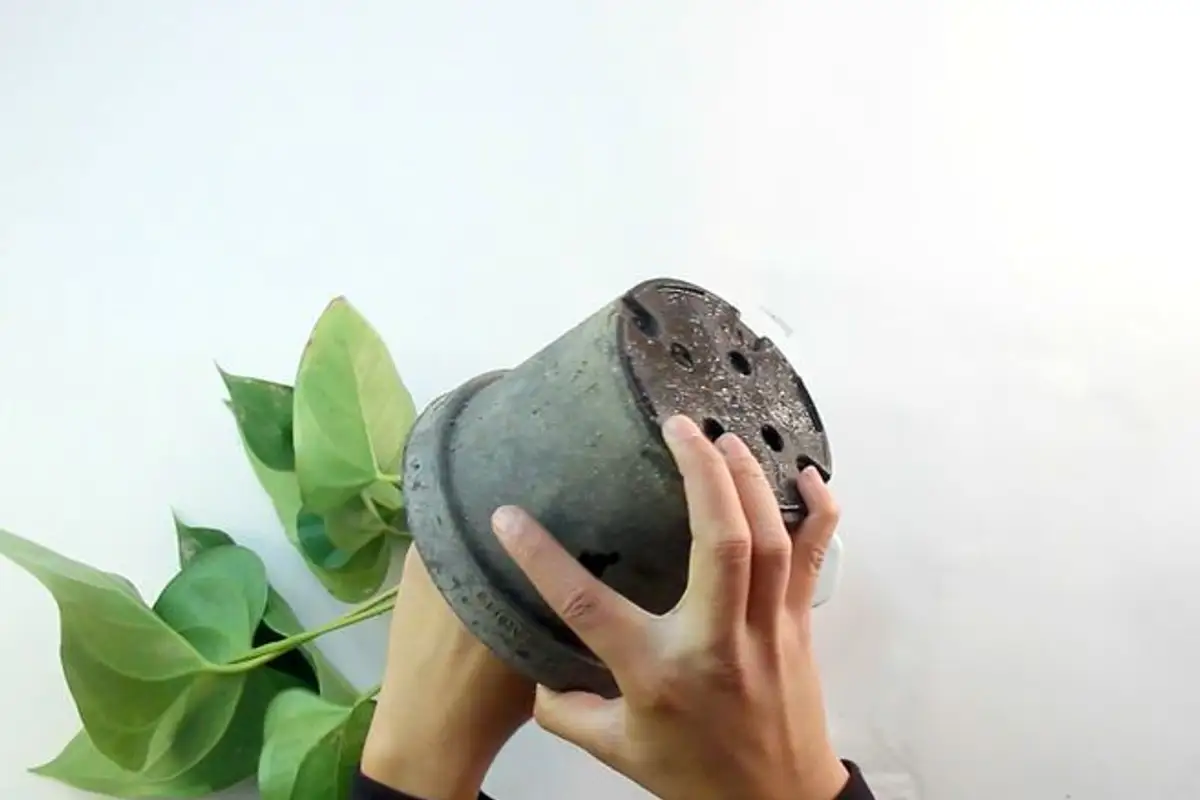
2. To remove the plant, hold your hand over the top of the pot to support the stem, then turn the pot upside down. Tap the pot gently all around; this will allow the plant to be easily removed. If the plant still doesn't come out, use a knife to cut around the edge of the soil. If that doesn't work either, you can break the pot.
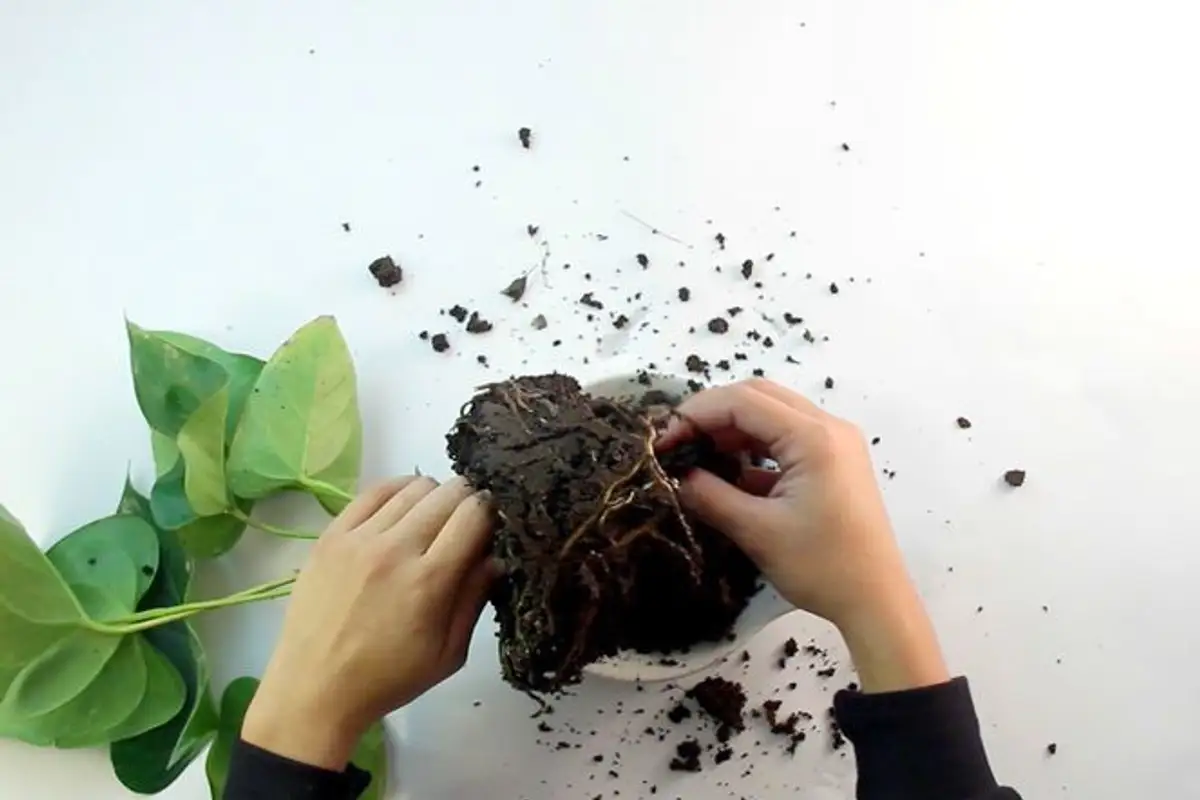
If some of the roots break off, don't worry. There are situations where roots are pruned to keep a plant at a smaller size, so breaking a few roots during the repotting process won't be a problem. In fact, if the roots have grown too long, it is important to cut the ends to encourage the roots to branch out in the new soil.
3. Remove about one-third of the soil.
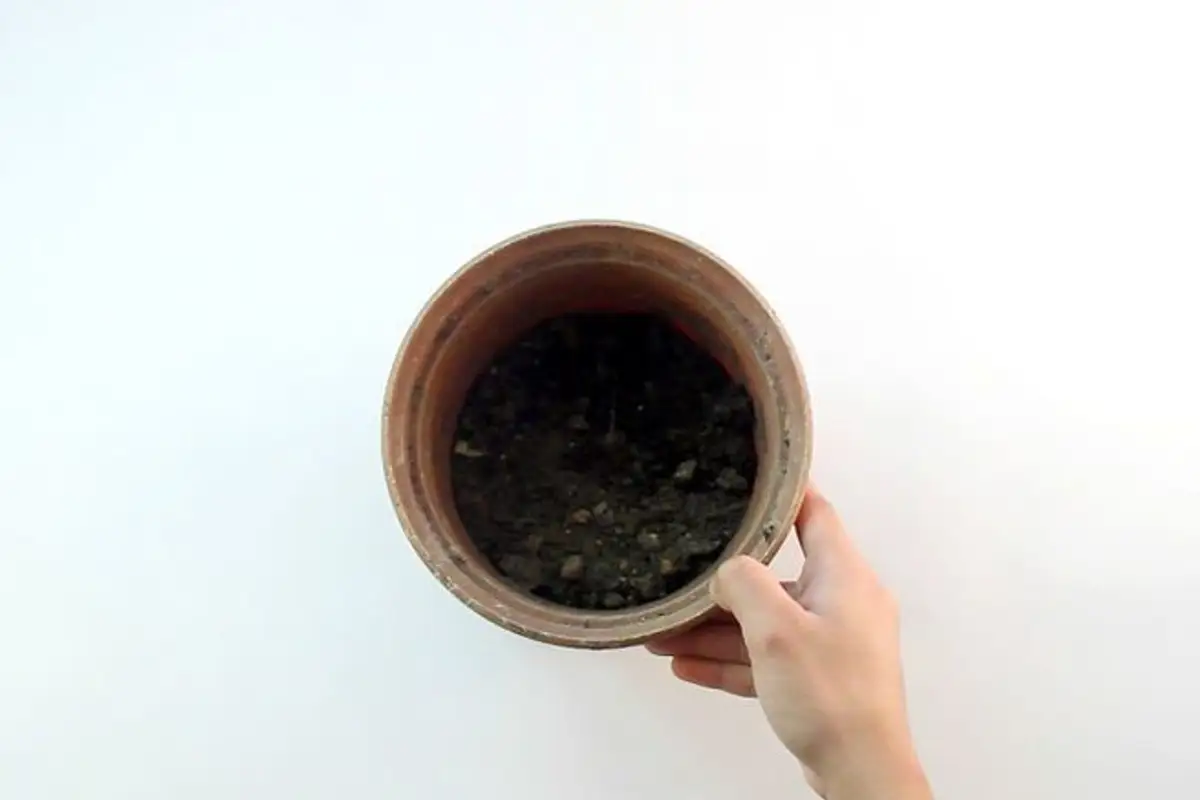
4. Put a few centimeters of soil in the bottom of the new pot (it should be no more than 3 centimeters larger in circumference than the old pot), place the plant in the pot and make sure that the soil level does not exceed the top edge of the pot. The soil level should be about 2-3 centimeters below the top of the pot.
If it is not high enough, add more soil under the plant.
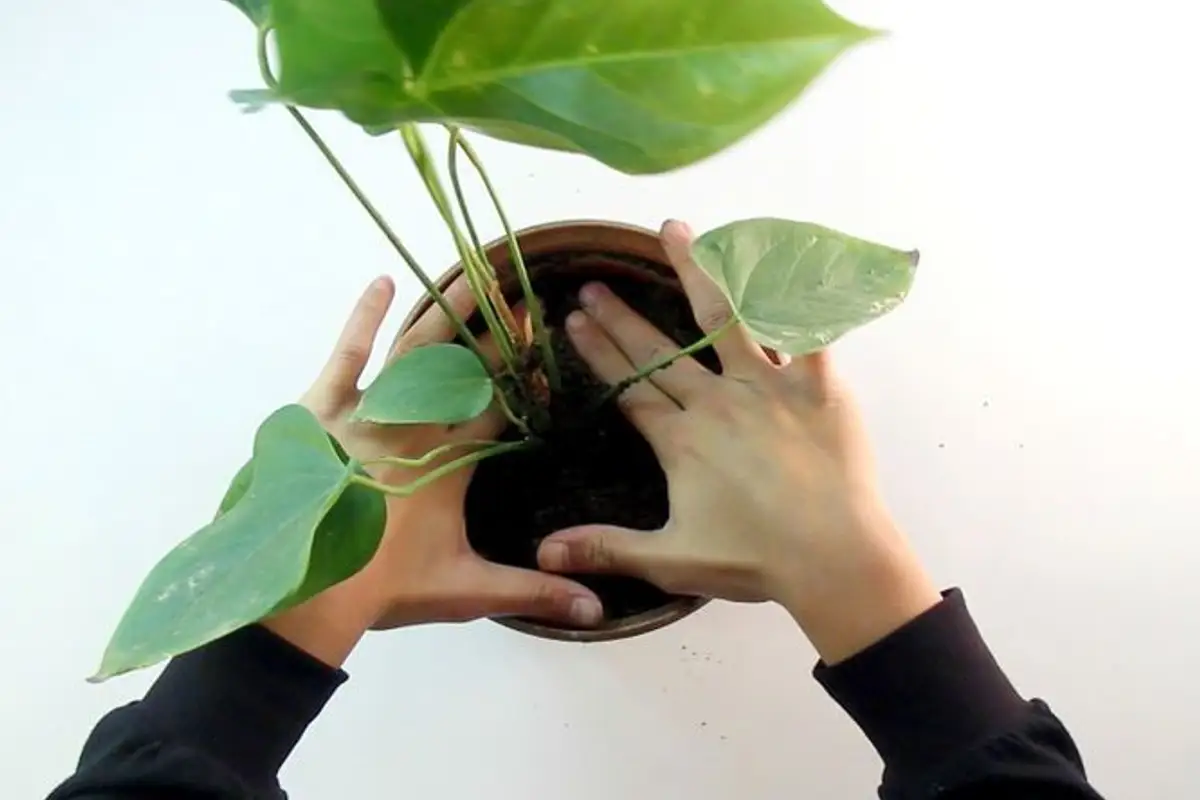
5. Fill in with soil around the root, press firmly around the edges of the pot to eliminate air bubbles that could dry out the roots between waterings.
6. A good idea would be to gently tap the bottom of the pot on a hard surface to compact the soil.
7. Water the plant thoroughly until the water starts to drain from the bottom and then let it drain completely.
Tips:
Always use a pot with good drainage. The holes in the bottom should be large; if the pot does not have holes, make some yourself or add large stones to the bottom of the pot before adding soil.