We pay little attention to the lighting of our homes when we renovate or redecorate. To understand its importance for each room, we turned to the help of specialist Roxana Mitarca, a lighting architect. Today we open the first article in the series with kitchen lighting.
Opening GalleryThe kitchen is the heart of the home for many of us.
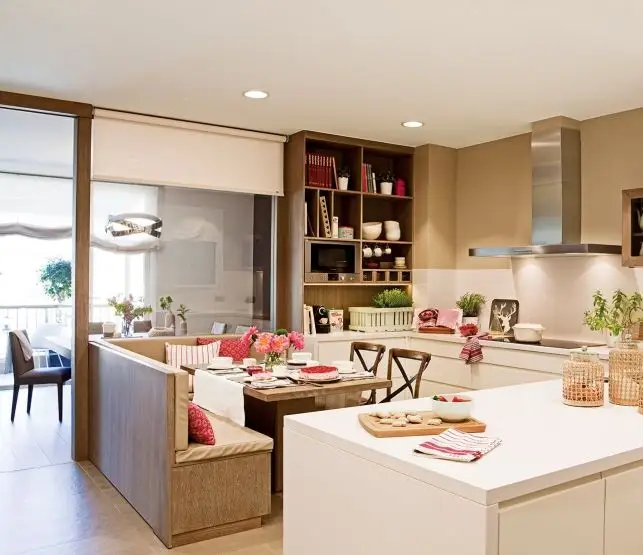
Used primarily for food preparation, it has gradually transformed into one with multiple functions: a dining area (thus eliminating the space dedicated exclusively to dining), a socializing place alongside family or friends who come to visit, and possibly even a workspace for homes without a dedicated office.
Lighting in such a varied functional zone is relatively complex. The approach to light differs depending on the zones. Here are the main features to consider for proper kitchen lighting.
1. General Lighting
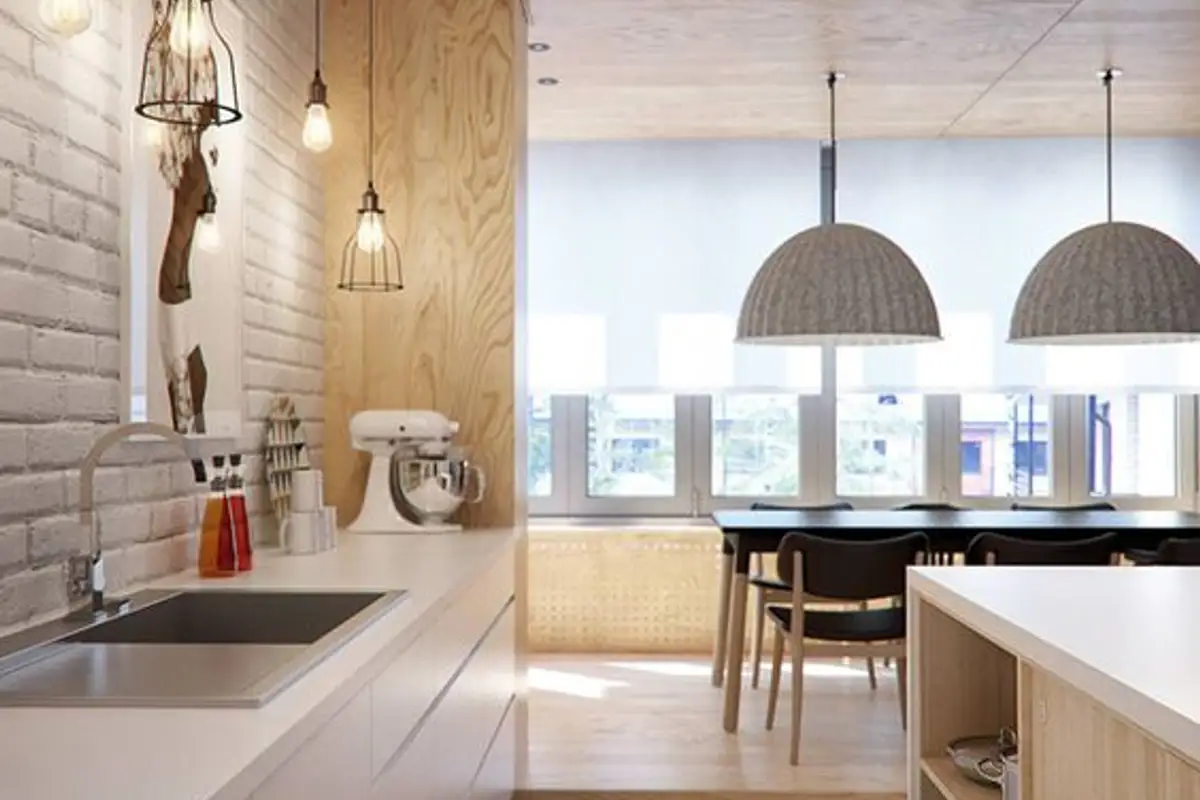
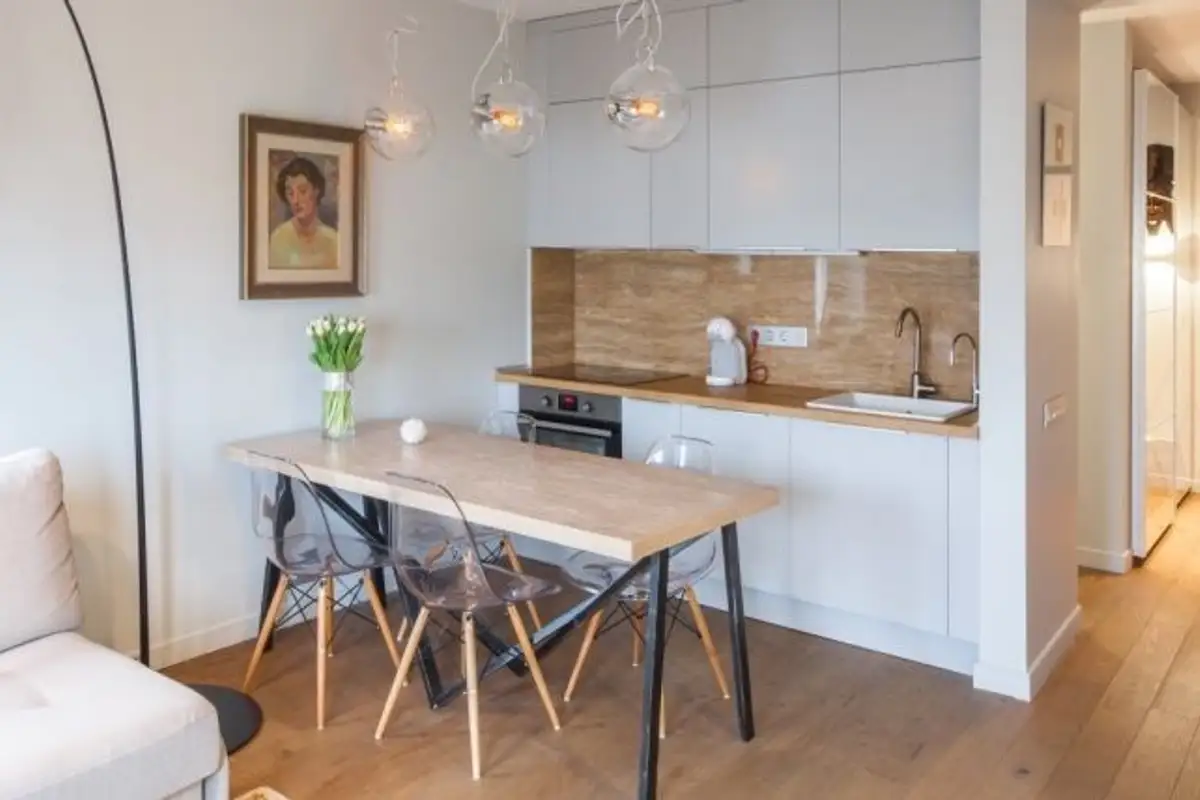
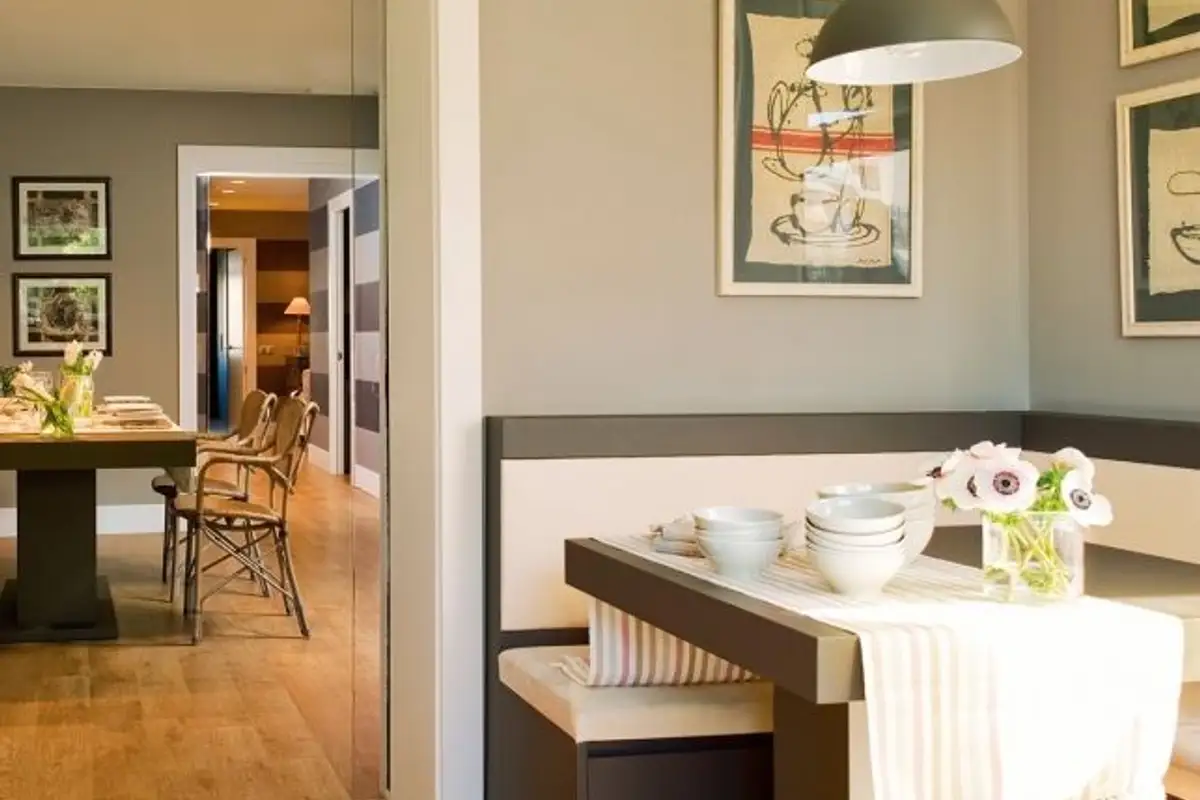
This is generally provided by a ceiling-mounted fixture or pendant lamp. This ensures the amount of light needed for the entire kitchen space.
2. Local Lighting
Light sources are also necessary in the points where work is done, where food is prepared, to avoid accidents and reduce bio-rhythmic discomfort.
2.1 Countertops
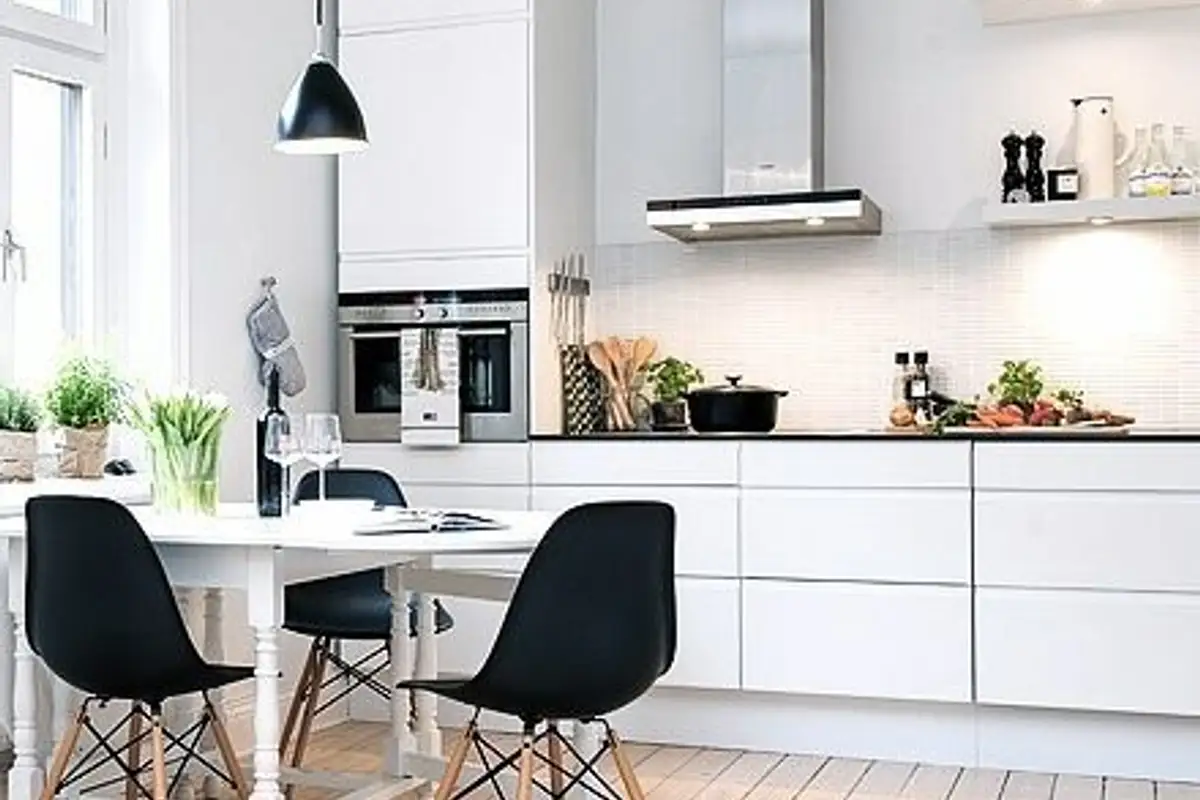
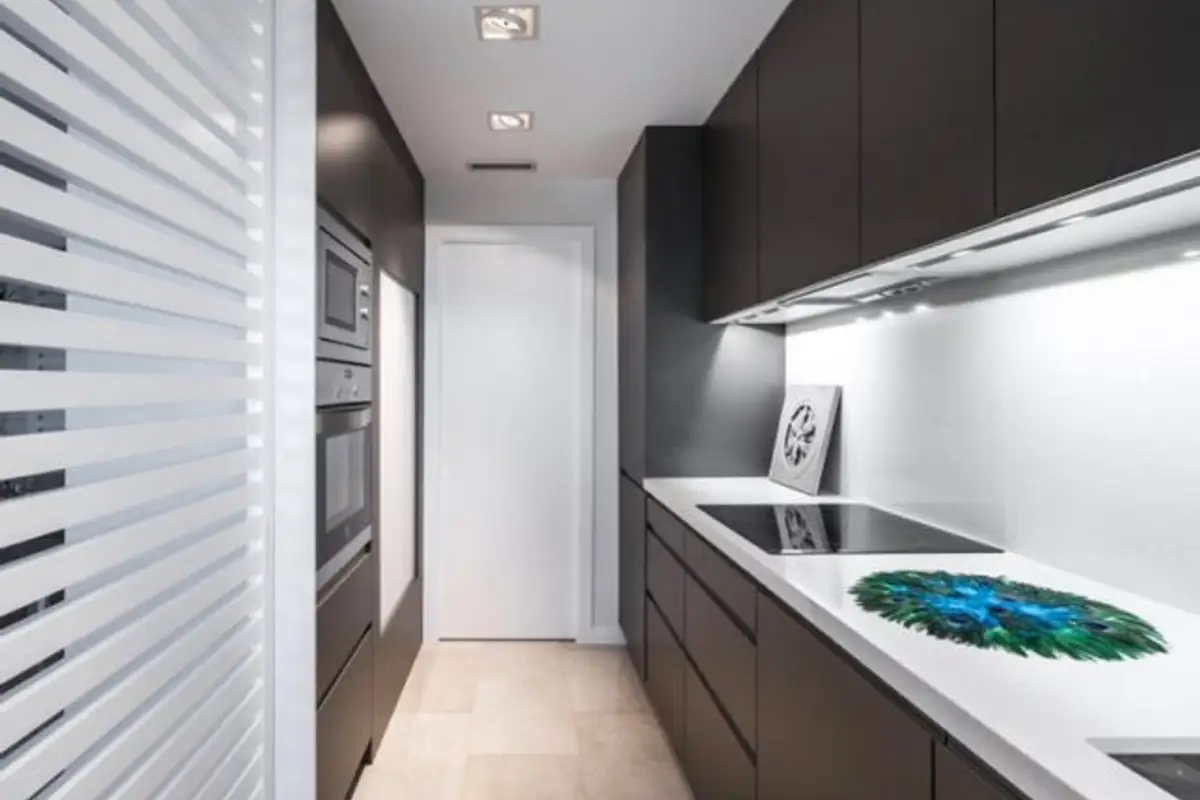
Work areas, such as countertops, need to provide an adequate light level for food preparation. The light should be direct, and the fixture positioning should be such that there are no unwanted shadows in the area where you cut vegetables, for example.
In the case where there is a centered light on the ceiling, and between this and the work area is a person preparing food, it often happens that that person casts a shadow on the countertop.