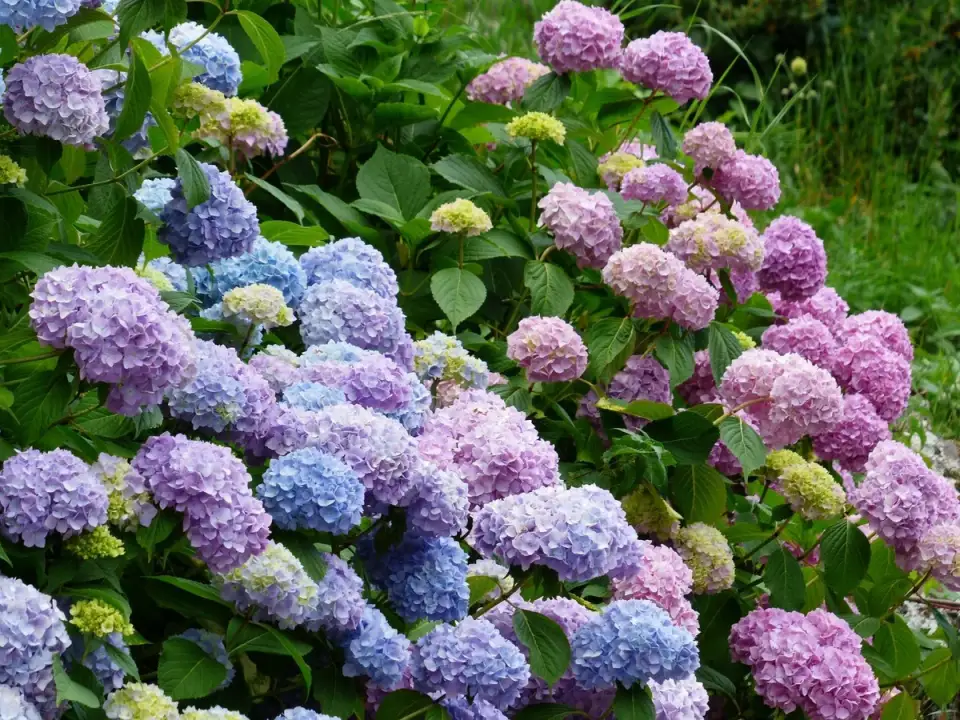
Hydrangea is a decorative shrub that produces numerous, brightly colored flowers in globular inflorescences. It originates from Japan and Southeast Asia, but it is a very adaptable plant to various types of soil, therefore it has spread all over the world. In our country, hydrangea remains one of the most sought-after plants for gardens.
It is possible to grow hydrangea shrubs on balconies, in pots of appropriate sizes and respecting the light and hydration conditions necessary for this plant.
Types of Hydrangea
Hydrangea macrophylla Quadricor – a rarer species in our country, with intensely yellow flowers and cream leaves with spots;
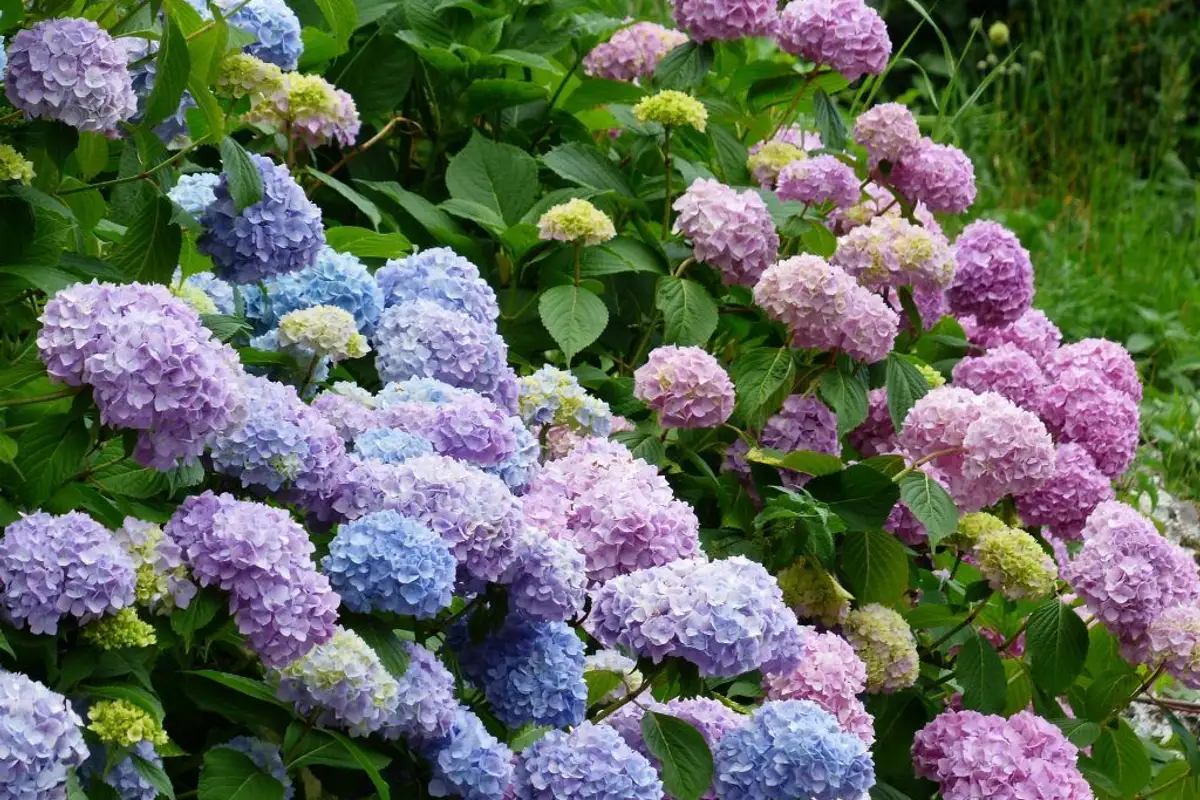
Hydrangea macrophylla Lilacina – as its name suggests, it has lilac-colored flowers, pink-violet, being among the most sought after by lovers of this flower;
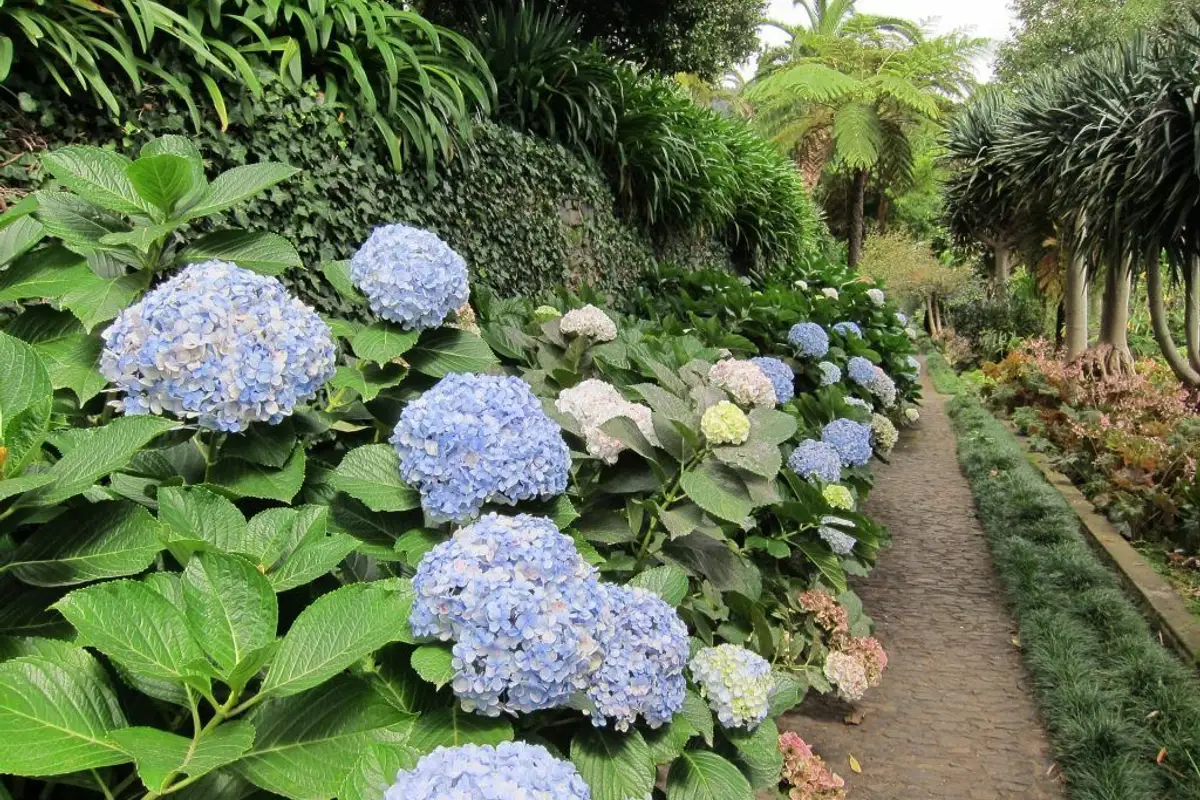
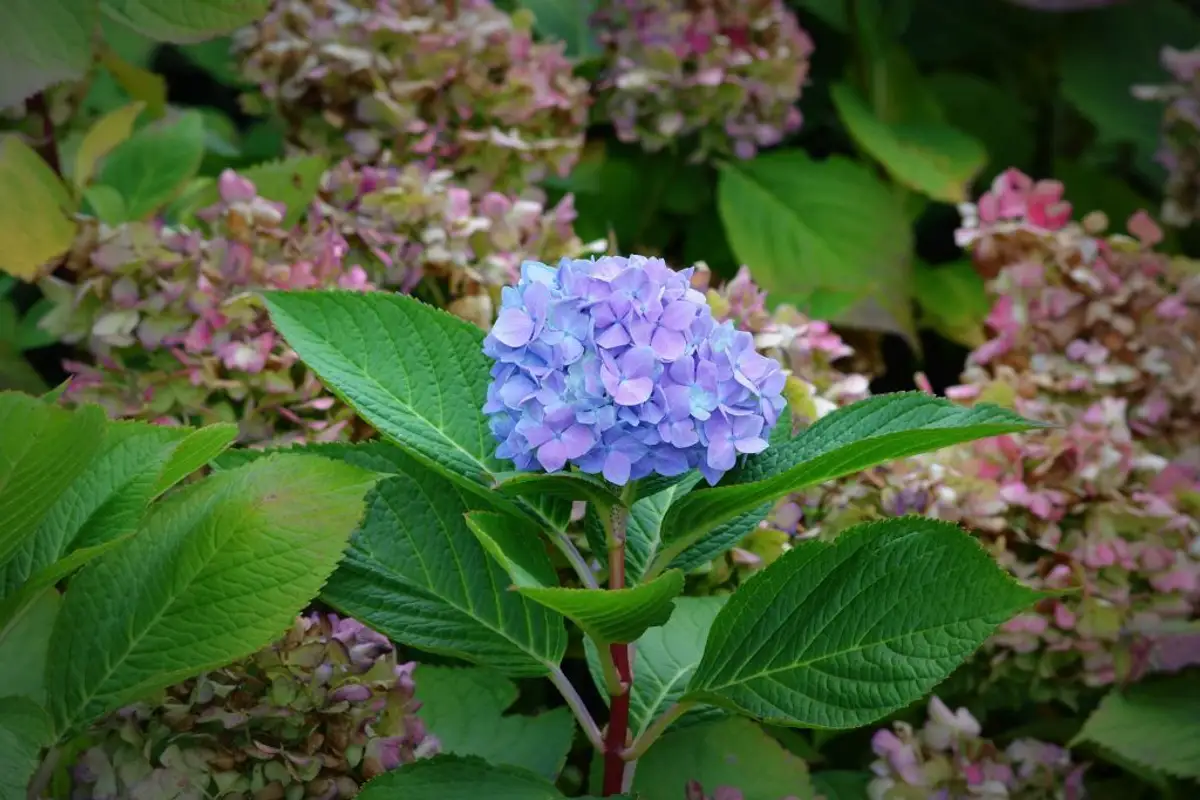
Hydrangea marcrophylla Mariessii Perfecta – the intense blue shade of the flowers of this subspecies attracts everyone who passes by your garden.
Hydrangea paniculata – this subspecies is distinguished by its large flowers and is rarely found in our country.
Hydranges aspera Vilosa – the characteristic feature of this plant is the very large size of the flowers: they are flat, the size of a plate. Also, the leaves of this subspecies stand out with their purple color and velvety appearance.
Hydrangea Preziosa – with delicate pink flowers, this type of hydrangea is also among the top sellers in specialized stores, along with the lilac-flowered one.
From the point of view of the genus, hydrangea is divided into two specific categories:
Macrophylla, which has sterile flowers (does not pollinate) – this category is characterized by larger and rounder flowers;
Serrata, which has larger sterile flowers on the edges and smaller fertile flowers (pollinates) in the center of the inflorescence – this is the type of hydrangea most commonly seen in gardens and balconies in our country.
You might also be interested in Primula, a guide to cultivation and care
Cultivation and care of hydrangeas
1. Selecting the planting location
However, do not make the mistake of planting hydrangeas under the shade of a tree. On the one hand, the tree roots will attract all the moisture and nutrients from the soil, on the other hand, too much shade will not allow the shrub to grow to its normal size, only after a few years. For them to develop undisturbed, hydrangea plants should be planted at least 120 cm apart.
As for the ideal planting period for hydrangeas, it is autumn.