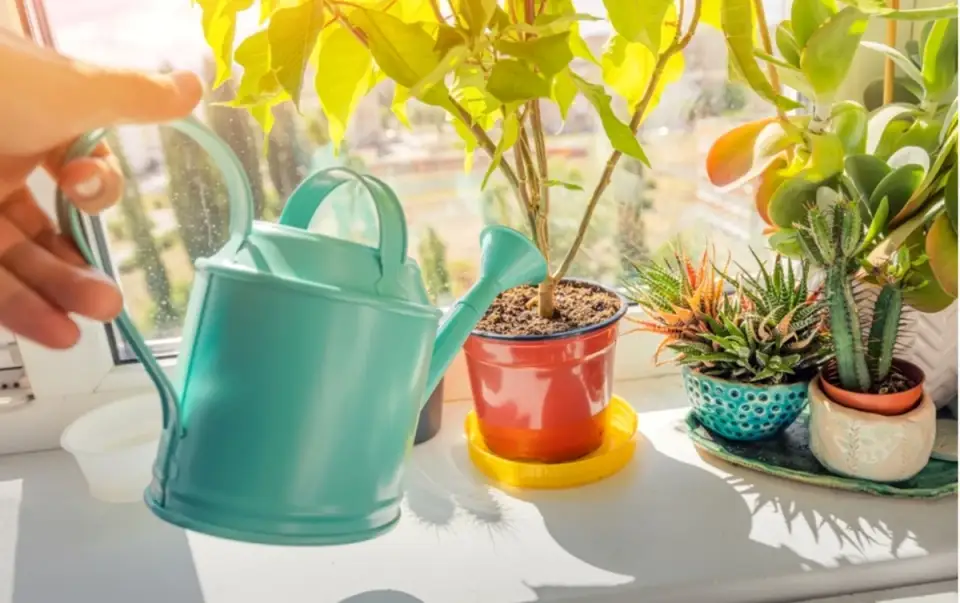
Hydrogen peroxide, also known as hydrogen peroxide, is not only a household disinfectant but also a natural treatment for plants. Used correctly, it can work wonders: plants will be more vigorous, leaves greener, flowers richer, and even in the cold season when natural light and humidity are reduced, the effects will be seen immediately.

Why hydrogen peroxide helps plants

Rainwater, preferred by all plants, contains natural amounts of hydrogen peroxide, which explains why gardeners consider it better than tap or well water.

How to use hydrogen peroxide for plants

Dilute 50 ml of hydrogen peroxide in one liter of room temperature water.

Water the plants once a week.

This solution prevents fungal and bacterial diseases and stimulates healthy root development.

2. Foliar spraying:

Spray the diluted solution on the leaves.

You can apply daily, especially to plants that love humidity.

Helps remove dust and absorb light.

3. Therapeutic treatments:

Wilted or yellow-leaved plants can benefit from watering with diluted hydrogen peroxide.

This combats harmful bacteria and molds, prevents root decay and stimulates healthy growth.

4. Pest control:

For mites, fungus gnats or mealybugs: 30 ml hydrogen peroxide + 250 ml water + 40 drops of iodine.

Spray the affected leaves and soil. After a few applications, the pests will disappear.

Additional benefits Improved soil drainage: Hydrogen peroxide helps aerate roots and reduces the risk of rot.

Seed disinfection: Seeds soaked in diluted hydrogen peroxide (10 ml/liter) will germinate more easily, free from pathogens.

Stimulates germination: The process helps soften the seed coat and initiates faster root development.

Precautions Correct concentration: Use only 3% hydrogen peroxide, diluted. Too high a concentration can burn roots and leaves.

Testing before application: Spray a small portion of the plant and observe its reaction.

Respect intervals: Do not overuse the solution – overdose can have negative effects.

Additional treatments for pests and diseases Powdery mildew: 20 ml hydrogen peroxide + 500 ml water. Spray the affected area.

Aphids: 15 ml hydrogen peroxide + 500 ml water + a few drops of neutral liquid soap. Spray the affected plants.

Signs of overdose: pale leaves or burns, fragile roots, slowed growth. Adjust the concentration and frequency of applications if you notice these symptoms.

Final tips