In recent decades, thanks to the accelerated development of technology and the entertainment industry, the television has become an important part of our lives, becoming for many a way to spend their free time. In most cases, we will find it in the living room, but not always is its location the most suitable one.
We propose a few layout ideas for a harmonious design.
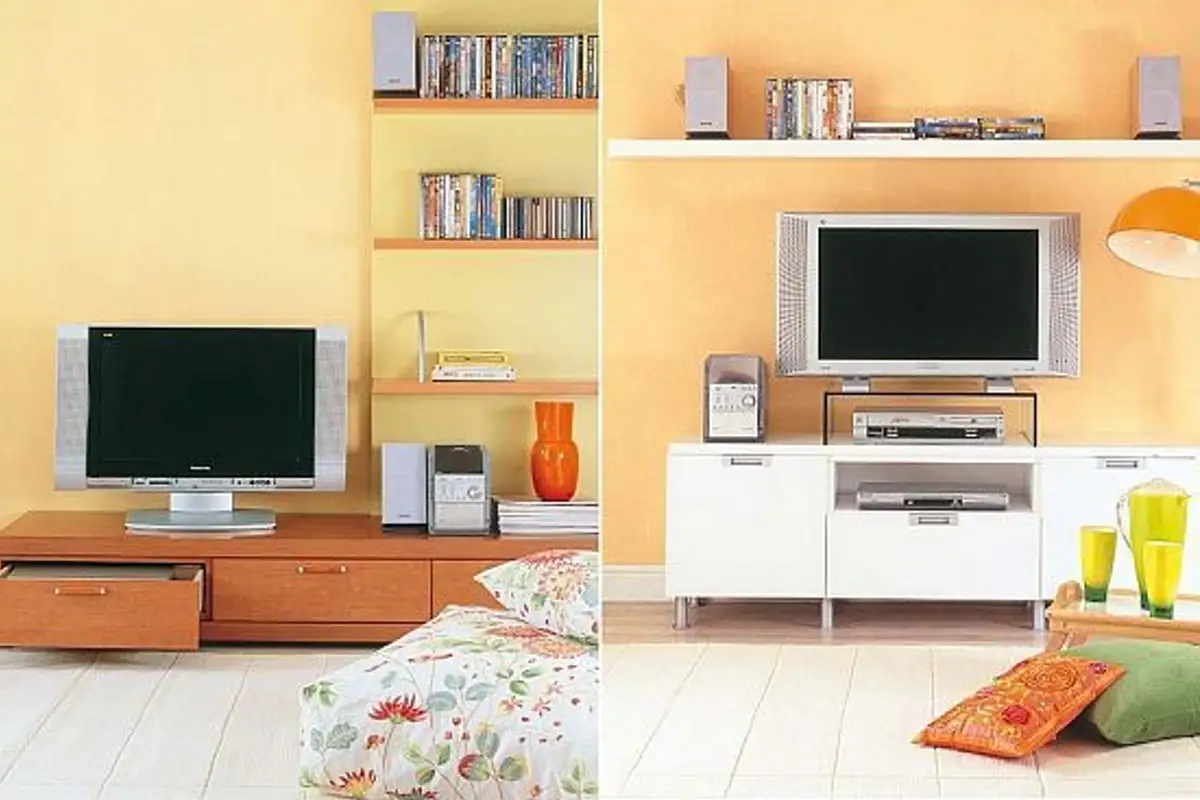
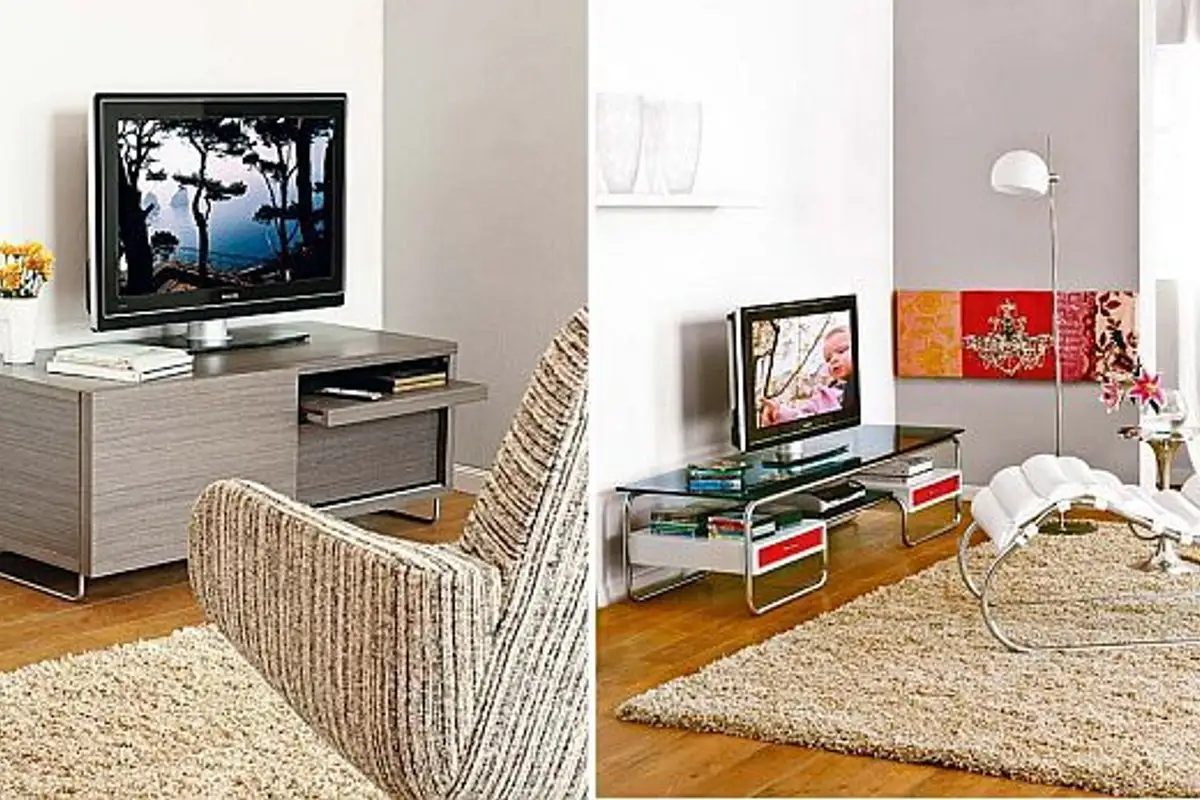
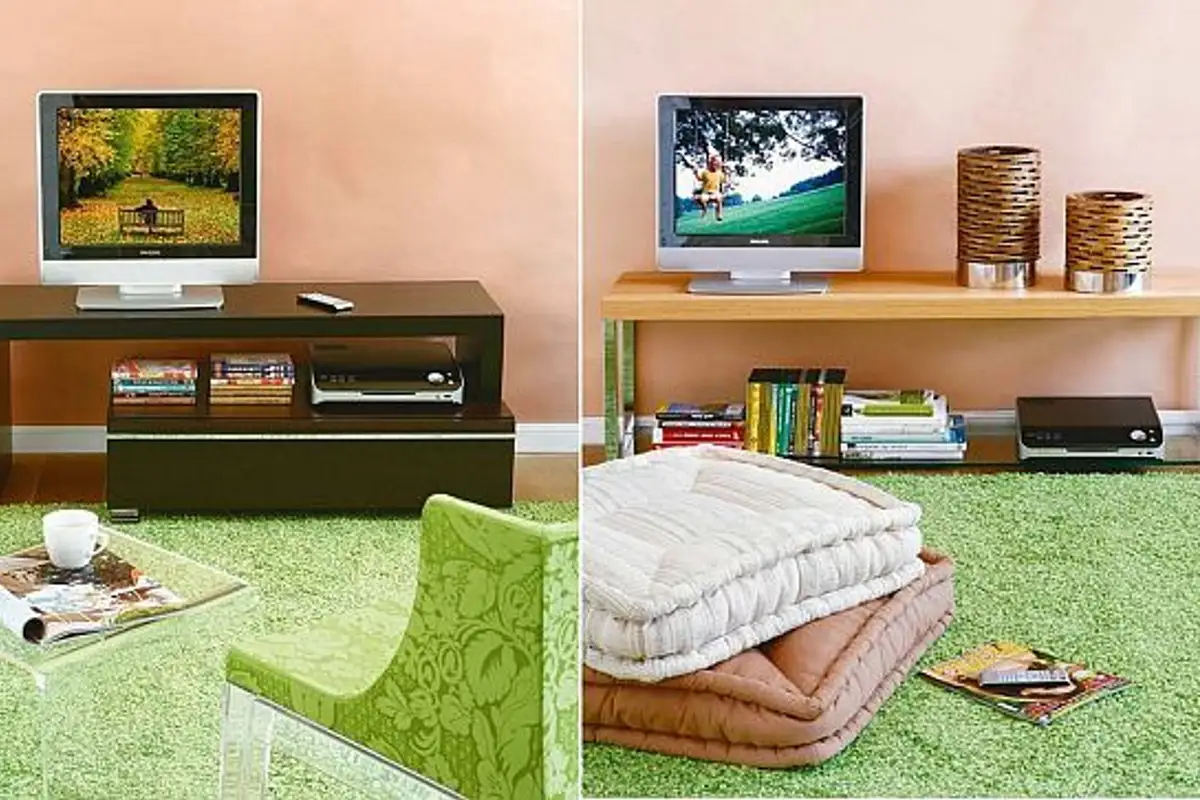
Opening a GaleriaO A simple way to position your electronics is in a dedicated cabinet; you can add a DVD player, a surround sound system, and even your favorite DVDs. If the cabinet takes up valuable space, opt for fixed drawers on which to place the TV.
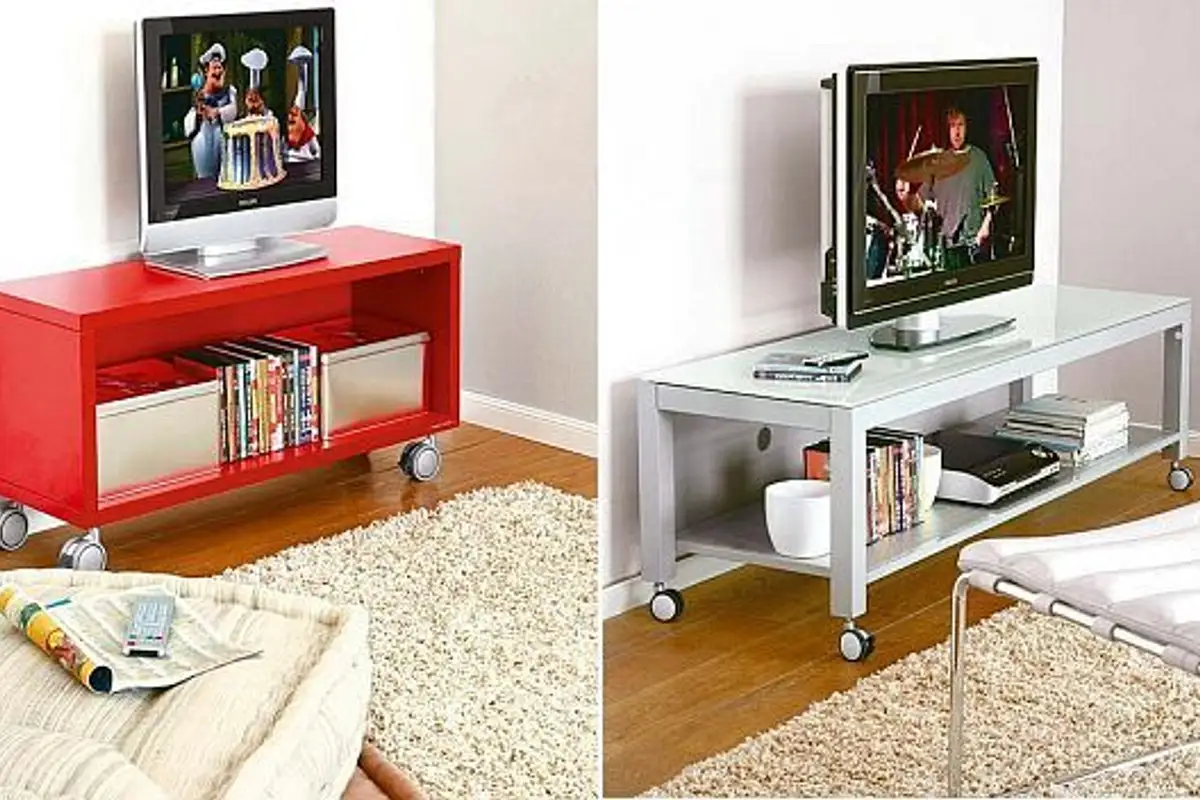
The options are numerous: either two oversized drawers or smaller drawers with storage space in the middle. A very low table, fixed or even on wheels (for mobility), can also be an excellent support.
Size of the television It is also important. A spacious area allows you to mount a large, wide screen and thus imitate the cinema experience if you are a movie enthusiast.
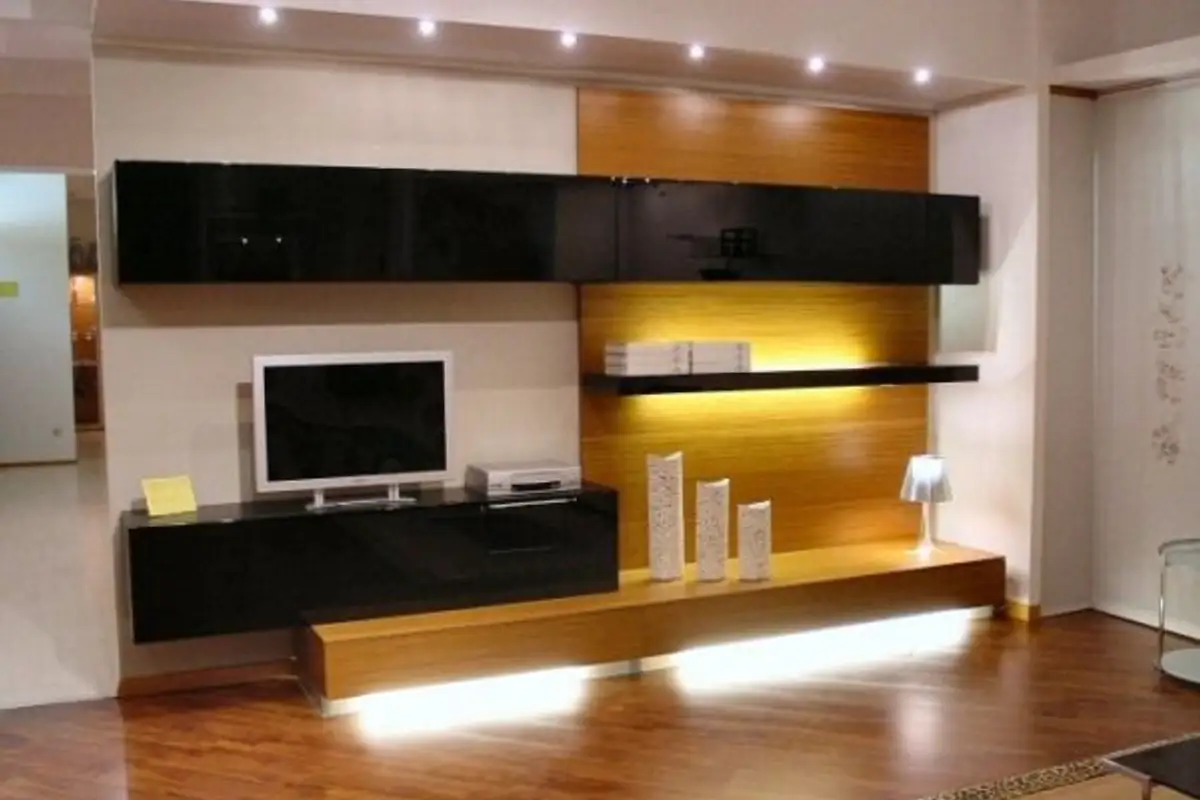
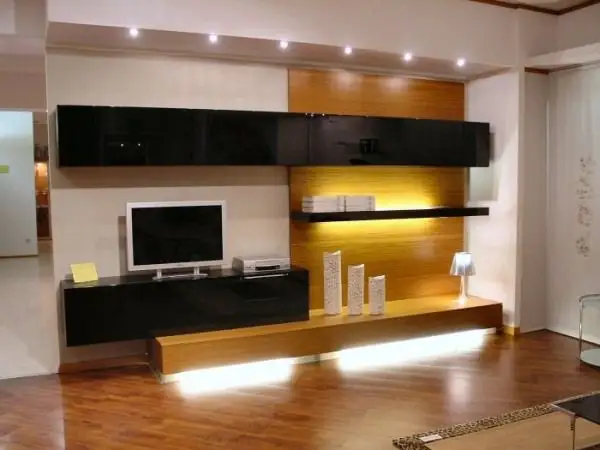
You can mount the television in a wall configuration. You can fix it directly or integrate it into specially designed furniture.
For those who rarely use the TV, an original idea is to hide it. A sliding door will facilitate this; a few discreet shelves will harmoniously accompany the furniture decor. If the TV is in the office space, you can use two large doors to cover it, while the space on the right or left allows you to store documents and other papers.