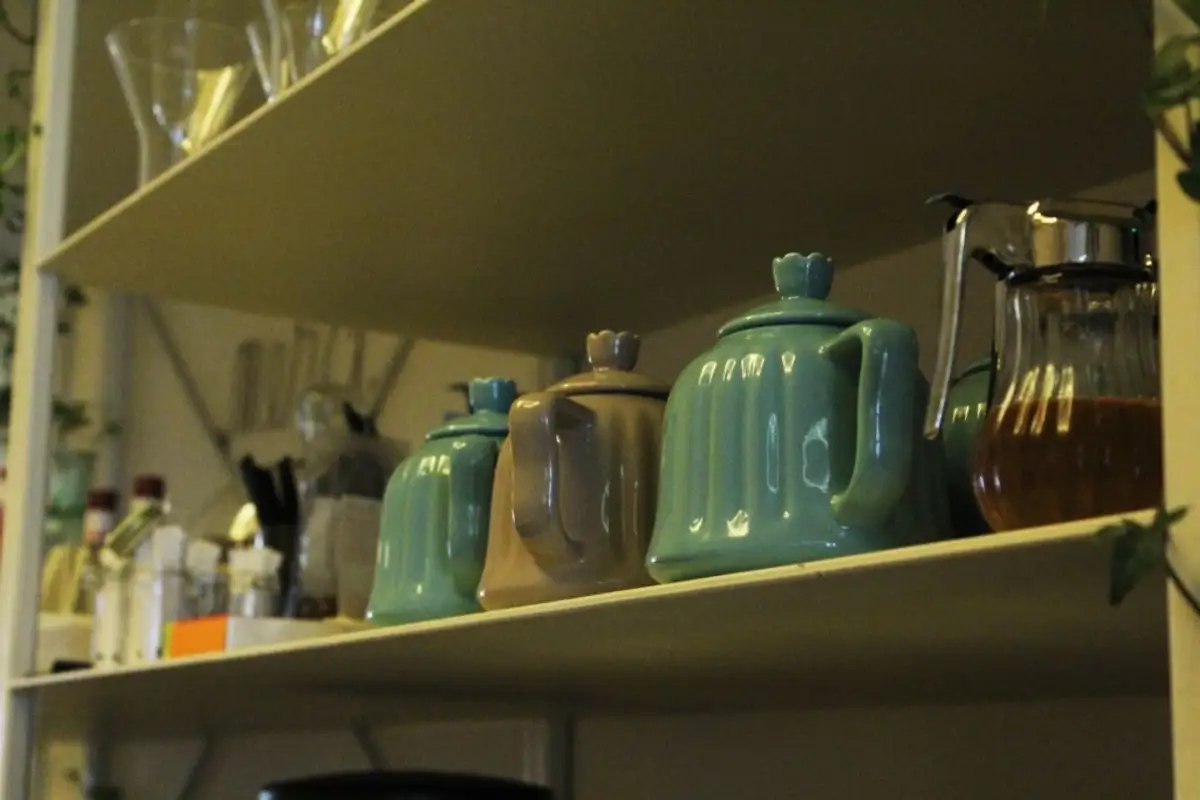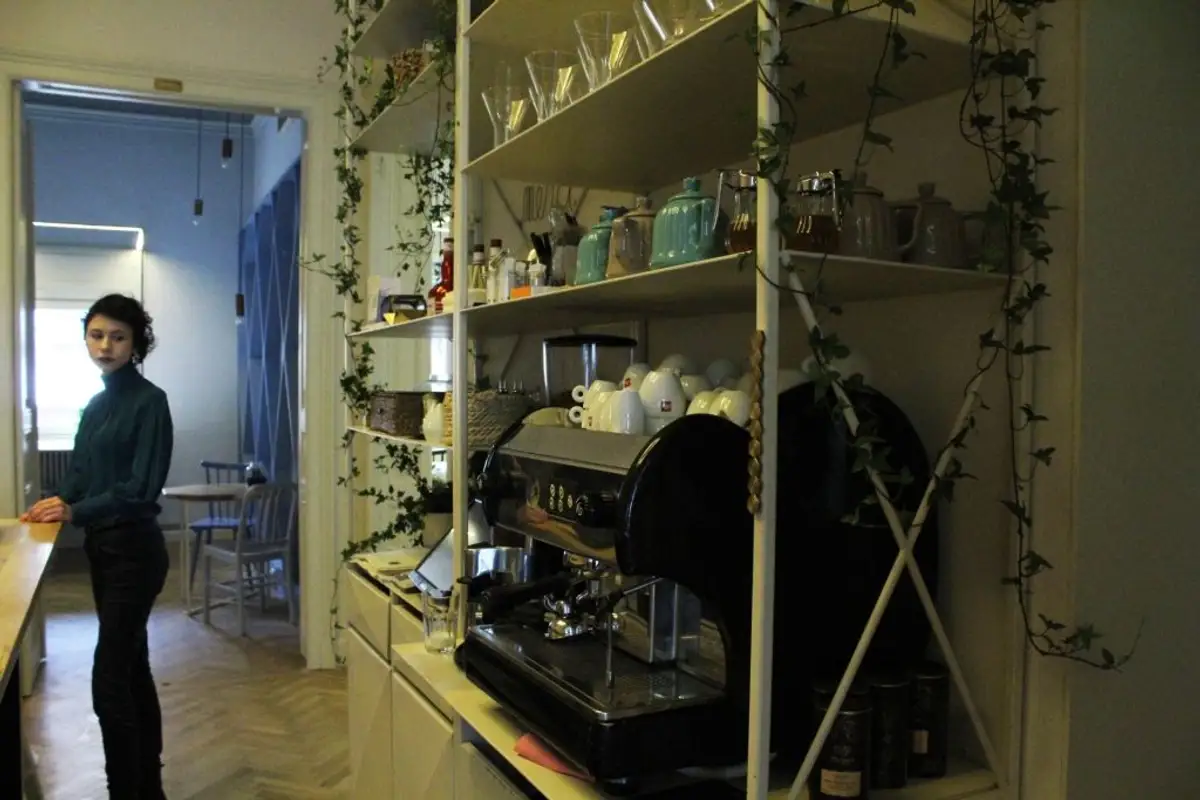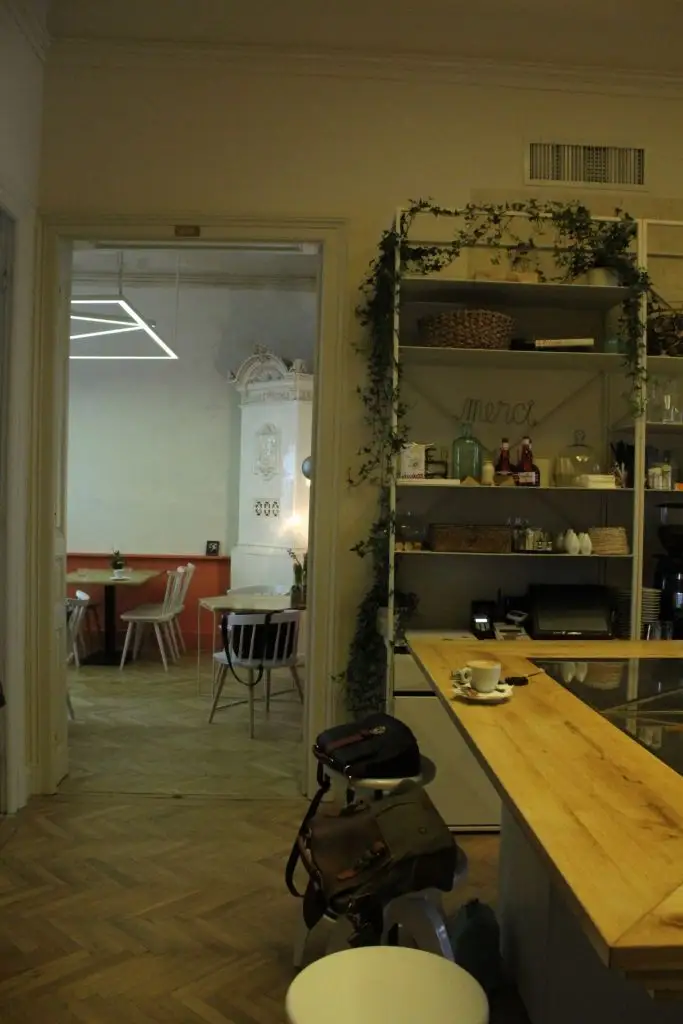
Recently reopened Simbio, in a new, superb location full of history. The building is located on Negustori Street at number 26, is almost a century old, and Eliza Yokina, designer and architect, was responsible for its rehabilitation. Work began in the spring of 2014 and the result was up to expectations: a perfect symbiosis between aesthetics and functionality.
Eliza Yokina agreed to answer a few questions about the Simbio project and the challenges she faced throughout the work.
How long did the works last?
The project started in the spring with the design part, surveying, concept, project for building permit and technical execution project. The works, started at the end of August and almost completely finalized in January, involved consolidating the building and completely refitting the installations for the new function it was to house.
Beyond all this, the house was fully restored and rehabilitated both architecturally – reconfiguration of the attic and facade refurbishment – and from the perspective of interior design.
What were the requirements? What idea did the Simbio Kitchen&Bar concept start from?
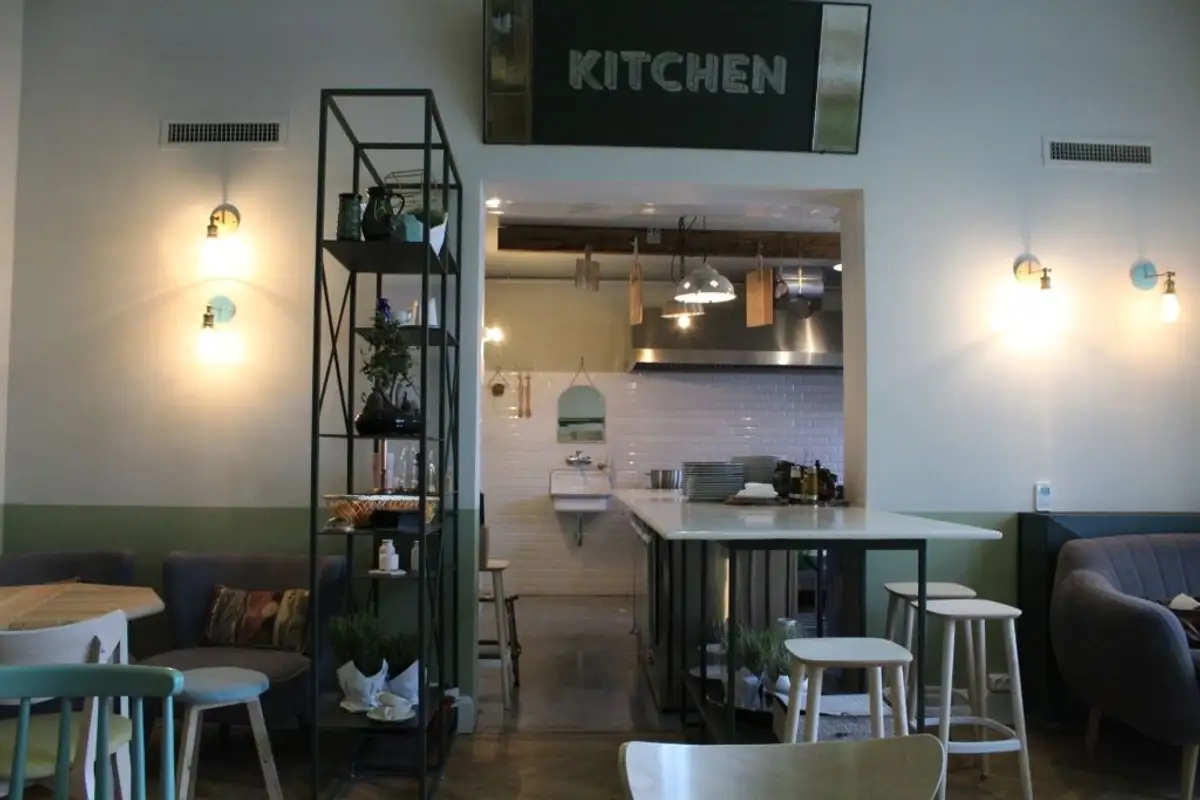
Simbio came with a brief that focused very much on the client and the welcoming atmosphere that needed to be recreated in the new space. From here, there were some specific requirements regarding the newly created spaces, which in the vision of the owners, Dana Nica and Iulia Younis, had to be comfortable, flexible, but also communicate positively the idea of relationship, friendship, of home.
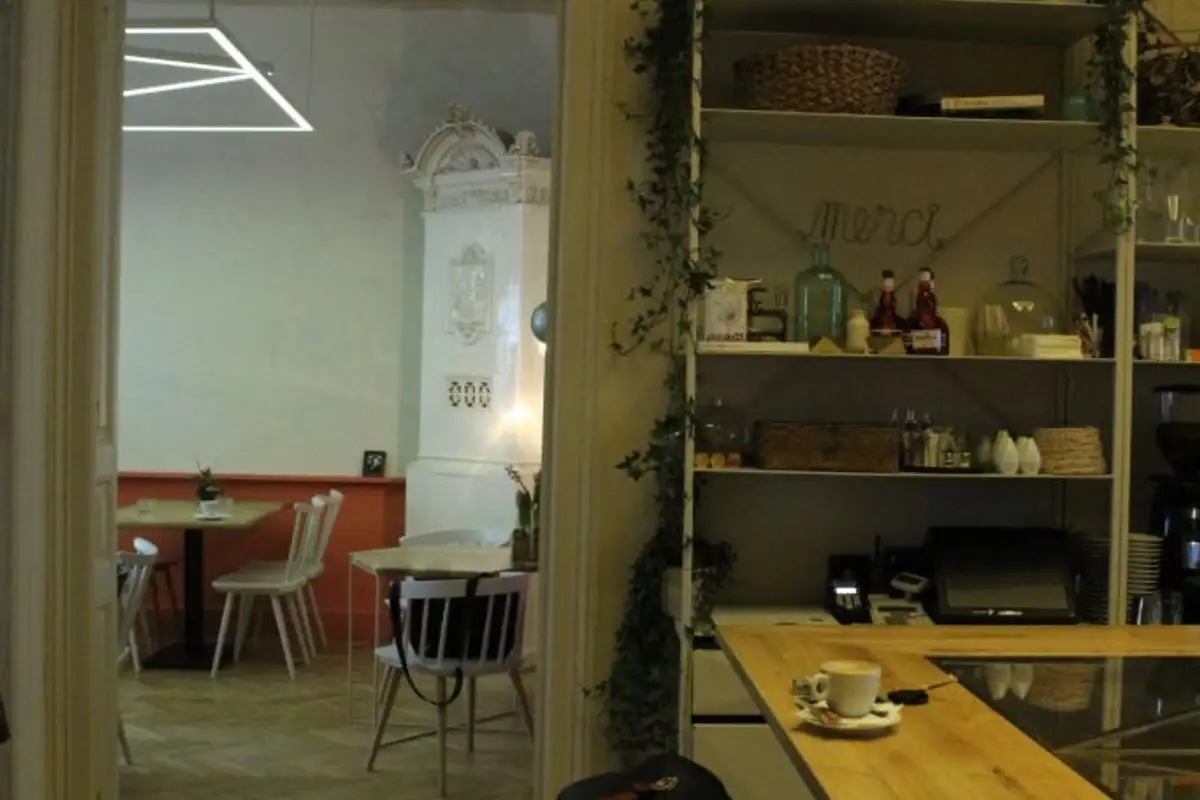
On the other hand, the building from the beginning of the 20th century imposed a certain approach that set the tone, both literally and figuratively. The green Meissen stove and the chandelier required special attention, and green was also found in the new brand.
What was the biggest challenge of the arrangement?
We know that the space is quite old and there may have been some limitations. A challenge was combining the atmosphere of the house on Negustori 26, which has existed in this place for a century, with the specific positive and friendly atmosphere of the new brand and implementing all the modern technical solutions that make a house a functional restaurant.
What materials did you use?
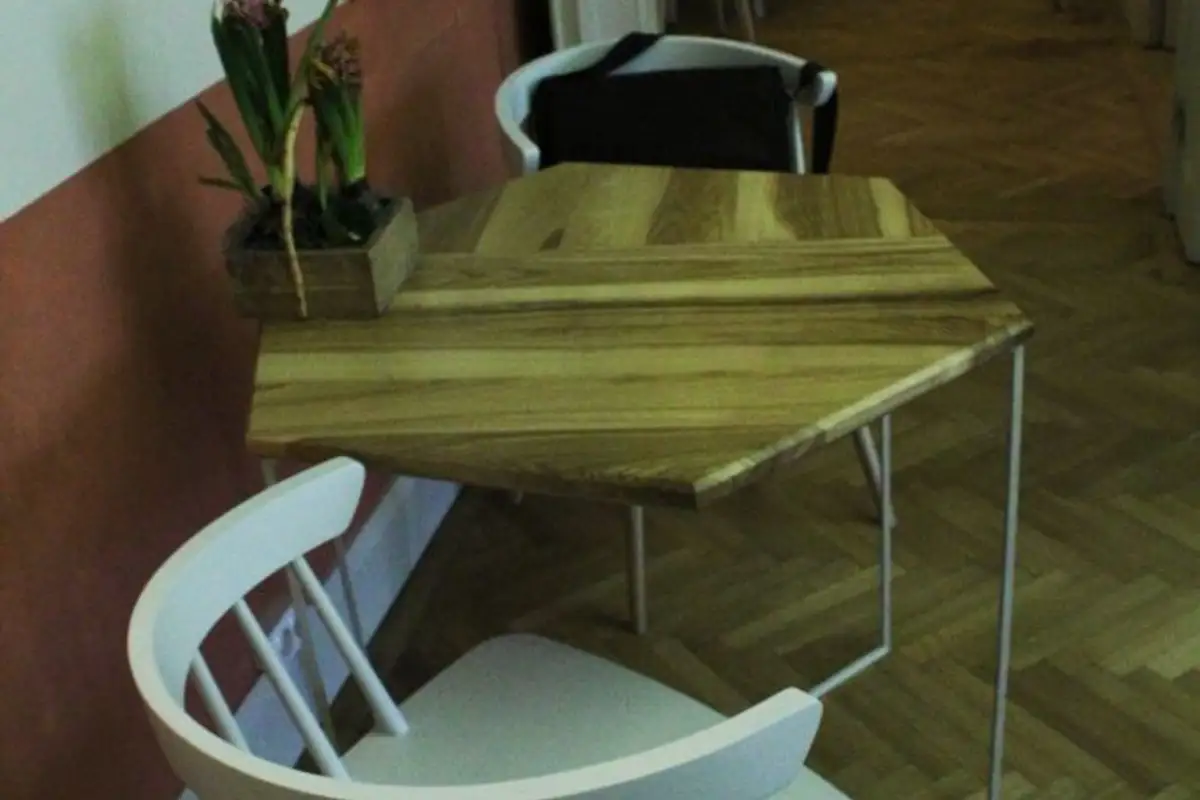
First of all, we used materials specific to the period of construction of the house and we kept everything we could – plaster, stoves, parquet. We intervened with new materials that do not create a discordant note with the first ones: metal, wood, cast mosaic, tiles, concrete. The installations were introduced carefully in relation to the existing spaces.
On the main facade, we used classic lime-based plaster, with a setting technique as it was done in the old days, but with an aesthetic suitable for today's times.
What is the total area of the work?
The entire surface extends over approximately 360 sqm and is divided into 3 levels.