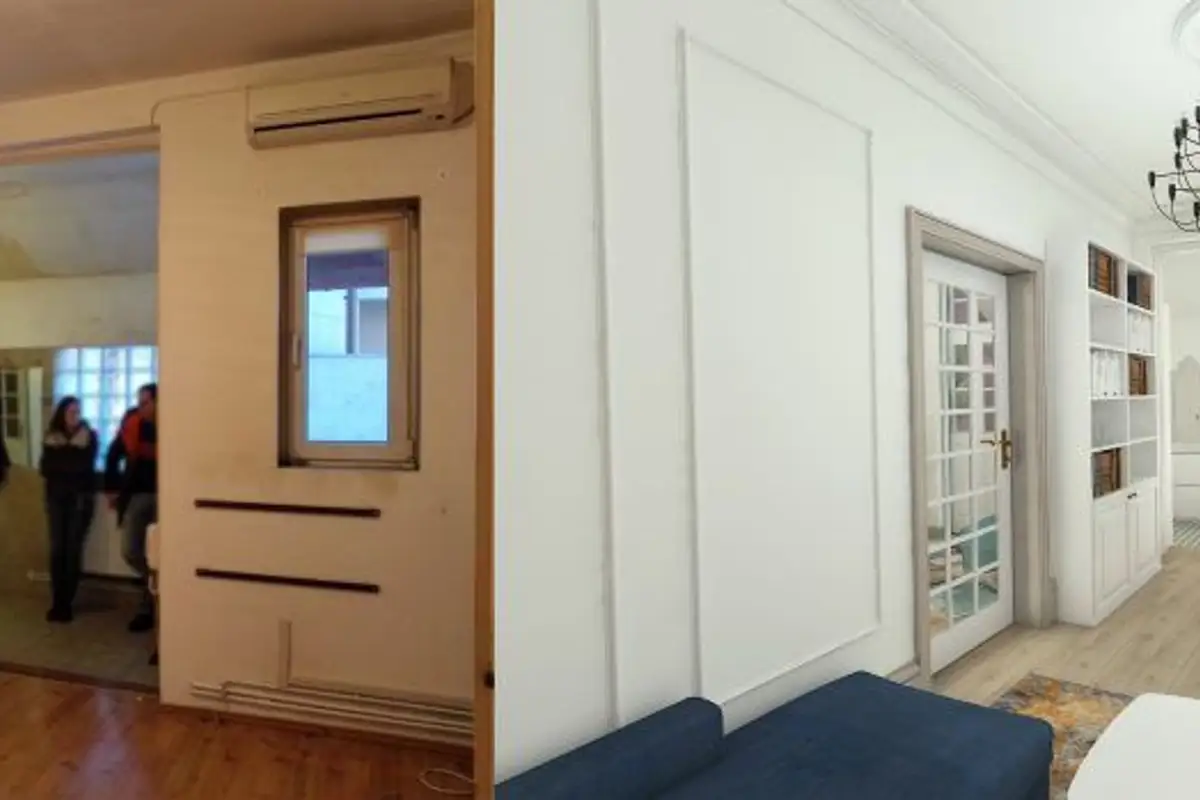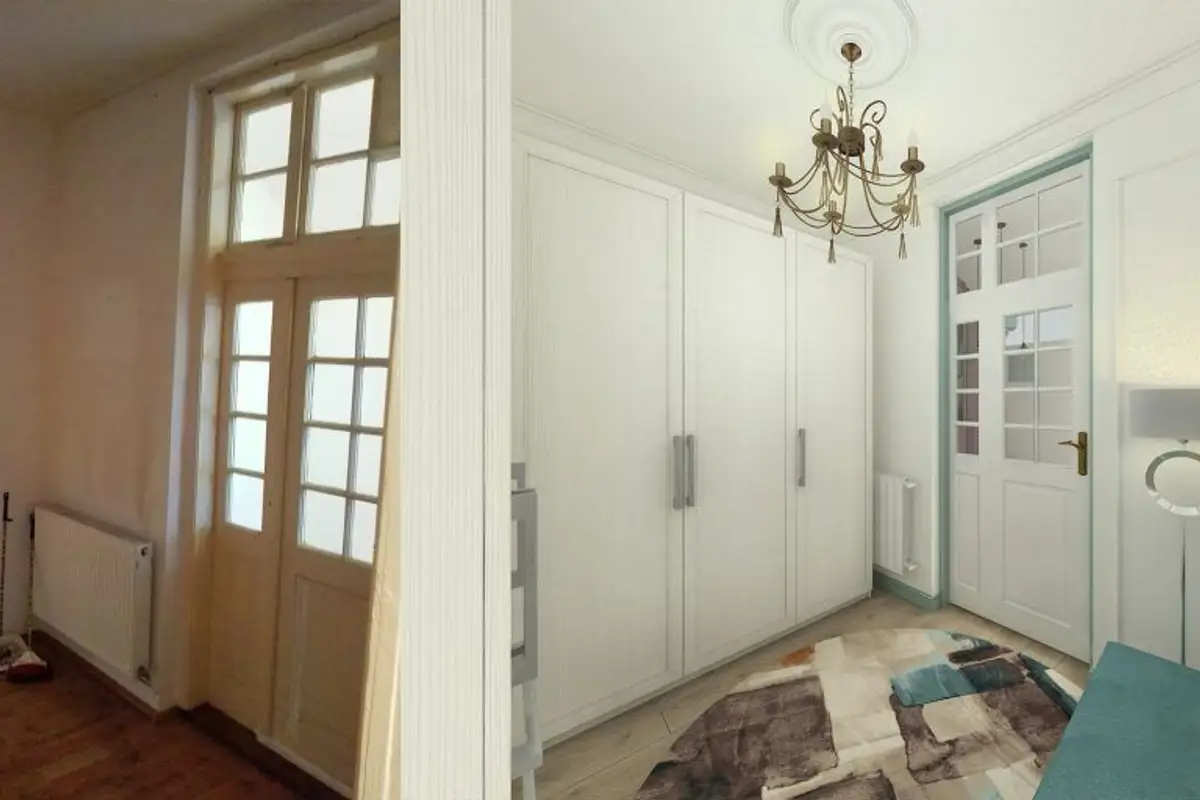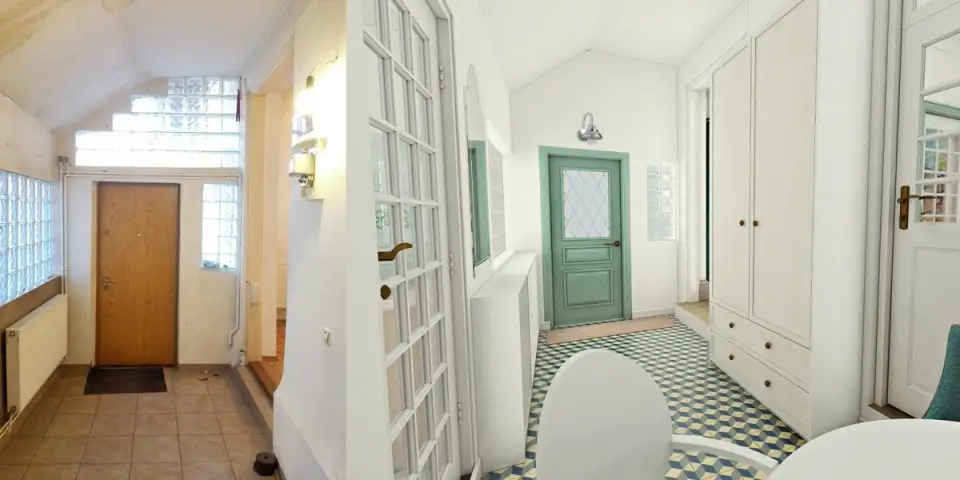
We continue our series of articles with helpful decorating tips from specialists. Today, we are joined by Natalia Berezovskaia, a designer at the studio Creative Interior and addresses a very current topic: how to renovate an old house.
As a designer, I've always been fascinated by the old houses (those over 60-70 years old) in Bucharest. They inspire an interwar, bohemian atmosphere whose design involves a comprehensive process through the integration of original elements into the contemporary architectural context, preserving as much of the charm of that era as possible.
A common problem encountered is that of interventions made over time and the deterioration of original elements. Today I will discuss some of the most frequent ones and offer the best solutions for resolving them, based on my experience working with such fittings.
Cracked walls and swollen plaster
This is a common problem in older houses with brick structures. Over time, walls have been loaded with multiple layers of primer and plaster. As a result, the plaster and putty have swelled, creating an air gap between the brick and the finishing layers, leading to their detachment.
The best solution would be to expose the walls down to the structural wall and reapply a new layer of plaster and render. Downside: a lot of material is lost in straightening the walls.
Another option would be to apply gypsum board panels onto the metallic structure after uncovering. This will make it much easier to straighten the walls. Disadvantage: we could lose some space, as the metallic structure and gypsum board will occupy approximately 7-8 cm.
Cracked and yellowed doors and windows
Time is wood's greatest enemy. Temperature variations or decay are just a few of the problems that can damage doors or windows.
If you wish to preserve the original joinery, I highly recommend contacting a skilled restorer who will not only restore your doors and windows but also bring back the atmosphere of your home as it once was.
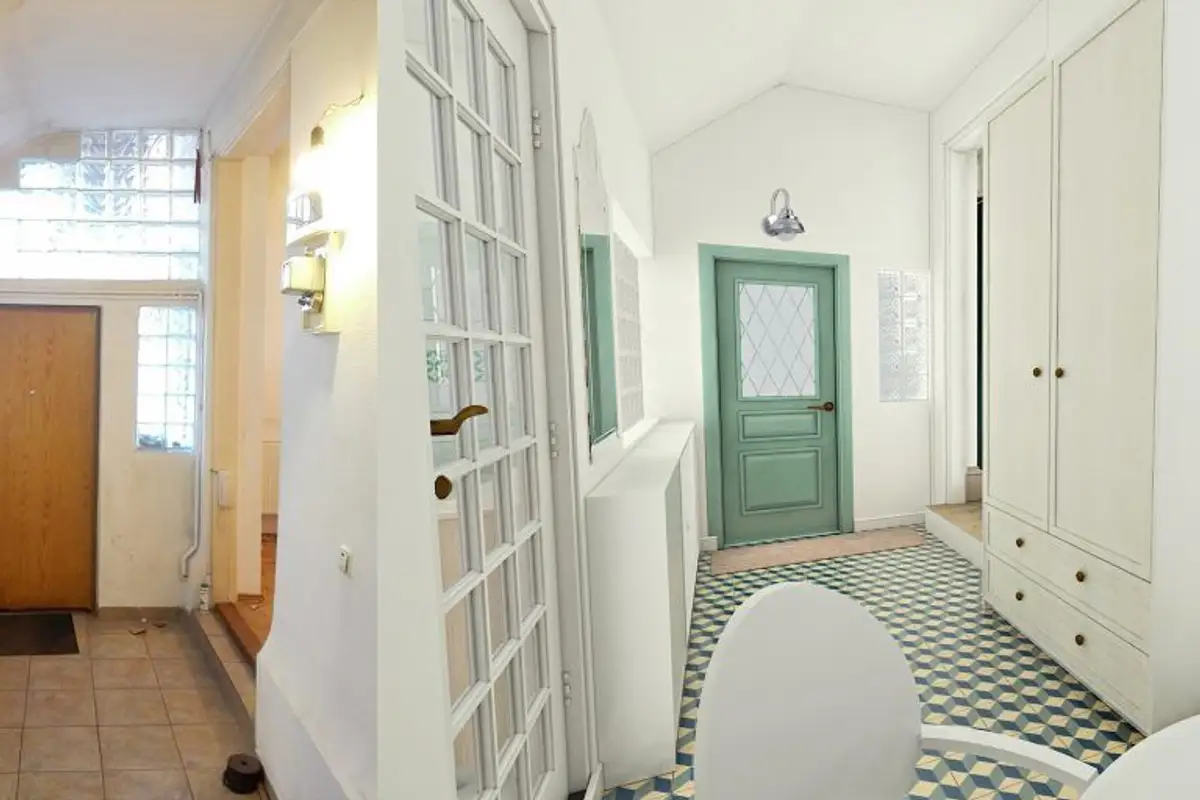
If the house is decorated in a modern style, you can paint the joinery in contrasting colors with the walls or furniture. You will create an atypical but at the same time personalized image.
Squeaky flooring
Like wood joinery, solid parquet flooring also suffers over time. Primarily due to the foundation structure, which leads to unevenness and even squeaking (typical of old houses), but also due to moisture causing the parquet to swell.
If the parquet has been (relatively) maintained, then it will certainly be easy to rehabilitate finishing is achieved through scraping, then staining and lacquering.
If the structure is uneven, a new self-leveling screed will be poured and the old refurbished parquet will be reinstalled on top.