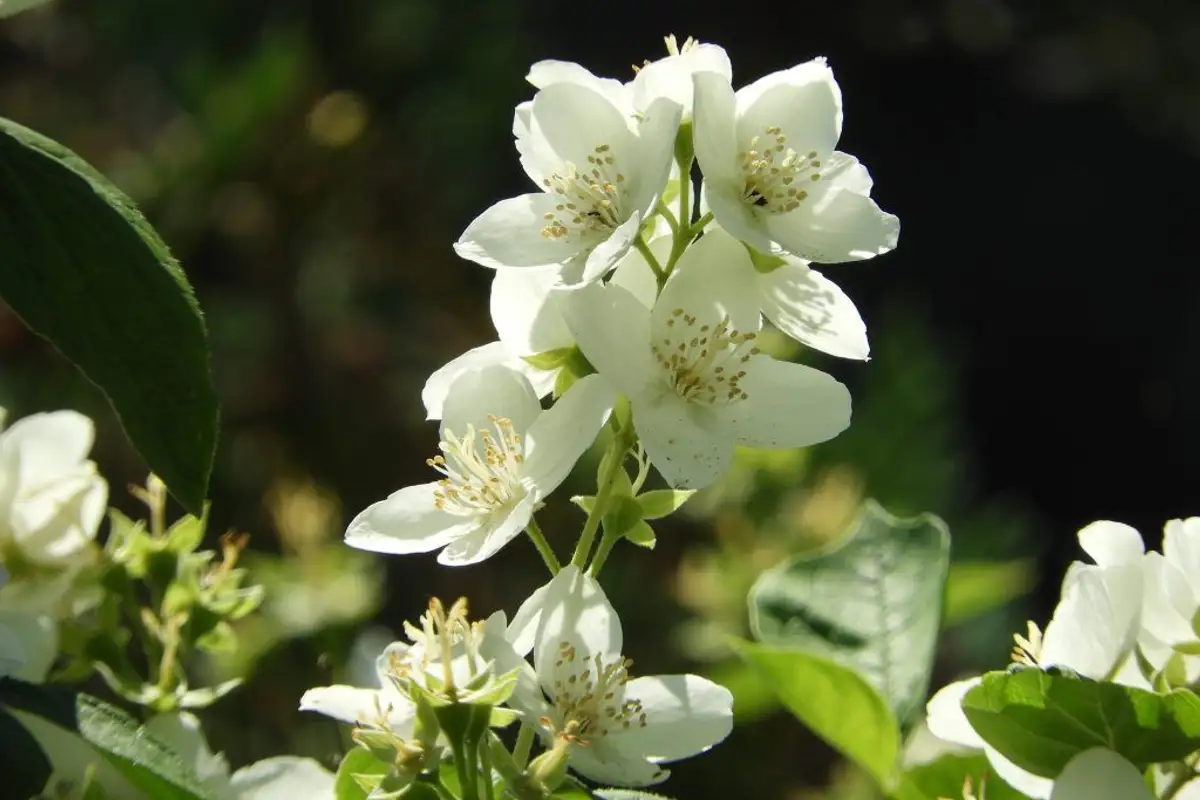
One of the most beautiful and fragrant flowers is jasmine, a favorite of many women when it comes to perfumes. Did you know how to care for this plant, how else can it be used? We tried to answer all these questions in the following material.
Open Gallery Jasmine is a genus of shrubs from the Oleaceae family, which includes approximately 200 species, native to the tropical and temperate warm regions of the Old World. Most species grow climbing on other plants. Jasmine is usually cultivated extensively for its flowers, in the garden, or as a houseplant.
How to Plant
Native to southern Europe, jasmine is a deciduous shrub that can be easily planted in the garden.
Jasmine is a plant that loves plenty of light, so it's important that the place where it is planted is not sheltered from the sun's rays. The sun is the best stimulant for high flower production. However, jasmine also grows well in shade. This shrub also needs a lot of space to grow and spread.
Fortunately for its growers, the jasmine bush is very low-maintenance when it comes to soil type. It grows in sand, clay or loam and tolerates both alkaline and acidic soils. However, it thrives best in moderately moist soils. It needs the soil to drain well as this shrub cannot tolerate waterlogging.
Water well in summer but, as mentioned earlier, excess water and waterlogging during flowering can lead to bud loss.
For jasmine growth, use fertilizer at the beginning of spring. This is, in fact, about the only time jasmine needs this product. For the rest of the year, the fragrant shrub will not need any more fertilizers, except in cases where it has yellow leaves, which indicates a nutrient deficiency. Do not fertilize during flowering.
Jasmine is planted in autumn or spring and has the advantage that it grows quickly, being quite vigorous and can be shaped by pruning. Pruning to correct the shape and size of the plant should be applied early in spring. After the flowers have faded, the jasmine should be pruned again to stimulate further flowering.
Jasmine shaping pruning is done in autumn when one-third of the branches should be removed. It is also advisable at the beginning of summer to pinch off long shoots to stimulate the production of young shoots. Young shoots are the ones that produce the most flowers, which is why if you don't prune jasmine, it will stop flowering in 2-3 years.
Because jasmine is full of nectar, it attracts various insects, especially butterflies. The downside is that there is a risk of being heavily attacked by aphids, so preventive treatments are necessary to remove these harmful insects.
Benefits of Jasmine
Often, jasmine tea is consumed in combination with green tea, precisely to enhance each other's beneficial effects.
Called by Persians "yasmin", meaning "God's gift", jasmine has been used for centuries for natural skin fragrance and its aphrodisiac effects. Arab women added it to baths and applied jasmine oil to their bodies.