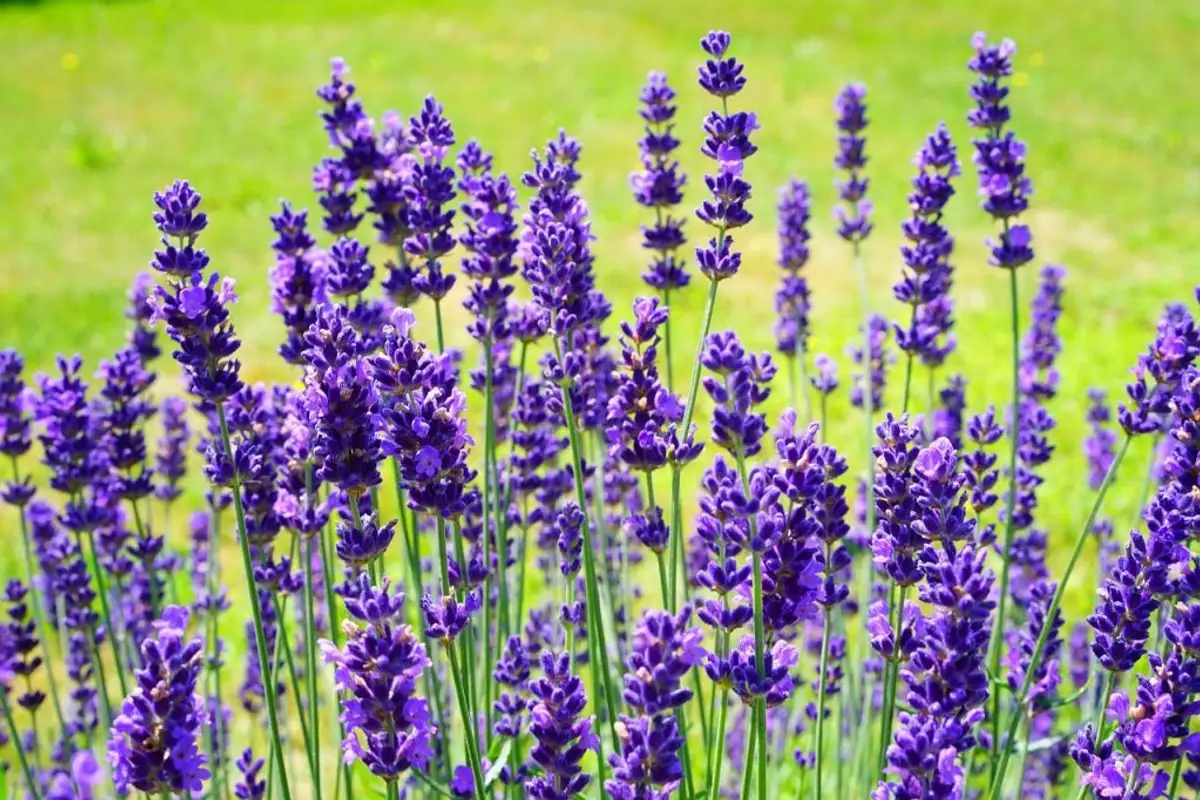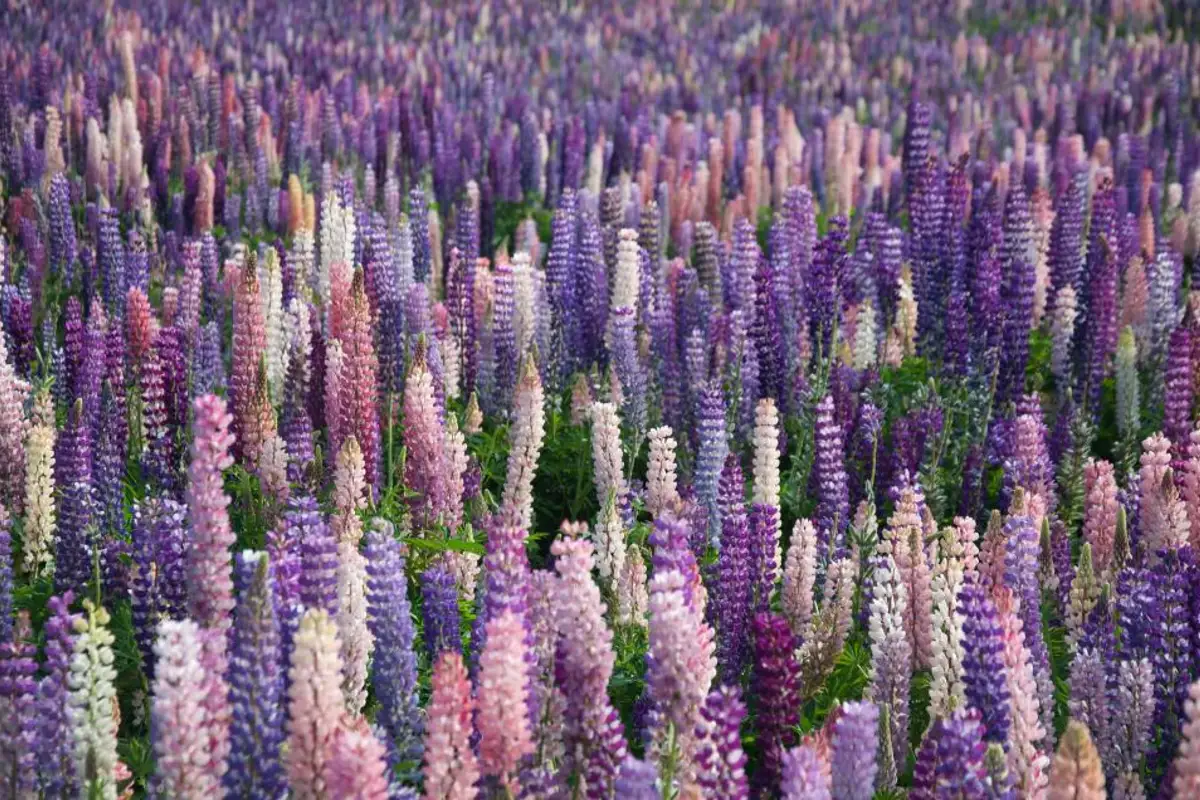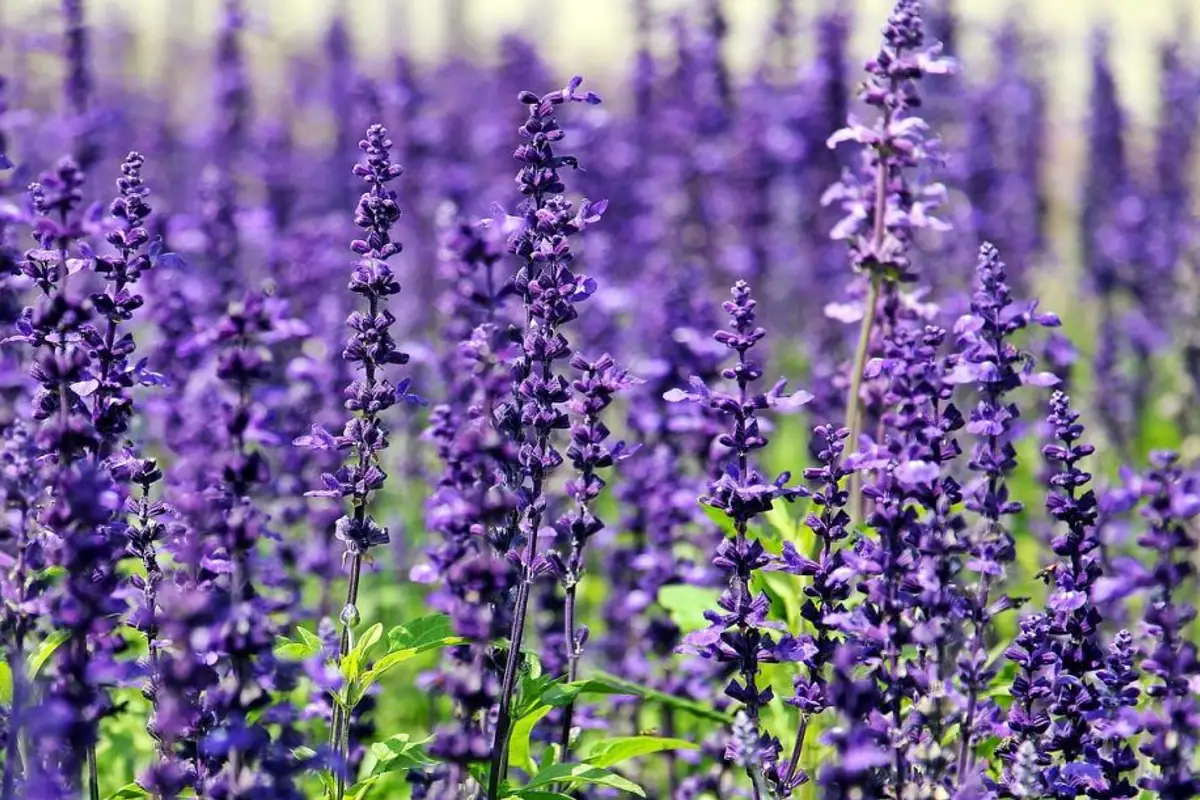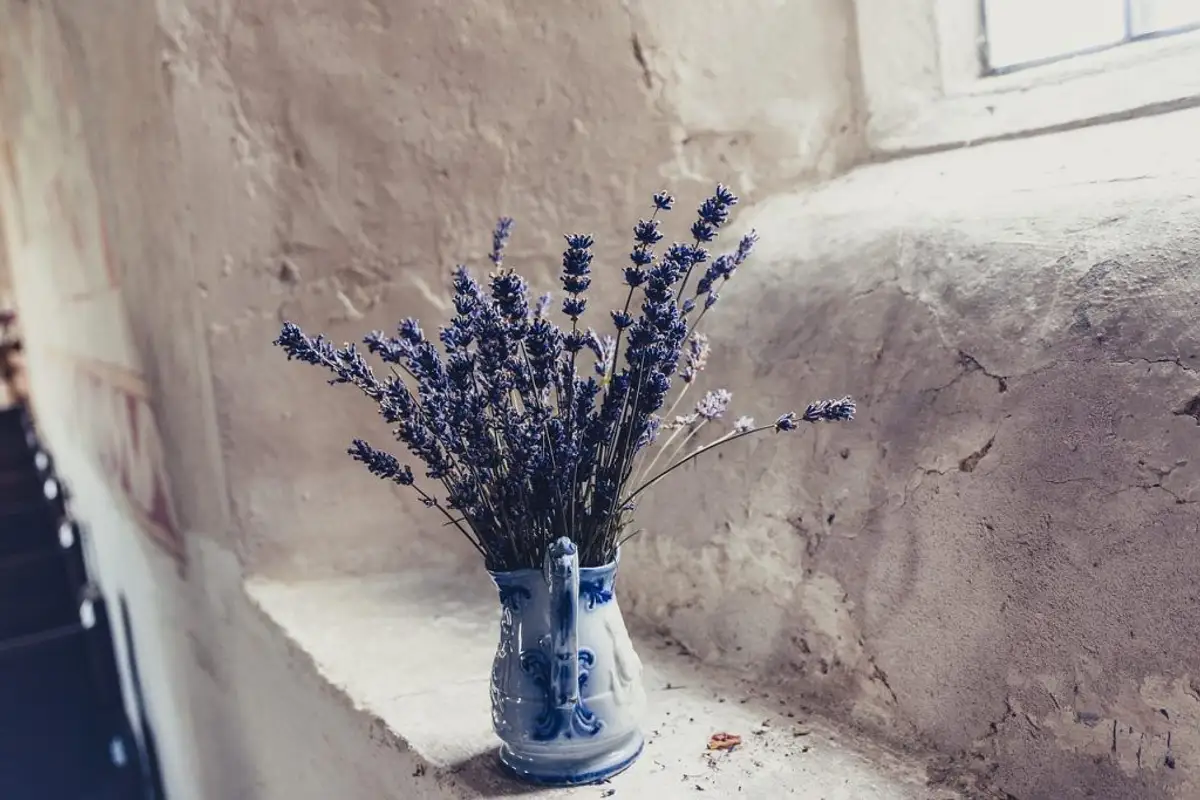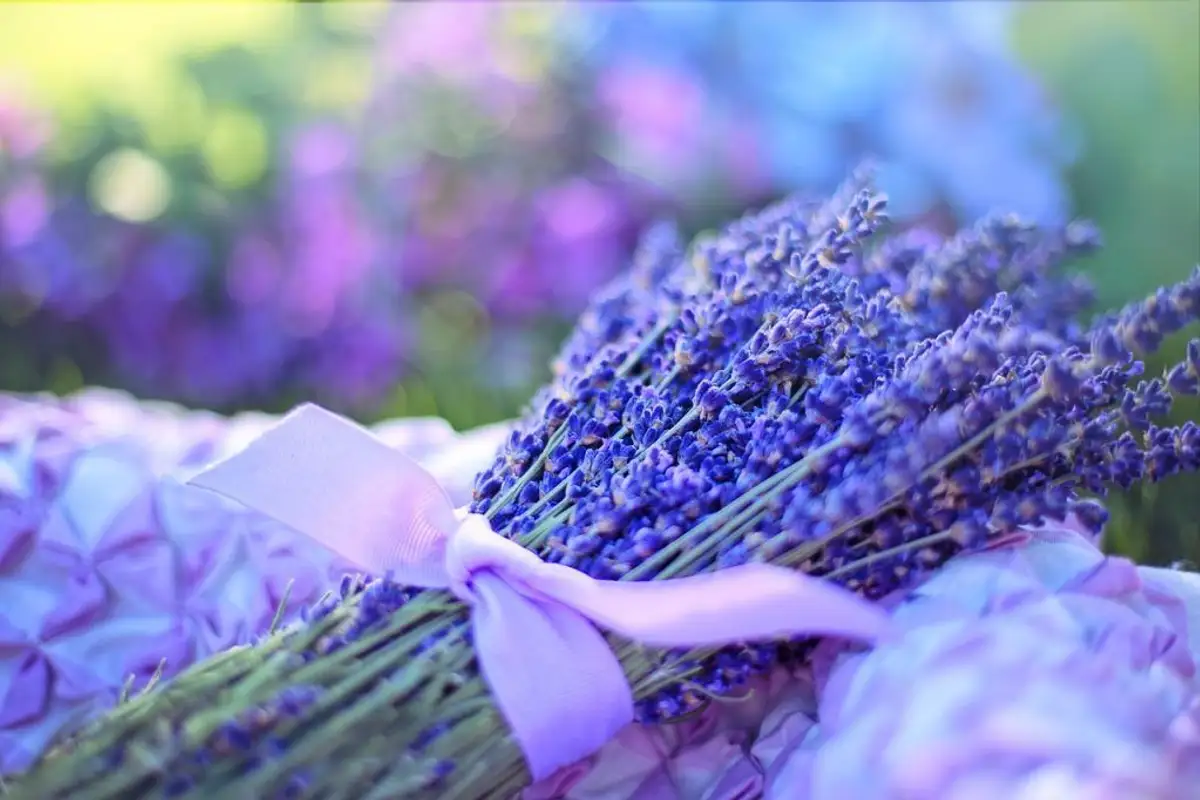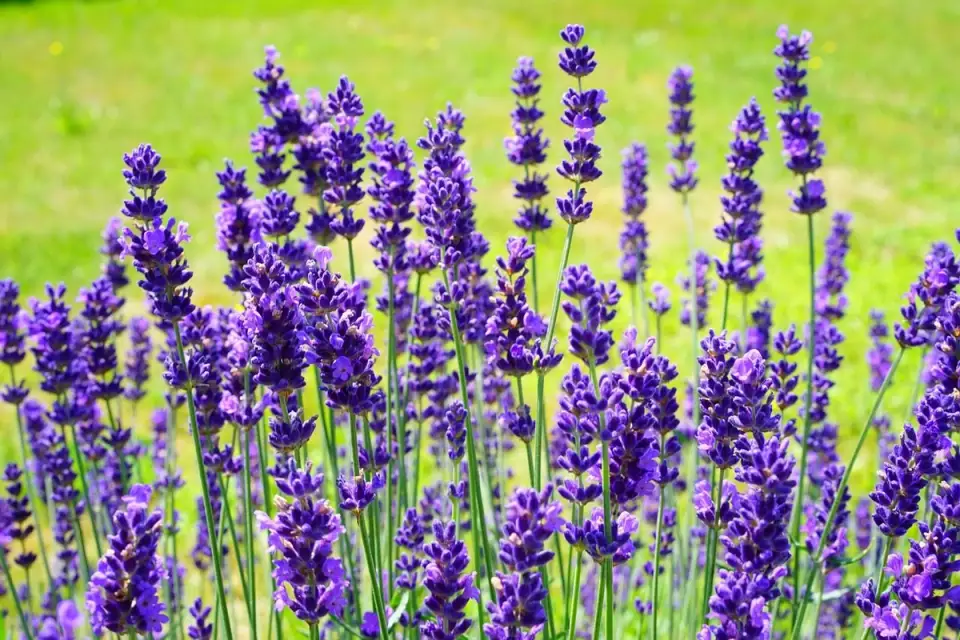
Lavender or Levantica (Lavandula angustifolia) is an aromatic and medicinal plant with branched stems that form a bush 30-50 cm high. Lavender is a perennial plant considered to be a small shrub because its branches acquire the hardness of wood. The leaves are green-silver in color and retain them even in winter.
Plants reach maturity in 2-5 years and can live without problems for 40-50 years.
History
Common lavender, with narrow leaves, is a semi-shrub native to the Mediterranean region. It was introduced to Europe by the Romans, who used it for cosmetic purposes. The flowers, with their pleasant, fresh scent, were used to make soap or added to bath water.
Currently, lavender is successfully adapted to the climate in our country.
Propagation and care
Lavender is a drought-resistant plant. It prefers dry, calcareous, semi-compact soils. It has high heat requirements but also withstands winter frosts very well. It is demanding not only for heat but also for light, so sunny places are chosen for its cultivation.
The most popular and simplest method of lavender propagation is by cuttings. Green, non-woody shoots are harvested from the plant's stems, which are collected in April-May. If cuttings are to be harvested from woody shoots, they are collected between June and August; they root a little harder but can result in larger plants from the beginning.
After the cuttings have been selected, the next step is to plant them. The planting distance depends on how you want to grow this plant. To create a hedge or a living fence, lavender is planted at intervals of 25-40 centimeters, while for a single bush, the interval between lavender and other plants will be somewhere between 80–120 centimeters.