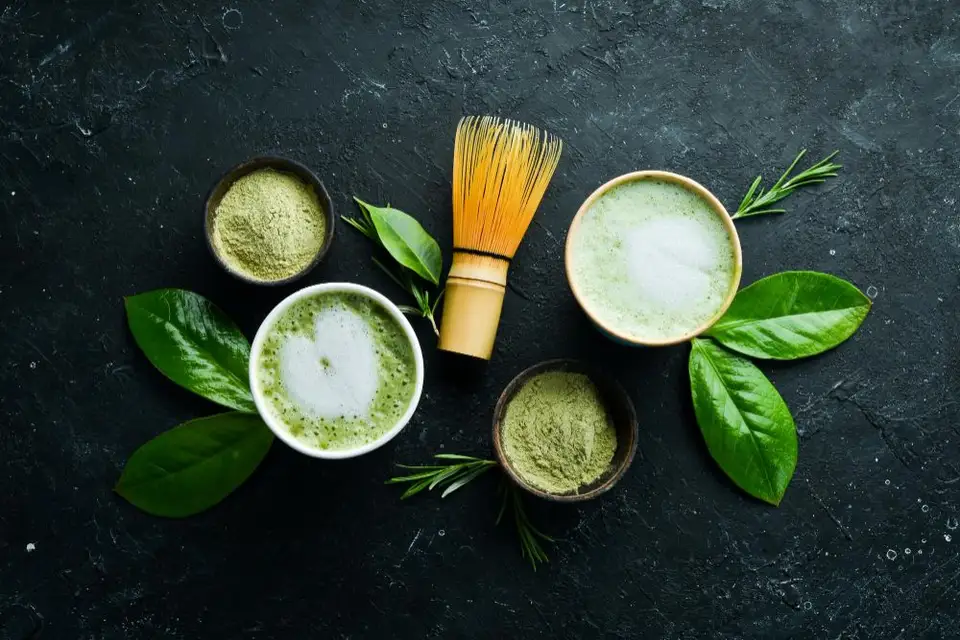
In recent years, matcha has quickly transcended its status as an exotic ingredient and become a constant presence in conversations about nutrition, balance, and lifestyle. From cafes and restaurants to personal kitchens, this fine green tea powder has captured attention with its intense color and association with ancient rituals, reinterpreted in a modern context.
However, reducing matcha to a mere trend would be a superficial approach. Its current popularity is the result of a long history, a well-defined culture, and a broader shift in how people relate to what they consume daily.
Matcha is not just a passing fad but an example of a traditional product that has found its natural place in contemporary nutrition, oriented towards awareness and quality.
Cultural roots and the traditional meaning of matcha
This cultural dimension gives matcha tea a depth rarely found in other globally popular products. In its tradition, matcha is not consumed hastily but within a framework that encourages presence and reflection. Even though matcha is now integrated into much more diverse contexts, this heritage continues to influence how it is perceived.
It carries with it the idea of ritual, of time dedicated to one's own state, and respect for the production and consumption process.
Integrating matcha into modern nutrition
Modern nutrition is marked by the desire for balance between pleasure and responsibility. Matcha from https://mirume.ro/produse/matcha/ responds to this need with an experience that involves both taste and a certain state of calm and concentration.
Unlike other products that are consumed quickly and forgotten just as fast, matcha tends to be associated with deliberate moments, whether it's a break during the day or a personal morning ritual. This integration into daily routine shows that matcha is not just a temporary choice but one that can become constant.
The perception of matcha tea as a symbol of a conscious lifestyle