Stairs are among the oldest elements in architectural history – although it is difficult to pinpoint the exact moment they appeared, it is estimated that this happened around the 6th millennium BC. Stairs have modified their form according to architectural eras, reflecting the trends of different artistic movements and the talent of those who designed them.
Open GalleryThe first stairs in history were built on uneven terrain, for defense purposes, using combined wooden logs, to quickly access higher mountain areas and use them as hiding places.
Centuries later, spiral staircases were introduced in castles to give the soldier at the top a strategic advantage, who thus had more space to wield his sword, unlike his opponent at the base of the stairs, who would hit the wall and the steps during the fight.
The end of the 19th century is considered the peak of staircase construction, when engineer Peter Nicholson developed a mathematical system for stairs and balustrades, introducing metal as a building material. The construction of elevators during this period influenced staircase architecture, which began to take on a secondary importance.
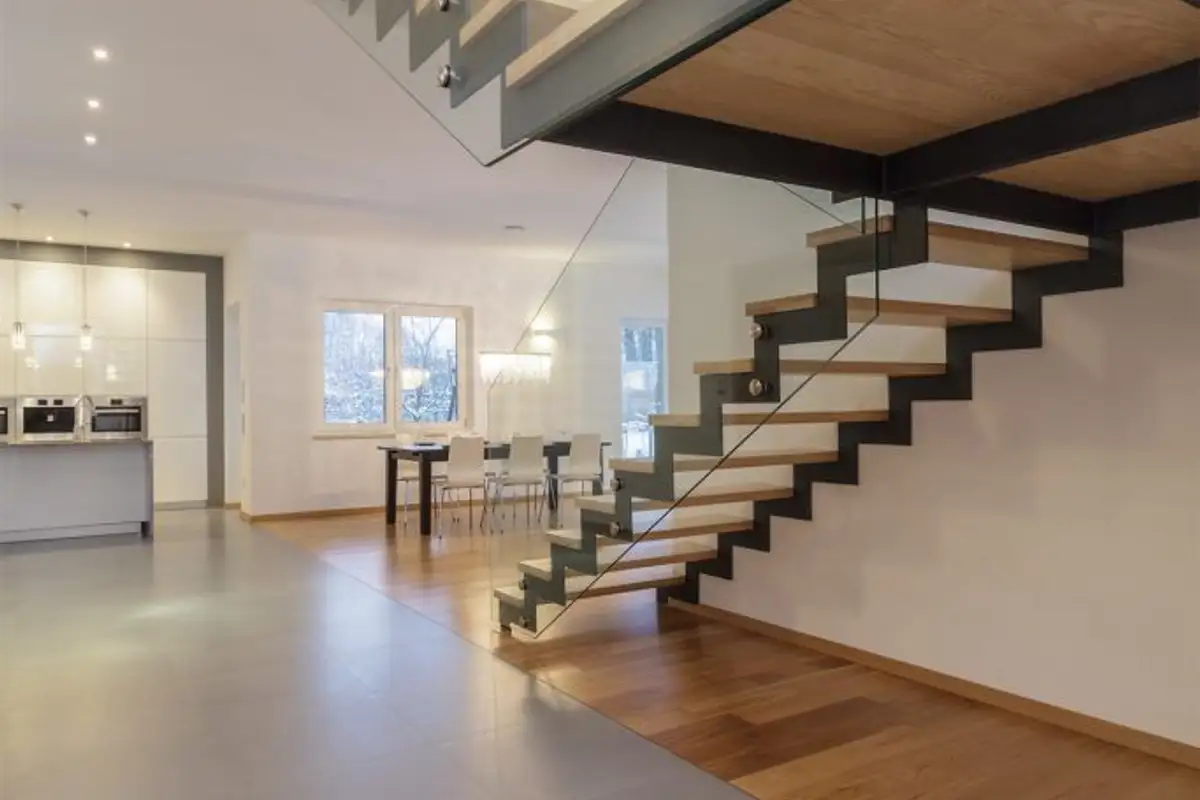
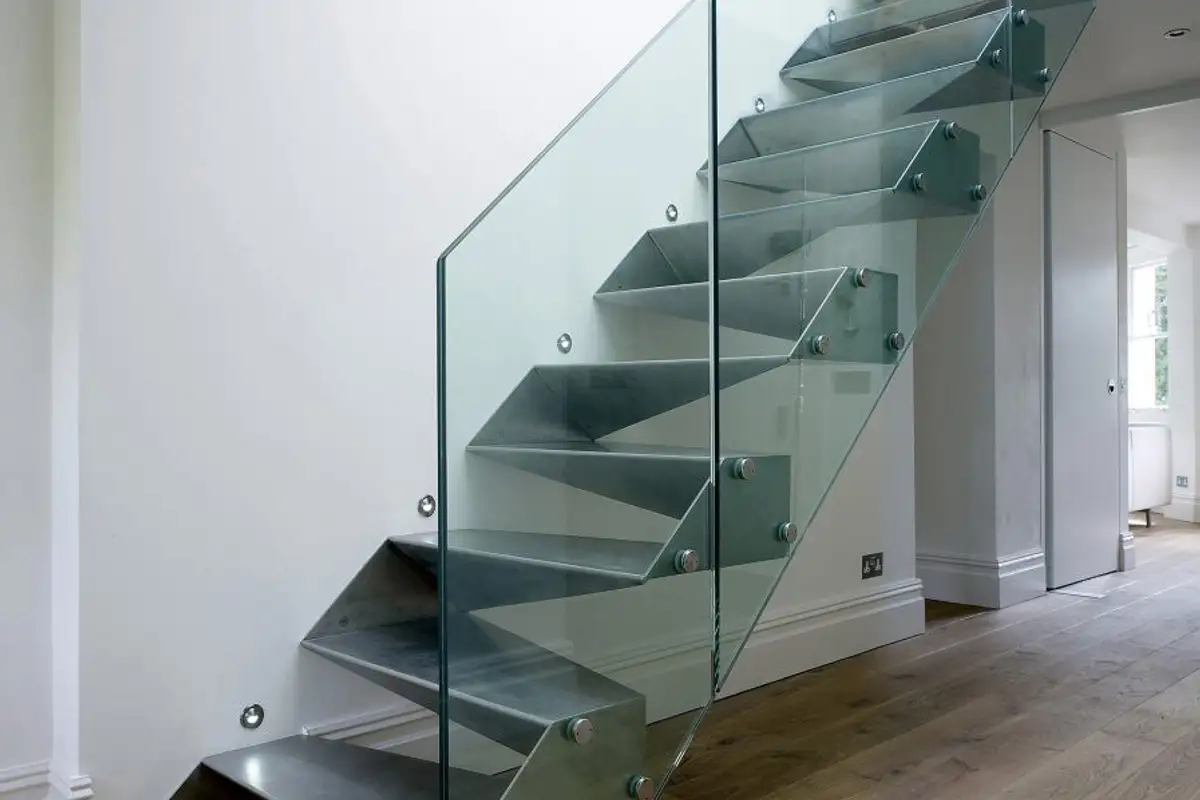
In the 1980s, Czech architect Eva Jiricna began designing stairs made of glass and steel, giving them a futuristic look. Their modernist appearance, seemingly simple but long-studied from an engineering point of view, with glass and steel cables, definitively influenced the history of stairs.
Nowadays, more and more architects are abandoning the conventional wooden or wrought iron design and opting for stairs made of materials such as stainless steel, glass or titanium. For interior designers, stairs are an opportunity to demonstrate creativity.
In contemporary design, the staircase has become a central, sculptural element that has the ability to completely change the look of a space. Its function is no longer exclusively functional, for transit to a higher level, but becomes aesthetic, imposing itself visually in a space.
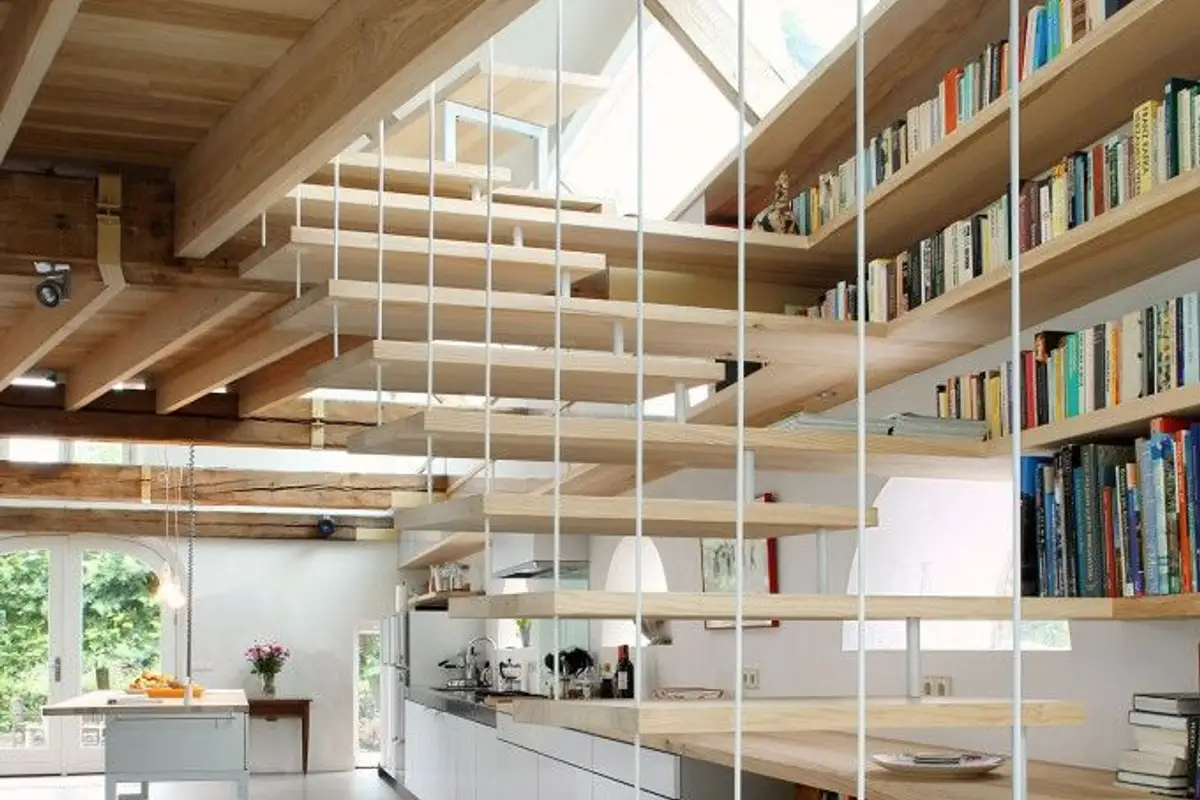
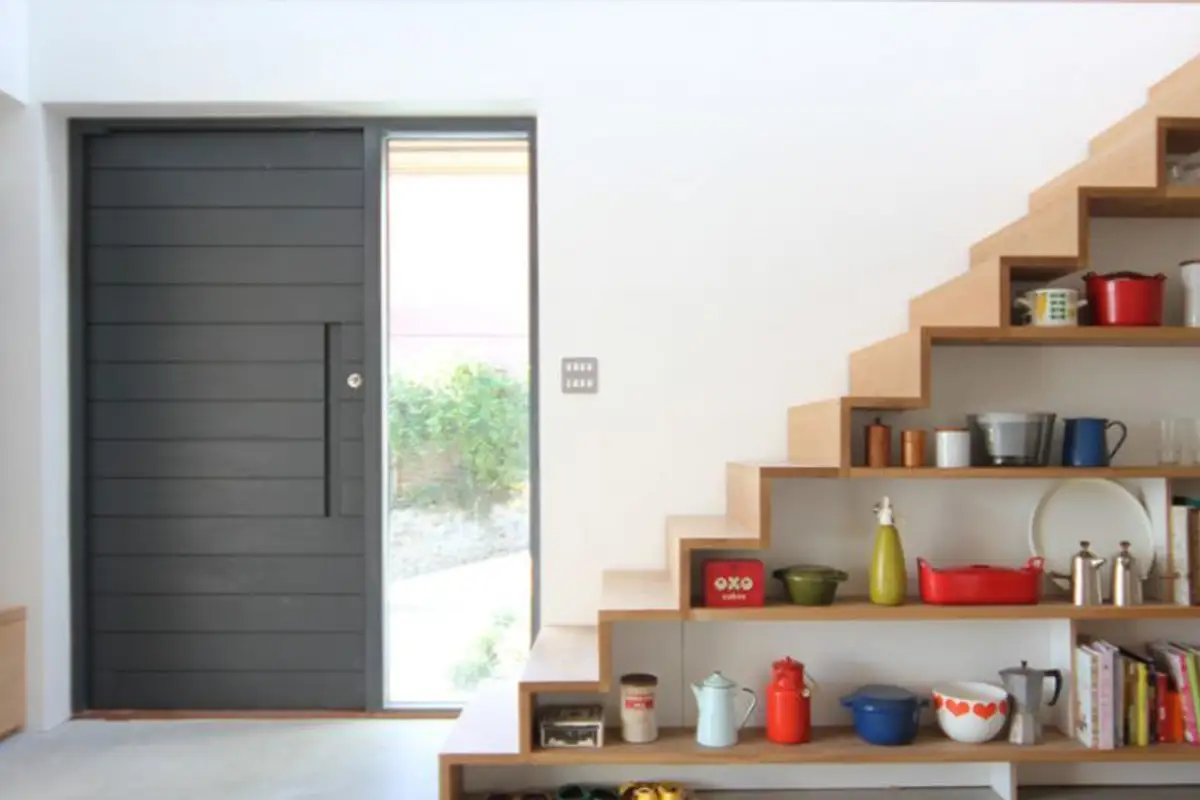
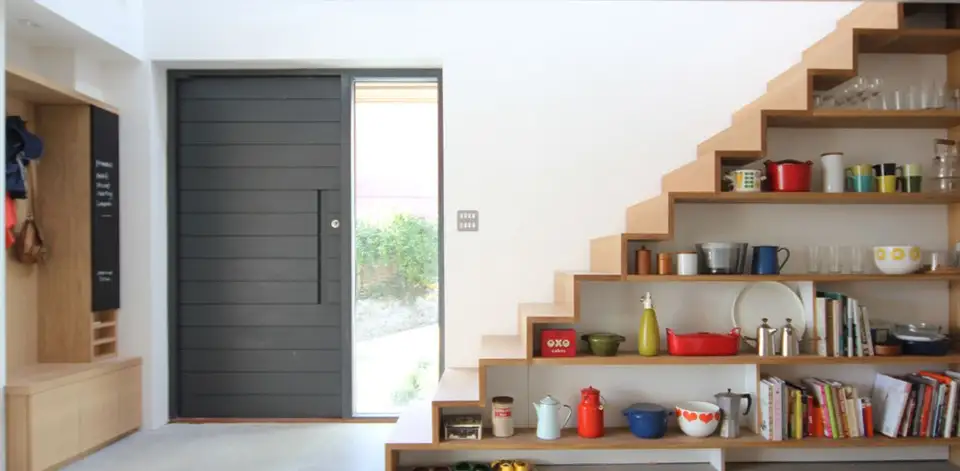
Stairs ingeniously adapt to space limitations and take on unusual, surprising shapes. A contemporary design staircase can revitalize a traditional interior or visually amplify a space. Material combinations (wood – metal – glass) are practically limitless and create a bold statement.
In the adjacent gallery we present some of the most daring models of indoor stairs. From stairs whose steps seem to float, to constructions that resemble the petals of a flower or a giant slide.
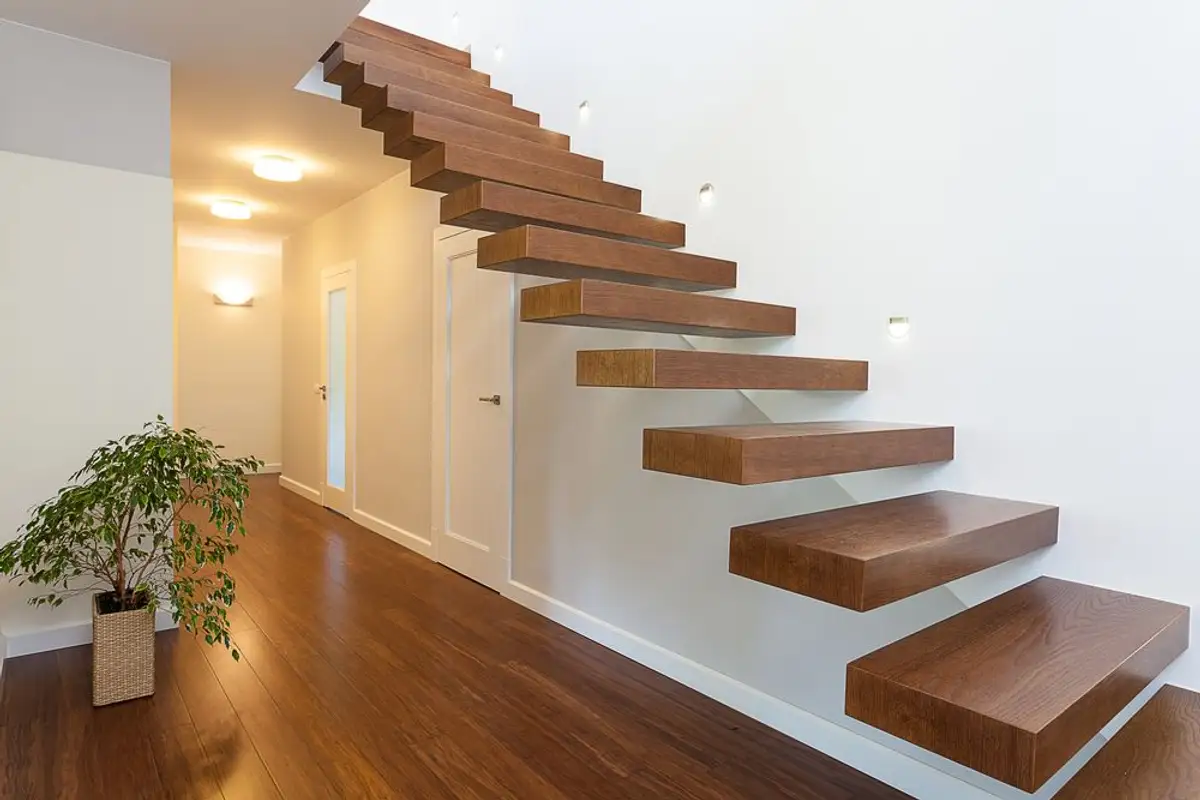
A modern staircase with steps that appear to float, without a balustrade or handrail. The solid wood steps are well embedded in the wall.