The presence of mold and mildew in a dwelling is more than just an aesthetic problem. The unsightly stains and specific musty smell are just the tip of the iceberg. These fungal microorganisms, which thrive in humid environments, can affect indoor air quality, trigger allergies and respiratory problems, and even compromise the long-term structural integrity of the building.
Combating mold and eliminating mildew is not just a matter of cleanliness but a necessity for a healthy and safe living environment.
Understanding the causes, applying correct cleaning methods, and implementing prevention strategies are essential to winning the fight against these silent invaders.
Step 1: Identifying the root of the problem – the causes of mold and mildew
Mold needs a single key element to develop: moisture. Identifying the source of this excess moisture is the first and most important step in solving the problem. Some of the most common causes of mold and mildew include:
Excessive indoor humidity: Generated by everyday activities such as cooking (without a hood), long showers (without adequate ventilation), drying clothes indoors, or even human breath in an unventilated space.
Poor ventilation: The lack of proper air circulation allows water vapor to accumulate, especially in areas such as bathrooms, kitchens, or corners of rooms.
Condensation: Occurs when warm, humid air comes into contact with cold surfaces (poorly insulated exterior walls, inefficient joinery, corners, areas behind furniture pressed against the wall – so-called thermal bridges).
Water infiltration: Leaks from the roof, broken pipes, cracks in the foundation or exterior walls can introduce significant amounts of water into the structure of the building.
Inadequate thermal insulation: Cold walls favor the formation of condensation, creating a favorable environment for mold growth.
Step 2: immediate action – effective mold cleaning methods
Once the source has been identified (and ideally remedied), cleaning the affected areas follows.
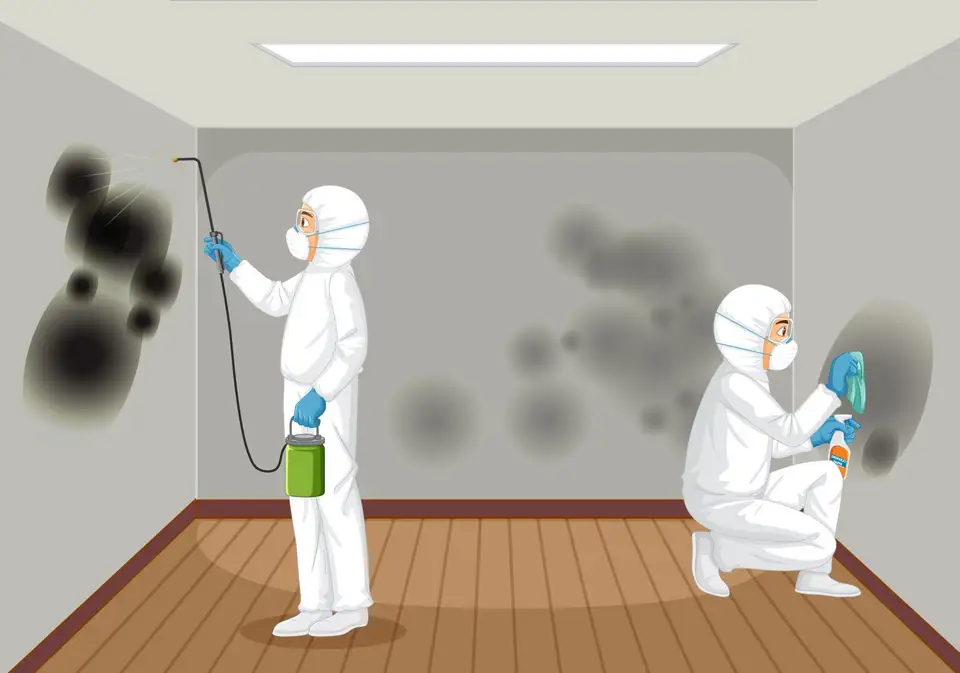
Safety first: Use protective equipment – waterproof gloves and a mask (ideally type F FP2/F FP3) to avoid inhaling spores.