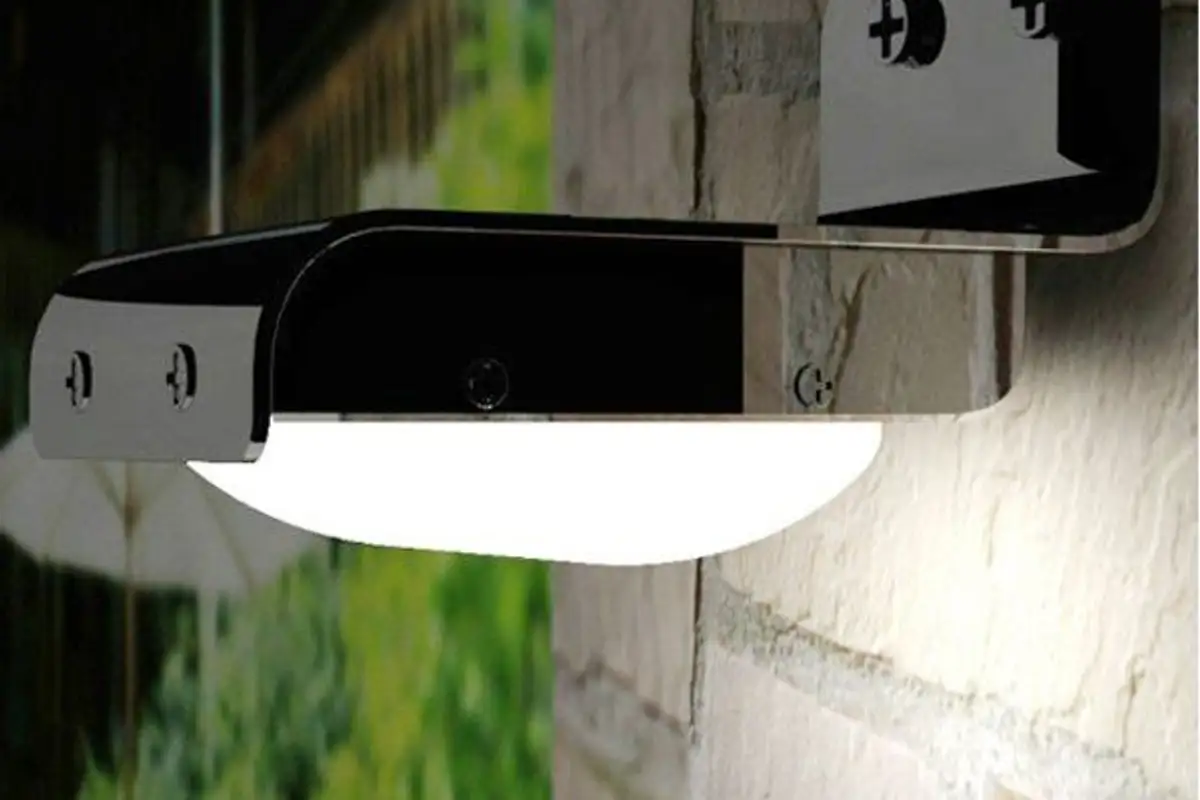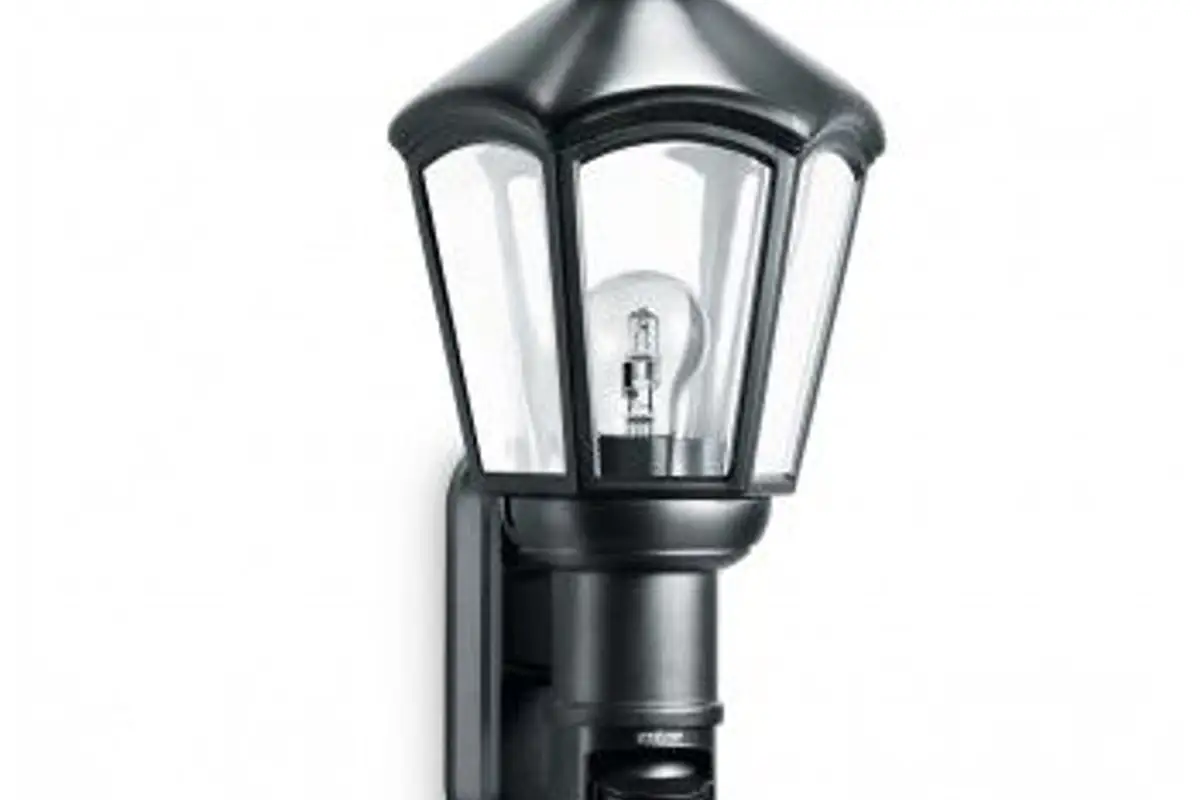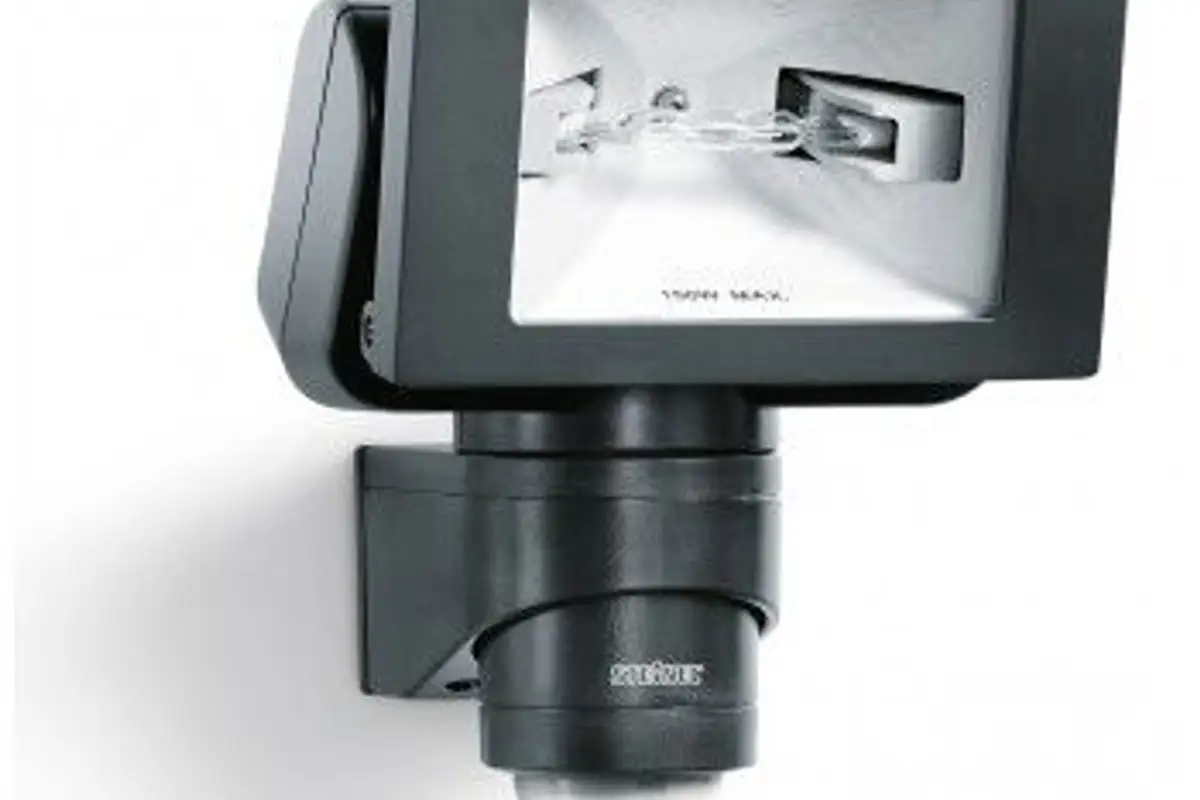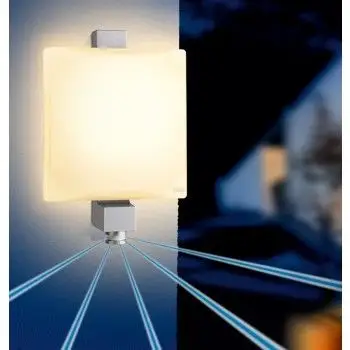
Motion sensor lights are efficient solutions for saving electricity. They are practical, especially for yards, but can be mounted anywhere, especially if you want to save money and get rid of switches.
The modern technology implemented in these systems is based on sensors, which immediately activate the lighting system after dark when motion is detected. If the sensors no longer detect any movement, the light switches off after a period of time that can be set by the user.
Whether they are installed for comfort, making it easier to unlock the front door in the dark, or for energy saving, motion sensor lights simplify users' lives and are easy to install.
Motion sensor lights come in a variety of styles and forms, ranging from wall-mounted to ceiling fixtures and even freestanding lamps with stands.
Once you have decided where you want to install a motion sensor lamp, it is important to know that there are two types of sensors: passive (PIR) or active (HF).
PIR sensors – standard infrared technology that detects moving heat sources. They are only used outdoors because they have a wide field of view and activate only for larger movements. An HF lamp would trigger at the slightest movement, such as a leaf rustling.
HF sensors, also known as "presence sensors," are high-frequency radar type sensors that detect any movement. These lamps are easily recognizable because they have the sensor incorporated into the shade, making it ideal for installation in rooms where the aesthetic factor of the lamp is also important.
It is recommended that regardless of the type of sensor you choose, HF or PIR, you should install special energy-saving bulbs that can withstand this operating regime. And if you are truly concerned about saving money, you can opt for a lighting system based on LEDs.
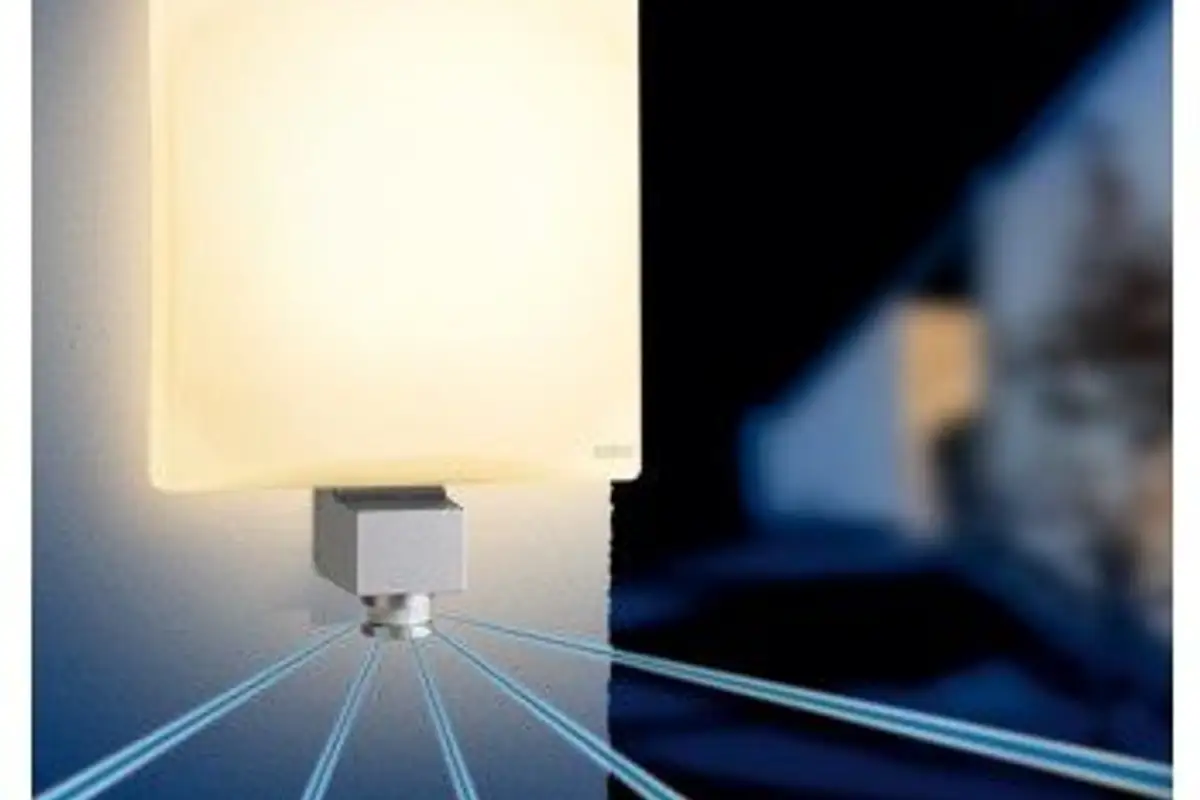
Motion sensor lamps
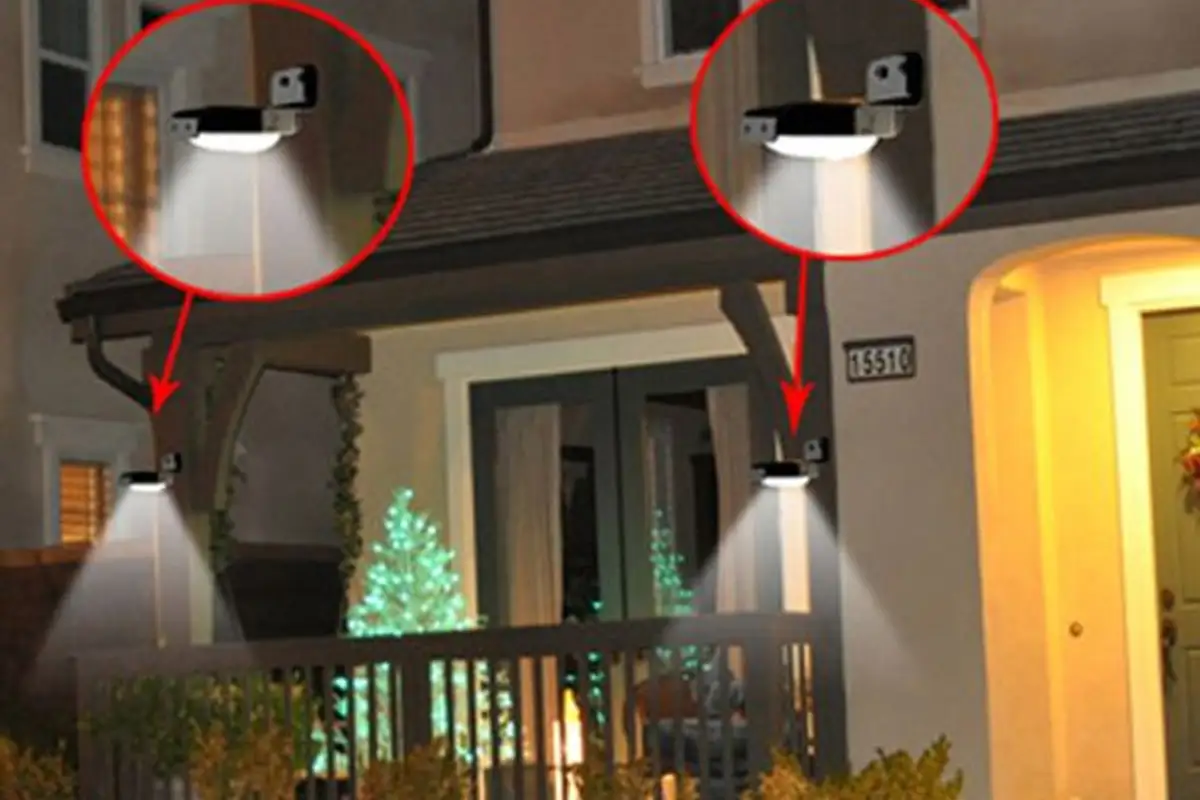
Motion sensor lamps