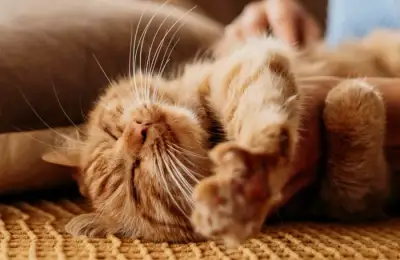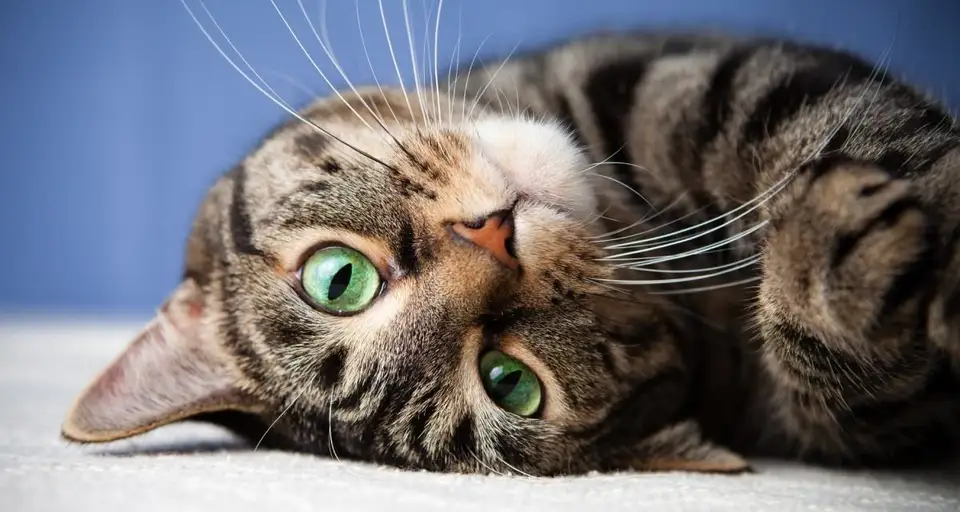
The cat never enters a room. It appears. Like an old idea, abandoned in childhood, it returns suddenly on a Sunday afternoon, when dust dances in the slanting rays of the sun. Lying stretched out on the floor, with its warm belly pressed against the world, the cat is a living parenthesis in the text of reality.
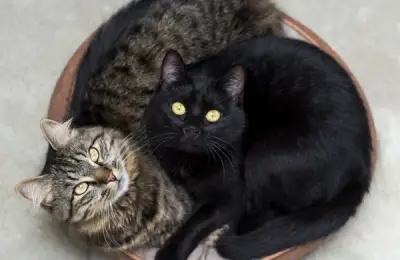
Its eyes — two green, phosphorescent, unsettling lakes — do not look at you, but they remember you. As if you had been there before, in their reflection, perhaps in a feverish dream or in a book read too early. They scan you not like an animal, but like an archaeologist of the soul, digging for old layers of yourself.
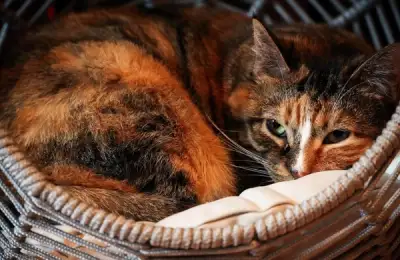
The cat sleeps a lot. It sleeps with metaphysical seriousness, as if sleep were its true occupation, and wakefulness merely a concession made to humans. In its sleep, the world continues to exist only out of politeness. Its tail twitches slightly — a sign that beyond those velvety eyelids, other cities, other libraries, other possible lives are unfolding.